Adult Halloween Costumes Captivate the Internet as Social Media Feeds Overflow with Creative Pop Culture Tributes

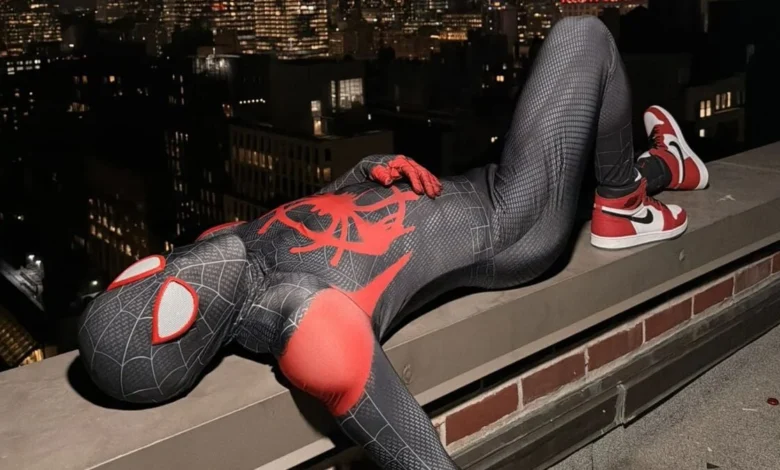
While the traditional October 31 festivities of roaming neighborhoods with pillowcases in hand for miniature chocolate bars remain primarily the domain of children, Halloween has undeniably evolved into a major cultural and economic holiday for adults. Beyond the free food promotions, themed restaurant menus, and neighborhood block parties, the modern celebration of Halloween is heavily defined by digital expression. Across platforms like X, formerly Twitter, Instagram, and TikTok, adults are redefining the boundaries of costume design, turning Halloween into a competitive, high-stakes showcase of pop culture literacy, nostalgic throwbacks, and technical craftsmanship. This year’s digital landscape has proven that the art of adult costuming is thriving, driven by viral moments, intricate makeup work, and deep-cut references that resonate globally.
The Evolution of Halloween as an Economic and Cultural Phenomenon for Adults
To understand the current phenomenon of viral adult Halloween costumes, one must examine the broader commercial transformation of the holiday over the past two decades. According to data compiled by the National Retail Federation (NRF) and Prosper Insights & Analytics, Halloween spending in the United States has experienced unprecedented growth, regularly surpassing the $10 billion mark annually. A significant portion of this economic engine is propelled not by children’s costumes, but by adults investing time, money, and creativity into their own attire.
Market research indicates that a substantial percentage of adults now participate in Halloween-related activities, ranging from attending community costume parties and hosting themed gatherings to decorating their homes and carving pumpkins. The proliferation of social media has acted as an accelerant for this trend. Platforms that prioritize visual content have transformed individual costume choices from private party outfits into public spectacles capable of reaching millions of viewers within hours. Consequently, costume designers, amateur creators, and influencers treat Halloween as a prime opportunity to demonstrate their skill, humor, and cultural relevance.
Chronology of a Viral Halloween: From Concept to Digital Phenomenon
The lifecycle of a viral Halloween costume typically begins months before October 31. Professional cosplayers, prop makers, and dedicated enthusiasts often commence planning, sourcing materials, and constructing their outfits as early as the summer months. As October unfolds, anticipation builds within digital communities, culminating in a weekend-long showcase immediately preceding or coinciding with Halloween night.
The timeline of digital engagement follows a predictable yet dynamic trajectory. In the days leading up to October 31, teaser images and behind-the-scenes construction videos populate social media feeds, generating early excitement and speculation. On Halloween night and the subsequent morning, the volume of content reaches its peak. Users upload final photographs and videos of completed looks, often capturing reactions from partygoers or live-stream audiences. Within 48 hours, algorithms elevate the most creative, humorous, or technically impressive entries, transforming local party costumes into international internet sensations.
A Showcase of Standout Creative Tributes Across Social Media
This year’s digital curation of costumes reflected a diverse array of inspirations, bridging generational nostalgia, cinematic history, and internet culture. Observers and trend analysts noted several standout categories that captured the public imagination.
Nostalgic Television and Animation Tributes
A recurring theme in this year’s digital showcase was deep-seated nostalgia for classic television and animated programming. Creators leveraged shared cultural memories from childhood viewing habits to elicit immediate recognition and delight online. One widely discussed genre of costumes focused on classic children’s television shows, utilizing elaborate foam work, accurate textile matching, and vintage styling to recreate beloved characters with uncanny precision.
Similarly, animation enthusiasts brought cult-classic animated series into the live-action realm. Characters from early-2000s animated ensemble shows—properties that historically maintained passionate online fandoms—were translated into meticulously crafted physical outfits. These designs often required extensive fabrication, including custom-printed fabrics, stylized wigs, and props designed to mimic the distinct aesthetic of 2D animation in a three-dimensional space.
Cinematic Homages and Iconic Cultural Figures
Beyond television, cinema provided a rich source of inspiration. Creators paid homage to legendary performers, such as paying tribute to the undisputed Godfather of Soul, James Brown. These music-inspired costumes often focused on capturing iconic performance eras, complete with tailored sequined suits, signature hairstyles, and dynamic posing that channeled the performer’s legendary stage presence.
Other cinematic tributes focused on revered character actors whose physical expressions and distinct filmography have cemented them as internet icons. An homage to acclaimed actor Willem Dafoe, for instance, relied on detailed prosthetic makeup and characteristic costuming to capture his most memorable cinematic personas. Fans lauded these creations for their attention to subtle physical details, proving that character accuracy requires more than just wearing a standard outfit—it demands performance and dedication to expression.
Pop Culture Mashups and Streamer Culture
The intersection of modern internet culture and traditional costuming was prominently displayed by digital creators and live streamers. Major internet personalities, who command audiences numbering in the millions, utilized their platforms to debut elaborate, high-budget costumes. These streamers often engaged their audiences by revealing their looks during live broadcasts, creating interactive events where viewers could react in real-time to the craftsmanship and scale of the outfits.
Furthermore, comic book and superhero mythology remained a staple of the holiday. Modern interpretations of classic comic characters—such as the cosmic traveler the Silver Surfer—pushed the boundaries of body paint, metallic finishes, and visual effects makeup. Achieving a convincing, reflective metallic appearance requires hours of specialized application, demonstrating the immense dedication modern costumers invest to achieve cinematic quality.
Analysis of Implications: Why Adult Costuming Matters in the Digital Age
The proliferation of sophisticated adult Halloween costumes highlights shifting cultural attitudes toward play, self-expression, and community in the digital era. Sociologists and cultural analysts suggest that events like Halloween provide adults with a socially sanctioned outlet for escapism and creativity in an increasingly high-stress world.
From an economic perspective, the demand for high-end theatrical makeup, specialized textiles, 3D-printed props, and custom fabrication services supports a thriving cottage industry of independent artisans and small businesses. Platforms that enable creators to share tutorials, sell patterns, and showcase their portfolios have professionalized what was once viewed merely as a seasonal hobby.
Moreover, the viral nature of these costumes fosters a sense of global community. When millions of users simultaneously engage with, critique, and celebrate creative artistry online, geographical boundaries dissolve. A meticulously crafted costume conceived in a residential living room can become a universal point of connection for millions of internet users worldwide, transcending language and cultural barriers through shared appreciation for humor, technical skill, and nostalgia.
As Halloween continues to expand its cultural footprint among adults, the standard for creative expression rises each year. The intersection of traditional craftsmanship and modern digital platforms ensures that the holiday will remain a vital annual showcase for human ingenuity, humor, and artistic dedication for years to come.