So long, and thanks for all the insights: Stacey Higginbotham concludes her long-running IoT media tenure and reflects on the state of the industry

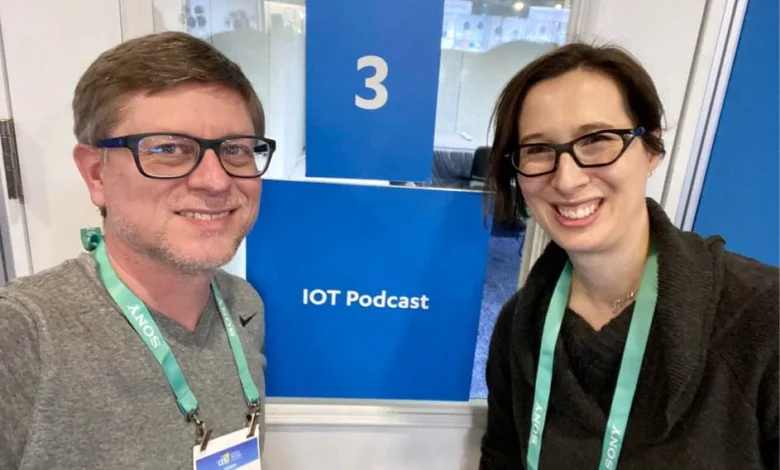
After more than two decades at the forefront of technology journalism, Stacey Higginbotham, a prominent voice in the Internet of Things (IoT) sector, has officially ceased production of her weekly newsletter and podcast. This transition marks the end of a seven-year independent media venture that began in 2016, following her departure from Fortune. Her exit serves as a significant inflection point for the niche industry, signaling both a personal pivot for one of its most dedicated observers and a broader moment of introspection for the smart technology market.
A Chronology of Influence
Higginbotham’s journey as an independent analyst began in 2016, a period when the Internet of Things was transitioning from a buzzword to a tangible consumer and industrial reality. During her tenure at Fortune as a senior editor, she had already established a reputation for dissecting the complex intersections of hardware, software, and social impact.
By launching Stacey on IoT, she carved out a unique space in the tech media landscape, providing a granular look at how connected devices—ranging from smart thermostats and home security cameras to industrial sensors—were reshaping daily life. Over the subsequent seven years, the platform grew to become a primary resource for industry professionals, engineers, and tech-savvy consumers. The podcast and newsletter served as a weekly barometer for the industry, capturing the rise and fall of various smart home startups, the emergence of interoperability standards like Matter, and the escalating debates over privacy and data sovereignty.
Industry Context and the Evolution of IoT
The timing of Higginbotham’s departure coincides with a maturing phase in the IoT market. When she first began covering the smart home segment in 2012, the industry was characterized by fragmented ecosystems and a "wild west" approach to security. Companies rushed to market with connected devices that often lacked robust encryption or long-term software support, leading to a landscape fraught with vulnerabilities.
Data from industry research firms underscores this evolution. According to Statista, the number of IoT devices installed globally was estimated at approximately 15 billion in 2023, with projections indicating that this figure could double by 2030. However, the growth has not been without friction. The transition from early adoption to mass-market integration has been plagued by concerns regarding corporate surveillance, the sustainability of subscription-based hardware models, and the "right to repair" movement.
Throughout her tenure, Higginbotham was a vocal critic of business models that leveraged user data as a primary revenue stream. She frequently highlighted the "complexity tax"—the burden placed on consumers who had to manage an ever-growing array of apps, hubs, and software updates to maintain a functioning smart home.
The Shift in Professional Focus
Higginbotham’s decision to move away from daily news cycles reflects a common trend among veteran technology journalists who are shifting their focus toward policy, advocacy, and specialized research. Her move to a consulting role with the Consumer Reports Innovation Lab signifies a strategic alignment with her long-standing interest in consumer protection.
At the Consumer Reports Innovation Lab, she will focus on the cybersecurity and privacy implications of connected devices—a move that mirrors the organization’s broader mission to leverage technical research to influence regulatory outcomes and corporate behavior. This shift is notable because it moves her from the role of a chronicler of innovation to an active participant in defining the standards of safety and security for connected technologies.
The Broader Implications of Burnout in Tech Media
The departure of a seasoned analyst like Higginbotham also invites a discussion about the sustainability of independent tech media. The pressure to stay abreast of rapid-fire developments—such as the recent explosion of generative artificial intelligence and its integration into IoT—creates an exhausting pace for editorial teams.
In her farewell reflections, Higginbotham noted that while she maintains a fundamental belief in the power of technological innovation to solve human problems, she has reached a point of "cynicism" regarding the current startup ecosystem. This sentiment is shared by many industry observers who have noted a decline in the quality of "innovation" in the smart home space, where many startups now prioritize rapid scaling and data collection over genuine utility.
Analytical Perspective: Where the Industry Stands
As of mid-2023, the IoT industry finds itself at a crossroads. The integration of artificial intelligence into home automation promises a more intuitive user experience, but it also amplifies the risks of intrusive monitoring. Environmental, Social, and Governance (ESG) initiatives have pushed corporations to adopt more energy-efficient IoT solutions, yet these efforts are frequently criticized as "greenwashing" when they are not paired with comprehensive circular economy practices.
From an objective standpoint, the loss of a dedicated, critical, and independent voice in the IoT space leaves a void. Without consistent, high-level analysis that bridges the gap between technical specs and social consequences, there is a risk that the industry will face less scrutiny regarding its long-term impact on privacy and civil liberties.
Future Outlook and Official Responses
While Higginbotham is stepping back from her namesake newsletter, she has not exited the conversation entirely. Her continued presence on decentralized social media platforms like Bluesky and her commitment to project-based research suggest a transition from "broadcasting" to "targeted advocacy."
Her peers in the tech journalism space have noted that her legacy is not just in the volume of reports she produced, but in the community she cultivated. By fostering a dialogue that included engineers, policy makers, and end-users, she created a feedback loop that occasionally forced companies to address security flaws before they became systemic failures.
Looking forward, the sector is likely to see more veteran journalists move into roles within non-profits, think tanks, and regulatory bodies. As the complexity of technology increases, the need for deep, specialized expertise in consumer advocacy becomes even more critical.
Conclusion: A Legacy of Accountability
Stacey Higginbotham’s exit from independent media is not merely a retirement; it is a recalibration. Her work over the last decade has been instrumental in teaching consumers to demand more from the devices that occupy their homes and workplaces. By prioritizing privacy and security over the convenience of a "smart" ecosystem, she helped shape a segment of the industry that now values user autonomy.
As she moves into her role with Consumer Reports, the industry will watch to see how her investigative rigor translates into actionable policy and standards. While the weekly updates will cease, the issues she championed—data ownership, device security, and the necessity of thoughtful design—will remain central to the debate surrounding the future of the Internet of Things.
For those who followed her work, the conclusion is clear: the era of the "smart home" is still in its infancy, and the lessons learned during the formative years of the IoT will be essential for navigating the next generation of connected infrastructure. The transition marks the end of a specific chapter of journalism, but it potentially opens a new, more impactful chapter of industry oversight and consumer-focused innovation.