Surveillance Tech Firm Flock Safety Offers Generous Buyouts to Workforce Amid Massive Privacy Backlash

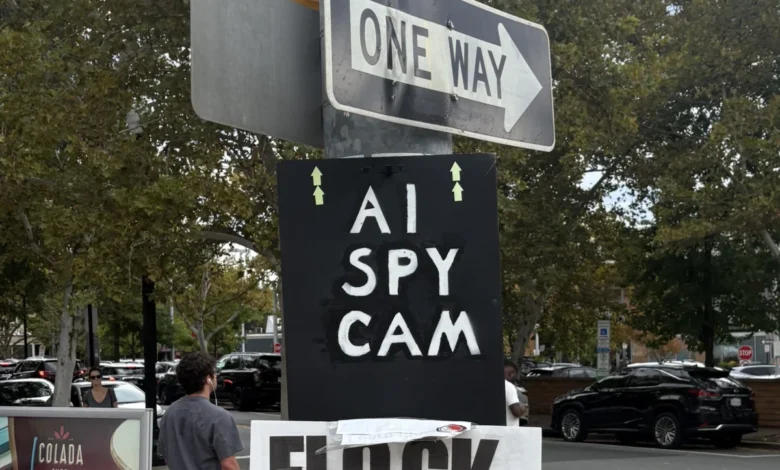
Flock Safety, the prominent automated license plate recognition (ALPR) and public safety technology company, is offering what it describes as its most generous severance package to date for voluntary employee departures. The move comes as the company navigates an intense wave of public scrutiny, declining institutional trust, and mounting cancellations from municipal and state clients across the United States.
According to internal communications reported by industry media, Flock Safety anticipates that a substantial portion of its roughly 1,500-person workforce will express interest in the voluntary exit program, with management planning to approve a majority of those requests. Industry insiders and tech analysts note that the buyout initiative provides a strategic cushion for the company, allowing it to downsize its headcount and manage operating costs without resorting to involuntary layoffs, while simultaneously easing out employees who have grown demoralized by the compounding controversies surrounding the firm’s data-gathering apparatus.
The Crisis Unfolds: Privacy Scandals and Misuse
The current headwinds facing Flock Safety represent a dramatic shift in momentum for a startup that had previously experienced rapid, aggressive expansion into suburban neighborhoods, commercial districts, and law enforcement agencies nationwide. The turning point in public perception arrived during the summer months, fueled by investigative journalism and a growing coalition of civil liberties advocates.
In August, a landmark investigation published by The Washington Post exposed a series of alarming vulnerabilities and systemic abuses within the architecture of law enforcement surveillance. The report identified at least 46 distinct instances where police officers allegedly misused Flock’s extensive camera network to spy on personal acquaintances, including wives, girlfriends, and former romantic partners. The revelation ignited a firestorm regarding the lack of oversight, accountability, and privacy safeguards governing the deployment of private-public surveillance infrastructure.
The fallout was swift and punishing. Lawmakers and municipal leaders who had previously championed the technology for its crime-deterrence capabilities quickly reassessed their partnerships. State governments moved decisively to distance themselves from the company; officials in Florida and Texas officially announced initiatives to block or phase out the use of Flock cameras due to acute privacy apprehensions. Concurrently, digital rights and anti-surveillance advocacy organizations tracked an unprecedented wave of municipal pushback. Data compiled by privacy watchdogs revealed that roughly 90 cities terminated their contracts with Flock Safety during August alone—representing a staggering fourfold increase compared to the cancellation rates recorded in the previous month.
A Timeline of Expansion, Scrutiny, and Retrenchment
To understand the gravity of Flock Safety’s current restructuring, it is necessary to examine the rapid trajectory of the company and the sudden convergence of legal, political, and ethical pressures that brought it to this juncture.
Founded with the mission of eliminating crime through advanced situational awareness, Flock Safety scaled rapidly by installing solar-powered, high-definition cameras capable of capturing vehicle details, license plates, and make-model-color data. These devices created a vast, interconnected web of searchable vehicular movement data shared extensively among private community groups, homeowners associations, and local police departments.

For several years, the company enjoyed widespread adoption, securing lucrative municipal contracts and positioning itself as an indispensable tool for modern policing. However, as the camera footprint expanded, so did concerns from civil liberties groups, including the American Civil Liberties Union (ACLU) and local privacy coalitions. Critics argued that the passive, continuous tracking of everyday citizens created an inescapable digital panopticon, raising fundamental Fourth Amendment questions regarding warrantless tracking and long-term data retention.
The systemic misuse highlighted by investigative reporting in August 2026 transformed theoretical debates over privacy into immediate, tangible political liabilities. As state bans took effect and municipal councils faced intense pressure from constituents, the commercial pipeline for new contracts froze, forcing leadership to confront severe structural and financial adjustments.
Leadership Response and Internal Morale
Garrett Langley, the chief executive officer and co-founder of Flock Safety, recently addressed the crisis during an appearance on the All-In podcast. During the discussion, Langley acknowledged that the organization was facing its most formidable test to date. He candidly admitted that while the external loss of contracts and state-level bans presented significant commercial hurdles, the "biggest damage" inflicted by the ongoing controversy had been absorbed internally, manifesting as a sharp decline in employee morale.
The introduction of the voluntary buyout package is seen by corporate strategists as a direct attempt to heal this internal rift. By providing a generous financial exit runway, Flock Safety allows disaffected staff members to transition out of the company on amicable terms. This approach mitigates the negative publicity and workforce friction typically associated with sudden, mandatory layoffs, while enabling the remaining core team to refocus on product integrity, compliance, and institutional restructuring.
Broader Industry Implications and the Future of Public Safety Tech
The challenges confronting Flock Safety serve as a bellwether for the broader gov-tech and public safety surveillance sectors. As municipalities increasingly rely on private vendors to supply critical infrastructure, questions surrounding accountability, data ownership, and constitutional protections have taken center stage.
The events of late 2026 highlight a growing tension between law enforcement agencies seeking technological force multipliers and communities demanding stringent privacy guardrails. The willingness of major states like Florida and Texas to sever ties, coupled with the rapid drop-off in municipal contracts, underscores that public trust is a fragile and finite commodity in the tech industry.
For Flock Safety, the path forward requires navigating a complex landscape of regulatory scrutiny, rebuilding institutional credibility, and establishing more robust internal controls to prevent the misuse of its technology. Whether the company can successfully recalibrate its business model while managing a downsized workforce remains one of the most closely watched storylines in the intersection of technology, law enforcement, and civil liberties.