Google Rolls Out Android 17 QPR2 Beta 6 and Beta 6.1 Ahead of December Stable Release

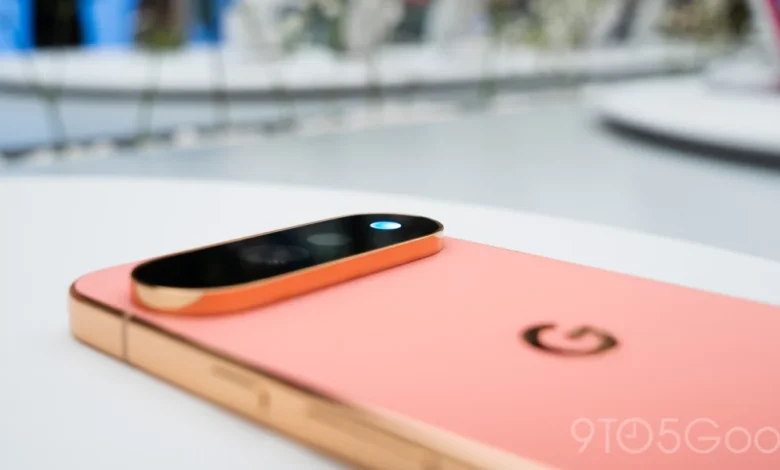
Google has officially commenced the final stretch of testing for its upcoming software drop, deploying Android 17 Quarterly Platform Release 2 (QPR2) Beta 6 and its immediate hotfix, Beta 6.1, to compatible Pixel devices. This rapid-fire deployment marks the concluding phase of the preview cycle before Google pushes the stable, public release to supported smartphones, tablets, and foldable devices in December.
As developers and early adopters install the latest builds, the engineering teams at Google are focusing on final stability polishes, minor visual refinements, and edge-case bug fixes. While major feature introductions are typically reserved for the initial iterations of a new Android platform cycle, QPR tweaks consistently introduce quality-of-life adjustments, user interface tweaks, and foundational backend optimizations that shape the everyday user experience.
Comprehensive Device Compatibility and Installation Scope
The release footprint for Android 17 QPR2 Beta 6 and Beta 6.1 is expansive, reflecting Google’s commitment to supporting a wide array of hardware. Eligible devices spanning multiple generations—ranging from the budget-friendly Pixel 6a series all the way up to the cutting-edge Pixel 11 family—can access the beta software.
![Here’s everything new in Android 17 QPR2 Beta 6 + 6.1 [Gallery]](https://9to5google.com/wp-content/uploads/sites/4/2026/08/MBG-Pixel-11-hilight-view-20.jpg?quality=82&strip=all&w=1600)
The full roster of supported hardware includes the Pixel 6a, Pixel 7, Pixel 7 Pro, Pixel 7a, Pixel Tablet, Pixel Fold, Pixel 8, Pixel 8 Pro, Pixel 8a, Pixel 9, Pixel 9 Pro, Pixel 9 Pro XL, Pixel 9 Pro Fold, Pixel 9a, Pixel 10, Pixel 10 Pro, Pixel 10 Pro XL, Pixel 10 Pro Fold, Pixel 10a, alongside the newly integrated Pixel 11, Pixel 11 Pro, Pixel 11 Pro XL, and Pixel 11 Pro Fold.
For users enrolled in the Android Beta Program or those preferring manual sideloading via factory images and OTA files, the process remains streamlined. Google continues to recommend that participants back up their critical data before engaging with beta software, as pre-release builds can occasionally present unforeseen instability, battery drain, or application compatibility hurdles.
Key Visual and Functional Adjustments in Beta 6 and 6.1
Although Beta 6 and 6.1 serve primarily as stabilization milestones, eagle-eyed users scouring the source code and interface elements have identified several subtle adjustments. Among the notable additions are refinements to the charging interface, notifications handling, and security features.
One of the prominent visual additions spotted in Beta 6.1 is a newly designed outline framing the battery icon when the device is actively charging. This subtle graphical indicator provides clearer visual feedback on the lock screen and status bar, aligning with Google’s ongoing efforts to refine Material You dynamic thematic elements.
![Here’s everything new in Android 17 QPR2 Beta 6 + 6.1 [Gallery]](https://9to5google.com/wp-content/uploads/sites/4/2026/09/Android-17-QPR2-Beta-6.1-charging.jpg)
Additionally, tracking updates reveal ongoing adjustments to notification management features, such as "HiLight" messaging integrations designed to surface high-priority communications from designated favorite contacts. Conversely, Google has also begun pruning or adjusting features during the beta phase, notably implementing changes surrounding app lock functionalities as developers evaluate long-term security implementations for upcoming stable rollouts.
Chronology of the Android 17 QPR2 Development Cycle
Understanding the significance of Beta 6 and Beta 6.1 requires examining the broader timeline of the Android 17 development and maintenance schedule. Google structures its Android releases around major yearly platform debuts complemented by Quarterly Platform Releases (QPRs). These QPR cycles act as functional milestones that deliver substantial feature drops to Pixel devices ahead of wider Android ecosystem adoption.
The Android 17 QPR2 preview journey began months ago with initial developer previews, gradually opening up to public beta testers through successive iterations. Beta 5 established foundational system stability late in the summer, paving the way for Beta 6. However, discovering minor regressions necessitated the exceptionally rapid deployment of Beta 6.1 just days later, underscoring Google’s responsive patch management as the software nears its final code freeze.
The traditional December stable release window represents the culmination of this timeline, delivering a thoroughly vetted version to everyday consumers while simultaneously transitioning the engineering teams toward the next quarterly development cycle.
![Here’s everything new in Android 17 QPR2 Beta 6 + 6.1 [Gallery]](https://9to5google.com/wp-content/themes/ninetofive/dist/images/google-preferred-source-badge-dark.png)
Strategic Implications for the Pixel Ecosystem
The steady cadence of QPR betas highlights Google’s dual objective: maintaining a predictable, reliable update cadence for enterprise and consumer hardware while continuously refining the proprietary Pixel experience. By utilizing an extensive public beta testing framework, Google leverages telemetry data and direct user feedback from millions of active devices to isolate regressions that internal testing environments might miss.
For enterprise users and developers, these late-stage betas offer a stable sandbox to ensure corporate applications, compliance software, and proprietary services function without interruption before the official December distribution. For everyday consumers, the updates signal that Google’s hardware ecosystem—spanning traditional form factors and complex foldables like the Pixel 11 Pro Fold—is maturing in lockstep with the underlying operating system.
As the software enters its final weeks of testing, users are encouraged to monitor patch notes and community findings for any last-minute adjustments. With the stable release on the horizon, Beta 6 and 6.1 stand as the definitive preview of what Android 17 will deliver to millions of devices before the close of the year.