IOS 27.2 beta 2 reveals new details about unnanounced iPhone anti-snatching feature

Ongoing Development and Technical Insights
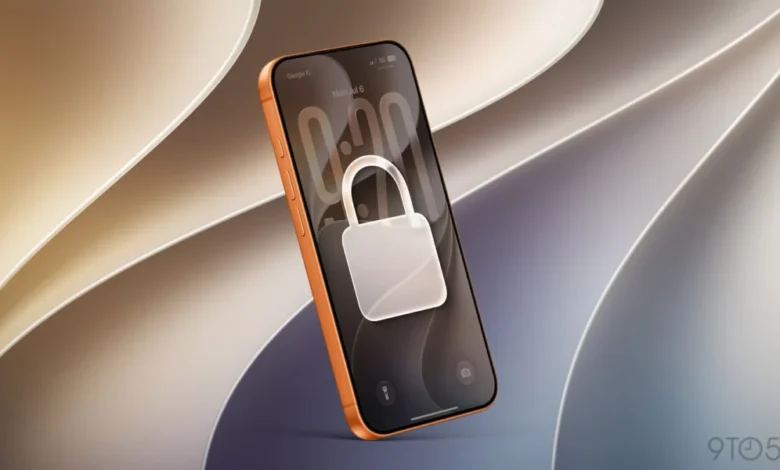
While Apple has yet to issue an official press release or public demonstration regarding this anti-theft mechanism, recent discoveries within the iOS 27.2 beta 2 software reveal that the company is actively refining the system. Code analysis indicates that the project, referred to internally as "AutoLock," is undergoing rigorous testing. Unlike static security measures that rely solely on passcode entry or biometric verification, this feature is designed to be reactive, utilizing the iPhone’s suite of sensors to identify sudden, unauthorized movement patterns consistent with snatching.
The underlying architecture of AutoLock relies on a sophisticated "voting system." In this framework, various sensor signals—likely derived from the accelerometer, gyroscope, and ambient light sensors—act as potential triggers. If these sensors register a profile that matches a physical snatching event, a signal is sent to the system to initiate a device lock. However, to minimize the risk of false positives, the system simultaneously evaluates a series of "veto" signals. These safeguards include successful biometric authentication (such as Face ID or Touch ID), the presence of the device in a "familiar location" (a concept established by the existing Stolen Device Protection feature), or active foreground app engagement that suggests the user is still interacting with the device.
At this stage in the development cycle, Apple has enabled the core service of the AutoLock feature in the background of the iOS 27.2 beta. Crucially, the final mechanism that triggers the actual system lock remains dormant. This allows engineers to monitor the sensor data and the effectiveness of the voting system in real-world conditions without disrupting the user experience or accidentally locking devices during normal operation.
Chronology of Apple’s Anti-Theft Evolution
The journey toward a more robust anti-snatching feature did not begin in isolation. It is the latest chapter in a multi-year strategy to combat the rising incidence of mobile device theft.

The foundation for these efforts was arguably set with the introduction of "Stolen Device Protection" in earlier versions of iOS. This feature, which requires biometric authentication for sensitive actions like changing an Apple ID password or viewing saved credit card information when the device is away from familiar locations, marked a significant shift in how Apple handles potential theft. By introducing a time-delay requirement for high-security changes, Apple effectively neutralized the threat of "shoulder surfing," where thieves observe a victim’s passcode before stealing the device.
In May 2026, initial reports emerged suggesting that Apple was experimenting with more proactive, hardware-triggered security measures. These early internal references pointed toward an AI-driven approach to detecting physical distress, such as sudden, violent movement. Throughout the summer of 2026, the development focus shifted toward refining the "veto" logic—the safeguards that prevent the device from locking while the user is actively engaged in a legitimate task. The current iteration in the iOS 27.2 beta represents a significant maturation of this technology, moving from experimental sensor polling to a structured, policy-based security framework.
The Landscape of Smartphone Security and Crime
The motivation behind this development is rooted in a global spike in high-profile mobile theft. Major metropolitan areas have reported significant increases in "snatch and grab" crimes, where perpetrators target users in public spaces, forcibly removing unlocked phones from their hands before fleeing.
According to data from law enforcement agencies in major urban centers, mobile devices remain the most stolen personal property due to their high resale value and the wealth of sensitive information they contain. Traditional security features—like "Find My"—are effective after the fact, allowing users to track or wipe a device, but they do little to prevent the initial unauthorized access to banking apps, email, or private messages if the phone is snatched while already unlocked.
Security analysts have long argued that the industry needs a "pre-emptive lock" capability. By locking the device the moment it is snatched, the phone becomes an expensive, non-functional piece of hardware, significantly reducing the incentive for theft. If a device automatically returns to the lock screen or enters a restricted mode upon detecting a theft event, the thief loses the ability to immediately access the victim’s digital life, potentially providing enough time for the owner to initiate a remote wipe or locate the device through the "Find My" network.

Fact-Based Analysis of System Implications
The implementation of an automated, sensor-driven locking mechanism carries several technical and user-experience implications.
False Positive Mitigation: The most significant challenge for Apple is preventing "false positives"—instances where the phone locks while the user is simply running to catch a bus or participating in an athletic activity. The inclusion of a "backoff mechanism" in the current beta code is a strategic solution to this issue. If the device detects a suspected snatch event but later determines it was a false positive, the backoff mechanism can temporarily suppress further lock events, ensuring that the user is not repeatedly interrupted by their own security software.
The Role of Contextual Intelligence: By incorporating location data and app activity, Apple is applying contextual intelligence to device security. This moves the iPhone beyond a binary "locked/unlocked" state to a more nuanced model where the device understands its environment. For example, if an iPhone is at a user’s home or workplace—locations tagged as "familiar"—the thresholds for triggering an AutoLock might be significantly higher than if the device is in an unfamiliar transit hub or public square.
Privacy and Performance: As with all of Apple’s security features, the processing of sensor data for AutoLock is expected to occur on-device. By utilizing the Neural Engine within the A-series or M-series chips, the iPhone can analyze motion patterns in real-time without sending sensitive movement data to the cloud. This maintains the user’s privacy while ensuring that the latency between the detection of a snatch event and the execution of the lock is minimal—likely measured in milliseconds.
Broader Impact on the Mobile Industry
Apple’s development of AutoLock may set a new industry standard. Historically, once Apple introduces a significant security feature, competitors in the Android ecosystem often follow suit, developing similar sensor-based solutions. If successful, this technology could fundamentally change the economics of smartphone theft.

If snatching a phone becomes less lucrative because the device effectively "bricks" itself upon being pulled from a hand, criminal organizations may shift their focus away from high-end smartphones. Furthermore, this initiative reflects a broader trend in the tech industry: the transition from reactive security (recovering a lost item) to proactive, intelligent security (preventing the item from being compromised while it is still in the victim’s reach).
Conclusion and Future Outlook
As the iOS 27.2 beta cycle progresses, observers will be watching closely for any changes to the AutoLock feature. For now, the service remains a background process, an indication that Apple is prioritizing the accuracy of the detection algorithm over an immediate public release.
While there is no guarantee that this feature will reach the final public version of iOS 27.2, the continued presence and evolution of the code suggest that it is a high-priority project for Apple’s security team. As the company continues to refine the sensor thresholds and the logic of its "voting system," users may soon have a powerful new layer of defense, one that turns the physical act of theft into a failed attempt to compromise their personal information. Until an official announcement is made, the development serves as a testament to the ongoing arms race between the creators of mobile technology and those who seek to exploit it. The evolution of AutoLock marks a critical step forward in ensuring that personal devices remain under the control of their owners, regardless of the physical environment in which they are used.