Sony FE 400mm F4.5 GM OSS and Sony FE 600mm F6.3 GM OSS Review: Featherweight Super-Telephotos Redefine Wildlife Photography


The landscape of professional and enthusiast wildlife and sports photography is undergoing a significant ergonomic shift, driven by demands for lighter equipment that does not compromise on optical integrity. Sony has officially announced the expansion of its prestigious Grand Master (GM) lens lineup with the introduction of two highly anticipated super-telephoto prime lenses: the Sony FE 400mm F4.5 GM OSS and the Sony FE 600mm F6.3 GM OSS. Designed specifically for full-frame E-mount mirrorless camera bodies, these optics aim to bridge the gap between bulky, five-figure professional exotics and versatile, yet optically constrained, consumer zoom lenses.
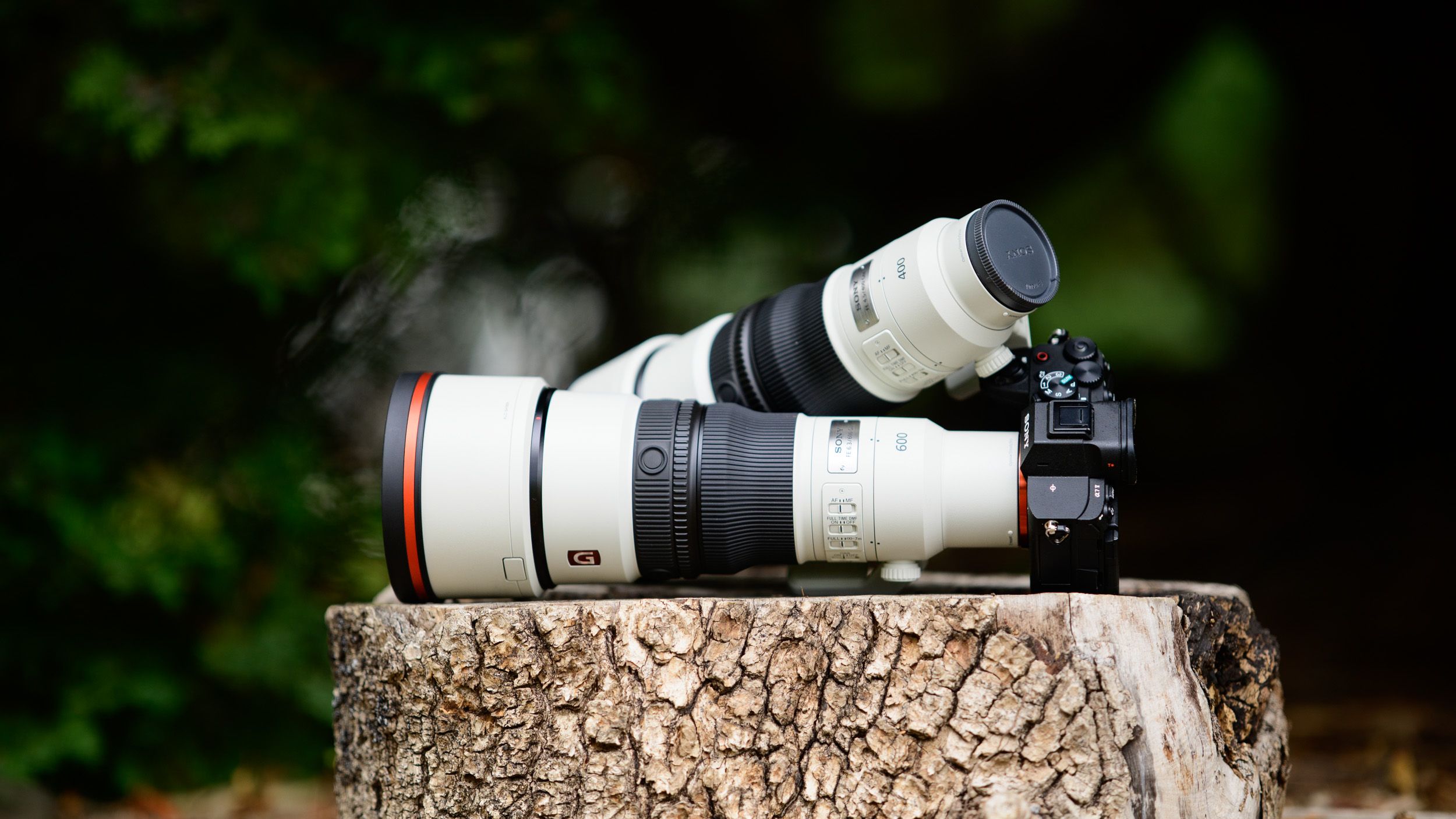
Reviewers and industry analysts who tested pre-production models of both lenses extensively across various field conditions—including wetland nature reserves and expansive deer parks—report that these new primes successfully redefine expectations for weight distribution and portability in extreme focal length shooting. Weighing a fraction under 1,000 grams each, the lenses represent a technological milestone for photographers who spend hours navigating difficult terrain on foot.
Background Context and Strategic Market Placement
For years, wildlife and sports photographers faced a stark dichotomy when selecting super-telephoto glass. On one end of the spectrum sat ultra-bright, exceptionally sharp professional prime lenses—such as Sony’s own FE 400mm F2.8 GM OSS and FE 600mm F4 GM OSS. While optically peerless, these flagship units command five-figure price tags and weigh upwards of 2.8 to 3 kilograms (over 100 ounces), necessitating heavy-duty tripods, monopods, or rigorous physical endurance for handheld use.
On the other end of the spectrum were variable-aperture zoom lenses, such as the popular FE 200-600mm F5.6-6.3 G OSS or broader consumer alternatives, which offered framing versatility at the expense of maximum light-gathering capability and absolute corner-to-corner MTF (Modulation Transfer Function) performance. Furthermore, these zoom alternatives frequently tipped the scales past the 2-kilogram mark.
Recognizing a distinct market gap for enthusiast and semi-professional shooters with specific focal length requirements, Sony engineered the FE 400mm F4.5 GM OSS and FE 600mm F6.3 GM OSS. By trading zoom versatility for fixed focal lengths and slightly more modest maximum apertures compared to their flagship counterparts, Sony has delivered lightweight optics that directly challenge rival offerings from competitors like Nikon and Fujifilm.
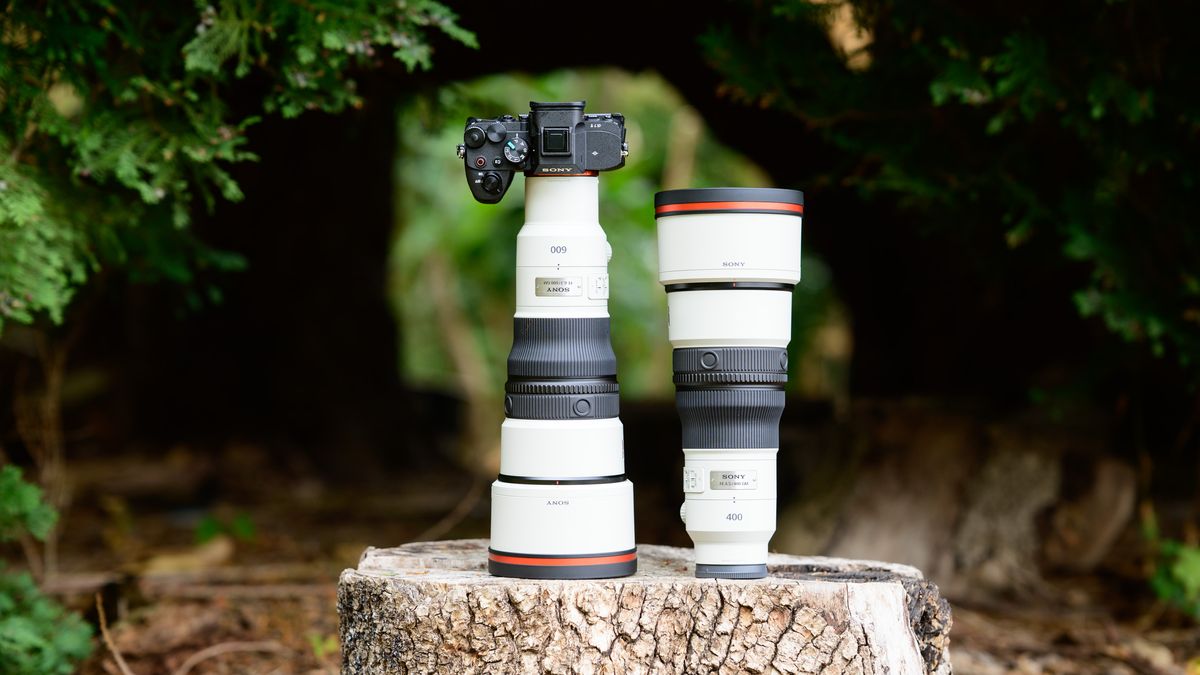
Design, Build Quality, and Ergonomic Breakthroughs
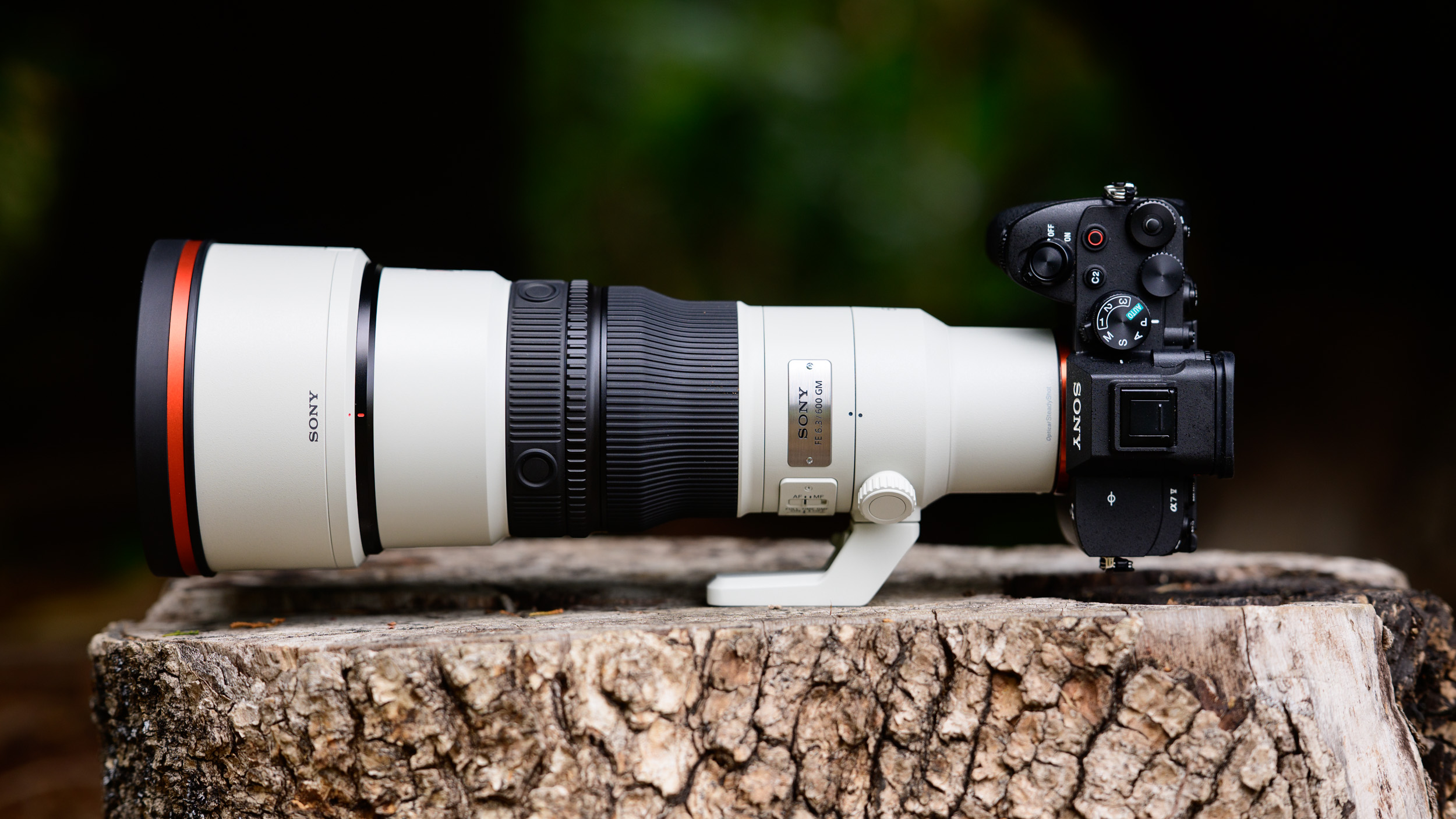
The most remarkable engineering achievement of the new GM primes is their mass. Tipping the scales at approximately 994 grams for the 400mm and 995 grams for the 600mm (roughly 35 ounces), these lenses are remarkably light for super-telephotos of their caliber. To contextualize this achievement, comparable Nikon alternatives weigh 1,160 grams and 1,360 grams respectively, while standard zoom lenses in similar focal ranges are often twice as heavy. Canon currently fields no direct equivalent prime lenses in this specific weight and class tier.
In terms of physical dimensions, the 400mm measures 242mm in length, while the longer 600mm spans 263mm, both maintaining a filter diameter of 95mm and a minimum focusing distance of 2.5 meters (8.21 feet). Despite the heavy emphasis on weight reduction, build quality remains uncompromised. Both lenses feature robust dust and moisture resistance, supplemented by a specialized rubber gasket sealing the lens mount to withstand adverse environmental conditions.
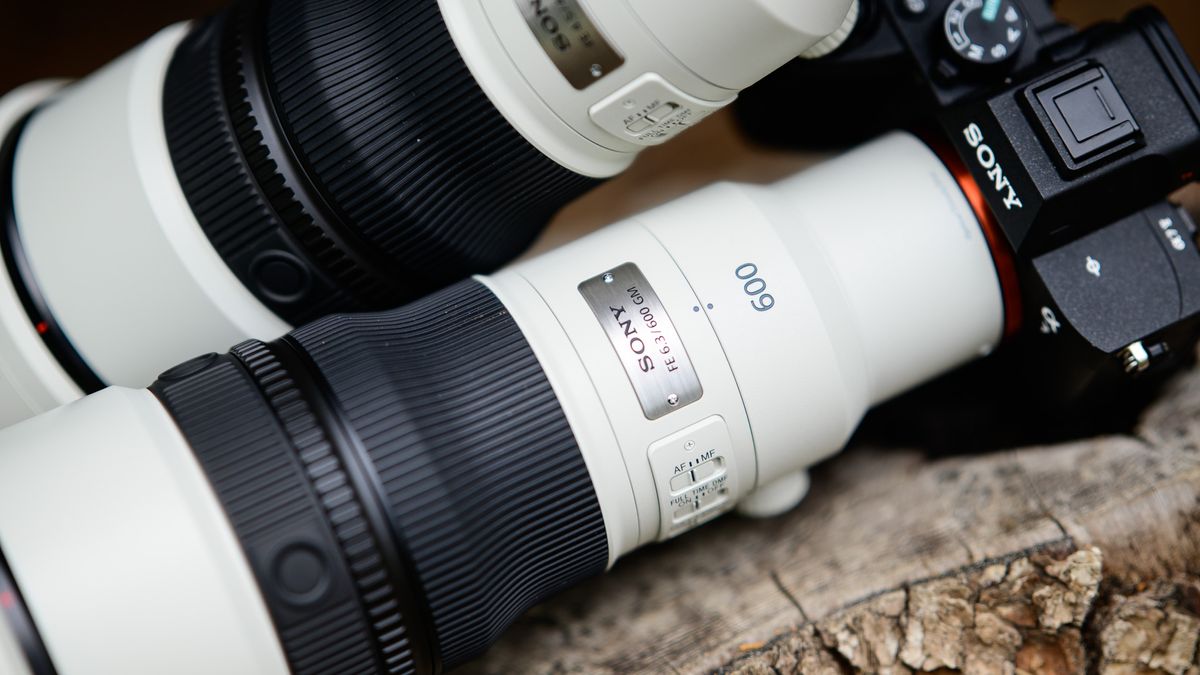
The external barrel design is densely populated with professional controls. Users have access to five distinct switches governing focus mode, focus range limiting, optical image stabilization (OSS), stabilization modes, and a programmable function ring. Four strategically placed focus hold buttons adorn the barrel, allowing for seamless subject tracking when paired with advanced camera bodies like the Sony A7R V or A7 V. Additionally, a removable tripod collar ring provides secure mounting for tripod-based operations, though the featherweight construction makes prolonged handheld shooting entirely viable.
Optical Performance and Field Testing
Optically, both lenses bear the coveted "GM" designation, indicating that Sony has spared no expense in their internal glass construction. The optical formulas integrate extra-low dispersion (ED) elements to effectively suppress chromatic aberrations and color fringing, alongside Sony’s proprietary Nano AR Coating II to mitigate ghosting and flare when shooting against harsh light sources. An 11-blade circular aperture mechanism is employed to produce smooth, aesthetically pleasing background bokeh—a crucial attribute when isolating fast-moving subjects from cluttered natural environments.

Autofocus performance is driven by dual XD (extreme dynamic) linear motors in each lens. These motors deliver rapid, silent, and exceptionally precise focus acquisition capable of keeping pace with modern mirrorless burst rates, supporting continuous tracking up to 120 frames per second. Field evaluations confirm that when paired with advanced AI-driven subject detection algorithms for birds, animals, and insects, the autofocus systems lock onto targets swiftly and reliably.
While shooting extensively at maximum aperture—f/4.5 on the 400mm and f/6.3 on the 600mm—testers noted sharp subject rendition, minimal vignetting, and well-controlled optical aberrations. The 400mm model excels when tracking larger mammals or birds of prey at moderate distances, whereas the 600mm variant provides the necessary reach for smaller, more distant avian wildlife. Both lenses offer full compatibility with Sony’s 1.4x and 2x teleconverters, though field operators generally advise caution when using the 2x extender due to the compounding light loss at extreme focal lengths.

Pricing, Availability, and Market Implications
The Sony FE 400mm F4.5 GM OSS and FE 600mm F6.3 GM OSS occupy a specialized pricing tier that sits well below flagship professional exotics, yet remains a significant investment for enthusiasts. In the United Kingdom and international markets, the FE 400mm F4.5 GM OSS carries a retail price of $2,699 / £2,400, while the longer FE 600mm F6.3 GM OSS is priced at $3,699 / £3,300. Each unit ships standard with a dedicated lens hood, a padded soft carrying case equipped with handles and a shoulder strap, and a removable tripod foot.
Industry analysts suggest that these price points position Sony favorably against established market rivals. For instance, Nikon’s 400mm f/4.5 VR S launched at a comparable price point, while Nikon’s 600mm f/6.3 offering commands a notably higher market premium.

Ultimately, the release of these two super-telephoto primes signals a mature understanding of modern wildlife photographers’ physical needs. By successfully decoupling high-end optical performance from prohibitive weight and bulk, Sony has provided dedicated enthusiasts with powerful, ergonomic tools designed to endure grueling hours in the field without inducing physical fatigue.
Related posts: