The Evolution of Android Tablets: Are Giant Form Factors Missing the Mark for Everyday Users?

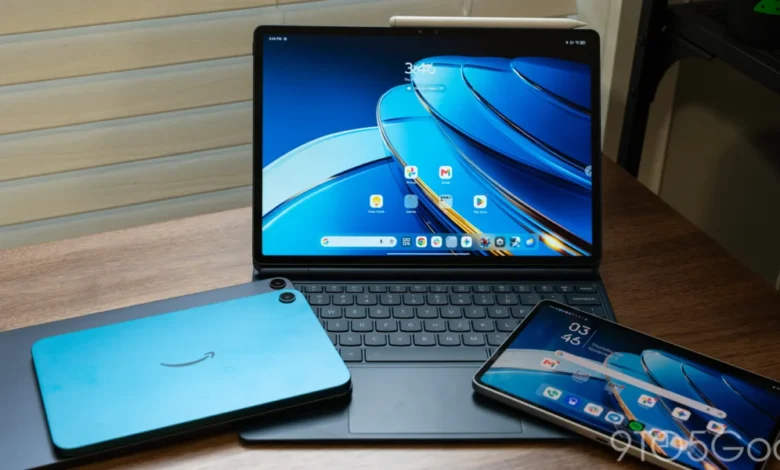
The market for Android-powered tablets has experienced a remarkable resurgence over recent years, transforming from a fragmented ecosystem of afterthought devices into a robust segment featuring premium hardware from major manufacturers like Samsung, Lenovo, Amazon, and specialized brands like RedMagic. However, this renaissance has brought a distinct design philosophy to the forefront: manufacturers are increasingly prioritizing oversized displays, often exceeding 12 or even 14 inches. While these cinematic and productivity-oriented slates command significant marketing attention, a critical question remains for consumers who prefer portability and one-handed operation: who is actually buying these gargantuan Android tablets, and have brands abandoned the compact tablet user?
To understand the current state of the Android tablet landscape, it is necessary to examine how the form factor has evolved. In the early days of Android tablets, following the launch of the original Samsung Galaxy Tab and later Google’s Nexus 7, smaller screens ranging from 7 to 8 inches were immensely popular. These devices served as portable media consumption tools, digital e-readers, and casual browsing companions that could easily be slipped into a small bag or held comfortably for extended periods.
Over the last decade, however, the proliferation of smartphones with increasingly large screens—often stretching past 6.5 inches—largely cannibalized the market for 7-inch and 8-inch tablets. In response, manufacturers pivoted their tablet strategies toward productivity, positioning large-screen Android tablets as laptop replacements or digital canvases for creative professionals. This strategic shift has led to an influx of massive devices designed to compete directly with Apple’s iPad Pro lineup and Windows-based hybrids.
Market Shift Toward Productivity and Larger Displays
The dominant industry trend over the past three to four years has been continuous growth in average screen sizes across mobile hardware. Major tech companies have heavily marketed productivity suites, multi-window multitasking capabilities, and keyboard accessory ecosystems that require expansive screen real estate. Consequently, modern flagship Android tablets frequently feature displays measuring 11 inches on the low end, with top-tier models scaling up to 14.6 inches.

While these expansive canvases are ideal for split-screen multitasking, digital illustration, and immersive media viewing in fixed environments—such as a desk, a kitchen counter, or an airplane tray table—they introduce notable ergonomic drawbacks. Weighing well over a pound and often requiring two hands to operate safely, these large tablets lose the lightweight agility that initially made the form factor appealing to casual users. For consumers seeking a device for reading in bed, quick couch browsing, or traveling light, the current market offerings can feel excessively cumbersome.
Consumer Preferences Versus Industry Offerings
A persistent disconnect exists between what a segment of the consumer base desires and what original equipment manufacturers (OEMs) choose to mass-produce. Industry data and user feedback indicate enduring demand for smaller, highly portable tablets that prioritize comfort and convenience over desktop-class productivity. Yet, the choices for high-end compact Android tablets remain remarkably sparse.
Brands like Lenovo, Samsung, and Amazon continue to populate the market with diverse options, but their flagship innovations are almost exclusively channeled into larger chassis. Specialized manufacturers, such as RedMagic, often focus their tablet engineering on high-refresh-rate gaming displays that similarly favor expansive screen real estates to maximize immersion. This leaves consumers who favor compact dimensions with older models, budget-tier hardware with compromised performance, or the alternative of migrating to smaller iOS devices like the iPad mini.
Industry Analysis and Market Implications
The ongoing obsession with oversized tablets carries significant implications for the broader mobile computing market. By focusing heavily on premium, high-margin, laptop-replacement devices, manufacturers risk alienating a distinct demographic of users who view tablets as complementary companion devices rather than primary computing stations.

From an economic perspective, larger devices allow OEMs to command higher retail prices, integrate more robust cooling systems, accommodate larger batteries, and market advanced stylus integrations. These features justify the steep price tags associated with flagship Android tablets. However, the lack of comparable high-end engineering in smaller form factors suggests that manufacturers view the compact premium segment as a niche market with insufficient profit margins to justify widespread research and development costs.
Future Outlook for Android Slates
As Android continues to refine its software ecosystem for large screens—particularly through initiatives like Android 14 and 15 optimizations, enhanced desktop windowing modes, and improved third-party app scaling—the software is better equipped than ever to handle diverse form factors. Google’s renewed commitment to tablets, underscored by the launch of the Pixel Tablet and dedicated software updates, has injected a renewed sense of legitimacy into the ecosystem.
Whether manufacturers will respond to user fatigue regarding oversized hardware by reintroducing high-performance compact tablets remains to be seen. For now, consumers who prioritize portability over raw screen acreage find themselves navigating a market heavily skewed toward scale. As the Android tablet sector continues to mature, finding a balance between productivity powerhouses and ergonomic, pocket-friendly companions will be a critical challenge for hardware designers seeking to capture the entirety of the market.