Gentle Monster and Warby Parker Set December 2026 Launch for Google and Samsung’s First Android XR Intelligent Eyewear

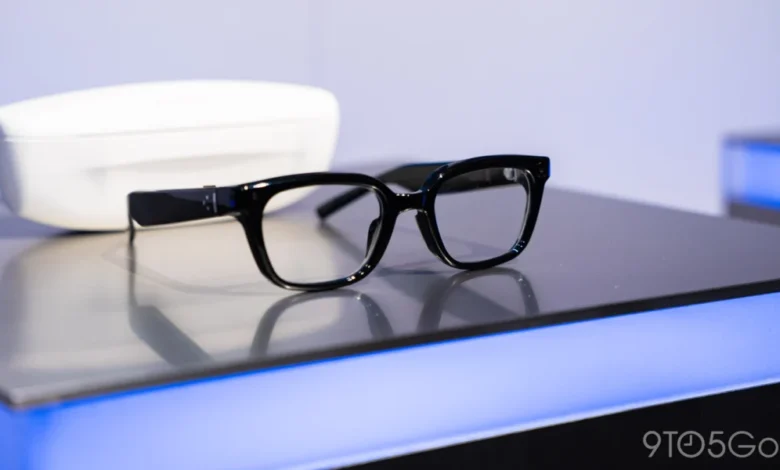
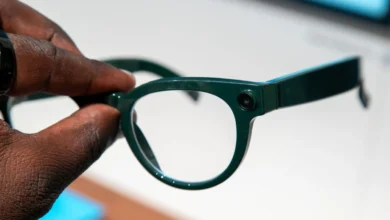
The landscape of wearable technology is poised for a significant transformation as fashion-forward eyewear brands and major technology conglomerates converge on a unified ecosystem. Google, Samsung, and their premier design partners have officially set the stage for the commercial debut of the first generation of Android XR smart glasses, commercially branded as "Intelligent Eyewear." Following recent pre-order announcements, luxury eyewear brand Gentle Monster has formally confirmed a December 2026 release window for its inaugural collection of Android XR devices. This confirmation aligns with broader industry timelines, signaling a major push by Google and Samsung to establish a dominant footprint in the augmented reality and smart eyewear market just ahead of the late-year holiday shopping season.
The announcement came via official channels from Gentle Monster, which utilized social media to tease a high-profile promotional campaign starring Academy Award-winning actor Joaquin Phoenix. Directed by acclaimed filmmaker Jonathan Glazer, the short film is described as a cinematic exploration operating in the nebulous space between reality and dream. While the artistic collaboration underscores the high-fashion and lifestyle positioning that Gentle Monster intends to bring to the wearable technology sector, the more significant revelation for the consumer electronics industry was the confirmation that the physical collection will launch to the public this December.
The Timeline to Release: A Structured Rollout
The groundwork for the December 2026 launch has been laid out incrementally through strategic announcements by Google’s primary design partners. Earlier in the week, fellow launch partner Warby Parker established the immediate roadmap by revealing that its own version of the Android XR glasses will open for consumer pre-orders on November 12. This coordinated pacing suggests a carefully orchestrated marketing and distribution strategy managed collectively by Google, Samsung, Warby Parker, and Gentle Monster.
Chronologically, the rollout is structured as follows:

- Early November 2026: Warby Parker announces its pre-order launch date of November 12, cementing the use of the "Intelligent Eyewear" nomenclature coined by Google and Samsung.
- Mid-November 2026: Gentle Monster premieres its cinematic short film featuring Joaquin Phoenix and directed by Jonathan Glazer, drawing mainstream cultural and artistic attention to the upcoming hardware category.
- December 2026: Both major design partners are slated to officially release their respective hardware collections to the open market, making the Android XR glasses available to early adopters and tech consumers.
This tight scheduling places the hardware release unusually late in the calendar year. Launching a brand-new device category in December carries inherent logistical challenges, yet it positions the products directly in front of holiday shoppers looking for cutting-edge technological gifts. While Warby Parker has not yet formally committed to an explicit December shipping date alongside its November pre-order window, industry analysts widely anticipate that both brands will synchronize their commercial availability to maximize market impact.
Background Context: The Genesis of Android XR
The convergence of Google, Samsung, and top-tier eyewear designers represents years of behind-the-scenes development aimed at solving the primary hurdles that plagued earlier iterations of smart glasses. Historically, smart eyewear has struggled with a dichotomy between utility and aesthetics. Devices that packed advanced computing power, cameras, and display optics were often bulky, heavy, and unmistakably futuristic in a way that alienated mainstream consumers. Conversely, lightweight, stylish frames frequently lacked the necessary computational depth, battery life, and software ecosystem to be truly useful.
Google’s strategic pivot toward a dedicated operating system for extended reality—Android XR—is designed to bridge this gap. Developed in close partnership with hardware giant Samsung, Android XR provides a robust, standardized software foundation capable of powering everything from immersive headsets to lightweight, heads-up display glasses. By partnering with established fashion and optical giants like Gentle Monster and Warby Parker, the coalition ensures that the hardware respects traditional eyewear craftsmanship and ergonomic standards. Consumers are no longer forced to choose between wearing conventional designer frames and adopting functional wearable technology; the Intelligent Eyewear initiative merges both disciplines into a single product category.
Design Philosophies: High Fashion Meets Deep Tech
The involvement of Gentle Monster and Warby Parker highlights a deliberate division in market approach, allowing the Android XR platform to appeal to distinct consumer demographics. Gentle Monster, known for its avant-garde designs, bold aesthetics, and high-end positioning, is expected to cater to fashion-forward consumers who view eyewear as a statement piece. The collaboration with auteur Jonathan Glazer and actor Joaquin Phoenix for the product’s launch campaign emphasizes an artistic, narrative-driven approach that is rarely seen in traditional consumer electronics marketing.
On the other hand, Warby Parker brings a democratic, direct-to-consumer optical model focused on accessibility, everyday wearability, and classic design aesthetics. By utilizing the same underlying "Intelligent Eyewear" software and hardware architecture engineered by Google and Samsung, both brands can deliver identical core software experiences while maintaining their distinct brand identities in terms of frame geometry, materials, and pricing structures.

Industry Implications and Market Outlook
The arrival of Android XR Intelligent Eyewear in December 2026 marks a critical inflection point for the spatial computing and smart glasses market. For years, the sector has been dominated by niche enterprise devices and early-stage consumer experiments, most notably exemplified by the collaboration between Meta and Ray-Ban. While audio-based smart glasses without visual displays have achieved notable commercial traction, the introduction of true XR capabilities—integrated visual elements powered by a dedicated operating system—elevates the product category closer to true augmented reality.
Market analysts are closely watching how consumers receive these late-year releases. Launching in December leaves little room for error, as supply chain stability, software polish, and retail execution will be put to the test immediately during the busiest retail period of the year. Furthermore, the success of the Gentle Monster and Warby Parker collections will serve as a bellwether for Samsung’s broader hardware roadmap regarding Android XR devices.
As the pre-order windows open and the cinematic launch campaigns roll out through November, attention will quickly pivot to real-world performance metrics, battery life evaluations, and software usability. If the Google-Samsung ecosystem, supported by the manufacturing and design prowess of its fashion partners, can deliver a seamless user experience embedded within genuinely attractive frames, December 2026 may be remembered as the month smart glasses finally transitioned from a speculative novelty into an essential everyday computing accessory.