Indie App Spotlight: Flipcorder Brings Authentic Camcorder Nostalgia to Modern iPhone Photography

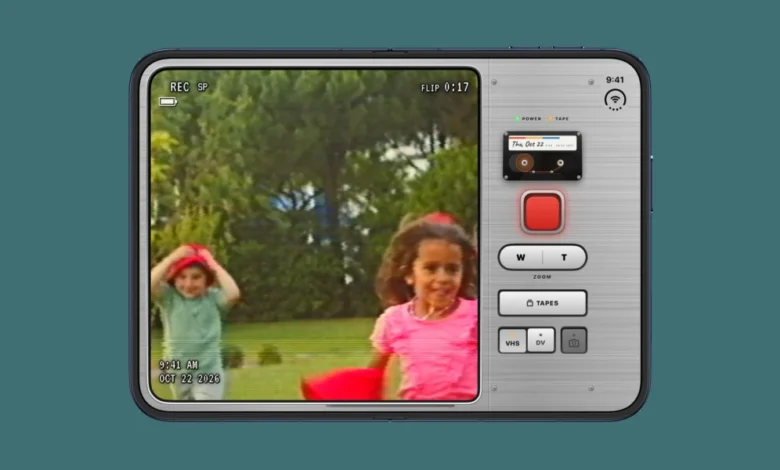
The landscape of mobile photography has shifted significantly over the past decade, moving away from high-fidelity, hyper-realistic computational imagery toward a distinct fascination with the aesthetic limitations of the past. As social media platforms prioritize raw, authentic content over polished professional edits, the release of the Flipcorder application for iOS 26 marks a strategic intersection between cutting-edge mobile hardware and the mid-1990s home video era. Developed as a tribute to the tactile experience of analog media, Flipcorder challenges the modern user to abandon the "shoot-and-edit" paradigm in favor of a constrained, singular-tape workflow that mimics the physical limitations of vintage camcorders.
The Mechanics of Analog Simulation
At its core, Flipcorder functions as a digital simulation of a magnetic tape-based recording device. Unlike standard camera applications that treat every recorded clip as an independent, editable file, Flipcorder enforces a centralized storage system. Users are limited to a single "tape" with a 30-minute capacity, a constraint designed to force a shift in user behavior. By restricting recordings to 20-second bursts, the application removes the temptation to capture long-form, uncurated content, instead encouraging users to document brief, spontaneous moments.
This design choice is a direct response to the saturation of high-definition, long-form video content on platforms like Instagram and TikTok. By introducing friction into the recording process, the developer aims to replicate the "scarcity mindset" inherent in early consumer electronics, where the cost of film or the limited capacity of magnetic tape required intentionality. Once the 30-minute tape is full, users are effectively forced to reconcile with the footage they have captured, a stark departure from the cloud-based, near-infinite storage solutions currently standard in the Apple ecosystem.
Evolution of Retro Aesthetics in Mobile Software
The rise of "nostalgia-tech" is not a new phenomenon, but its integration into high-end hardware like the iPhone Duo represents a maturing of the trend. In the early 2010s, retro filters were largely limited to static overlays in applications like Instagram. Today, however, developers are leveraging the full extent of the A-series and M-series chips to perform real-time image processing that mimics the specific signal degradation of VHS and MiniDV formats.
Historically, the timeline of this trend can be traced back to the initial release of apps like 8mm Vintage Camera, which gained prominence in 2010. However, those early tools were limited by the processing power of the iPhone 4 and 5. With the advent of iOS 26, developers like those behind Flipcorder can now manipulate raw camera sensor data in real-time, applying complex algorithms that simulate magnetic tape noise, color bleeding, and tracking errors without sacrificing system performance. This technological leap allows for a hybrid approach: users can choose between a purely aesthetic retro look or a high-definition recording that maintains the "cassette-compiled" file structure, catering to both the creative enthusiast and the quality-conscious videographer.
Technical Integration and Hardware Optimization
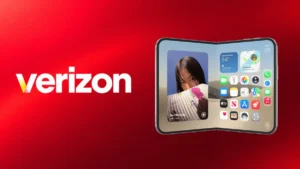
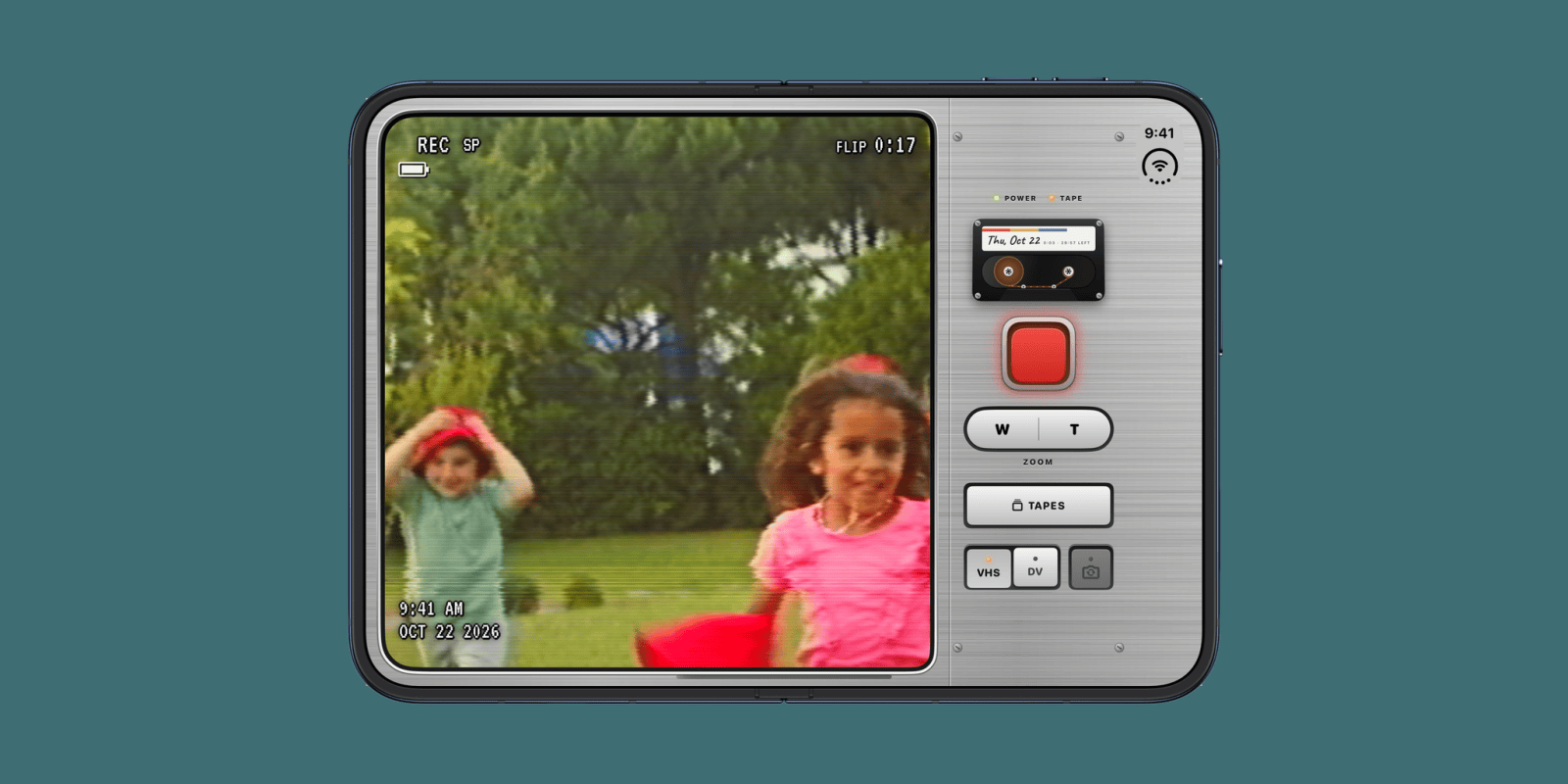
A significant factor in Flipcorder’s appeal is its specific optimization for the iPhone Duo. As the foldable device category continues to gain market share, developers are increasingly looking for ways to utilize the dual-screen interface beyond basic multitasking. Flipcorder utilizes the inner display of the iPhone Duo to provide a viewfinder that mimics the physical flip-out LCD screens of early 2000s camcorders.
By separating the control interface—the red record buttons, power switches, and tape-loading indicators—from the viewfinder, the application creates a tactile, immersive environment. For users of standard iPhone models, the app remains fully functional, though the experience is inherently more traditional. The decision to support iOS 26 as the minimum requirement is a deliberate technical choice, ensuring the app leverages the latest APIs for camera control and background processing, which are essential for maintaining the stability of the long-form tape recording system.
Market Implications and User Behavior
The launch of Flipcorder arrives at a time when consumer sentiment toward digital fatigue is at an all-time high. Market analysis from recent quarters suggests a growing segment of Gen Z and Millennial users are seeking "low-fidelity" alternatives to the overly curated aesthetic of the late 2010s. This shift is evidenced by the resurgence of point-and-shoot digital cameras and the sustained popularity of analog film.
From an industry perspective, Flipcorder represents a shift in the indie developer ecosystem. Rather than competing with the native Camera app by offering better stabilization or higher resolution, indie developers are finding success by offering "experience-based" software. By charging a one-time fee of $4.99 rather than relying on a subscription model, the developers are positioning the app as a digital utility or a "creative tool" rather than a service. This pricing strategy has been well-received by users increasingly frustrated with "subscription fatigue," where even simple utility apps require recurring monthly payments.

Fact-Based Analysis of the Retro Trend
The appeal of retro-tech often relies on a phenomenon known as "selective nostalgia," where the positive sensory experiences of an era are remembered while the technical frustrations are filtered out. Flipcorder manages this by simulating the visual output of magnetic tape while removing the actual physical maintenance required by such devices—such as head cleaning, tape tensioning, or the degradation of magnetic oxide over time.
However, there are implications for long-term storage. By aggregating footage onto a single "tape," the application creates a specific file management challenge. If the user loses or accidentally deletes the "tape" file, they lose 30 minutes of content simultaneously. While this creates a sense of stakes for the user, it also necessitates a shift in backup strategies. The developer has noted that while the aesthetic is analog, the underlying architecture remains digital, allowing users to export the final compilation for archival purposes. This bridge between the past and the present is what defines the app’s current market position.
Future Outlook and Developer Intent
While the application is currently limited to the iPhone, the potential for expansion remains. The developer has indicated that the current roadmap focuses on stability and refining the real-time processing of the VHS-style effects. Because the app does not rely on third-party tracking or advertising SDKs, the data footprint is minimal, which serves as a significant selling point in an era of heightened privacy awareness.
As Apple continues to iterate on the camera hardware within its flagship devices, the ability for software to "downgrade" that quality effectively becomes a new frontier in photography. Whether Flipcorder will influence future updates to the native iOS Camera app remains to be seen; historically, Apple has integrated features popularized by indie developers into the core OS. For now, however, Flipcorder stands as a standalone testament to the desire for curated, intentional, and aesthetically distinct mobile media.
The $4.99 price point and the commitment to a "no-ads, no-subscription" model suggest a developer philosophy centered on product longevity. As of the current release, the app is compatible with all devices running iOS 26, ensuring that the legacy of the camcorder era remains accessible to a wide audience of modern smartphone users who view their devices not just as communication tools, but as evolving creative canvases. In a digital world of infinite, perfect pixels, the intentional imperfection offered by Flipcorder provides a necessary counterbalance, reminding us that sometimes, the quality of a memory is not defined by its resolution, but by the story it tells.