Why Google Pixel Needs Its Own Ryzen Moment to Solve the Tensor Performance Gap

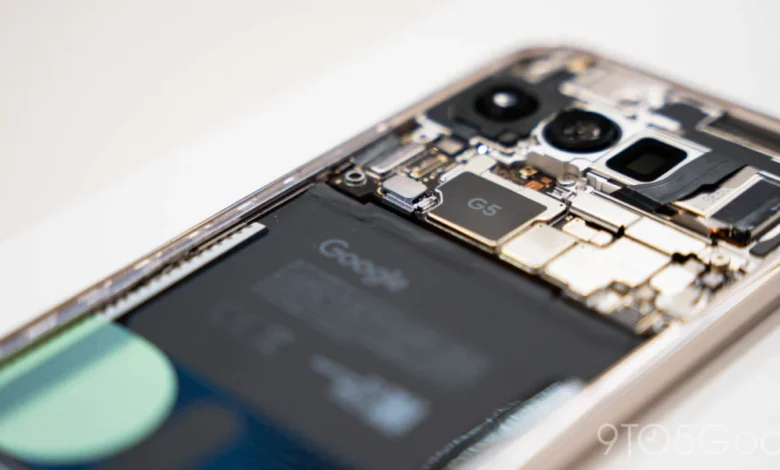
Google’s custom Tensor processor line has long been a defining element of the Pixel smartphone ecosystem, celebrated for powering deep machine learning tasks, unique computational photography, and fluid software experiences. However, the ongoing disparity in raw processing power between Google’s custom silicon and industry-leading chips from Qualcomm and Apple has intensified discussions regarding the long-term viability of the hardware. As consumers hold onto mobile devices for extended periods—often reaching up to five years or more—and as Google extends its hardware lifecycle promises to seven years of software updates, industry analysts and technology experts are increasingly arguing that Google requires a major architectural breakthrough akin to AMD’s historic "Ryzen moment."
![The Google Pixel is fine and all, but still needs a ‘Ryzen moment’ [Video]](https://9to5google.com/wp-content/uploads/sites/4/2025/08/pixel-10-repair-tensor-g5-1.jpg?quality=82&strip=all&w=1600)
To understand the weight of this technological parallel, one must look back at the history of desktop computing. For years, Advanced Micro Devices (AMD), widely known as Team Red, struggled behind Intel in desktop processor performance. The release of AMD’s Bulldozer architecture in the early 2010s proved to be a significant misstep, characterized by excessive thermal output, severe throttling under load, and high power consumption. Intel capitalized on this vulnerability, maintaining a near-monopoly on high-performance consumer processors for nearly a decade while facing minimal competitive pressure to innovate.
The turning point for AMD arrived in 2017 with the introduction of the Zen microarchitecture and the original Ryzen 1000 series desktop processors. By abandoning the flawed Bulldozer design and engineering a clean-slate architecture focused on multi-threaded efficiency and high performance per watt, AMD successfully challenged Intel’s dominance. This strategic pivot disrupted the desktop CPU market, forcing a once-complacent market leader to accelerate its own development cycles.
![The Google Pixel is fine and all, but still needs a ‘Ryzen moment’ [Video]](https://9to5google.com/wp-content/client-mu-plugins/9to5-core/includes/obfuscate-images/images/9to5google-default.jpg)
Within the mobile hardware community, observers note striking parallels between AMD’s historical struggles and the developmental trajectory of Google’s Tensor processors. Since the introduction of the original Tensor chip, Google’s hardware strategy has prioritized specialized machine learning workloads and generative AI integrations over raw hardware efficiency and sustained compute performance. While software optimization by Android engineers has consistently ensured that Pixel devices feel exceptionally fluid for everyday tasks like web browsing, messaging, and social media navigation, intensive workloads present a different reality. Under heavy loads, such as prolonged 4K video recording, high-end gaming, or demanding background processing, Tensor-powered devices have historically faced thermal limitations and performance throttling.
A significant factor in these early hardware limitations stemmed from Google’s initial reliance on Samsung Foundry for manufacturing. Early Tensor generations shared architectural lineages with Samsung’s Exynos chips, which faced persistent scrutiny regarding power efficiency and thermal management compared to TSMC-manufactured alternatives. The broader semiconductor industry experienced similar hurdles during this era; notably, Qualcomm briefly utilized Samsung’s 4nm node for the Snapdragon 8 Gen 1 before shifting production to TSMC for the subsequent Snapdragon 8+ Gen 1 chipset, yielding immediate improvements in power efficiency, thermal regulation, and sustained performance.
![The Google Pixel is fine and all, but still needs a ‘Ryzen moment’ [Video]](https://9to5google.com/wp-content/uploads/sites/4/2026/08/App-drawer-on-Pixel-11-Pro-XL-and-iPhone-17-Pro-Max.jpg?quality=82&strip=all&w=800)
Anticipation mounted across the technology sector when industry leaks indicated that Google would similarly transition its Tensor production to TSMC. With the launch of the Tensor G5 and the subsequent Tensor G6 powering the Pixel 11 lineup, Google officially entered its TSMC manufacturing era. While this transition successfully mitigated several legacy thermal issues and established a stable manufacturing foundation, it did not immediately deliver the monumental generational performance leaps that industry enthusiasts had anticipated. Instead, the year-over-year gains have remained incremental, leaving a measurable performance gap between Google’s custom silicon and the flagship processors fielded by Apple and Qualcomm.
The Implications for Longevity and the Seven-Year Update Promise
![The Google Pixel is fine and all, but still needs a ‘Ryzen moment’ [Video]](https://9to5google.com/wp-content/uploads/sites/4/2022/09/tensor-g2.jpeg?quality=82&strip=all&w=800)
The performance disparity between Google’s silicon and its primary competitors carries significant implications for the consumer market, particularly within the premium smartphone segment where devices frequently retail at or above the $1,000 threshold. While casual users navigating social media applications may notice little functional difference between competing processors, the compounding performance gap impacts advanced computational tasks and device longevity.
Google’s industry-leading commitment to provide seven years of operating system and security updates introduces a unique set of engineering challenges. Industry analysts note that a processor that performs adequately under current software conditions may struggle to maintain optimal responsiveness when handling heavier Android operating system iterations scheduled for release in the late 2020s and early 2030s. As hardware prices remain elevated and consumer upgrade cycles lengthen, ensuring sufficient thermal headroom and computational capacity to support a device through its entire support lifecycle has become a critical objective for original equipment manufacturers.
![The Google Pixel is fine and all, but still needs a ‘Ryzen moment’ [Video]](https://9to5google.com/wp-content/uploads/sites/4/2025/08/pixel-10-repair-tensor-g5-2.jpg?quality=82&strip=all&w=800)
Expanding the Ecosystem: From Mobile Silicon to Desktop Computing
The broader computing landscape illustrates how high-performance, efficient silicon can transcend traditional mobile form factors. Apple’s integration of smartphone-class processors, such as the A18 Pro, into fanless, entry-level laptop configurations running desktop-grade operating systems demonstrates the versatility of modern advanced node architectures. These systems execute demanding desktop workflows without requiring compromises in user experience or active cooling solutions.
![The Google Pixel is fine and all, but still needs a ‘Ryzen moment’ [Video]](https://9to5google.com/wp-content/uploads/sites/4/2026/04/macbook-neo-citrus-0002.webp)
Google has similarly laid extensive groundwork within Android to support advanced desktop windowing capabilities, signaling an ambition to allow mobile devices to function as desktop workstations when connected to external monitors. The realization of a unified ecosystem encompassing smartphones, tablets, and potential productivity devices powered entirely by first-party silicon requires processors equipped with the raw architectural grunt to handle desktop-class tasks without excessive thermal output. Without a generational performance breakthrough, the expansion of Android into a comprehensive productivity system remains constrained by hardware limitations.
Looking Toward Future Iterations
![The Google Pixel is fine and all, but still needs a ‘Ryzen moment’ [Video]](https://9to5google.com/wp-content/uploads/sites/4/2026/08/Tensor-G6.jpg?quality=82&strip=all)
Just as AMD’s initial Ryzen processors required consecutive generational refinements—moving from Zen to Zen 2 and Zen 3—to achieve undeniable market leadership, Google’s transition to advanced foundry nodes represents a foundational step rather than an immediate resolution. The establishment of a thermally stable baseline provides Google’s engineering teams with the necessary platform to iterate more aggressively in future silicon generations.
As the competitive pressure from Qualcomm and Apple continues to mount, industry stakeholders anticipate that Google will eventually need to pivot toward delivering unthrottled, top-tier performance alongside its software and artificial intelligence initiatives. Whether upcoming iterations of the Tensor architecture will deliver the decisive performance leap required to close the gap remains a central question for the future of the Pixel hardware ecosystem. For now, the foundational blueprints are established, leaving the industry watching to see when Google will execute its own definitive Ryzen moment.