Unpacked is done, but the Samsung Galaxy Card is here with a bunch of cash rewards


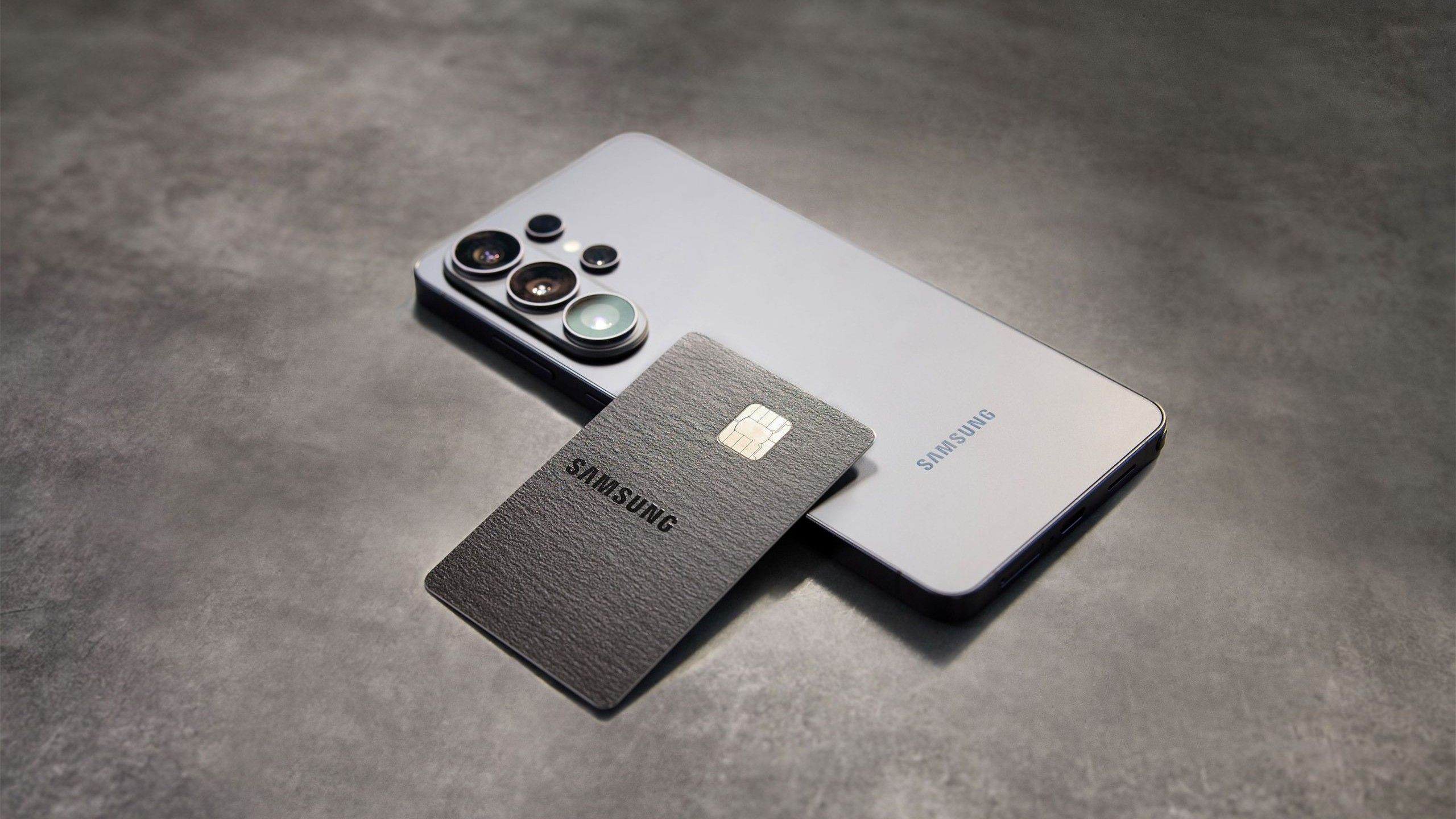
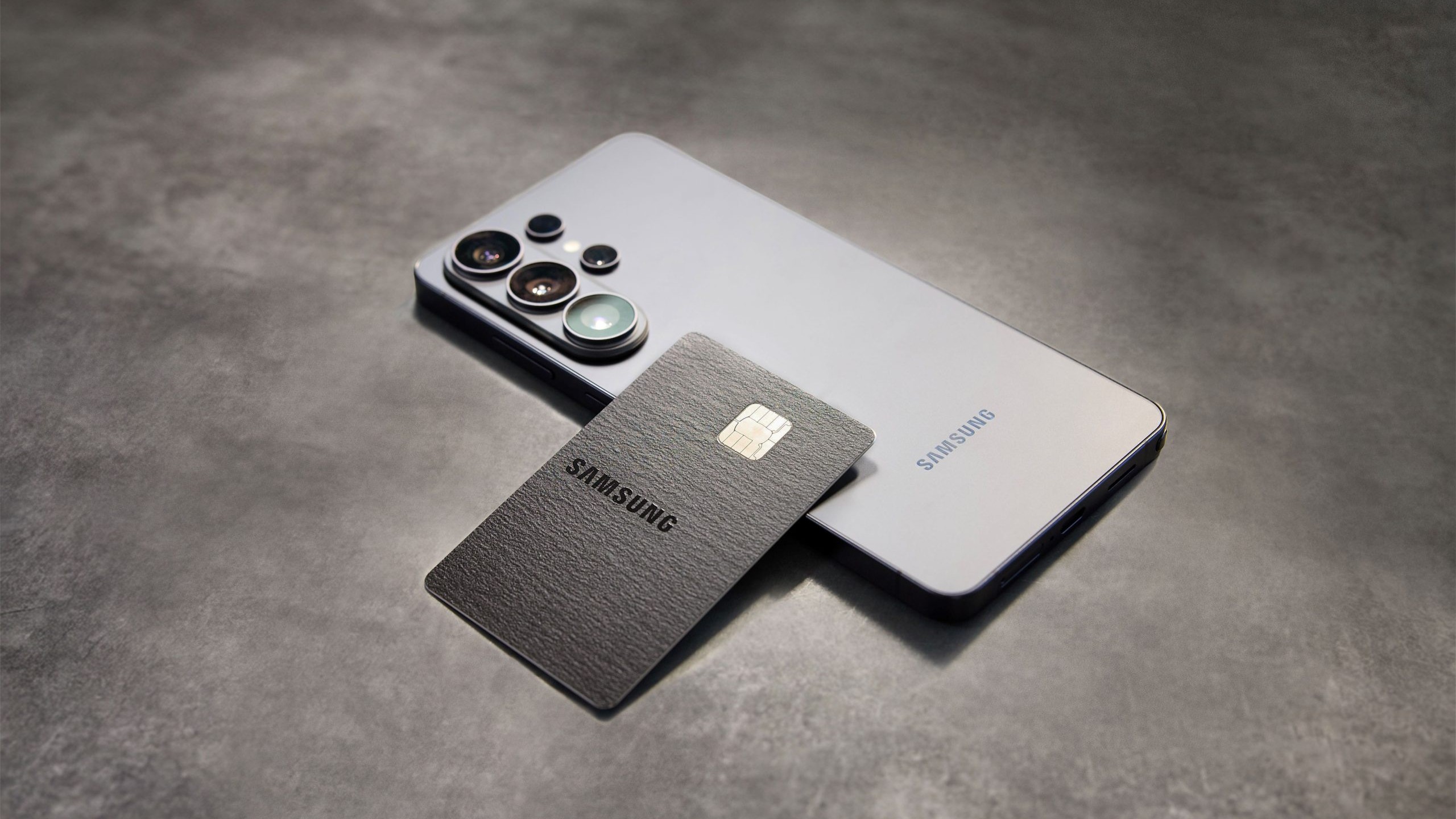
The announcement came alongside the debut of Samsung’s latest flagship hardware, including the next generation of foldable smartphones and advanced wearables. By timing the release of the Galaxy Card with these high-ticket item launches, Samsung is positioning the card as the primary vehicle for consumer purchases within its ecosystem. The card is available in two distinct formats: a digital-first version that integrates instantly into the Samsung Wallet and a physical, premium black metal card designed for durability and a minimalist aesthetic.
A Strategic Financial Partnership with Barclays and Visa
The foundation of the Galaxy Card lies in its partnership with Barclays U.S. Consumer Bank. Barclays, a veteran in the co-branded credit card space, provides the institutional banking infrastructure necessary to manage credit lines, underwriting, and regulatory compliance. By leveraging the Visa network, Samsung ensures that Galaxy Card holders have near-universal acceptance at millions of merchants worldwide, both in-store and online.
According to statements from the launch event, this collaboration is intended to provide "innovative payment options" that go beyond traditional banking. For Samsung, the partnership allows them to offer sophisticated financial tools without the burden of becoming a regulated bank themselves. For Barclays, the deal provides access to Samsung’s massive and loyal user base in the United States, particularly the tech-savvy demographic that favors premium Android devices.
The integration with Samsung Wallet is a core feature of the product. Upon approval, users can immediately access their credit line through their Galaxy smartphones, enabling contactless payments via NFC (Near Field Communication) before the physical metal card even arrives in the mail. This "instant-access" model is becoming a standard in the fintech industry, aimed at reducing the friction between application and first purchase.
Comprehensive Rewards Structure and the Samsung VIP Advantage
The Galaxy Card distinguishes itself through a rewards program heavily weighted toward the Samsung ecosystem, though it offers broader utility for everyday spending. At the forefront of the value proposition is a $0 annual fee, a strategic choice to lower the barrier to entry for younger consumers and those wary of the high costs associated with premium metal cards.
The primary incentive for the Galaxy Card is the 5% cash rewards on eligible purchases made directly through Samsung’s official channels, including Samsung.com and the Shop Samsung app. This high percentage is clearly designed to capture the "early adopter" market—consumers who regularly upgrade to the latest Galaxy S-series phones, Z-series foldables, or Tab-series tablets.
Furthermore, the card serves as a gateway to the Samsung VIP Advantage program. Cardholders are eligible for a 20% discount on the Samsung VIP Advantage membership, a subscription service that offers extended warranties, expedited repairs, and exclusive member-only pricing. Additionally, users earn 5% cash rewards on the purchase or renewal of this membership, creating a recursive loop of savings for brand loyalists.
While the specific tiers for external spending categories such as gas, groceries, and dining follow industry-standard competitive rates, the integration of streaming services and platforms like Spotify as bonus categories suggests Samsung is targeting a lifestyle-oriented consumer. These rewards are tracked in real-time within the Samsung Wallet app, allowing users to see their "cash back" balance grow with every transaction.
Context and Chronology: The Road to the Galaxy Card
The launch of the Galaxy Card on July 22 was the culmination of nearly a year of industry speculation and strategic planning. The first credible reports of Samsung’s interest in a U.S. credit card surfaced in late 2023, following the success of similar ventures by competitors in the consumer tech space.
In November 2023, financial analysts noted that Samsung had begun formal discussions with Barclays to develop a "Samsung Card" specifically for the North American market. These early reports suggested that the company was looking for ways to increase "stickiness" within its ecosystem—a term used to describe the difficulty a consumer has when trying to switch to a different brand once they are deeply integrated into a specific set of services.
Historically, Samsung has experimented with financial services through Samsung Pay (now Samsung Wallet) and various "Buy Now, Pay Later" (BNPL) integrations. However, the Galaxy Card represents a more permanent and traditional credit instrument. The transition from a simple digital wallet to a full-fledged credit card issuer (via Barclays) mirrors the evolution of the mobile industry, where hardware margins are increasingly supplemented by service-based revenue.
The Competitive Landscape: Samsung vs. Apple Card
The most direct comparison for the Galaxy Card is the Apple Card, launched in 2019 in partnership with Goldman Sachs. For years, Apple held a distinct advantage in the U.S. market by offering a titanium card and a deeply integrated financial interface. With the Galaxy Card, Samsung is directly challenging this dominance.
The choice of a black metal card is a deliberate design move to compete with the premium feel of the Apple Card. However, Samsung is banking on its wider array of hardware—ranging from televisions and refrigerators to smartwatches and laptops—to provide more opportunities for users to earn that 5% cash-back reward. Unlike Apple, which is strictly a consumer electronics company, Samsung’s presence in the "smart home" and appliance sectors gives the Galaxy Card a broader surface area for high-value transactions.
Industry analysts suggest that the Galaxy Card may also benefit from the current volatility in the Apple-Goldman Sachs partnership. By launching with Barclays, a bank with a long history of stable co-branded partnerships, Samsung may be positioning itself as a more reliable long-term financial partner for tech-focused consumers.
Technological Integration and Security Features
Security is a paramount concern for any financial product integrated into a mobile device. The Galaxy Card utilizes Samsung Knox, the company’s defense-grade security platform, to protect transaction data and personal information. By using tokenization for mobile payments, the actual card number is never shared with merchants during a transaction, significantly reducing the risk of fraud.
The Samsung Wallet app serves as the command center for the Galaxy Card. Within the app, users can manage their spending, pay their bills, and freeze their card if it is lost or stolen. The app also provides detailed spending insights, categorizing purchases to help users manage their budgets. For the physical card, Samsung has opted for a minimalist design that excludes the long card number and CVV from the surface, a security feature that is becoming increasingly popular in the premium card segment.
Broader Market Implications and Future Outlook
The introduction of the Galaxy Card is likely to have ripple effects across both the tech and banking industries. For the banking sector, it signals that tech giants are no longer content with just being the "digital pipe" through which money flows; they want a share of the interest and interchange fees associated with credit.
For the consumer electronics market, this move reinforces the trend of "ecosystem lock-in." When a consumer has their credit line, their phone, their watch, and their home appliances all tied to a single brand’s financial rewards program, the cost of switching to a competitor becomes significantly higher.
As applications opened on July 22, the immediate focus for Samsung will be the conversion rate of its existing "Galaxy Power Users." If the company can successfully migrate a significant portion of its user base to the Galaxy Card, it will create a new, recurring revenue stream that is independent of hardware release cycles.
Looking ahead, there is potential for Samsung to expand the Galaxy Card’s features to include integration with Samsung Health (offering rewards for fitness milestones) or SmartThings (offering discounts on energy-efficient smart home setups). For now, the Galaxy Card stands as a bold statement of intent: Samsung is no longer just a hardware company; it is a central player in the digital and financial lives of its users. Through the combination of a $0 annual fee, high-tier rewards for ecosystem purchases, and a premium physical design, the Galaxy Card is poised to become a staple in the wallets of Android enthusiasts across the United States.