Ransom Canyon Season 2: A Deep Dive into Netflix’s Evolving Western Soap Opera Hybrid.

Netflix is set to release the highly anticipated second season of Ransom Canyon on July 23, with all eight episodes dropping simultaneously. The series, a distinctive hybrid of Western drama and traditional soap opera, has garnered attention for its unique approach to the increasingly popular Western genre, distinguishing itself through its primary focus on romantic entanglements and character-driven drama rather than the gritty realism often associated with contemporary Westerns. This new season promises to further solidify the show’s identity within Netflix’s diverse content library, particularly as it enters a competitive streaming landscape alongside other high-profile Western productions.
The Genre Hybrid: Defining Ransom Canyon‘s Identity
At its core, Ransom Canyon positions itself as a "cozy drama," a subgenre that Netflix has cultivated with considerable success through titles like Virgin River. This designation implies a focus on character relationships, emotional arcs, and community dynamics, often set against a picturesque backdrop, offering viewers a form of escapism. While elements of the Western genre—such as ranch life, land disputes, and a rural Texas setting—are present, they serve primarily as a thematic backdrop for the unfolding romantic and familial sagas.
The show’s creators appear to have consciously embraced this hybrid model, steering clear of the ambition to redefine television or tackle profound societal issues. Instead, Ransom Canyon season 2 leans into its established strengths: predictable yet satisfying dramatic tension, relatable (if sometimes stereotypical) character archetypes, and narrative arcs that prioritize emotional resolution. This strategic positioning allows the series to cater to an audience seeking comfort viewing and an engaging, albeit undemanding, narrative experience. The initial success of season 1 laid the groundwork for this approach, with the second season building upon a clearer understanding of its own identity and target demographic.
Release Context: Competing in a Crowded Western Landscape
The timing of Ransom Canyon season 2’s release places it in direct, albeit perhaps unintentional, competition with other major players in the Western genre. Notably, its debut comes just weeks after the highly acclaimed Dutton Ranch, a spin-off from the massively popular Yellowstone universe, premiered on Paramount+. This proximity invites critical comparison, highlighting the distinct stylistic and thematic choices made by each production.
Dutton Ranch, deeply rooted in the gritty, expansive storytelling championed by creator Taylor Sheridan, exemplifies the traditional Western drama, replete with complex land politics, intergenerational conflict, and often brutal portrayals of life on the frontier. Its narrative prioritizes plot-driven action, moral ambiguity, and a deep exploration of the challenges inherent in preserving a ranching legacy.
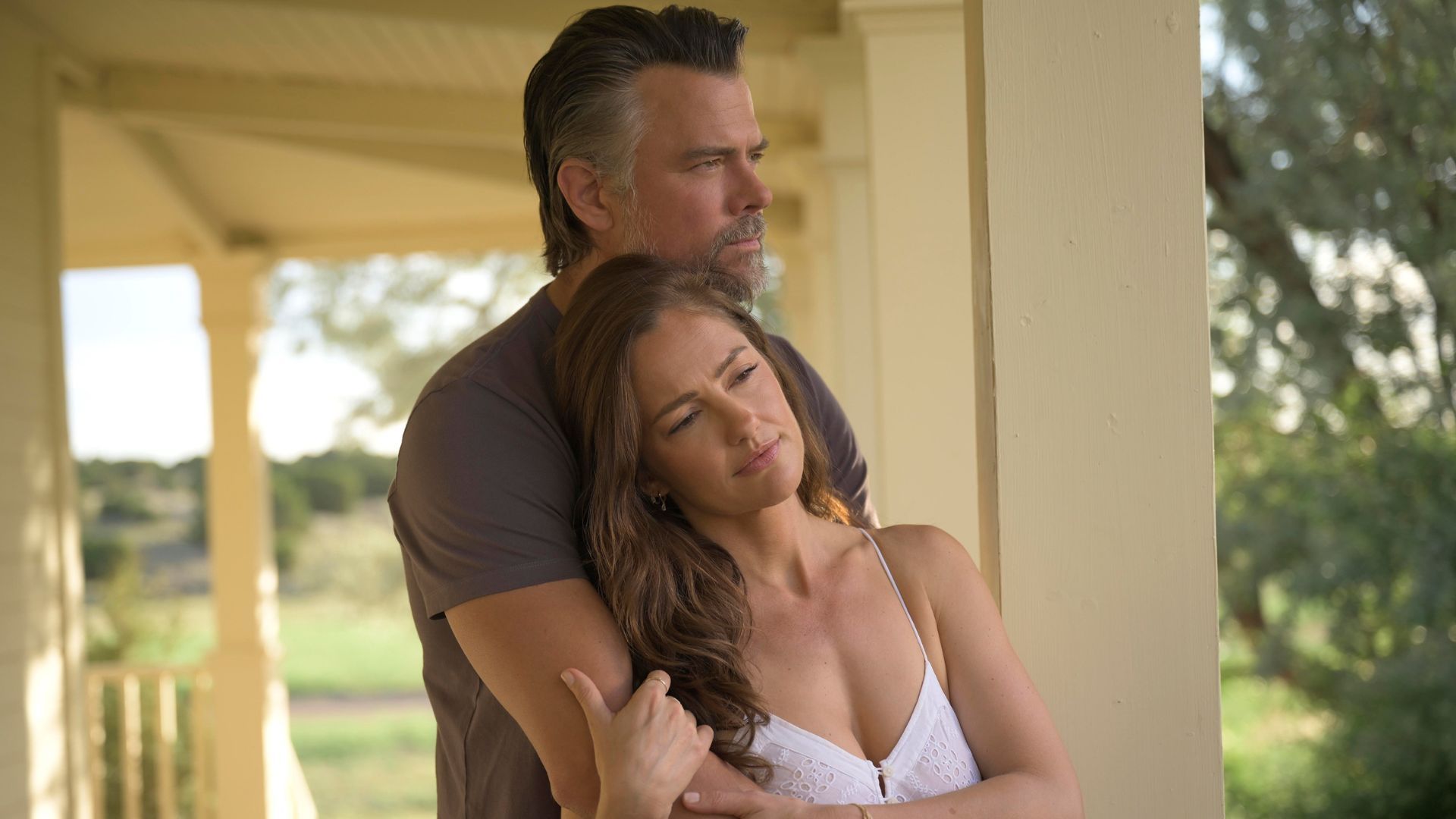
In contrast, Ransom Canyon season 2, featuring Josh Duhamel as Double K ranch owner Staten and Minka Kelly as local bar owner Quinn, significantly de-emphasizes the "cowboy drama" elements. While a land feud between the Double K ranch and the neighboring Fuller ranch, now owned by the enigmatic Yancy (Jack Schumacher), is superficially presented as a central conflict in promotional materials, its actual narrative impact in the season’s eight episodes is reportedly minimal. The true driving force behind the season’s plot remains the intricate romantic entanglements and personal dramas of the characters. This fundamental difference in narrative priority means that while both shows occupy the "Western" umbrella, their appeal and target audiences are likely to diverge considerably, with Ransom Canyon attracting viewers drawn to relationship-centric storytelling rather than epic frontier sagas.
Character Dynamics and Narrative Progression in Season 2
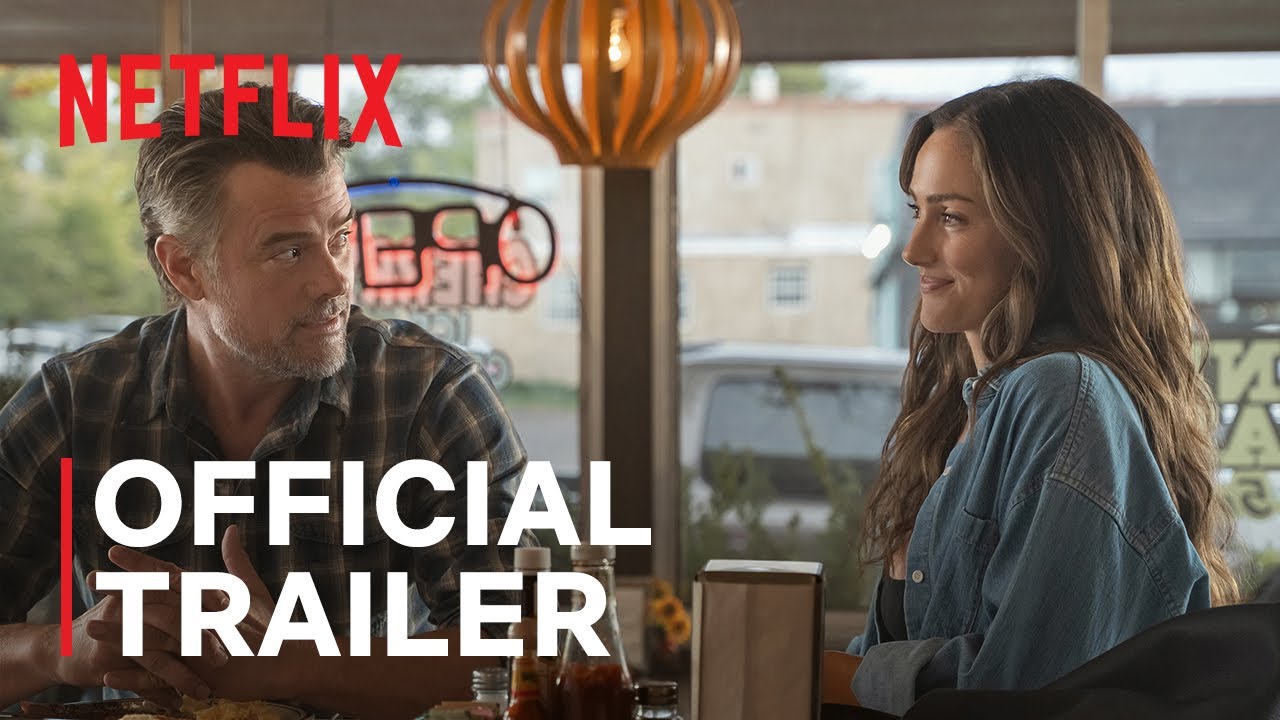
Season 2 of Ransom Canyon continues to build on the established relationships and introduces new dynamics that enrich the series’ soap opera framework. The central will-they-won’t-they dynamic between Staten and Quinn remains a pivotal storyline, serving as an emotional anchor for the audience. This kind of protracted romantic tension is a hallmark of the soap opera genre, providing consistent engagement and a satisfying, if often predictable, emotional payoff.
A notable strength of the second season is its effective utilization of the ensemble cast. No supporting character feels superfluous; each plays a meaningful role in the intricate web of relationships that define Ransom Canyon. This ensures that the narrative maintains a high level of "narrative sustenance," offering viewers a continuous flow of interconnected storylines. Dramatic breakups and reconciliations are strategically deployed, maintaining a consistent rhythm of emotional highs and lows that keeps the audience invested. The ultimate comfort for viewers of this genre lies in the often-foregone conclusion: despite the chaos, things tend to resolve in a way that aligns with audience expectations, providing a sense of stability often absent in more unpredictable dramas.
The Impact of New Cast Members: Patricia Clarkson’s Arrival
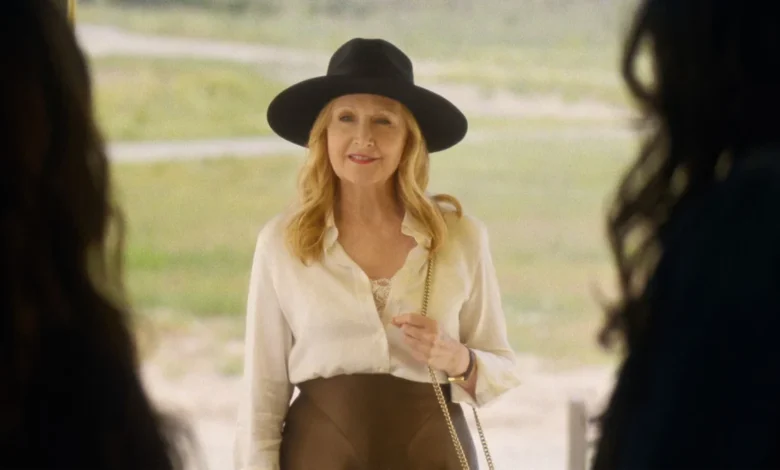
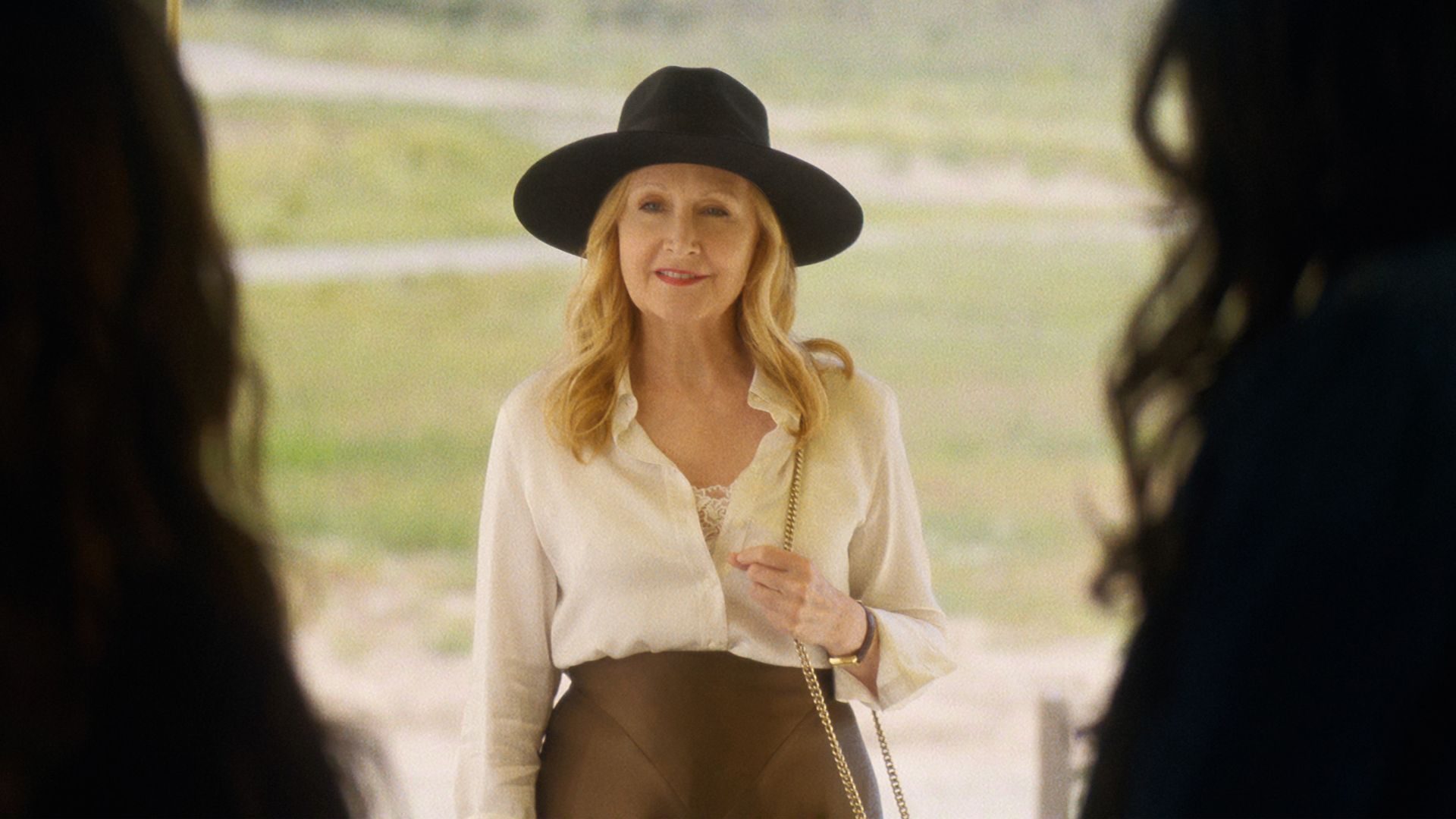
A significant addition to the cast in season 2 is Patricia Clarkson, who joins as Claire, Quinn’s mother. Clarkson, an acclaimed actress known for her versatile performances across film and television, brings a considerable level of gravitas and talent to the series. Her presence as a "firecracker mother" character is particularly impactful, adding a layer of sophisticated performance to the show’s ensemble.
Industry analysts suggest that the casting of an actress of Clarkson’s caliber indicates Netflix’s commitment to elevating the production quality of its "cozy drama" offerings. Her inclusion not only enhances the show’s acting ensemble but also potentially broadens its appeal, drawing in viewers who might not typically gravitate towards a Western-themed soap opera but are fans of Clarkson’s work. Her character is reportedly well-integrated into the existing dynamics, contributing to the emotional depth and dramatic flair of the season without overshadowing the core romantic narratives. This strategic casting move underscores the show’s ambition to be a high-quality production within its chosen niche, leveraging established talent to enhance its narrative appeal.
Netflix’s Strategy: Investing in "Comfort TV"
Ransom Canyon‘s success and the investment in its second season align with Netflix’s broader strategy of cultivating a diverse content library that includes "comfort TV." This category of programming, characterized by its reliable narrative structures, strong emotional core, and often idyllic settings, has proven highly popular with a significant segment of the streaming audience. Shows like Virgin River, Sweet Magnolias, and now Ransom Canyon provide a valuable counterpoint to Netflix’s more ambitious, high-budget, and often darker prestige dramas.
These comfort dramas offer viewers a sense of familiarity and emotional security, providing an escape from the complexities of daily life. The appeal lies in their ability to deliver consistent emotional engagement without requiring intense intellectual or emotional investment. By focusing on romance, community, and personal growth, Ransom Canyon taps into this demand, offering a reliable source of entertainment that resonates with a dedicated fanbase. This strategy allows Netflix to cater to a wide range of tastes, ensuring that its platform remains attractive to diverse demographics.
Analysis of Implications: The Future of the Western Soap Opera
The trajectory of Ransom Canyon offers valuable insights into the evolving landscape of television genres. While traditional Westerns continue to thrive with shows like Yellowstone and its spin-offs, Ransom Canyon demonstrates the viability of a subgenre that blends Western aesthetics with the narrative conventions of a soap opera. This hybrid approach suggests a growing appetite among audiences for genre mash-ups that offer familiar elements in new configurations.

The show’s performance will likely inform future commissioning decisions at Netflix and other streaming platforms regarding similar genre experiments. If Ransom Canyon can carve out a distinct and loyal audience, it may pave the way for more "Western-lite" dramas that prioritize character relationships and emotional journeys over rugged frontier narratives. This could lead to a diversification of the Western genre itself, moving beyond its traditional boundaries to encompass a wider array of storytelling styles and thematic focuses.
Furthermore, the comparison with Dutton Ranch highlights a crucial distinction in audience expectations. Viewers approaching Ransom Canyon with the expectation of a hard-hitting, action-oriented Western might find its emphasis on romance underwhelming. However, those who appreciate its soap opera sensibilities and focus on emotional drama will likely find it a "delicious" and deeply satisfying viewing experience. The key to its success lies in managing these expectations and clearly communicating its genre identity to potential viewers.
In conclusion, Ransom Canyon season 2 is poised to deliver more of what its established fanbase expects: a compelling, character-driven soap opera set against a Western backdrop. While its "cowboy drama" elements may not rival the intensity of its contemporaries, its strength lies in its unwavering commitment to romantic and familial narratives, bolstered by a strong ensemble cast and the notable addition of Patricia Clarkson. For viewers seeking engaging, escapist drama with a comforting familiarity, the second season of Ransom Canyon promises to be a welcome return to its picturesque, drama-filled world.