Samsung Extends Software Support for Galaxy Watch 9 and Galaxy Watch Ultra 2 to Five Years of Major Wear OS Updates

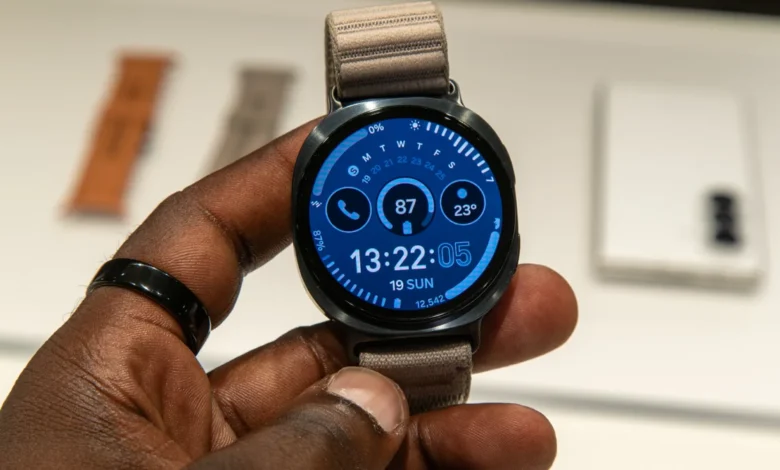
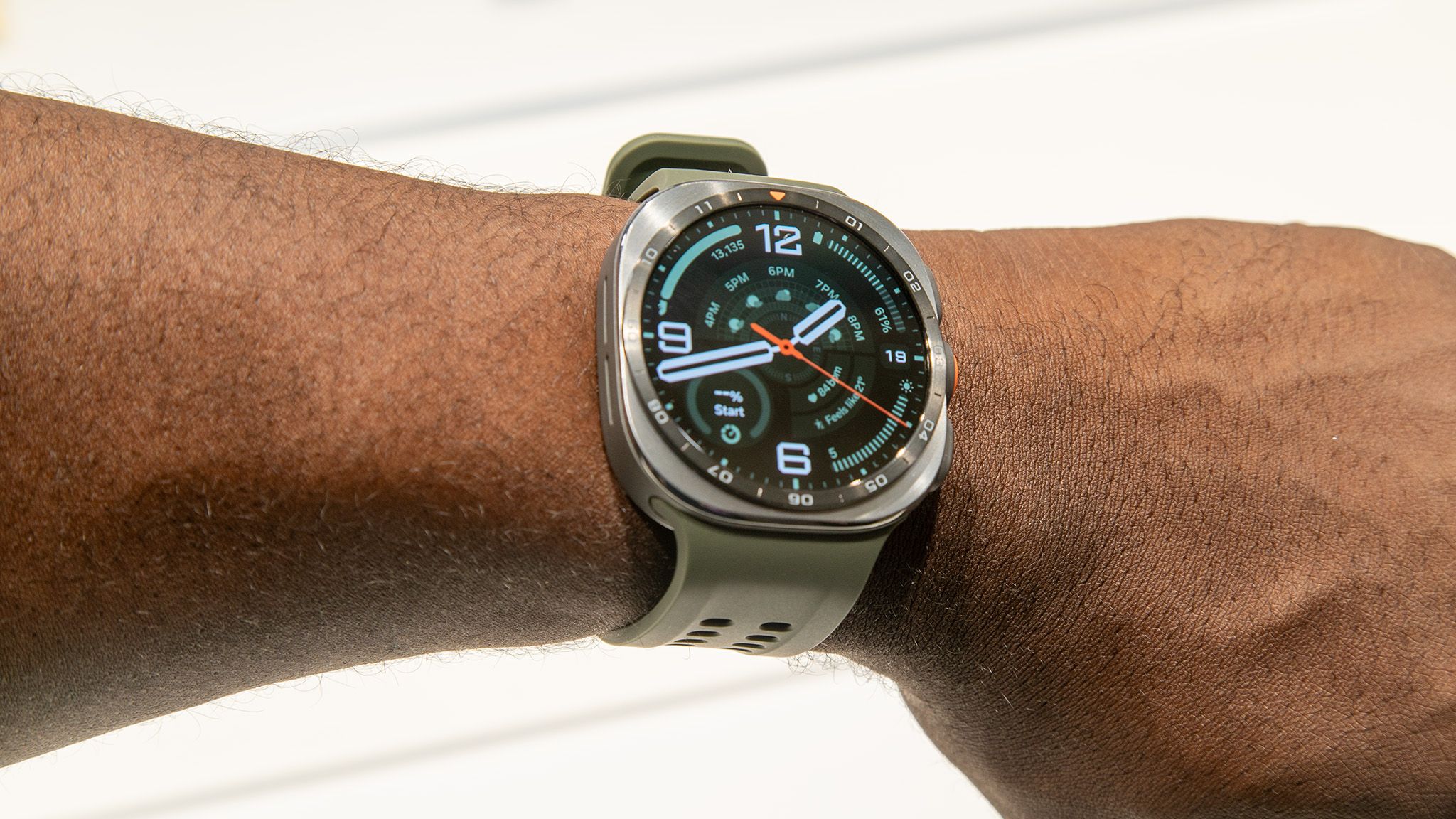
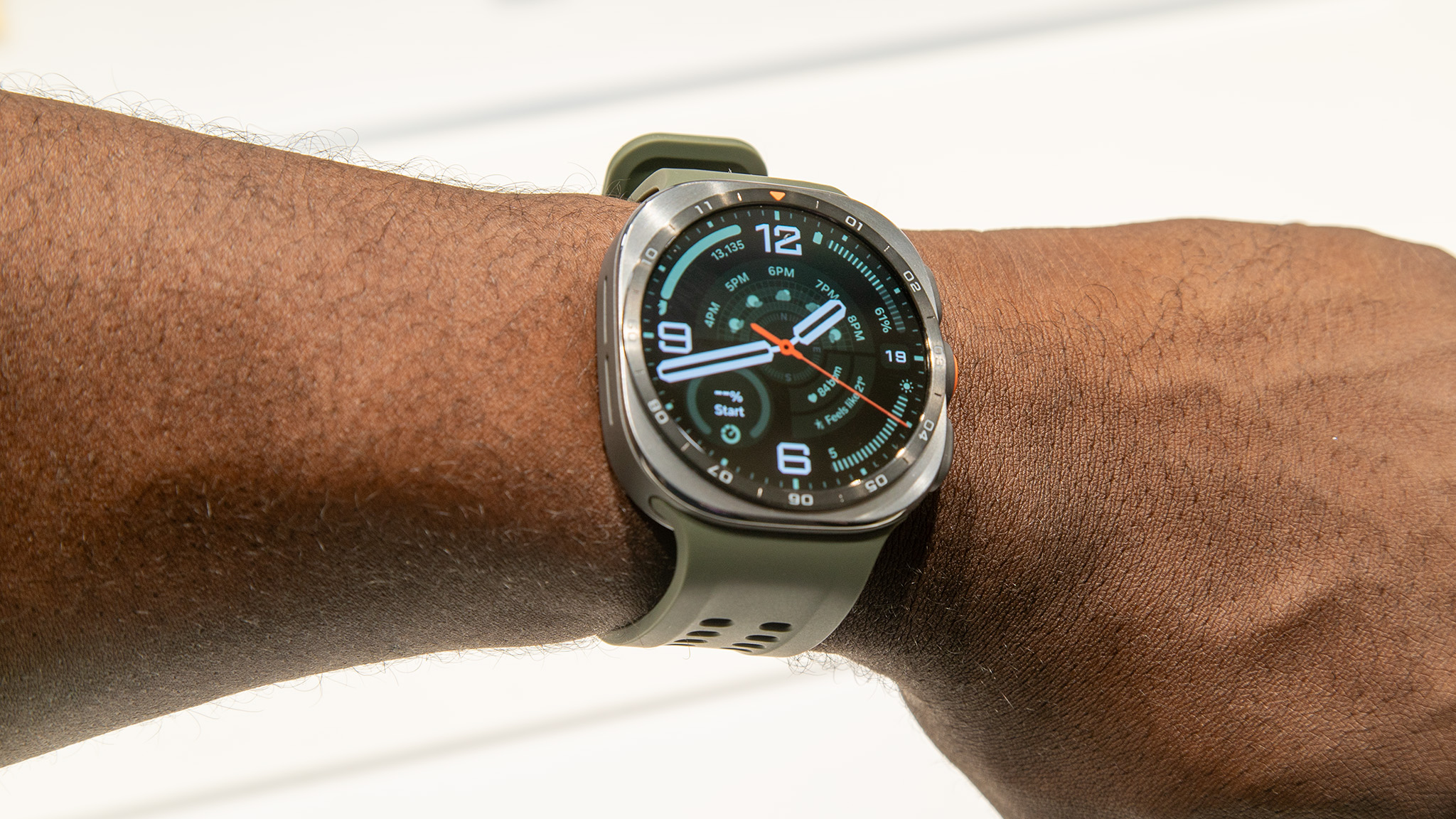
Samsung Electronics has officially shifted the landscape of the wearable industry by announcing an unprecedented extension to its software support policy for the newly unveiled Galaxy Watch 9 and Galaxy Watch Ultra 2. During the recent Galaxy Unpacked event held in London on July 22, the South Korean tech giant confirmed that its latest flagship wearables will now receive five years of major Wear OS upgrades alongside five years of consistent security patches. This move marks a significant departure from previous industry standards and reinforces Samsung’s commitment to product longevity and consumer value in an increasingly competitive smartwatch market.
The announcement came as part of a broader showcase that featured the debut of the Galaxy Z Fold 8 series, which traditionally commands the lion’s share of media attention. However, for enthusiasts and long-term users, the revised update policy for the Galaxy Watch lineup represents one of the most impactful revelations of the keynote. By moving from a four-year major upgrade cycle to a five-year cycle, Samsung is effectively ensuring that a watch purchased in 2024 will remain technologically relevant and feature-complete until at least 2031.
The Evolution of Wearable Software Longevity
Samsung has long been regarded as a leader in the Android ecosystem regarding software maintenance. Prior to this announcement, the company’s policy for the Galaxy Watch 4 through the Galaxy Watch 8 involved four years of One UI Watch and Wear OS updates. Even that previous policy placed Samsung ahead of many competitors, including Google, which currently guarantees only three years of software updates for its Pixel Watch series.
The new five-year commitment for the Galaxy Watch 9 and Galaxy Watch Ultra 2 sets a new benchmark for the industry. Both devices are slated to ship with One UI 9, which is built upon the foundation of Wear OS 7. Under the new five-year roadmap, these devices are projected to receive annual updates that will eventually culminate in Wear OS 12. This level of support mirrors the longevity typically associated with high-end smartphones and represents a growing recognition that consumers are holding onto their wearable devices for longer periods than in previous product cycles.
Hardware Synergy: The Role of the Snapdragon Wear Elite
A pivotal factor enabling this extended software lifecycle is the hardware powering the new generation of watches. Both the Galaxy Watch 9 and the Galaxy Watch Ultra 2 are equipped with the new Snapdragon Wear Elite chipset. Built on a cutting-edge 3nm process, this processor is a generational leap over the 5nm and 4nm chips found in earlier models.
According to technical specifications released during the event, the Snapdragon Wear Elite delivers a 32% increase in performance compared to its predecessor. More importantly, the 3nm architecture provides significantly improved power efficiency. This efficiency is crucial for software longevity; as operating systems become more complex and resource-intensive over the years, older hardware often struggles to maintain a smooth user experience. By starting with a highly efficient and powerful 3nm foundation, Samsung and Qualcomm are providing the "headroom" necessary for the Galaxy Watch 9 and Ultra 2 to handle the demands of Wear OS 11 and 12 in the years to come.
Chronology of the Galaxy Watch Support Strategy
To understand the impact of this change, one must look at the timeline of Samsung’s wearable software evolution. The transition from the proprietary Tizen OS to the unified Wear OS platform with the Galaxy Watch 4 was the first major step in Samsung’s modern wearable era.
- 2021 (Galaxy Watch 4): Samsung moved to Wear OS, promising four years of updates.
- 2022-2023: Iterative updates continued the four-year promise, establishing Samsung as the most reliable Android wearable OEM.
- July 22, 2024: At the London Galaxy Unpacked, Samsung officially broke the four-year ceiling, announcing the five-year major upgrade path for the Watch 9 and Ultra 2.
- August 7, 2024: The official retail launch date for the new devices, marking the beginning of the five-year countdown for the first wave of consumers.
This chronology demonstrates a steady upward trajectory in support, likely aimed at matching or exceeding the support cycles offered by Apple for the Apple Watch, which has historically been the gold standard for wearable longevity.
Comparative Analysis: Samsung vs. The Competition
Samsung’s decision to offer five major OS updates places significant pressure on other players in the market. Google, despite being the developer of Wear OS, has faced criticism for its three-year support window on the Pixel Watch. Critics argue that a premium timepiece, even a digital one, should not be rendered obsolete by software within 36 months of purchase.
In the premium segment, the Galaxy Watch Ultra 2—priced at $700—is positioned as a direct competitor to the Apple Watch Ultra. Apple does not always provide a hard number for years of updates, but historically, Apple Watches have received between five and six years of watchOS versions. By formalizing a five-year commitment, Samsung is providing the "peace of mind" that professional and outdoor-oriented users demand when investing nearly a thousand dollars in a specialized tool.
For the standard Galaxy Watch 9, which starts at $380, the five-year policy offers a superior "cost-per-year" value proposition compared to mid-range offerings from Garmin or Fitbit, where software updates are often more focused on bug fixes than major platform feature additions.
Impact on Sustainability and Resale Value
Beyond the technical benefits, the extension of software support has profound implications for environmental sustainability and the secondary market. Electronic waste is a growing concern, and one of the primary drivers of device disposal is "software obsolescence"—the point at which a device becomes insecure or incompatible with modern apps despite the hardware still functioning.
By extending the functional life of the Galaxy Watch 9 and Ultra 2 to five years, Samsung is encouraging a longer ownership cycle. This also bolsters the resale value of the devices. A two-year-old Galaxy Watch 9 will still have three major OS updates remaining, making it a much more attractive purchase on the used market than a device nearing the end of its life. This creates a healthier ecosystem for trade-ins and second-hand ownership.
Official Positioning and Industry Reactions
While Samsung executives did not dwell extensively on the update policy during the high-energy keynote—focusing instead on the new BioActive Sensor and AI-driven health insights—the company’s official documentation and subsequent briefings with analysts confirmed the shift.
Industry analysts suggest that this move is part of a broader "ecosystem lock-in" strategy. By providing long-term support, Samsung reduces the "churn" of users moving to other brands. If a user knows their watch will be updated until 2031, they are more likely to stay within the Galaxy ecosystem when they eventually upgrade their smartphone.
Market analysts from firms like Canalys and IDC have noted that "long-term software viability" is becoming a top-five purchase driver for premium wearables. Samsung’s alignment with this consumer sentiment is expected to bolster its market share in the high-end Android wearable segment throughout the latter half of 2024.
Future Implications: What Five Years of Updates Look Like
As the Galaxy Watch 9 and Ultra 2 progress through their lifecycle, users can expect more than just interface tweaks. The integration of "Galaxy AI" is expected to be a recurring theme in future Wear OS versions. With five years of updates, these watches will likely receive future iterations of Samsung’s health algorithms, improved gesture controls, and deeper integration with smart home protocols like Matter.
The move to Wear OS 7 (One UI 9) out of the box is just the beginning. As Google continues to refine the Wear OS platform to be more power-efficient and capable of complex background tasks, Galaxy Watch 9 owners will be at the forefront of these innovations.
Pricing, Availability, and Final Thoughts
The Samsung Galaxy Watch 9 is set to retail starting at $380 in the United States, offering a sleek, traditional design with significantly improved battery life. The Galaxy Watch Ultra 2, designed for extreme durability and outdoor performance, enters the market at $700. Both models are scheduled to hit store shelves and arrive at customers’ doorsteps starting August 7.
In conclusion, Samsung’s decision to offer five years of major software updates is more than just a marketing bullet point; it is a fundamental shift in how smartwatches are valued. By ensuring that the Galaxy Watch 9 and Galaxy Watch Ultra 2 remain current through the turn of the decade, Samsung has not only challenged its competitors to do better but has also provided consumers with a compelling reason to choose the Galaxy ecosystem for their next wearable investment. The combination of 3nm processing power and a half-decade of software support effectively bridges the gap between disposable tech and a long-term companion.