Apple has officially broken its silence on the foldable smartphone market with the debut of the iPhone Duo, marking the company’s most significant hardware pivot in recent years. Revealed as the "one last thing" during today’s product keynote, the device signals Apple’s formal entry into a segment that has been dominated by Android competitors for over half a decade. The launch, however, was accompanied by a wave of digital mockery from industry rivals and corporate social media accounts, highlighting the complex competitive landscape Apple now enters as a newcomer to the folding form factor.
The Technical Specifications of the iPhone Duo
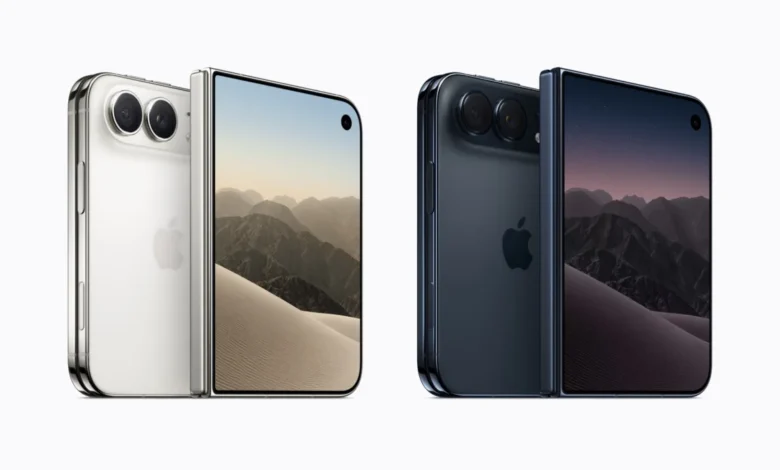
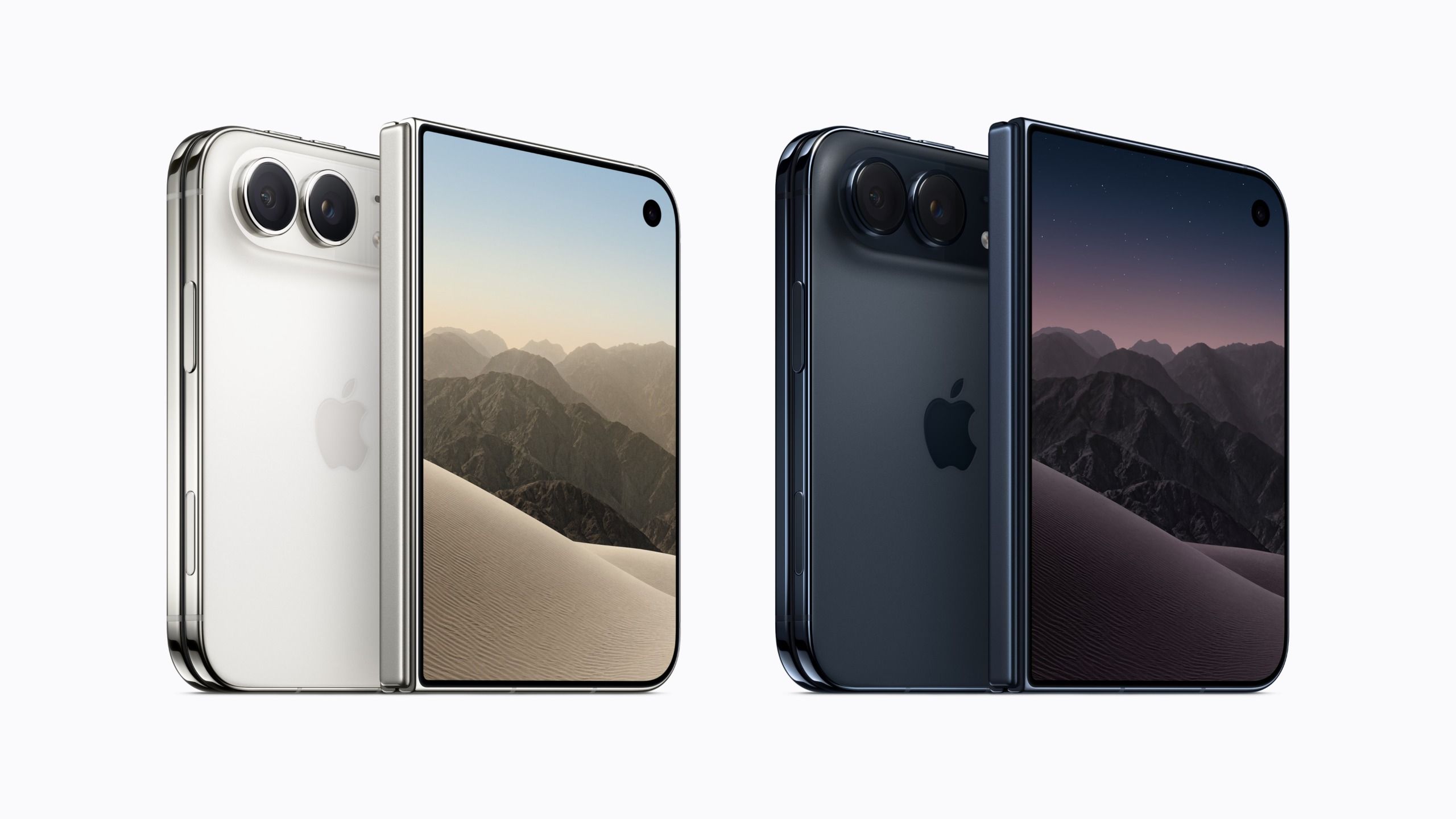
The iPhone Duo arrives with a hardware configuration designed to compete directly with existing flagship foldables. The device features a 7.6-inch internal foldable display, complemented by a 5.4-inch external cover screen. In its unfolded state, the device maintains a slim profile of 5.3mm. However, initial weight specifications place the unit at 254g, making it notably heavier than current market leaders, including the Samsung Galaxy Z Fold 8, which sits at approximately 201g. This weight discrepancy suggests that Apple’s focus on build quality and hinge structural integrity may have added mass compared to the refined, lightweight materials used by competitors.
To accommodate the shift in form factor, Apple has implemented significant modifications to its operating system. The interface now features a vertical navigation array consistently positioned on the right side of the screen, designed to facilitate thumb reach when the device is held in a "book-like" orientation. The software is built to adapt dynamically to the device’s state—closed, fully open, or partially folded—allowing for fluid transitions between applications. The phone will be available in two launch colorways: Star White and Night Sky.
A Chronology of the Foldable Race
The arrival of the iPhone Duo concludes years of intense industry speculation. While companies like Samsung, Google, and Motorola have been iterating on foldable technology since 2019, Apple has remained notably absent, opting to observe the market’s evolution from the sidelines.
The industry timeline of foldable development has been marked by several key milestones:
- 2019: The first generation of mainstream foldables hit the market, revealing significant durability issues with hinge mechanisms and display creases.
- 2021–2022: Competitors moved to refine water resistance, multi-tasking software, and screen durability, moving foldables from a niche novelty to a professional tool.
- 2023–2024: The market reached a "maturation phase," where hardware became thinner and more reliable, leading to increased consumer adoption rates.
- September 9, 2024: Apple officially announces the iPhone Duo, marking the first time a major US-based mobile ecosystem provider has launched a dual-screen foldable product.
The Social Media "Dogpile" and Corporate Rivalry
The announcement triggered an immediate and highly publicized response on social media platforms, specifically X (formerly Twitter). The Duolingo account, known for its irreverent brand voice, posted shortly after the reveal, stating, "They named a phone after me and made it bend over." The post quickly gained traction, and the company later pivoted to a more brand-aligned message, suggesting that the expanded screen real estate would be beneficial for language learning exercises.
Samsung, the current market leader in the foldable category, took a more direct, adversarial approach throughout the duration of the Apple keynote. The company used its official channels to contrast the iPhone Duo’s features with its own established technology. In one instance, Samsung commented on the device’s "bedside clock mode," comparing the experience to the repetitive nature of the film Groundhog Day. The South Korean firm further challenged Apple’s late entry by noting, "Making us wait? Fine. We’ll be over here, folding 3 ways," a reference to its multi-folding prototypes and established R&D lead.
Market Implications and Competitive Analysis
The entry of Apple into the foldable space is expected to have a profound impact on the broader smartphone industry. Historically, when Apple enters a new product category—such as the transition from feature phones to the original iPhone, or the later introduction of the Apple Watch—the category sees a marked increase in consumer awareness and mainstream adoption.
Industry analysts suggest that while Apple is currently lagging behind in hardware iteration, its ecosystem advantage cannot be understated. By bringing iMessage, iCloud integration, and the proprietary App Store ecosystem to a foldable device, Apple provides a compelling reason for its loyal user base to finally transition to the foldable form factor. However, the price point of $1,999 serves as a significant barrier to entry, positioning the device firmly within the ultra-premium luxury tier.
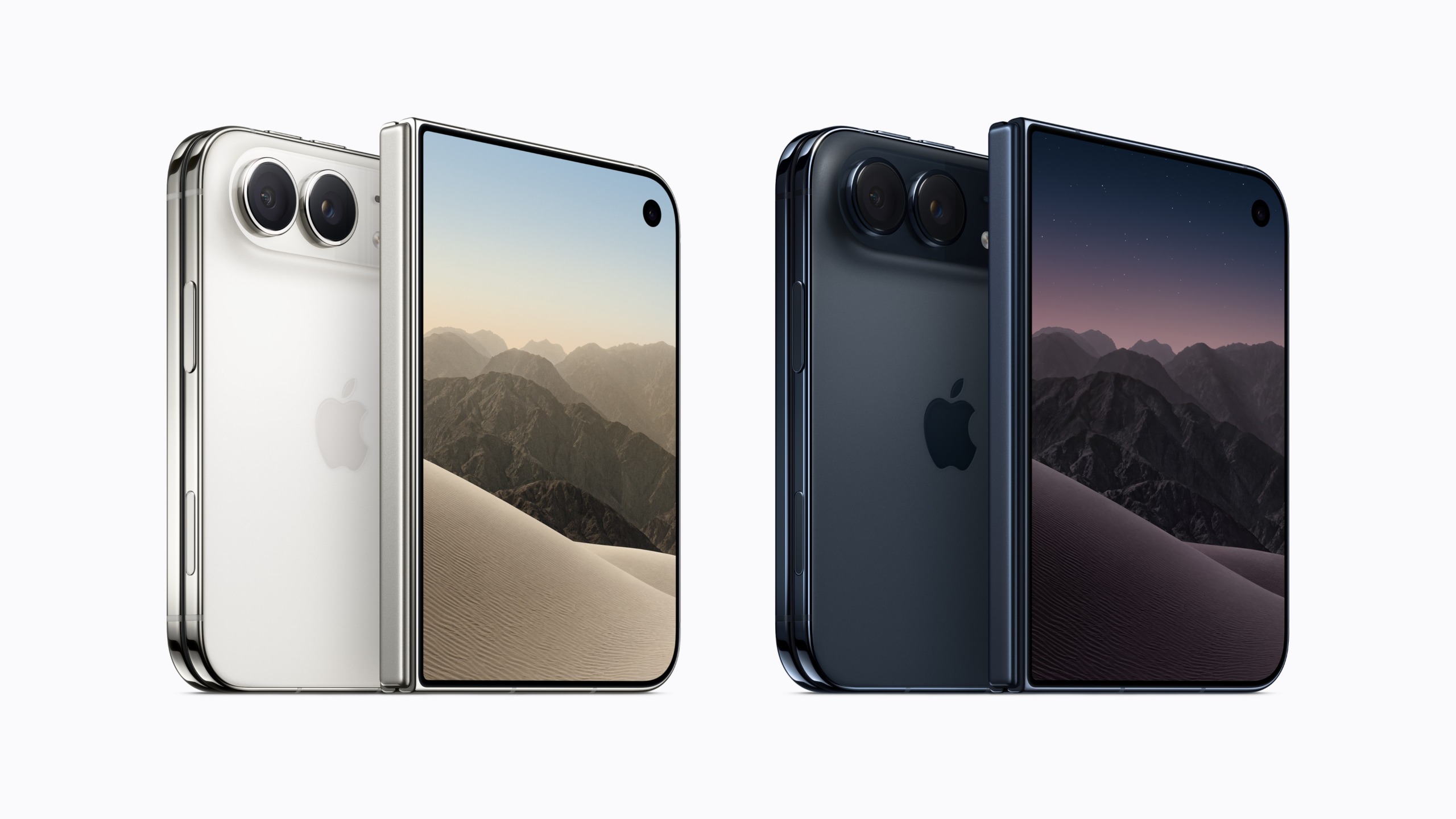
The weight and size specifications also present a challenge. At 254g, the device is significantly heavier than the Google Pixel 11 Pro Fold, which has set a high bar for ergonomic design in the foldable category. For users who prioritize portability, the weight of the iPhone Duo may be a deciding factor against switching from a standard slab-style smartphone.
The Path Forward: Production and Availability
With a starting price of $1,999, the iPhone Duo is positioned as a high-end enterprise and enthusiast tool. Pre-orders are scheduled to commence on October 16, with a full market release slated for October 23. This staggered timeline allows for initial reviews and logistics preparation, a standard practice for the company to manage supply chain demand during the initial rollout.
The success of the iPhone Duo will ultimately be measured by its longevity and software stability. While the foldable market is no longer in its infancy, the challenges of preventing screen degradation and hinge failure remain a hurdle for all manufacturers. If Apple’s hardware proves to be as durable as its marketing suggests, the company may succeed in converting its large, established user base to a new way of interacting with mobile software.
However, the "first-generation" label often comes with caveats. As with any new technology, early adopters should expect a period of software refinement as developers update applications to utilize the unique dimensions of the inner display. For now, the tech industry will be watching closely to see if the iPhone Duo can convert the skepticism of its rivals into a new standard for the foldable experience. The competitive banter between Duolingo, Samsung, and Apple serves as a reminder that while the technology is increasingly sophisticated, the stakes for market dominance remain as high as ever. As consumers await the first hands-on impressions, the discourse surrounding the device highlights a critical turning point: the industry is no longer debating if foldables have a place in the market, but rather, who will define the user experience for the next decade of mobile computing.