IPhone 18 Pro and iPhone 18 Pro Max represent a strategic divergence in Apple’s flagship hardware strategy for 2026.

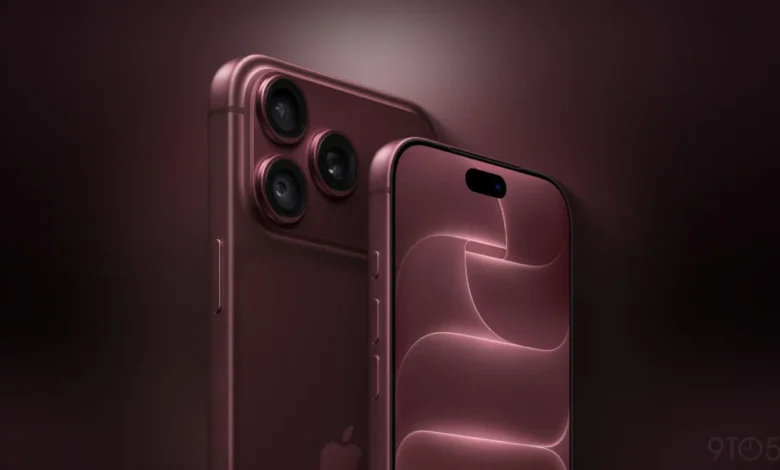
Apple’s annual September hardware event has long been the industry’s most scrutinized product launch, and the unveiling of the iPhone 18 series has proven to be no exception. While the iPhone 18 Pro and the iPhone 18 Pro Max share the same internal A-series architecture, camera sensor arrays, and design language, the company has opted to introduce a significant hardware bifurcation this year. For the first time in the recent history of the Pro lineup, the two devices are no longer identical in their internal connectivity and power management specifications, signaling a shift in how Apple targets its "power user" demographic versus its "maximalist" consumer base.
A New Era for Cellular Connectivity
The most notable technological departure in the 2026 flagship lineup involves the cellular modem integration. For years, Apple has relied exclusively on Qualcomm’s Snapdragon X-series modems to provide connectivity for its mobile devices. However, the introduction of the C2 modem in the iPhone 18 Pro marks a pivotal step in Apple’s multi-year effort to achieve vertical integration of its baseband technology.
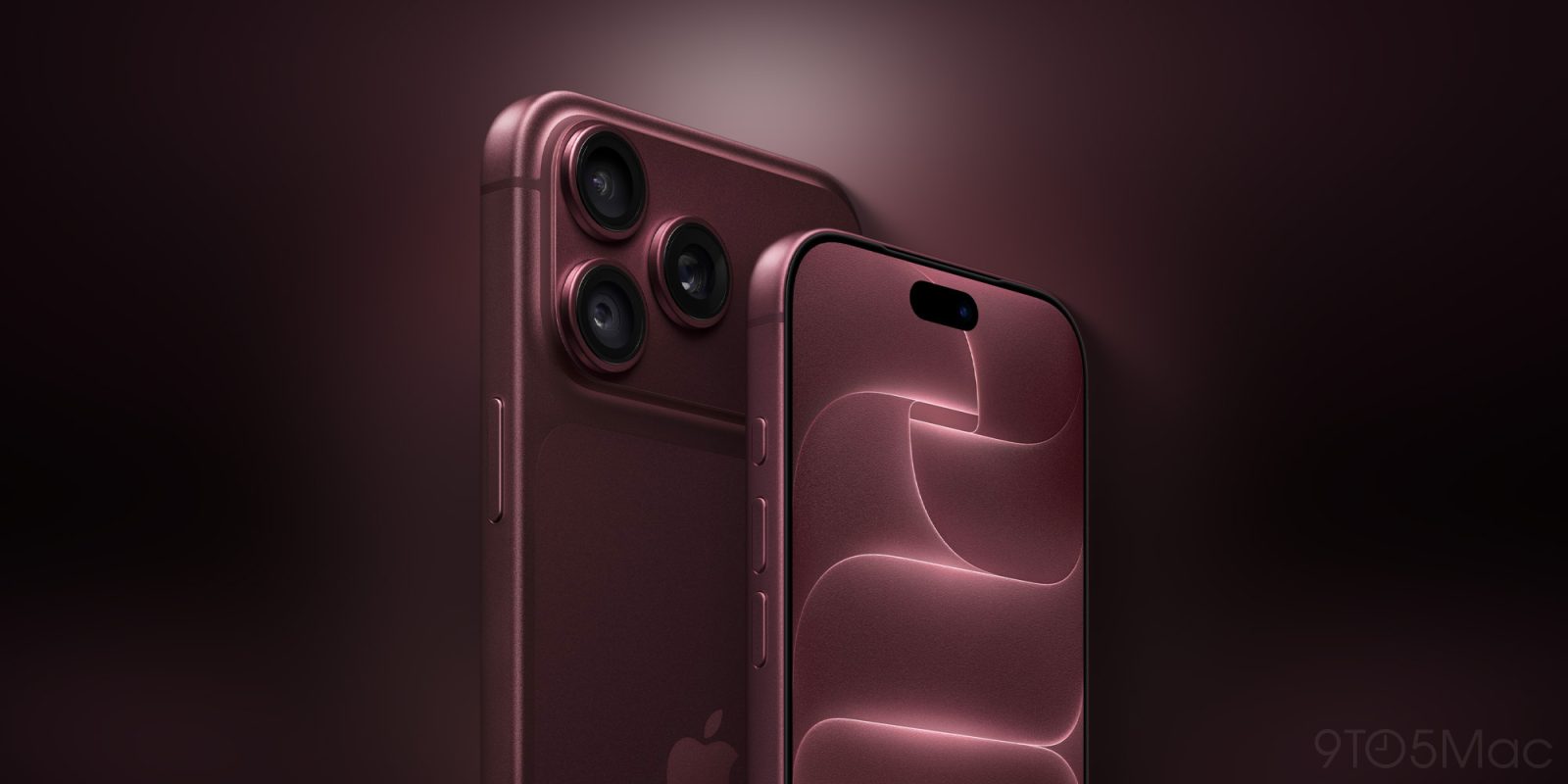
The transition toward proprietary silicon began in early 2025 with the iPhone 16e, which debuted the C1 modem. This was followed by the C1X, integrated into the iPhone Air last fall. With the launch of the C2, Apple is now signaling that its home-grown silicon has reached a maturity level suitable for its high-performance Pro devices. Interestingly, the C2 modem is present in the standard iPhone 18 Pro, yet Apple has chosen to maintain the Qualcomm modem for the iPhone 18 Pro Max.
From a technical standpoint, both the C2 and the incumbent Qualcomm solution support identical standards, including mmWave 5G and sub-6GHz connectivity. However, the strategic decision to split the modems suggests that Apple is likely stress-testing the C2 in a real-world, high-volume environment while hedging its bets with the Pro Max, which remains the volume-driver for enterprise and professional users who require guaranteed peak reliability. Industry analysts speculate that the C2 may offer proprietary software-level optimizations, such as deeper integration with iOS background processes and superior thermal efficiency, which could lead to better battery performance in fringe signal areas.
Battery Life Evolution: The Pro Max Advantage
Beyond connectivity, the most quantifiable difference between the two models lies in their power endurance. While both devices have seen an increase in battery efficiency compared to their predecessors, the disparity in gains has widened significantly.
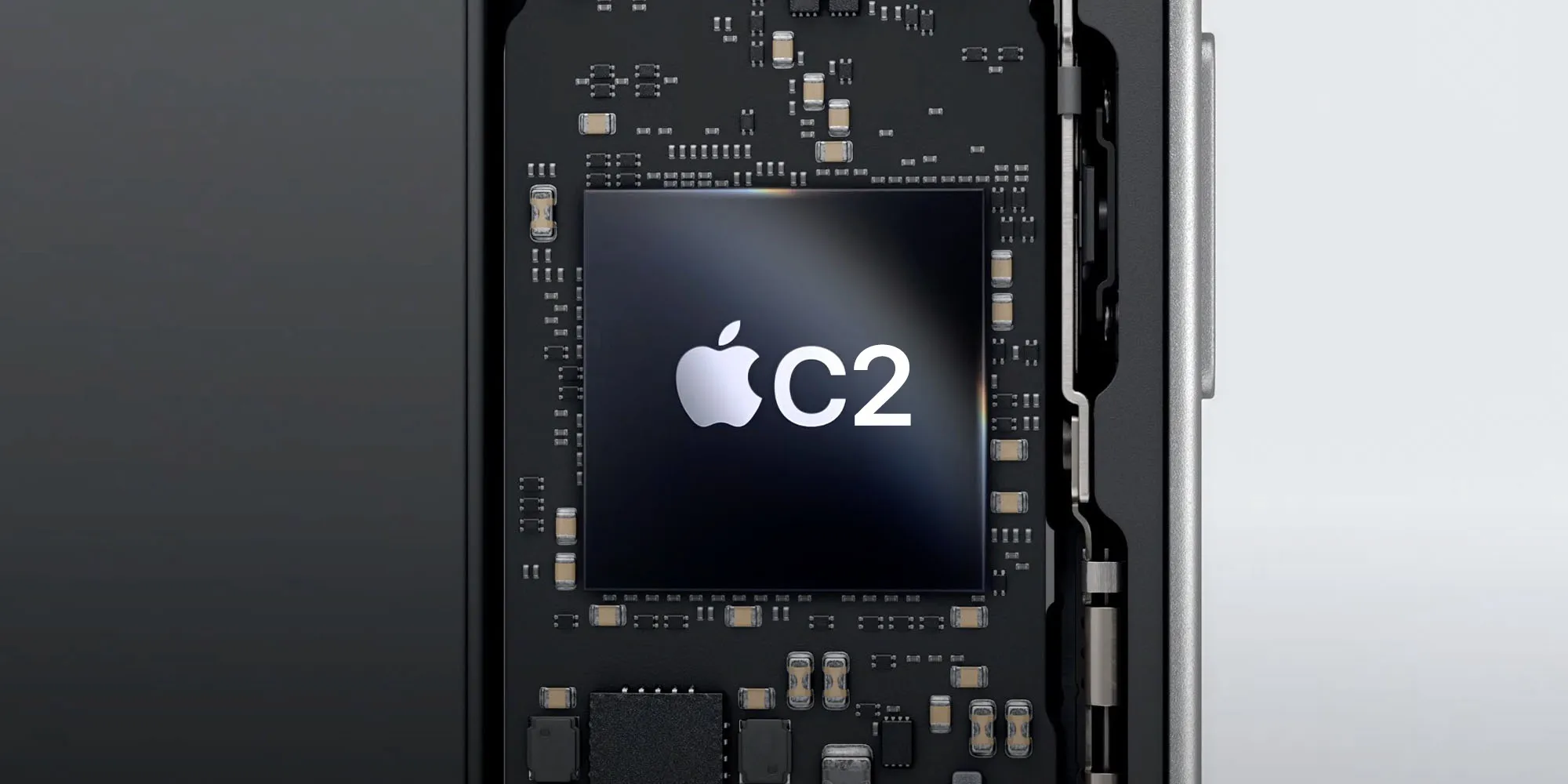
According to the official technical specifications released by Apple, the iPhone 18 Pro is rated for up to 36 hours of video playback, representing a three-hour improvement over the iPhone 17 Pro’s 33-hour rating. In contrast, the iPhone 18 Pro Max has seen a more substantial leap, moving from 39 hours in the previous generation to 45 hours in the current model—a six-hour increase.
This divergence in battery performance is largely attributed to the internal physical volume available within the chassis. As the iPhone 18 Pro Max retains a larger physical footprint, engineers have been able to leverage advanced high-density battery cell technology more effectively than in the more compact Pro model. This creates a clear value proposition for the consumer: those who prioritize portability and single-handed ergonomics will opt for the iPhone 18 Pro, while the Pro Max is now definitively marketed as the device for those who prioritize raw endurance and multi-day use cases without a charger.
A Chronology of Apple’s Modem Transition
To understand the significance of the C2 modem, one must look at the timeline of Apple’s silicon journey. Since the acquisition of Intel’s modem division in 2019, Apple has spent nearly seven years refining its in-house radio technology.
- 2019: Apple acquires the majority of Intel’s smartphone modem business, gaining over 17,000 wireless technology patents and approximately 2,200 employees.
- 2025 (Q1): The iPhone 16e is launched, featuring the inaugural C1 cellular modem, signaling the beginning of the end for the Qualcomm exclusivity era.
- 2025 (Q3): The iPhone Air debuts with the upgraded C1X modem, showcasing improvements in power consumption and signal acquisition.
- 2026 (Q3): The iPhone 18 Pro launches with the C2 modem, while the Pro Max continues to utilize Qualcomm hardware, reflecting a tiered rollout strategy.
This measured approach—deploying proprietary technology across specific segments of the portfolio before a full-scale transition—is characteristic of Apple’s operational philosophy. By limiting the C2 to the iPhone 18 Pro, the company can monitor performance data from a massive, diverse user base before potentially phasing out Qualcomm entirely in the 2027 product cycle.
Implications for the Professional Market
The bifurcation of features between the iPhone 18 Pro and Pro Max raises questions regarding the future of the "Pro" branding. Historically, the "Pro" and "Pro Max" were differentiated primarily by screen size and battery life. By introducing different modem architectures, Apple is acknowledging that these two devices serve different professional workflows.
The iPhone 18 Pro user is often a mobile creative who values the compact form factor and the cutting-edge efficiency of Apple’s proprietary chips. The Pro Max user, however, is often categorized as a "heavy-duty" user—photographers, videographers, and enterprise professionals who spend extended hours in the field and require the maximum possible screen real estate and battery longevity.

Market reactions have been largely positive, though some observers point to the complexity this adds to the supply chain. Maintaining two distinct modem platforms for the same product generation requires rigorous testing and separate optimization paths for iOS. However, the long-term benefit for Apple is a reduction in licensing fees paid to Qualcomm and a greater degree of control over the hardware-software handshake, which is essential for the future of features like satellite connectivity and advanced local AI processing.
Economic and Strategic Context
From an economic perspective, the move to in-house modems is a critical step in Apple’s goal of reducing its dependence on third-party suppliers. Qualcomm has historically enjoyed significant leverage in its negotiations with device manufacturers due to its essential patents in 5G technology. By moving to the C2 modem, Apple is insulating itself from potential supply chain volatility and reducing the bill-of-materials (BOM) cost per unit.
While the consumer may not see a direct price drop, the margins captured by keeping modem production internal are significant. For shareholders, this represents a stabilization of costs. For the end user, the real-world impact will manifest in the coming months as independent benchmarks test the C2 modem against the Qualcomm standard in various network environments.

Looking Ahead
The release of the iPhone 18 series is not just about a hardware update; it is a declaration of maturity for Apple’s semiconductor division. The C2 modem is likely the precursor to a unified, fully proprietary Apple wireless platform that will eventually include Wi-Fi, Bluetooth, and cellular functionality on a single, highly integrated system-on-a-chip (SoC).
As Apple continues to refine its ecosystem, the distinction between its models will likely become more pronounced. Whether the consumer chooses the 18 Pro for its agility and new connectivity tech or the 18 Pro Max for its endurance, the underlying message is clear: Apple is no longer just a designer of phones, but a designer of every critical component that powers them. As the initial units reach consumers, the industry will be watching closely to see if the C2 modem meets the high performance standards set by its predecessors, potentially setting the stage for a total departure from external modem suppliers by the next fiscal year.