Philips 34B2U5900C Review: A High-Resolution LCD Powerhouse Defying the OLED Trend


In an era where organic light-emitting diode (OLED) technology dominates headlines and captures the imagination of display enthusiasts worldwide, the launch of a traditional liquid-crystal display (LCD) panel that stands out as one of the premier monitors of 2026 is a notable industry development. Enter the Philips 34B2U5900C, a 34-inch ultrawide desktop monitor engineered explicitly for high-end productivity, multi-device management, and intensive professional workflows. Combining a super-sharp native 5K2K resolution with comprehensive modern connectivity, including USB-C Power Delivery 3.1 capable of 140W output, this display carves out a distinct niche that current OLED alternatives simply cannot occupy.
Main Facts and Core Specifications
The Philips 34B2U5900C is built around a 34-inch vertical-alignment (VA) panel featuring an ultrawide aspect ratio of 21:9 and a gentle 1500R curvature. Its native resolution of 5,120 by 2,160 pixels yields a pixel density of 163 dots per inch (DPI), matching the visual sharpness of a 27-inch 4K monitor while extending the horizontal workspace.
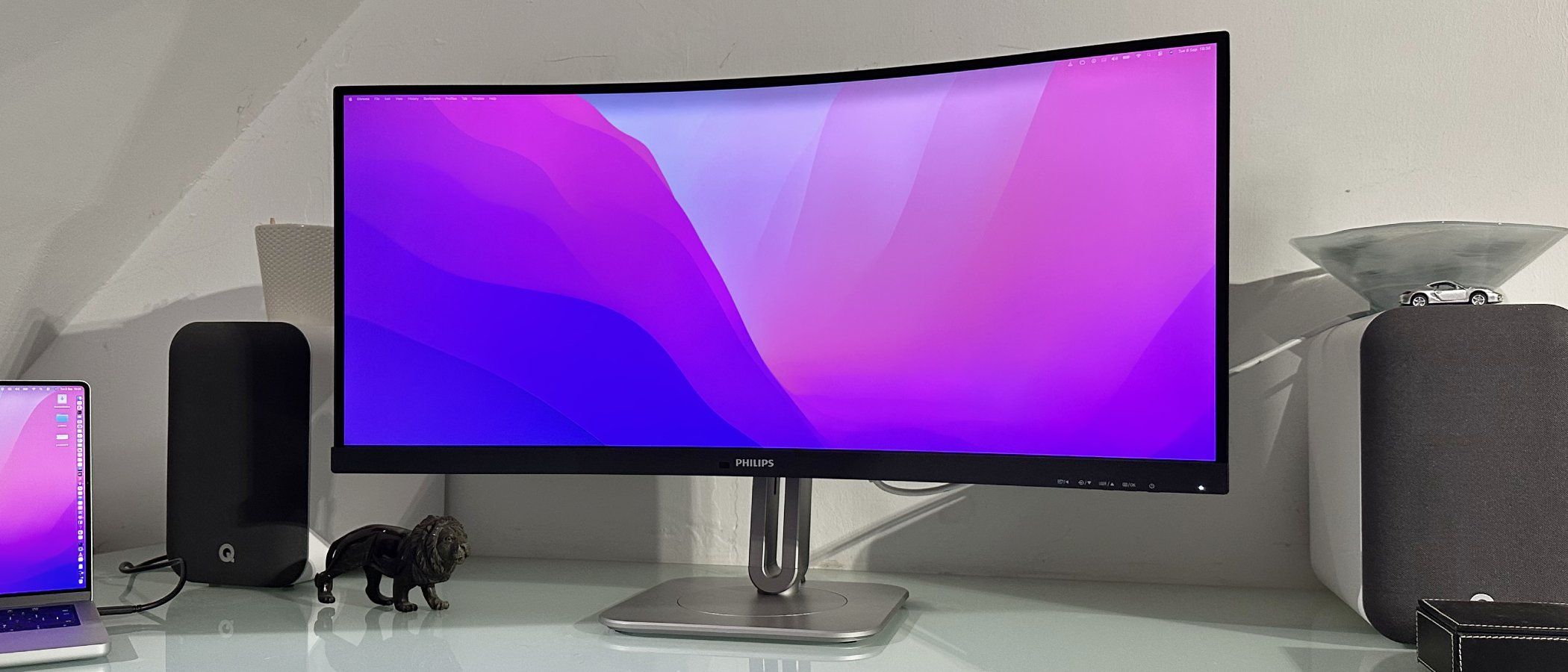
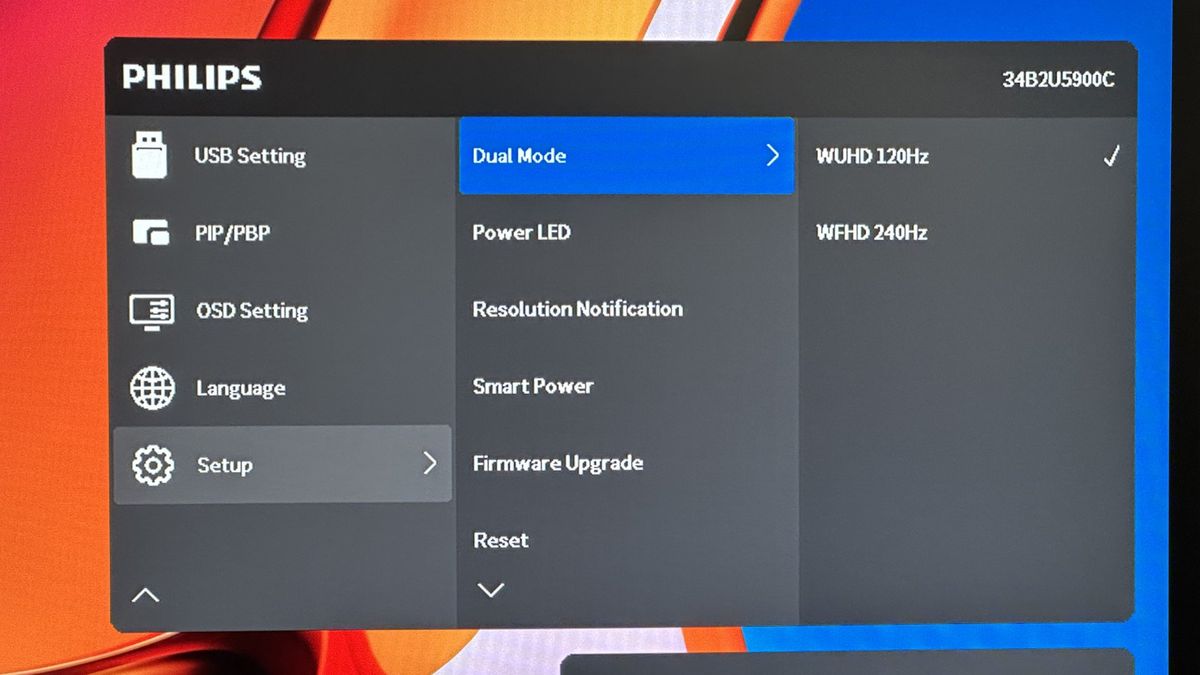
Unlike many competitors that rely on In-Plane Switching (IPS) technology, Philips opted for a VA matrix, yielding a static contrast ratio of 3,000:1—significantly higher than typical IPS panels and resulting in reduced light bleed in darker office environments. The display supports a 120Hz refresh rate at its full native 5K2K resolution across all primary video inputs, which include two HDMI 2.1 ports, one DisplayPort 1.4 connection, and a versatile USB-C port. Additionally, the monitor features a unique dual-mode setting that trades native resolution for speed, enabling a 240Hz refresh rate at a pixel-doubled 2,560 by 1,080 resolution.
The hardware ecosystem is rounded out by an integrated KVM switch for seamless peripheral sharing between two connected computers, an Ethernet port for wired network bridging, an integrated USB hub (comprising three USB-A ports and three USB-C ports), and ambient light and user proximity sensors designed to optimize power consumption and screen brightness dynamically.
Background Context and Market Positioning
The arrival of the 34B2U5900C reflects an ongoing engineering compromise in the desktop display market. While OLED monitors boast near-instantaneous pixel response times and per-pixel lighting control that allows for true blacks, manufacturing limitations have kept high-resolution ultrawide OLEDs scarce and expensive. More importantly, current 34-inch ultrawide OLED panels are generally restricted to lower resolutions, such as UWQHD (3,440 by 1,440 pixels), which falls short of the text crispness and high-DPI clarity required by programmers, financial analysts, and enterprise professionals who handle dense data streams.
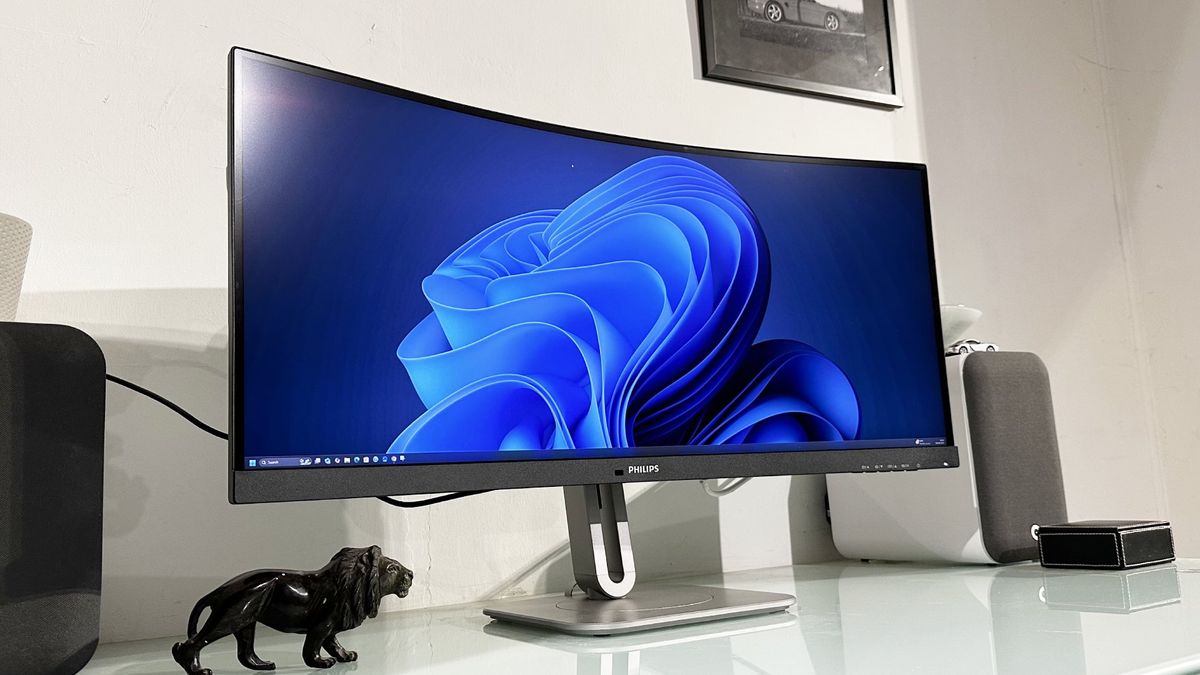
By utilizing a 5K2K VA panel, Philips targets users who prioritize text legibility and screen real estate over the absolute black levels of OLED technology. At 163 DPI, the monitor effectively bridges the gap between traditional widescreen displays and high-density Retina-class desktop screens, making it equally viable for Windows and macOS environments. The inclusion of sRGB and Display-P3 presets in the On-Screen Display (OSD) menu further aligns the monitor with the native color spaces utilized by these respective operating systems.
Ergonomics, Design, and Connectivity
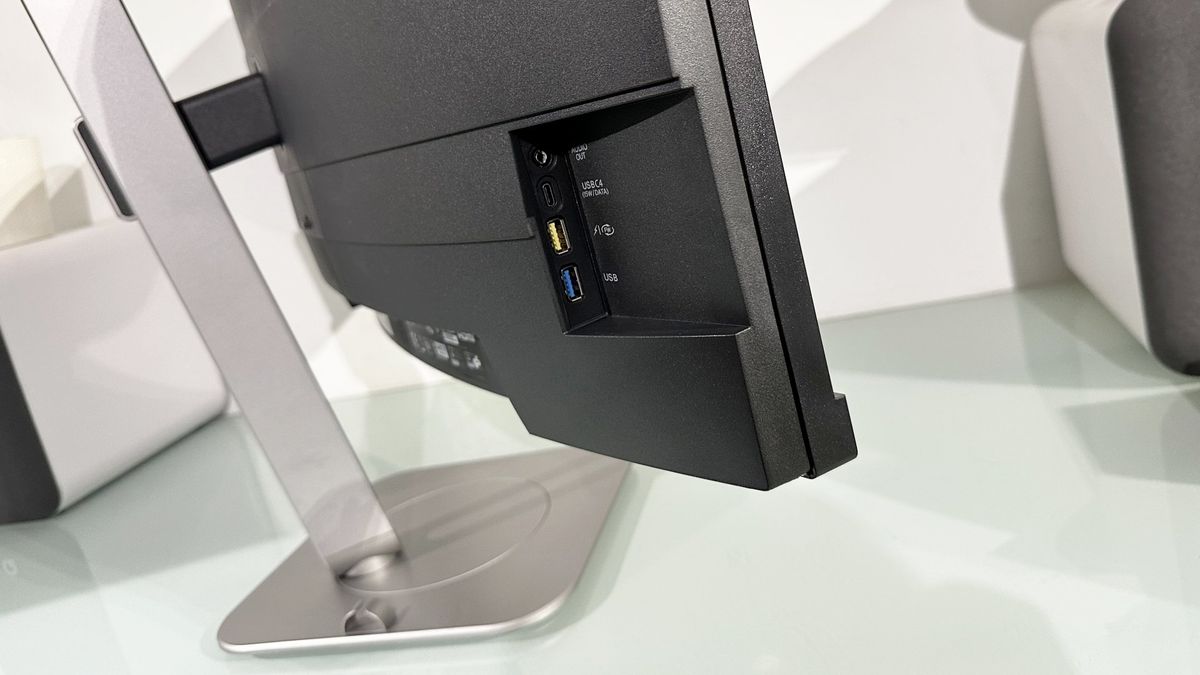
From an aesthetic standpoint, the Philips 34B2U5900C embraces a utilitarian business-class philosophy. It features a robust, highly ergonomic stand offering full 360-degree swivel adjustments, height modulation, and tilt capabilities. While the chassis incorporates a relatively thick lower bezel—distancing it from the ultra-slim profiles typical of consumer entertainment displays—the hardware layout is meticulously organized. Rear ports are clearly labeled and easily accessible, sparing users the frustration of blindly fumbling behind the screen during setup.
The standout feature in the connectivity suite is the USB-C interface’s implementation of the Power Delivery 3.1 specification. Delivering up to 140W of power, the connection can fully charge demanding desktop-replacement laptops while simultaneously transmitting video and data over a single cable. This represents a substantial upgrade over the 96W limits common to previous generations of single-cable workstation monitors.
Furthermore, the built-in KVM switch and Multiview functionality enable users to display feeds from two distinct machines simultaneously—such as a corporate laptop and a personal desktop—while sharing a single keyboard, mouse, and local network connection via the integrated RJ45 Ethernet port.
Performance Evaluation and Benchmark Insights
During rigorous testing, the Philips 34B2U5900C demonstrates performance characteristics that challenge conventional wisdom regarding VA panel technology. While VA panels have historically suffered from slow pixel response times and resultant motion blur, Philips has implemented a three-level configurable overdrive system. The median setting yields motion clarity closely aligned with the manufacturer’s quoted 2ms pixel response time, ensuring smooth scrolling and responsive window management during daily productivity tasks.
The 120Hz refresh rate at native 5K2K resolution enhances the fluidity of the operating system interface, providing a noticeably smoother user experience than standard 60Hz panels. Although the secondary 240Hz dual-mode at 1080p offers questionable utility for non-gaming professional workflows due to a marked reduction in visual clarity, it provides an unexpected avenue for casual gaming sessions.
Color reproduction covers approximately 95% of the DCI-P3 color gamut. While sufficient for general office work, media consumption, and basic content creation, color professionals requiring absolute gamut coverage may find the specification slightly limiting compared to specialized IPS panels. Additionally, the monitor carries a VESA DisplayHDR 400 certification. Without local dimming zones or high peak luminance capabilities, HDR performance is modest; the screen is best operated in standard dynamic range (SDR) mode for traditional office applications.
Industry Implications and Future Outlook
The introduction of the Philips 34B2U5900C underscores a maturing market segment where enterprise displays increasingly borrow high-performance attributes traditionally reserved for gaming hardware—such as high refresh rates and advanced USB-Power Delivery standards. By prioritizing high pixel density, extensive device integration, and robust power delivery over exotic panel illumination technologies, Philips has engineered a compelling option for modern multi-device home offices and corporate workspaces.
As remote and hybrid work models continue to evolve, the demand for single-cable docking solutions that reduce desktop clutter while supporting high-resolution multitasking is projected to grow. The 34B2U5900C establishes a competitive benchmark for non-OLED productivity displays, proving that traditional LCD architectures retain significant viability when paired with forward-looking connectivity and thoughtful ergonomic engineering.