Apple Unveils AirPods 5 as Amazon Launches Major Promotional Discounts Across Entire Audio Lineup

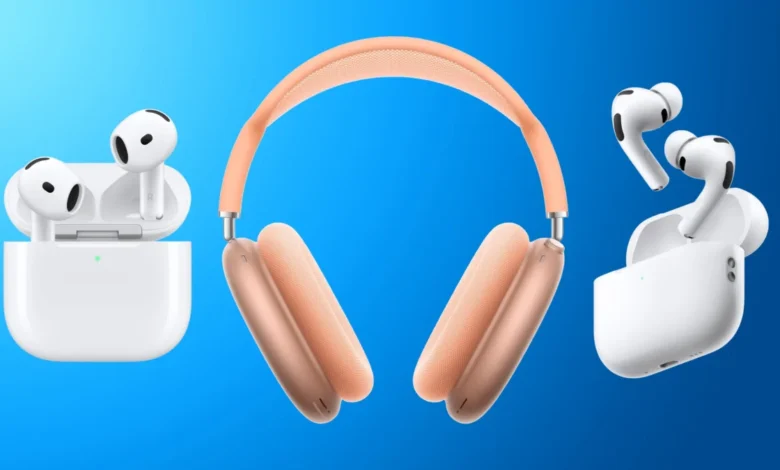
Apple has officially signaled the next phase of its audio hardware strategy with the announcement of the AirPods 5, a move that coincides with a sweeping series of price adjustments across its current wireless headphone ecosystem. As the tech giant prepares for a September 18 product launch, retailers—led by Amazon—have initiated significant promotional campaigns, offering both new pre-order opportunities and substantial price reductions on established models including the AirPods Max 2, AirPods Pro 3, and the fourth-generation AirPods.
The announcement of the AirPods 5 represents the latest iteration in a product category that has become a cornerstone of Apple’s "Wearables, Home, and Accessories" segment. By diversifying its pricing tiers, Apple continues to solidify its market dominance in the TWS (True Wireless Stereo) earphone sector, a market that has seen intense competition from firms like Sony, Bose, and Samsung throughout 2026.
The AirPods 5: Technical Positioning and Market Entry
The AirPods 5 are now available for pre-order, with the base model listed at $129.00 and the version including a Wireless Charging Case retailing for $149.00. While Apple has opted to maintain its standard pricing strategy for these new units—eschewing early-bird discounts in favor of a uniform launch price—the market response remains highly anticipated.
Industry analysts note that the AirPods 5 are designed to bridge the gap between entry-level functionality and the advanced feature sets found in the "Pro" and "Max" tiers. The timing of the September 18 launch is deliberate, placing the hardware in consumer hands just as the back-to-school season concludes and the holiday shopping cycle begins to ramp up. This cycle is critical for Apple’s quarterly earnings, as accessory sales often correlate strongly with the adoption rates of the new iPhone 18 series.
Chronology of the 2026 Audio Refresh
The current landscape of Apple audio is the result of a deliberate, multi-year product lifecycle. To understand the significance of these discounts, one must look at the recent history of the lineup:
- September 2025: Apple introduced the AirPods Pro 3, which brought significant advancements in Active Noise Cancellation (ANC) and health-sensing technology to the forefront of the consumer audio market.
- Early 2026: The market saw a stabilization in supply chains, allowing retailers to aggressively discount mid-tier models like the AirPods 4.
- June 2026: During the Prime Day window, consumers saw record-low prices on the AirPods Pro 3, establishing a price floor that retailers are now attempting to approach again.
- September 13, 2026: The formal announcement of the AirPods 5, triggering the current retail price adjustment strategy.
Analysis of Current Market Discounts
The promotional environment for Apple audio hardware is currently defined by a "clearance and competition" model. By lowering prices on legacy and existing high-end models, Amazon and other major retailers are effectively segmenting their consumer base, allowing budget-conscious users to access high-end features while encouraging others to upgrade to the latest technology.
AirPods Max 2: Premium Pricing Adjustments
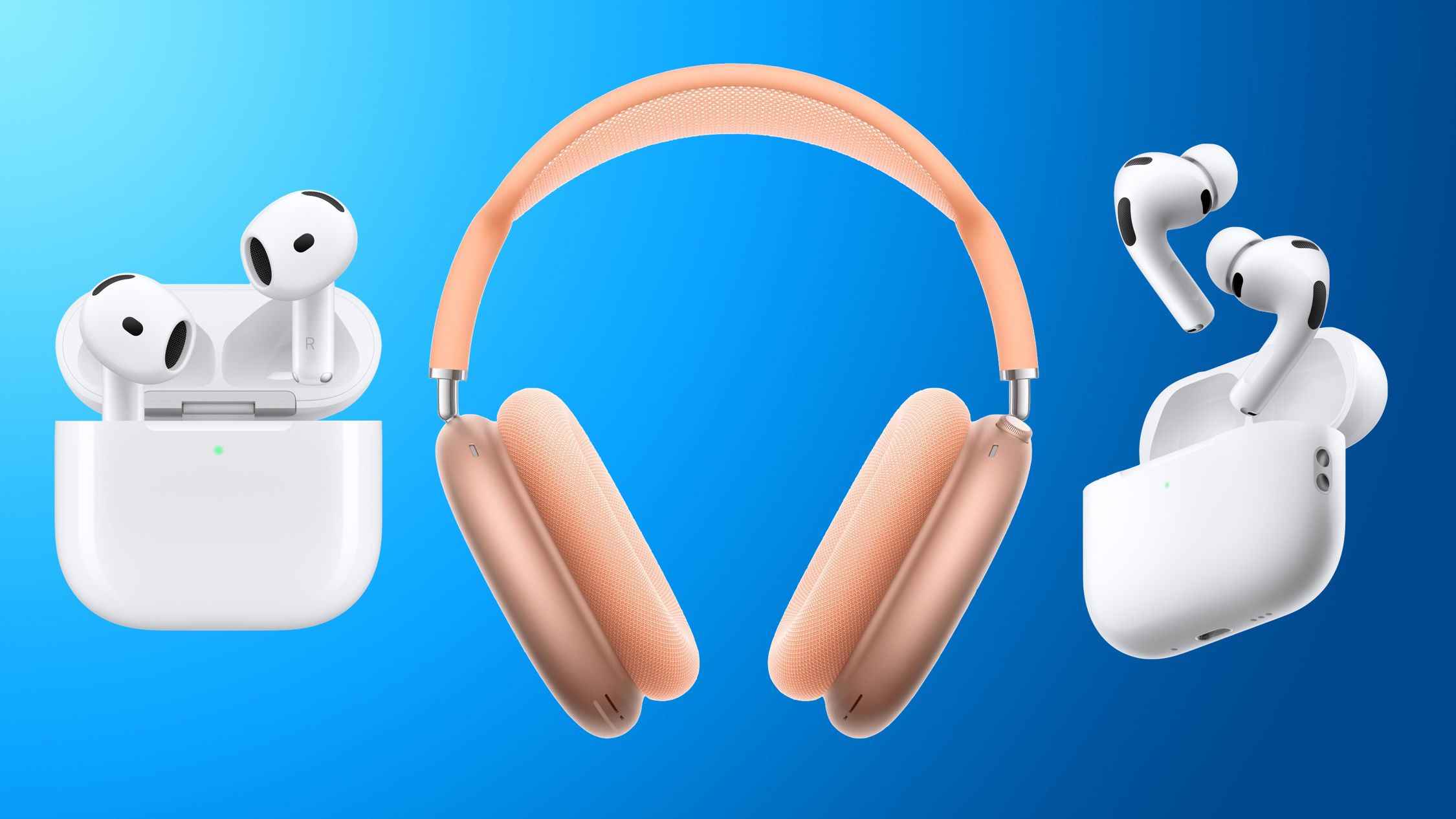
The AirPods Max 2, which typically retail for $549.00, are currently listed at $449.00 on Amazon. This $100 price reduction represents one of the most significant discounts of the quarter. Market data suggests that the AirPods Max 2 have not seen such a sharp decline in price since mid-June. The inclusion of all five color variants in this promotion suggests that Apple and its retail partners are aiming to move substantial inventory ahead of the final quarter of the year.
AirPods Pro 3: Balancing Performance and Value
The AirPods Pro 3 are currently priced at $199.00, down from the standard $249.00. While this is not the absolute lowest price recorded during the June Prime Day event, it remains a competitive entry point for a device that features 2x improved Active Noise Cancellation compared to its predecessor. The inclusion of specialized features—such as live, real-time translation for in-person conversations and integrated heart rate sensing—positions the Pro 3 as a health-and-utility hybrid rather than a simple listening device.
AirPods 4: The Value Proposition
At $99.00, the AirPods 4 represent the most accessible point of entry into the Apple ecosystem. While this model lacks the advanced Active Noise Cancellation found in the Pro line, the $30 discount off the standard $129.00 MSRP makes it a compelling option for students and casual listeners.
The Broader Impact of Apple’s Accessory Ecosystem
The strategic reduction in price for the existing lineup is more than just a retail tactic; it is a fundamental part of Apple’s ecosystem retention. By keeping legacy devices affordable, Apple ensures that users remain locked into the proprietary H-series chip ecosystem, which facilitates seamless switching between the iPhone 18 Pro, the new Mac mini (M6), and the Mac Studio (M5 Max).
Market analysts at firms monitoring consumer electronics report that Apple’s "walled garden" approach is increasingly dependent on the interoperability of its peripherals. When a consumer purchases a discounted pair of AirPods Pro 3, they are statistically more likely to continue using an iPhone or iPad, as the synchronization features—such as automatic device switching and spatial audio—are optimized exclusively for the Apple ecosystem.
Official Responses and Retailer Strategy
While Apple rarely comments directly on individual retailer pricing strategies, the company’s affiliate partnerships, such as those with MacRumors and other major tech publications, suggest a coordinated effort to drive volume during the pre-order window. The transparency regarding affiliate revenue serves as a reminder of the symbiotic relationship between tech journalism and retail commerce.
Retailers like Amazon are using these discounts to drive traffic to their wider Apple storefronts. The effectiveness of this strategy is evident in the "popular stories" section of the current retail news cycle, where pre-order discounts for the M6-powered Mac mini and M5 Max Mac Studio are consistently trending alongside audio hardware. This creates a "halo effect" where a user visiting the site for a $99 pair of AirPods might ultimately commit to a high-ticket purchase of a desktop computer.
Future Implications and Seasonal Trends
As we head toward the close of 2026, the audio market is expected to remain highly volatile. The rapid adoption of AI-driven features in wearable devices, such as the translation capabilities found in the AirPods Pro 3, signals a shift toward audio devices acting as assistants rather than mere output hardware.
Furthermore, the environmental and economic factors influencing 2026’s retail landscape cannot be ignored. With inflation concerns lingering, consumers are demonstrating a higher sensitivity to price-to-performance ratios. Apple’s decision to offer a broad range of price points—from the $99 AirPods 4 to the $449 AirPods Max 2—indicates a sophisticated understanding of current consumer spending power.
For those looking to maximize their utility, the current promotional window offers a rare opportunity. The stability of the supply chain, combined with aggressive discounting, suggests that the market has reached a point of maturity where the consumer benefits significantly. However, potential buyers should remain vigilant, as these prices are subject to inventory fluctuations and retailer-specific conditions.
Conclusion and Recommendations
Consumers interested in the latest technology should consider the pre-order options for the AirPods 5 to ensure day-one delivery, particularly if they prioritize the newest hardware specifications. Conversely, those seeking to maximize value should prioritize the discounted AirPods Pro 3 or AirPods Max 2, as these models represent a proven high-performance tier at a price point that is unlikely to drop further until the next major holiday shopping event.
As the industry continues to evolve, the integration of health tracking, live linguistic translation, and seamless cross-platform functionality will likely remain the primary drivers of innovation in the personal audio sector. For now, the combination of new product launches and deep discounts on existing inventory provides a comprehensive array of choices for the discerning Apple user.