Meowdoku is sudoku but with cats, and it is highly addictive, but it has one BIG problem


The Evolution of Classic Logic Puzzles
Sudoku, a logic-based combinatorial number-placement puzzle, traces its origins back to the late 19th century, though it gained global prominence in the 1980s via the Japanese publishing company Nikoli. The core objective—filling a 9×9 grid so that each column, row, and 3×3 subgrid contains all digits from one to nine—has remained a staple of cognitive exercise.
Meowdoku adapts these foundational principles by replacing numerical digits with feline-themed icons and color-coded variables. By stripping away the abstract nature of numbers and replacing them with thematic imagery, developers have successfully lowered the barrier to entry for casual gamers. This shift aligns with a broader industry trend where "cozy gaming"—a subgenre characterized by low-stress, aesthetically pleasing, and repetitive puzzle mechanics—has seen a marked increase in user engagement. Market research indicates that demographics for these types of games are expanding beyond traditional gaming cohorts, appealing significantly to individuals seeking "micro-breaks" during their daily routines.
Mechanics and Gameplay Structure
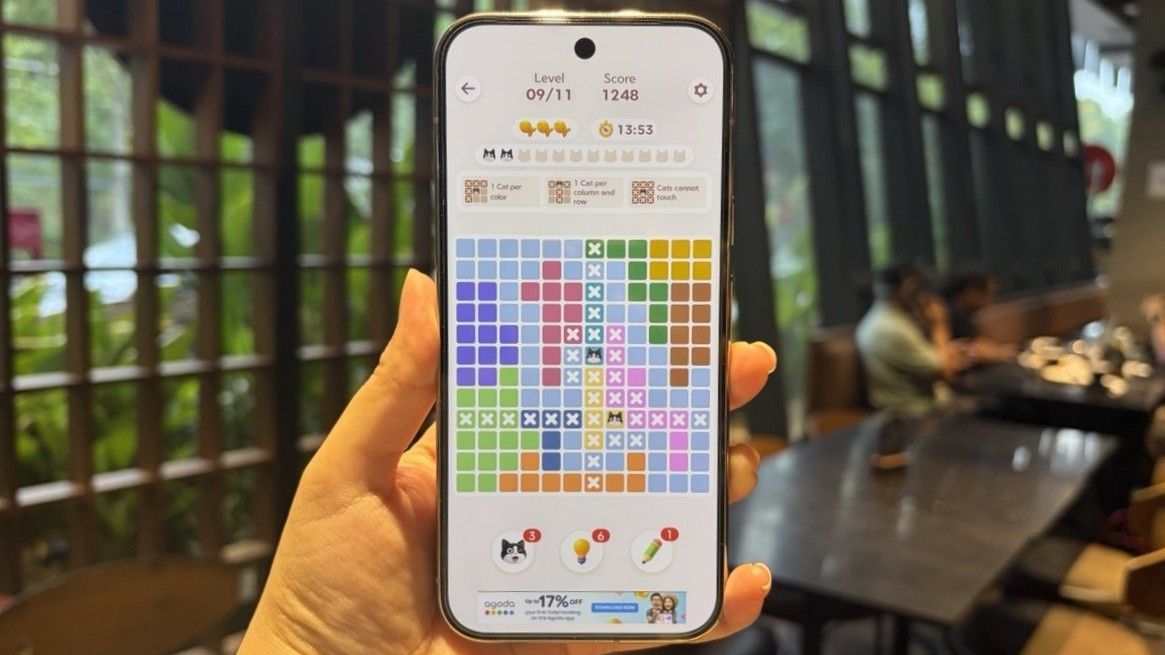
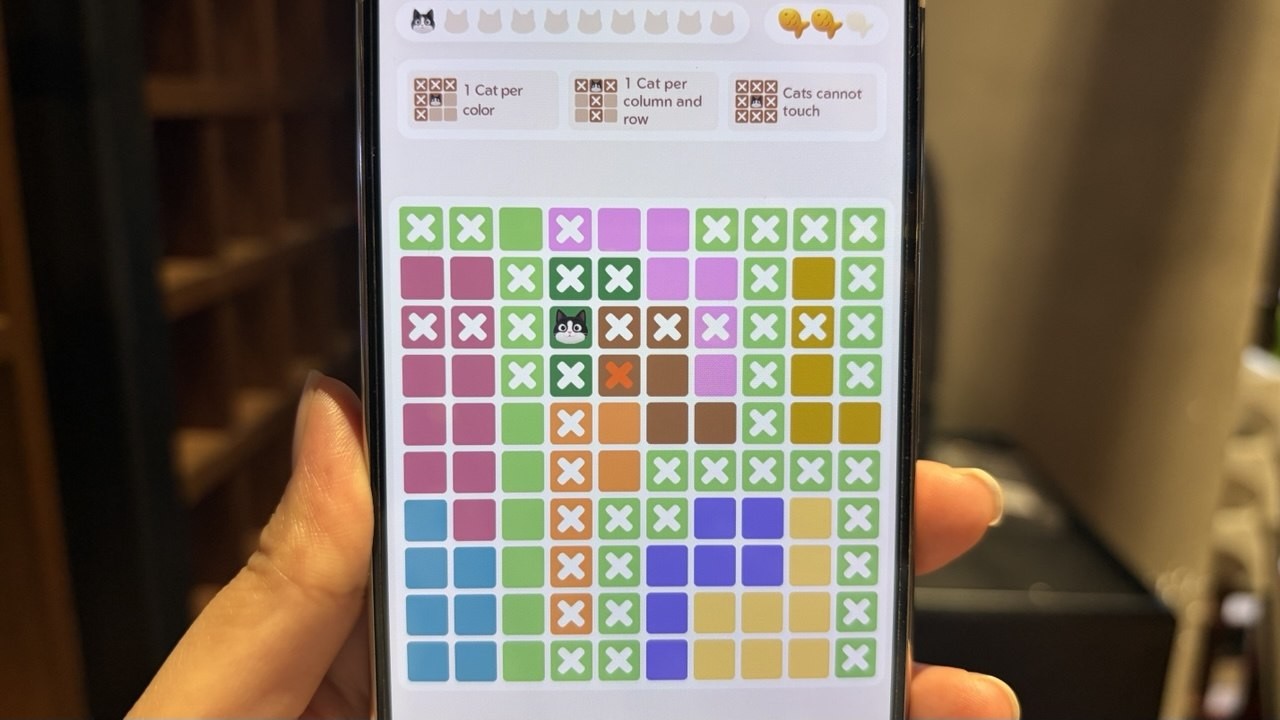
The gameplay loop of Meowdoku is built upon a tripartite rule set:
- Uniqueness: Each row and column must contain only one instance of a specific cat type.
- Color Constraints: Each cat must be unique within its designated color category.
- Proximity Rules: Cats cannot be placed in horizontally or vertically adjacent cells.
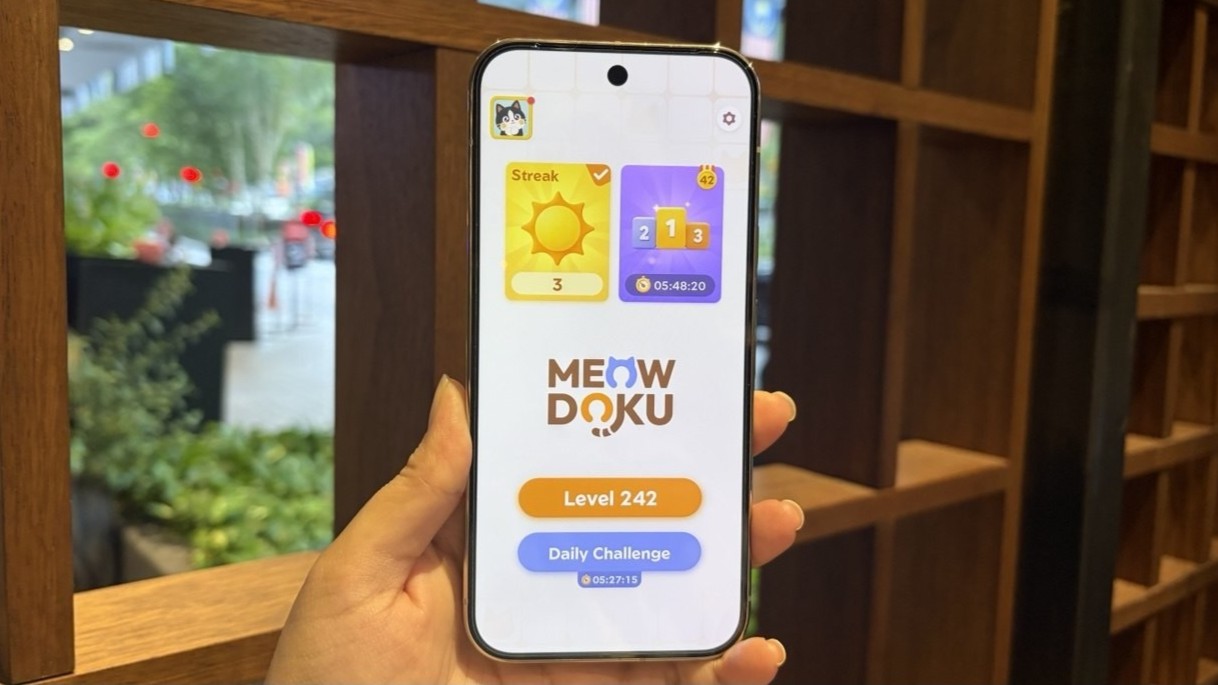
These constraints transform the standard Sudoku experience into a more tactile, visually driven challenge. The game incorporates a "three-strike" penalty system, where incorrect placements lead to a loss of the level, necessitating a restart. This design choice adds a layer of difficulty that distinguishes it from more forgiving casual titles. Furthermore, the inclusion of daily challenges serves to maintain long-term user retention, a standard practice in modern game design intended to build habitual play.
The Monetization Debate and User Sentiment
Despite its success, Meowdoku has faced intense scrutiny regarding its advertising strategy. Unlike many contemporary mobile games that offer a "premium" in-app purchase (IAP) to remove advertisements, Meowdoku, developed by Oakever Games, currently lacks this option. This omission has led to a noticeable influx of negative feedback across social media platforms, including Reddit, Twitter, and various app store review sections.
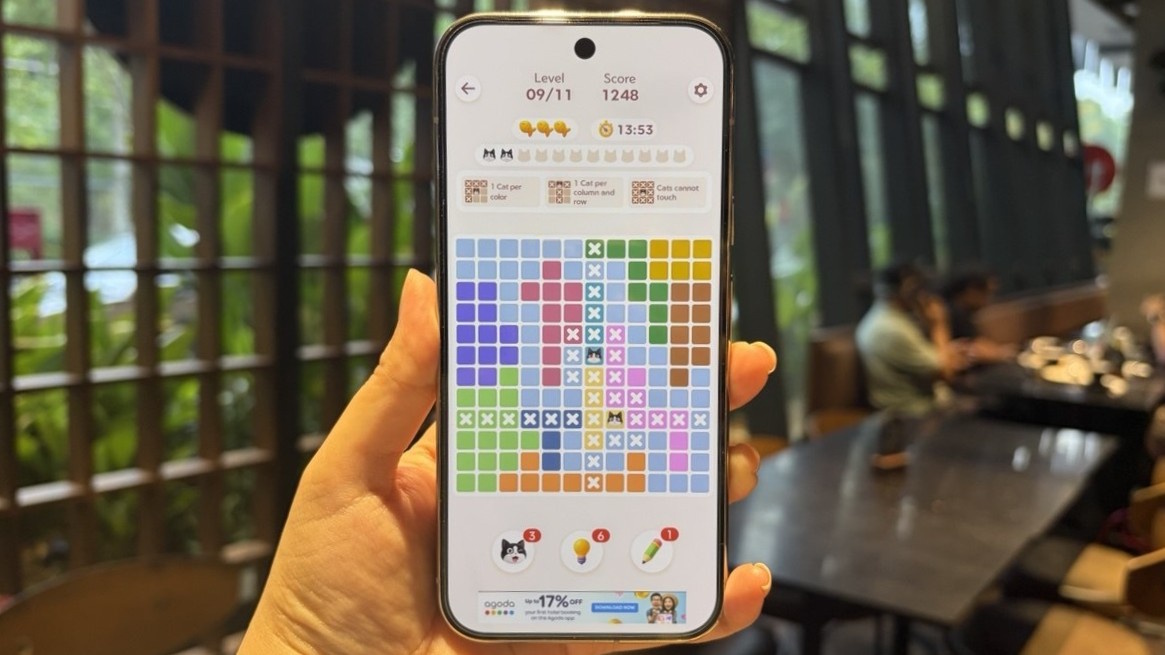
Data from app analytics firms suggests that mobile games relying heavily on "interstitial" ads—those that appear between levels—experience a higher churn rate compared to those offering tiered monetization models. The current state of Meowdoku creates a friction point between the developer’s revenue model and the user’s desire for a seamless experience.
From an industry perspective, the absence of an ad-free toggle is increasingly rare. Most successful puzzle titles, such as those published by Voodoo or SayGames, utilize a hybrid model: free access supported by ads, with a one-time purchase to disable them. The failure to implement this standard feature has resulted in a vocal user base actively seeking "workarounds," such as offline play modes or network-level ad blocking, to bypass the interruption.
Broader Implications for Mobile Gaming
The situation surrounding Meowdoku highlights a persistent tension within the "hyper-casual" gaming sector. Developers are tasked with balancing the need for sustainable revenue—often driven by advertising impressions—with the need to provide a satisfying user experience. When a game achieves viral status, as Meowdoku has, the expectations from the user base regarding quality-of-life features rise exponentially.
Analysts observe that the current model employed by Oakever Games reflects a strategy focused on short-term monetization from a broad, transient user base. However, for a title to achieve longevity and maintain a stable active user count, developers are generally encouraged to pivot toward more flexible monetization. The overwhelming demand for an ad-free tier suggests that a significant portion of the user base is willing to pay to eliminate the disruption, representing a missed opportunity for the developer to capitalize on high-intent players.
Looking Ahead: The Future of the Franchise
As of this writing, there has been no official statement from Oakever Games regarding the potential implementation of an ad-free subscription or a one-time "remove ads" purchase. The game continues to receive regular updates, suggesting that the development team is focused on content expansion and level design rather than structural changes to the monetization engine.
The trajectory of Meowdoku serves as a case study for developers entering the competitive puzzle market. While high-quality, engaging mechanics can drive initial acquisition, the long-term success of a product is increasingly dependent on the developer’s responsiveness to player feedback. In an environment where user reviews are publicly visible and influential, the decision to ignore requests for a premium experience may eventually limit the game’s reach.
For now, Meowdoku remains a polarizing, albeit popular, addition to the mobile gaming landscape. It stands as a testament to the enduring appeal of the Sudoku format while simultaneously illustrating the risks associated with aggressive advertising strategies in an era where consumers are increasingly selective about the digital products they choose to support. Whether the developers choose to adapt to user demands or continue with their current model will likely determine if Meowdoku remains a household name or fades into the background as the market moves toward the next viral puzzle trend.