Googlebook pre-orders begin: this is everything from Android sync to AI and price

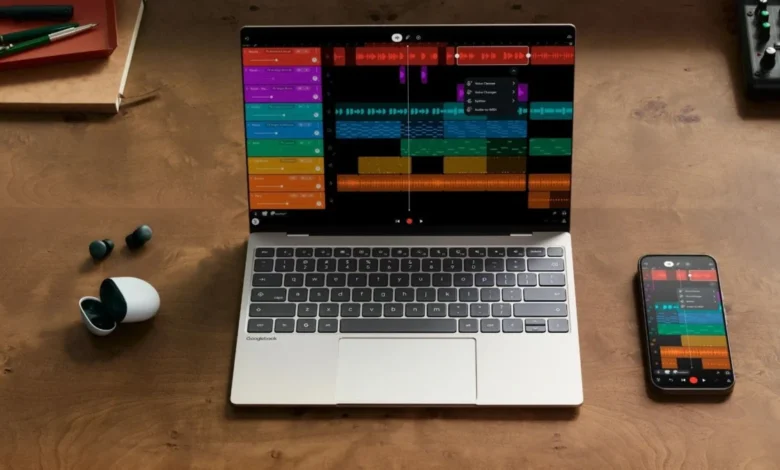
The rollout marks a significant strategic pivot for Google. By standardizing the Googlebook platform under a unified hardware and software architecture, the company is positioning itself to compete more aggressively in the premium laptop market, which has long been dominated by the Apple MacBook and high-end Windows-based ultrabooks. With starting prices pegged at $899, the Googlebook is clearly aimed at the professional and enthusiast demographic, prioritizing premium build quality and deep integration with Google’s evolving AI-driven software suite.
The Architecture of the Googlebook
The inaugural collection of Googlebooks represents a departure from the entry-level aesthetics often associated with the Chromebook brand. According to technical specifications released by Google, these machines are constructed using high-grade materials, including aerospace-grade aluminum, magnesium alloys, and carbon fiber. These choices were deliberate, aimed at achieving a structural profile that is simultaneously lightweight and resilient.
Under the hood, the hardware is defined by a reliance on the Qualcomm Snapdragon X Elite platform. This decision to leverage a 12-core Oryon CPU, capable of clocking up to 4GHz, signals Google’s commitment to the ARM-based architecture that has recently revolutionized energy efficiency and thermal management in mobile computing. For users, this translates into a promised battery life of up to 14 hours, a benchmark that positions the Googlebook as a legitimate all-day companion for remote workers and students alike.
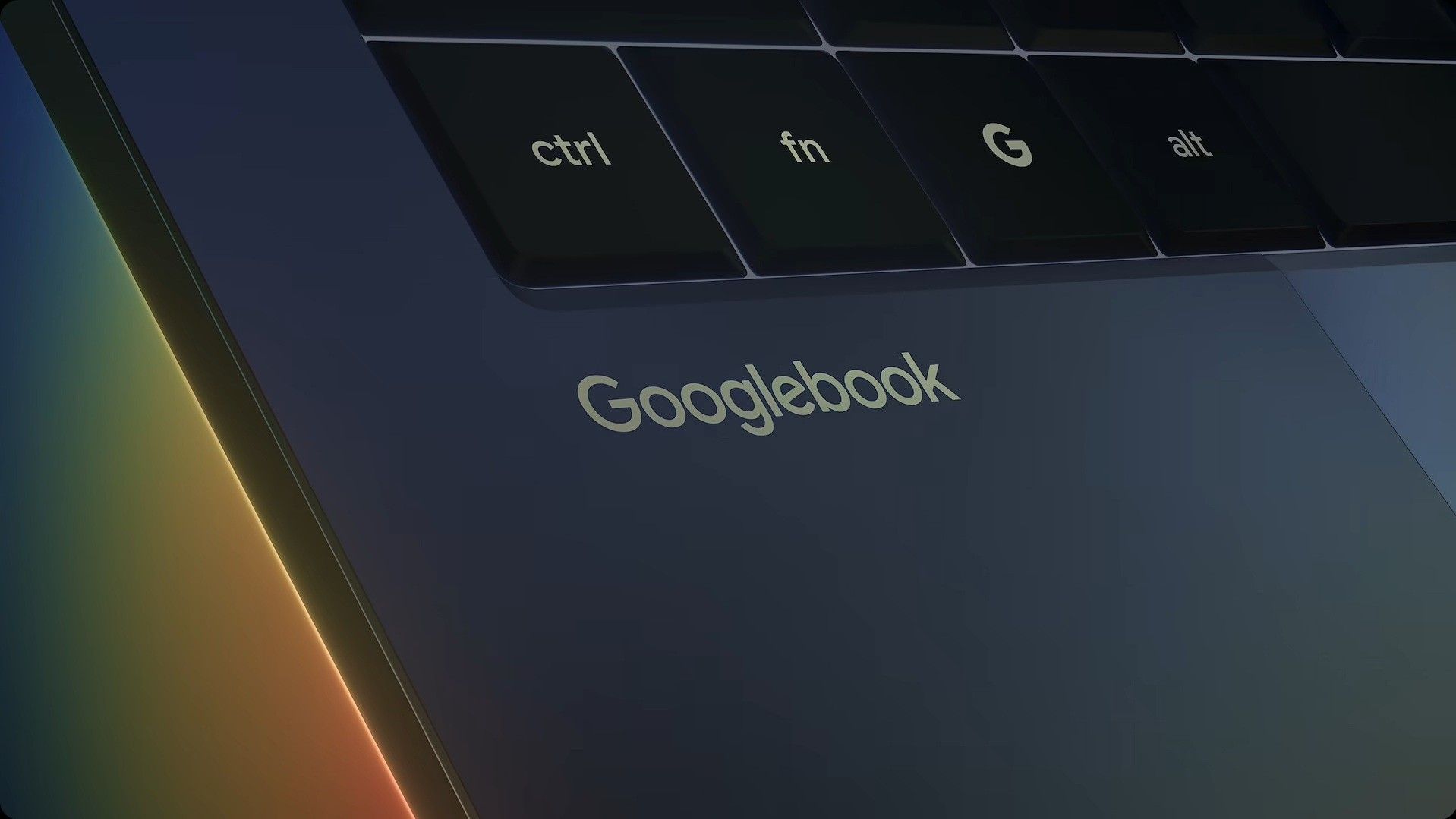
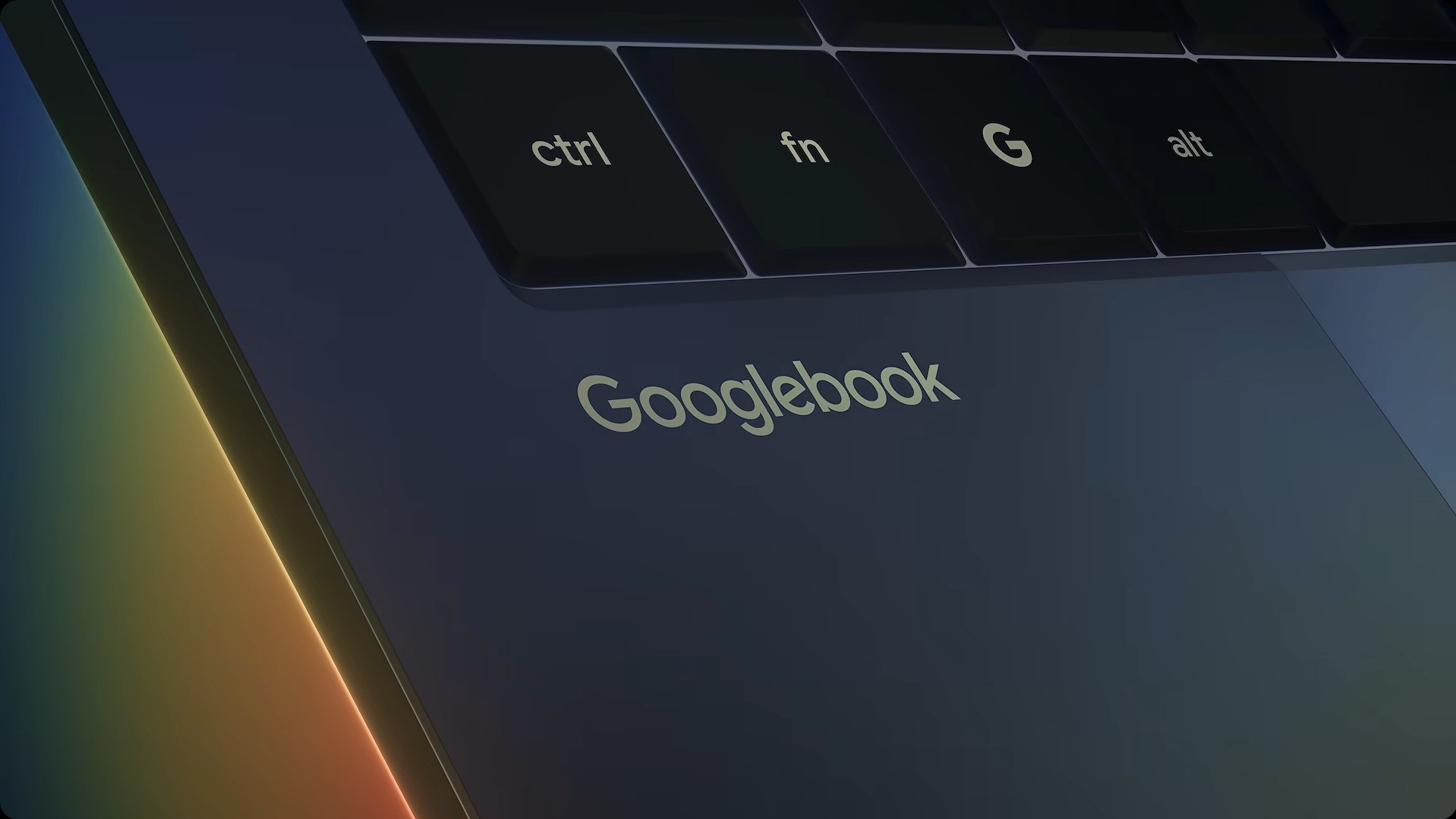
Visually and ergonomically, the devices feature high-resolution displays—up to 2.8K OLED panels—that cater to creative professionals. The tactile experience has also been modernized, with manufacturers incorporating haptic glass trackpads and backlit keyboards. Perhaps most nostalgically, the design includes the return of the "Glowbar," an aesthetic and functional LED interface on the lid. Originally a signature element of early Google-branded hardware, the modern Glowbar now serves as a dynamic notification system, providing visual feedback on battery status and displaying active animations when the onboard AI, Gemini, is engaged in a task.
Seamless Android Integration and Ecosystem Synergy
Perhaps the most compelling feature of the new Googlebook is the depth of its Android integration. Historically, connecting a mobile phone to a laptop has been a process of data syncing or cloud-based file transfers. With the Googlebook, the company has implemented a "continuity" approach that attempts to make the laptop an extension of the user’s Android phone.
Upon signing in with a Google account, the laptop automatically synchronizes system settings, Wi-Fi network credentials, saved passwords, and text messages. This persistence of state extends to active workflows; if a user is in the middle of a project or a ticket-booking session on their phone, they can transition to the Googlebook and pick up precisely where they left off.
Furthermore, the "App Casting" functionality allows users to mirror their phone’s interface directly onto the larger laptop screen, while the integrated Files app provides a centralized hub to search, open, and manage photos and documents stored locally on the connected smartphone. This ecosystem play is designed to reduce friction, effectively treating the Googlebook and the Android handset as two parts of a single, fluid computing environment.
AI-Centric Workflow: The Role of Gemini
The integration of Gemini is the defining software characteristic of the Googlebook. Building on the reveal at I/O 2026, Google has implemented the "Magic Pointer" feature, which allows users to interact with the AI assistant through a simple physical gesture. By wiggling the pointer on any active window, the user summons Gemini to provide contextual assistance. Whether it is summarizing a document, drafting an email based on existing text, or offering creative suggestions, the AI is designed to be reactive and unobtrusive.
Additionally, the suite includes "Rambler," a tool specifically designed for communication efficiency. The software analyzes spoken or written text and automatically removes filler words and linguistic clutter, ensuring that the user’s output remains professional and concise. Another productivity feature, "Create My Widget," leverages generative AI to allow users to build custom, data-specific widgets for their home screen, ensuring that personalized information—such as travel updates or stock movements—is always visible.
Market Strategy and Availability
The launch timeline is structured to create a steady rollout across global markets. Following the September 21 pre-order date, the devices are scheduled to hit retail shelves in the United States on October 4. International availability follows closely on October 5, with Canada, the United Kingdom, Ireland, France, Germany, and Australia included in the initial distribution phase.
To incentivize early adoption, Google is bundling several service perks with each purchase. Buyers will receive a complimentary year of GeForce NOW, the company’s cloud gaming service, providing immediate access to a library of AAA titles. Additionally, early adopters will gain access to premium tiers of Google AI Pro and YouTube Premium, further embedding the user into Google’s subscription-based ecosystem.
Analysis of Implications
The introduction of the Googlebook carries significant implications for the PC industry. By demanding a higher build standard and performance threshold from partners like Dell and HP, Google is moving away from the "commodity" image of the budget laptop market. This shift suggests that Google intends to create a "halo" effect, where the premium nature of the Googlebook elevates the perception of the entire Android and Chrome-based hardware ecosystem.
However, the transition to the Snapdragon X Elite also presents a challenge. While these chips offer exceptional efficiency, the transition to a non-x86 architecture historically creates software compatibility hurdles. Google’s reliance on the Play Store and web-based applications is a tactical move to mitigate this, as it bypasses the need for traditional Windows-native legacy software in favor of cloud-optimized applications like Adobe Photoshop and Lightroom, which have been fully optimized for the platform.
Industry analysts suggest that if the Googlebook can successfully deliver on the promise of 14-hour battery life and truly seamless phone-to-laptop transition, it could disrupt the mid-to-high-end laptop segment. The success of the product will likely hinge on the consumer’s willingness to adopt a heavily cloud-integrated, AI-first workflow. As the tech landscape continues to pivot toward AI-assisted productivity, the Googlebook represents the most comprehensive attempt yet to define what a modern, mobile-first, and AI-native personal computer should look like.
A Chronology of the Googlebook
- May 2026: Google debuts the concept of the "Magic Pointer" and the vision for an integrated AI-hardware experience at Google I/O.
- August 2026: Leaks regarding the partnership with Qualcomm confirm that the first wave of hardware will utilize the Snapdragon X Elite chip.
- September 21, 2026: Global announcement and commencement of pre-orders across major retail channels, including the Google Store and Best Buy.
- October 4, 2026: Retail store availability begins in the United States.
- October 5, 2026: Expanded availability across international markets, including Europe and Australia.
As the pre-order period progresses, the industry will be watching closely to see which of the partner manufacturers—Acer, ASUS, Dell, HP, or Lenovo—captures the largest share of the market. With diverse design philosophies represented, the Googlebook launch provides a unique case study in how a software-driven company can harmonize disparate hardware manufacturers under a single, cohesive user experience. Whether this marks the beginning of a sustained decline for traditional Windows-based laptops or simply the creation of a new, high-growth category, the arrival of the Googlebook is undeniably one of the most significant hardware developments of the year.