Google Announces Transition: Gemini App to Replace Gems with New Skills Feature Starting November 2026

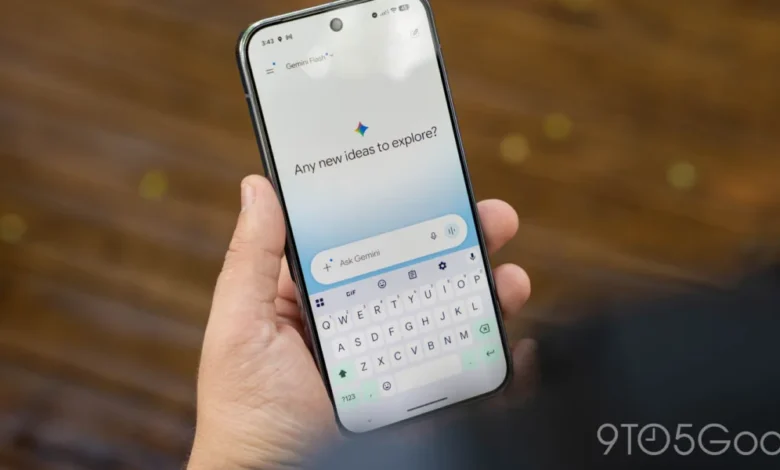
Google has officially announced a significant structural update to its flagship artificial intelligence ecosystem, revealing that the Gemini app will soon phase out "Gems" in favor of a newly developed feature known as "skills." Originally introduced in 2024 as customizable, specialized iterations of the Gemini assistant, Gems are slated to be entirely succeeded by skills beginning November 17, 2026. This transition marks a major pivot in how users personalize and interact with Google’s generative AI models, shifting toward a more integrated, modular, and prompt-accessible framework.
Users accessing the Gems manager interface are now greeted by a prominent system notification outlining the impending change. According to Google’s advisory, the automated migration of existing user-created Gems into the new skills format will commence on November 17, 2026. Until that date, users retain uninterrupted access to their current Gems, ensuring a transitional window for creators and everyday users alike to adapt to the upcoming platform architecture.
Background Context: The Evolution of Custom AI Personalization
The concept of custom AI personas has become a staple of modern generative artificial intelligence platforms. When Google launched Gems in 2024, the feature was designed to address a growing demand for tailored AI interactions. Gems allowed individuals to configure Gemini for specific workflows, such as acting as a dedicated coding assistant, a creative writing partner, or a specialized data analyzer, by establishing custom instructions and behavioral guidelines.
Furthermore, Gems enabled users to anchor specific default tools—such as image generation capabilities or Canvas environments—and upload dedicated files to provide persistent context for ongoing tasks. Users could also share their custom Gems with colleagues and friends via dedicated web links.
However, as user demands shifted toward more fluid, multi-tasking workflows, Google began developing a more streamlined alternative. Skills, which debuted alongside the advanced Gemini Spark platform, share the foundational objective of Gems by allowing users to imbue the AI with custom behavioral instructions. Yet, the underlying mechanical framework of skills has been engineered for superior accessibility and responsiveness within conversational threads.
Chronology of the Transition and Early Rollout Indicators
The announcement of the migration timeline has unfolded in stages, with initial indicators appearing prematurely within user interfaces before official support documentation was fully synchronized.
- 2024: Google introduces Gems, allowing users to build customized, persistent iterations of the Gemini AI assistant with specialized instructions, default tools, and contextual file attachments.
- Gemini Spark Launch: Google unveils "skills" as a modular alternative designed to offer similar customization benefits with enhanced interface integration.
- September 2026: Users begin noticing advisory notices within the Gems manager interface, signaling the definitive end of Gems and setting a hard migration deadline of November 17, 2026.
- Current Status: While the platform interface displays the migration notice, associated support articles and the "Create skills" activation buttons remain in development, indicating a phased software rollout by Google engineering teams.
Analyzing the Functional Differences: Gems Versus Skills
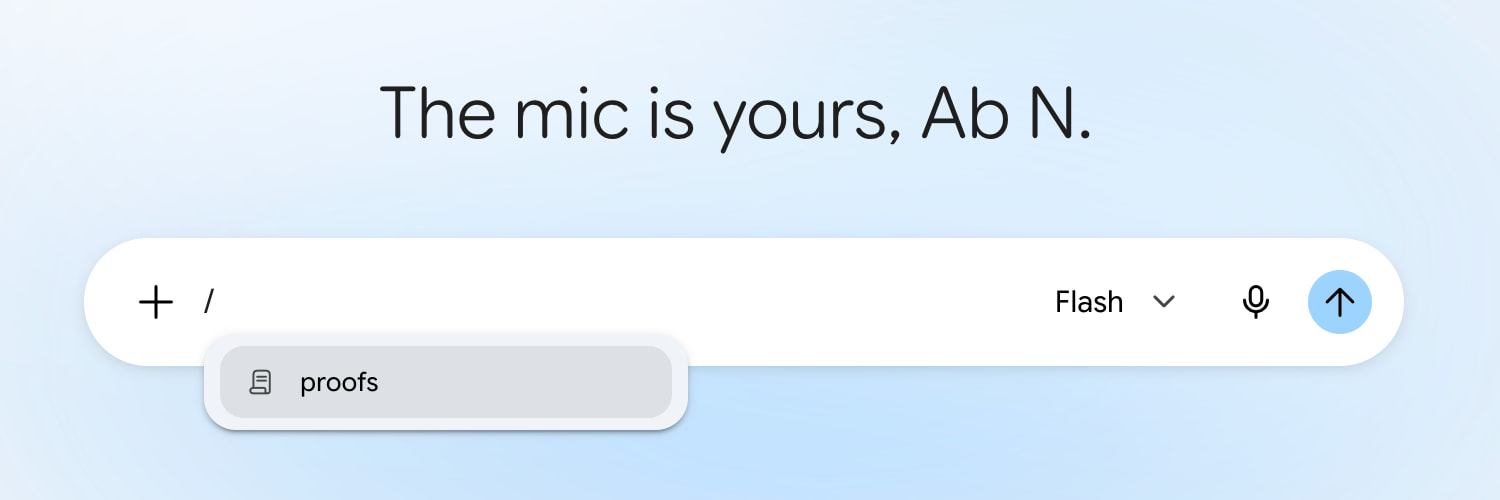
From a user experience perspective, the transition from Gems to skills introduces several distinct workflow modifications. While Gems function as discrete entities often housed within side panels requiring navigation through menus like "My Gems," skills are designed for rapid, inline invocation.
By utilizing a standard forward slash (/) directly within the chat prompt box, users can call upon multiple skills simultaneously within a single conversational session. This eliminates the friction of navigating away from the primary dialogue window to locate and activate specialized instructions. For power users and professionals who rely on rapid context switching—such as transitioning from legal drafting to software debugging within the same chat thread—the slash-command architecture of skills offers a markedly more efficient user journey.
For subscribers of Google AI Pro and AI Ultra tiers, early experimentation with the ecosystem is already underway. Eligible users can access the Gemini Spark tab to construct and test skills, experiencing firsthand how typing a slash inside the chat box transforms the main conversational interface into a multi-faceted command center.
Official Responses and Software Ecosystem Adjustments
As of the initial notification rollout, Google has maintained its standard protocol for major ecosystem updates, leveraging in-app notices to inform the user base. Although the dedicated help article linked via the platform prompt—accessible through support.google.com/gemini?p=gems_to_skills—remains inactive during the early notification phase, technical observers note that the company is actively laying the groundwork for a seamless transition.

Because the migration process is automated, everyday users and enterprise accounts utilizing Gems will not be required to manually rebuild their custom configurations from scratch. Google’s automated systems are programmed to translate existing prompt instructions and parameters into the new skills architecture by the November 17 deadline.
Broader Impact and Implications for AI Workflows
The retirement of Gems in favor of skills reflects a broader industry trend toward modular, composable AI architectures. As large language models become deeply embedded in daily productivity suites, the interface through which humans direct these models must evolve to reduce cognitive and navigational load.
By transitioning from siloed "custom versions" to universally accessible, slash-command-driven "skills," Google is aligning Gemini more closely with command-line efficiency while retaining the underlying depth of personalized context. For businesses, educational institutions, and individual creators who have invested time into developing custom Gems, the automated migration path promises continuity, while the new interface opens up advanced capabilities for multi-skill deployment in real time.
As the November 17, 2026 migration date approaches, developers and everyday consumers alike will be watching closely to see how Google handles edge cases in automated translation and whether additional granular controls will be introduced to maximize the potential of the new skills ecosystem.
Related posts: