DuckDuckGo Privacy Pro Bundle Review: A Comprehensive Analysis of All-in-One Digital Security and Its Market Implications

In an era defined by rapid technological evolution and an unprecedented surge in sophisticated cyber threats—largely exacerbated by generative artificial intelligence—securing one’s digital footprint has transitioned from a niche preference to a critical necessity. Modern cybersecurity strategies increasingly emphasize proactive prevention over reactive countermeasures, prompting consumers to seek out comprehensive suites that shield their personal data before vulnerabilities can be exploited. Among the myriad companies vying for dominance in the digital privacy sector, DuckDuckGo—historically renowned for its uncompromising privacy-focused search engine and dedicated web browser—has introduced an ambitious all-in-one subscription tier: the DuckDuckGo Privacy Pro bundle.
This multi-faceted security package integrates a virtual private network (VPN), an advanced artificial intelligence chatbot interface, and an identity theft restoration service into a single cohesive offering. Designed to streamline online privacy management, the Pro bundle aims to eliminate the friction of juggling disparate security applications. However, at a price point of $19.99 per month—or an annualized rate of $200—the service invites rigorous scrutiny regarding its value proposition, ecosystem limitations, and overall efficacy within a fiercely competitive cybersecurity landscape.
Background Context and the Evolution of DuckDuckGo
Founded in 2008 by Gabriel Weinberg, DuckDuckGo initially carved out a distinct market niche by challenging dominant search monopolies with a strict "no-tracking" policy. Over the subsequent decade and a half, the company systematically expanded its portfolio from a simple search engine into a comprehensive privacy ecosystem. This evolution introduced mobile applications, desktop browsers, email protection features, and app-tracking transparency tools designed to thwart third-party data collection across iOS and Android devices.
The launch of the Privacy Pro bundle represents the company’s most aggressive commercial expansion to date, shifting its business model further into premium subscription services. Historically, DuckDuckGo monetized primarily through privacy-respecting contextual advertising and affiliate links. By pivoting toward a bundled subscription model, the company is directly challenging established cybersecurity titans, password managers, and standalone VPN providers. This strategic shift reflects broader industry trends where consumers are increasingly willing to pay for centralized, trusted digital privacy ecosystems rather than navigating a fragmented marketplace of single-purpose utilities.
Core Features of the Privacy Pro Bundle
The DuckDuckGo Privacy Pro bundle aggregates three primary pillars of digital protection, each engineered to address specific vulnerabilities in modern web consumption.
1. The Integrated Virtual Private Network (VPN)
At the heart of the Pro bundle is a proprietary VPN designed to encrypt user traffic and obscure IP addresses from internet service providers, local network administrators, and malicious actors. Unlike traditional standalone VPNs that boast thousands of servers across dozens of countries, DuckDuckGo’s infrastructure is more centralized, with server concentrations primarily limited to the United States and Europe. While this suffices for standard browsing and basic privacy fortification, users operating outside these regions—such as those in the Middle East or parts of Asia—may experience discernible latency due to physical distance from server nodes.
Nevertheless, the VPN includes robust foundational safety mechanisms, most notably a permanent, non-negotiable default kill switch. This feature automatically severs internet transmission if the encrypted tunnel experiences an unexpected drop, thereby preventing unencrypted data leakage. Furthermore, a single subscription permits simultaneous coverage across up to five distinct devices, safeguarding desktop computers, laptops, and mobile phones under a unified digital umbrella.
2. Identity Theft Restoration Services
Recognizing that digital privacy extends far beyond web browsing, DuckDuckGo has integrated an identity theft restoration feature into the Pro tier. Rather than building this capability entirely in-house, the company partnered with Iris, a recognized leader in identity protection and cyber-fraud mitigation.
Subscribers who fall victim to identity theft or financial fraud are granted direct access to specialized recovery experts. These professionals assist victims in untangling fraudulent transactions, filing reimbursement claims with commercial banking institutions, and rectifying erroneous credit report entries stemming from illicit activity. This partnership bridges the gap between software-based preventative measures and human-centric crisis management.
3. Privacy-Centric Advanced AI Chatbots
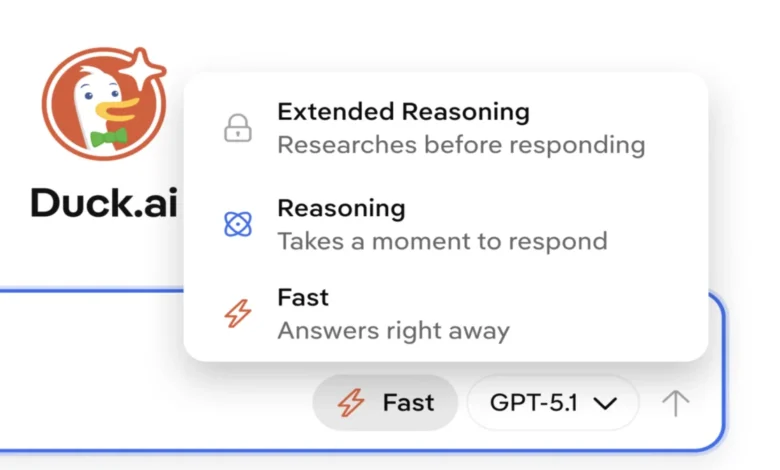
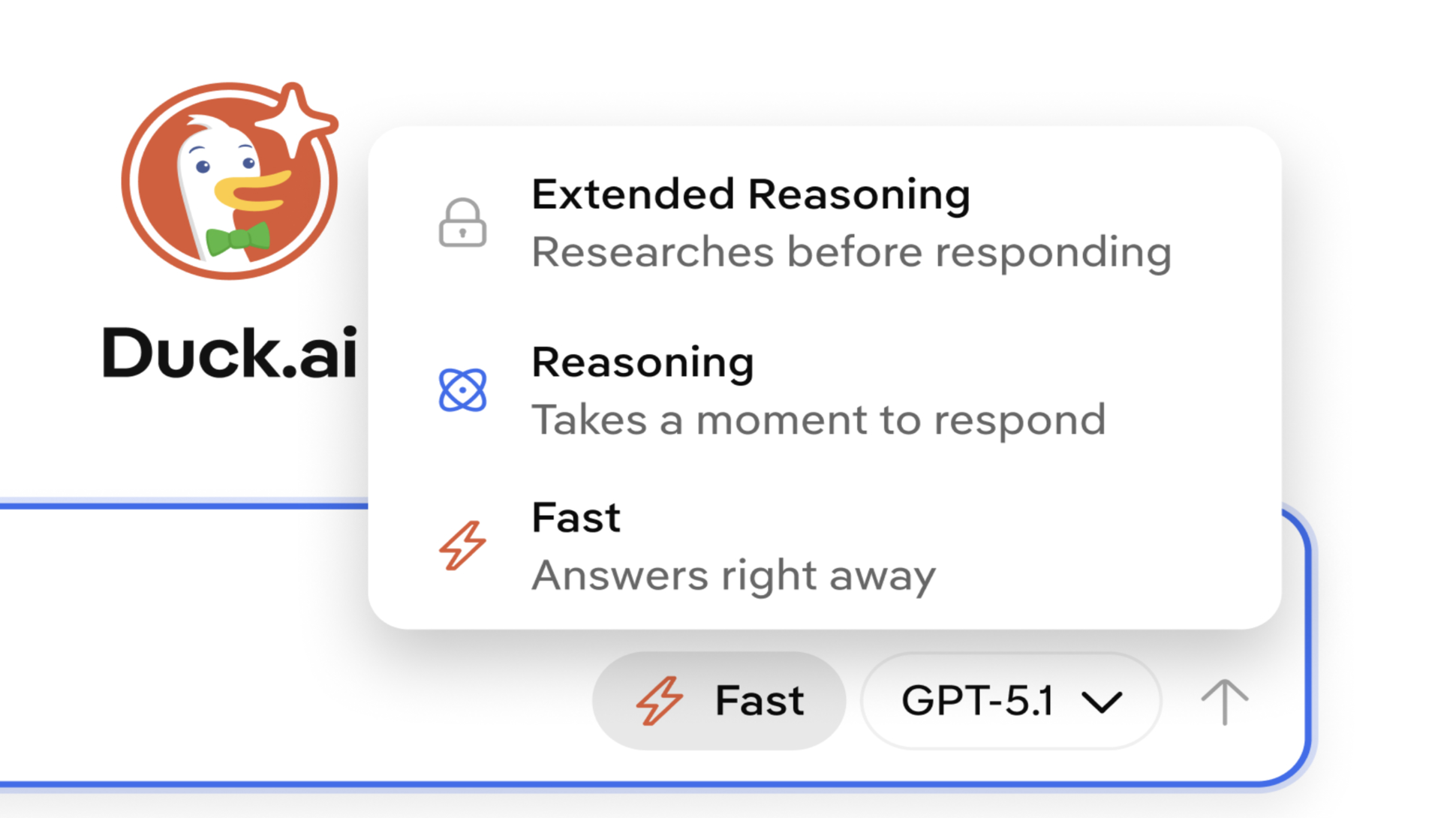
As generative artificial intelligence permeates daily computing, data privacy concerns regarding user prompts and conversational histories have escalated. To address this, the DuckDuckGo Pro bundle incorporates access to advanced AI chatbots—specifically leveraging architectures from industry leaders like OpenAI’s ChatGPT and Anthropic’s Claude—wrapped within a privacy-preserving framework. This integration allows subscribers to utilize sophisticated large language models without sacrificing personal data to corporate training pipelines, while simultaneously eliminating the financial burden of maintaining multiple independent AI subscriptions.
Pricing Structure and International Variations
DuckDuckGo employs a straightforward, albeit premium, pricing architecture for the Privacy Pro tier. Month-to-month subscribers face a fee of $19.99 per month. For users committing to a long-term agreement, an annual subscription is available at a discounted rate of $200, which effectively reduces the monthly cost to approximately $17.
Internationally, pricing scales to account for regional taxes and currency fluctuations. United Kingdom subscribers, for instance, encounter a flat rate of £19.99 monthly or £200 annually, which translates to roughly $27 USD per month when factoring in local value-added taxes.
To allow prospective customers to evaluate the service, DuckDuckGo provides a 7-day free trial. While this evaluation window is notably shorter than the industry standard of 14 to 30 days offered by many competing cybersecurity platforms, it provides adequate time to test core functionalities. Cancellation policies permit users to terminate subscriptions at any time; however, the absence of a clearly defined, automated money-refund guarantee policy may require consumers to engage in customer support inquiries to secure reimbursements.
Ecosystem Constraints and Ease of Use
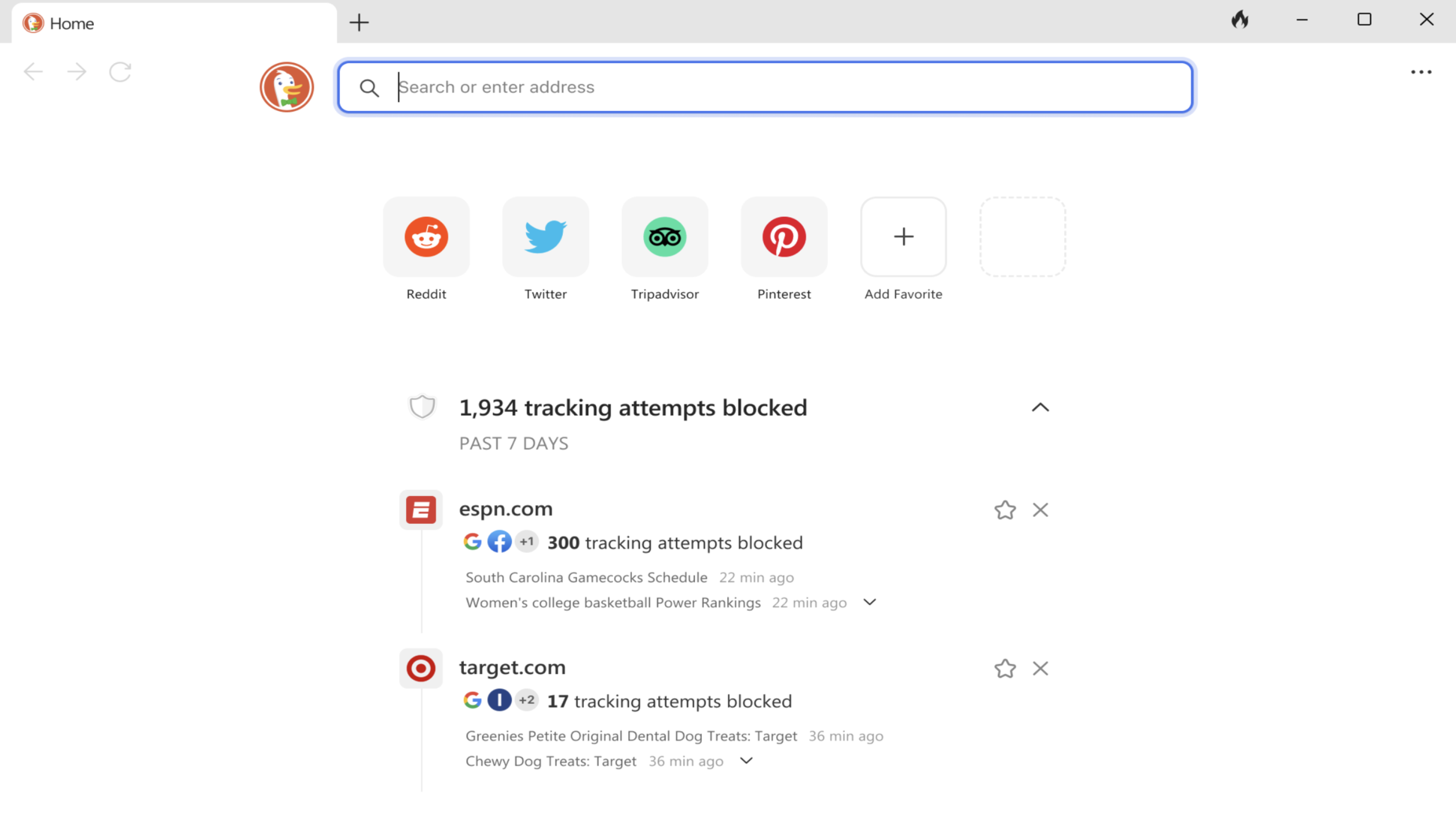
Despite its feature-rich composition, the primary friction point of the DuckDuckGo Privacy Pro bundle lies in its rigid ecosystem requirements. All Pro features—including the VPN, AI integrations, and tracking protections—are exclusively compatible with the official DuckDuckGo browser, available for Windows, macOS, iOS, and Android.
The service does not extend its enhanced capabilities to mainstream web browsers such as Google Chrome, Microsoft Edge, or Mozilla Firefox. Consequently, adopting the Pro bundle necessitates a behavioural shift, requiring users to abandon established browser preferences and adapt to DuckDuckGo’s proprietary browsing environment. While the browser interface is streamlined and intuitive, transitioning from feature-heavy ecosystems like Chrome—which supports vast extension libraries—presents a moderate learning curve for average consumers.
Customer Support Infrastructure
Support resources for Privacy Pro subscribers present a mixed empirical profile. DuckDuckGo maintains an exhaustive, well-structured knowledge base and frequently asked questions (FAQs) directory that addresses common setup hurdles, privacy mechanics, and troubleshooting protocols.
For direct assistance, users must rely on asynchronous communication channels, submitting inquiries via email or dedicated web forms. The company also fosters a peer-to-peer support community via a dedicated Reddit forum where staff members occasionally moderate and assist. However, the conspicuous absence of real-time support channels—such as 24/7 live chat or telephone assistance—is a notable drawback, particularly given the premium $19.99 monthly price point commanded by the service.
Competitive Landscape and Market Analysis
Evaluating the DuckDuckGo Privacy Pro bundle requires contextualizing its hybrid nature within a segmented security market. Because the bundle merges a browser, a VPN, AI access, and identity restoration, direct direct comparisons are complex.
In the realm of privacy-focused browsers, notable alternatives include Brave. While DuckDuckGo prioritizes minimalist simplicity, Brave offers advanced granular privacy controls, extensive extension compatibility mirroring standard Chromium engines, and a robust rewards ecosystem. Similarly, users seeking dedicated virtual private networks often turn to specialized market leaders like Surfshark or Windscribe, both of which provide expansive global server fleets spanning dozens of countries—vastly outnumbering DuckDuckGo’s limited U.S. and European footprint.
Despite these single-category advantages, DuckDuckGo’s core value proposition rests entirely on consolidation. For consumers weary of managing multiple fragmented subscriptions across different vendors, the Pro bundle delivers a competent, unified toolkit that addresses multiple digital threat vectors simultaneously.
Implications and Final Assessment
The introduction of the DuckDuckGo Privacy Pro bundle marks a significant maturation in the commercialization of digital privacy tools. By synthesizing secure browsing, encrypted tunneling, AI access, and human-backed identity restoration into a single SKU, DuckDuckGo has crafted an appealing product for privacy-conscious digital citizens seeking simplicity.
Nevertheless, the service’s high monthly cost, regional VPN server limitations, lack of real-time telephone support, and strict browser exclusivity present legitimate operational friction. For users already committed to the DuckDuckGo ecosystem who prioritize convenience and consolidated billing over granular customization, the Pro bundle represents a powerful defense against modern online tracking and cyber threats. Conversely, power users accustomed to specialized, standalone utility software may find the financial investment difficult to justify against more flexible market competitors.