AMVR BS1 Head Strap Review: The Ultimate Cooling and Ergonomic Upgrade for Meta Quest 3 and Quest 3S

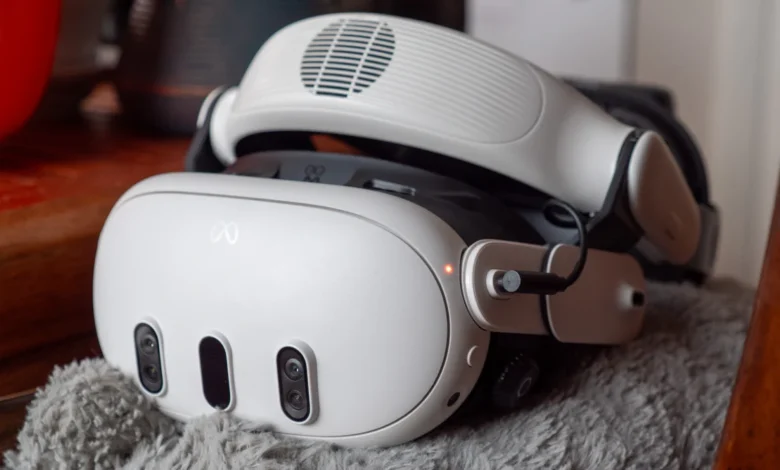
The evolving landscape of virtual reality accessories has continually prioritized user comfort, addressing long-standing issues such as facial pressure, heat accumulation, and limited battery longevity. Among third-party manufacturers, companies like AMVR and BoboVR have established themselves as industry leaders by engineering modular solutions that significantly enhance the stock experience of mainstream headsets. The latest iteration of the AMVR BS1 head strap arrives as a comprehensive hardware refresh tailored specifically for the Meta Quest 3 and Quest 3S. Designed to mitigate heat buildup and extend gameplay sessions, this upgraded accessory introduces a sophisticated blend of ergonomics, active airflow technology, and magnetic power distribution.
Main Facts and Core Hardware Specifications
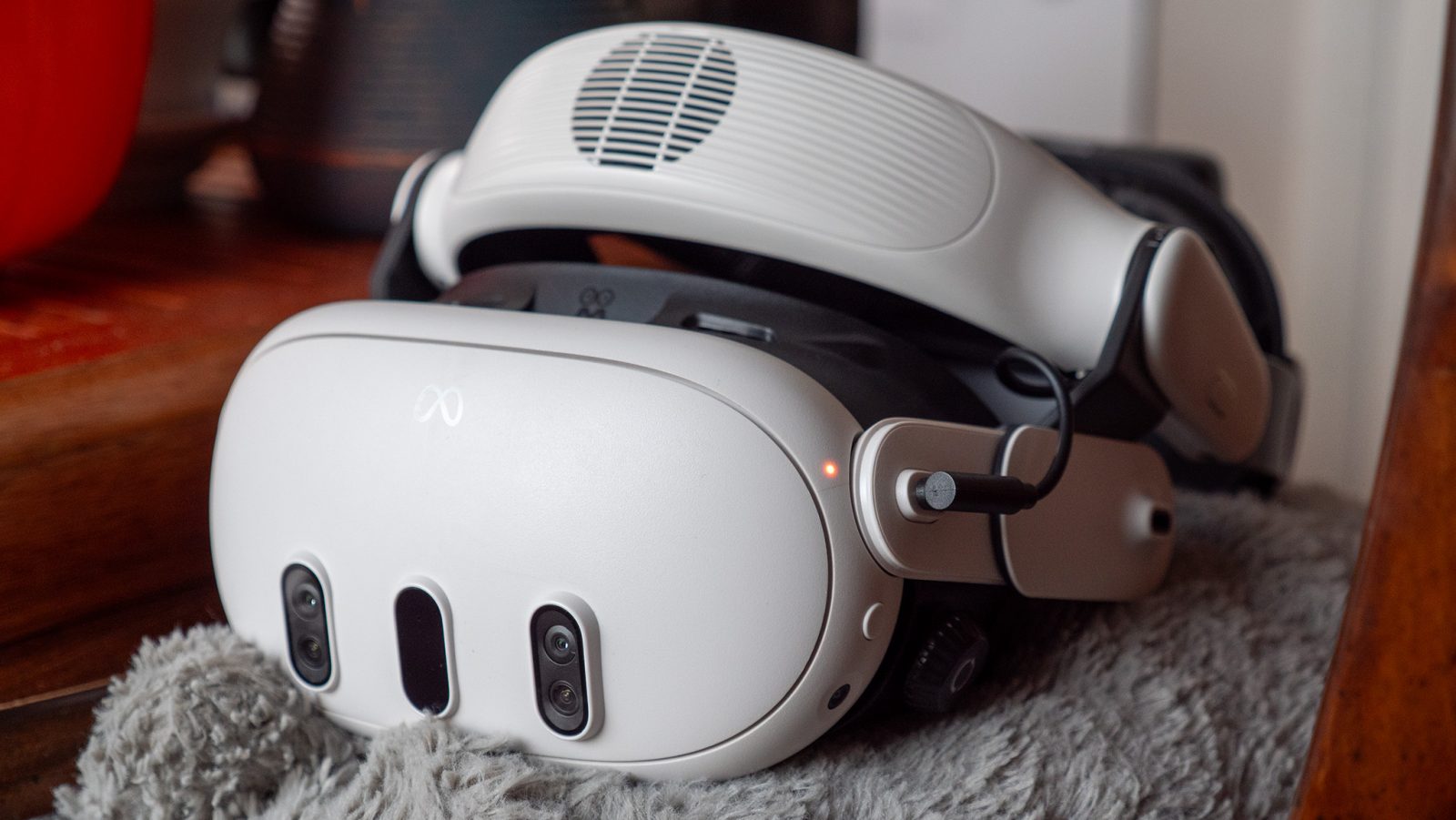
At its foundational level, the AMVR BS1 is engineered to replace the rigid or soft stock cloth head straps provided out-of-the-box by Meta. The stock strap, while functional for casual users, frequently draws criticism for placing excessive pressure on the user’s facial bones, causing rapid fatigue during extended sessions. The BS1 addresses this structural shortcoming through a multi-point weight distribution system.
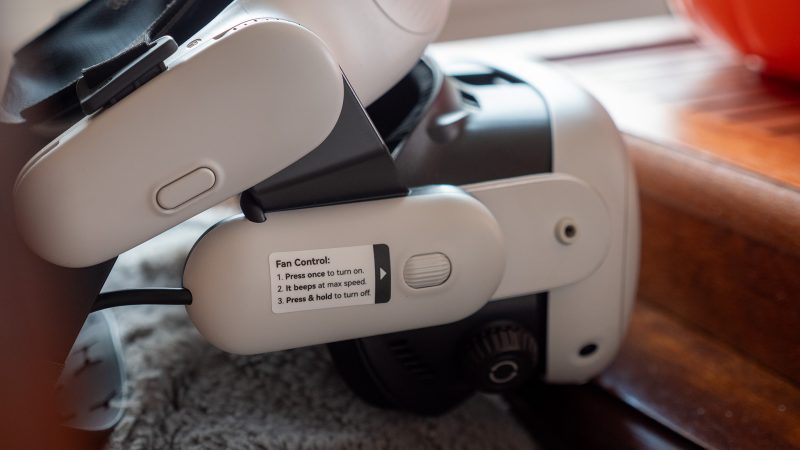
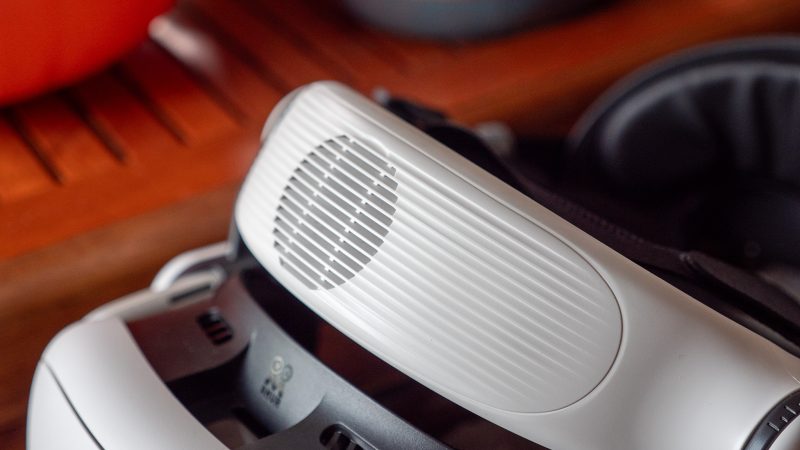
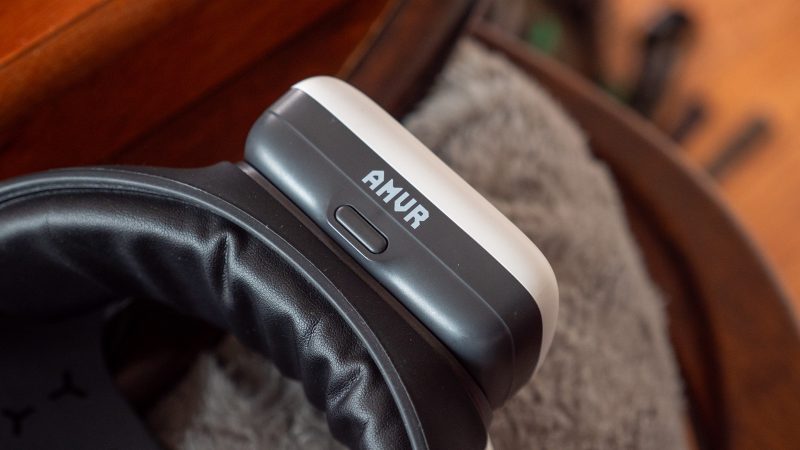
The centerpiece of the accessory’s comfort architecture is its breathable forehead pad, which connects via a secure magnetic mounting mechanism to the primary structural support bar. Embedded within this support structure is a variable-speed cooling fan. Controlled via a discreetly integrated recessed wheel situated on the right side of the head strap, the fan actively circulates air across the user’s forehead. This targeted airflow serves a dual purpose: it significantly reduces perspiration during intense, physically demanding virtual reality applications—such as rhythm games or fitness programs—and it actively prevents the optical lenses from fogging up due to temperature differentials between the user’s skin and the internal hardware.
Complementing the active cooling system is a magnetically detachable, rechargeable 8,800mAh battery pack. Mounted securely to the rear cradle of the head strap, the battery serves a functional equilibrium by counterbalancing the front-heavy weight of the Meta Quest 3 or Quest 3S chassis. Furthermore, the power unit interfaces directly with the headset via a dedicated charging cable, seamlessly extending operational playtimes by approximately four hours. For power users requiring uninterrupted sessions, the magnetic design allows for rapid swapping of depleted cells with auxiliary power packs.
Chronology of VR Ergonomics and Industry Evolution
The trajectory of virtual reality hardware comfort has undergone a dramatic transformation since the commercialization of standalone headsets. Early iterations of standalone and tethered hardware routinely relied on simple elastic or fabric straps that forced the entirety of the headset’s weight against the user’s cheekbones and brow line.
As the consumer base expanded beyond early adopters into mainstream gaming, fitness, and enterprise sectors, third-party manufacturers recognized a critical market gap. Accessories evolved from simple silicone face covers to sophisticated halo-style rigid straps. Companies like BoboVR introduced counterweighted battery systems, while AMVR focused on weight distribution and specialized padding. The introduction of active ventilation systems marked the next logical evolution in the timeline of VR accessories. Early fan attachments were often bulky, loud, and poorly integrated into the headset’s chassis. The AMVR BS1 represents a maturation of this technology, embedding the cooling mechanism seamlessly into the structural ergonomics of a fully adjustable head strap rather than treating it as an external afterthought.
Supporting Data, Ergonomic Design, and Materials
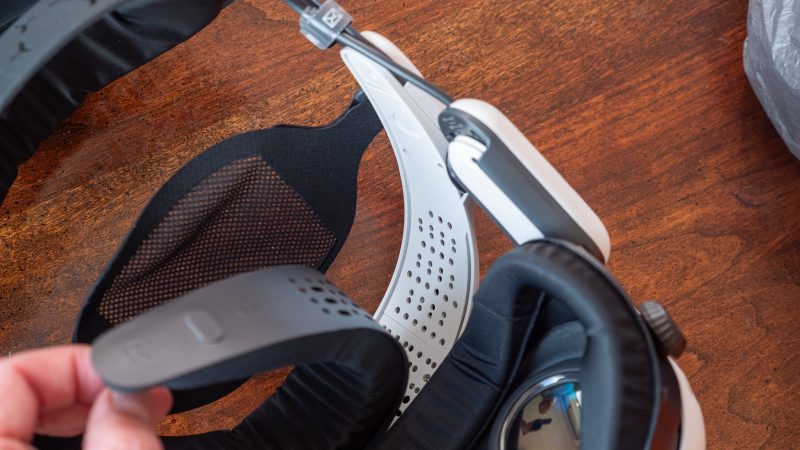
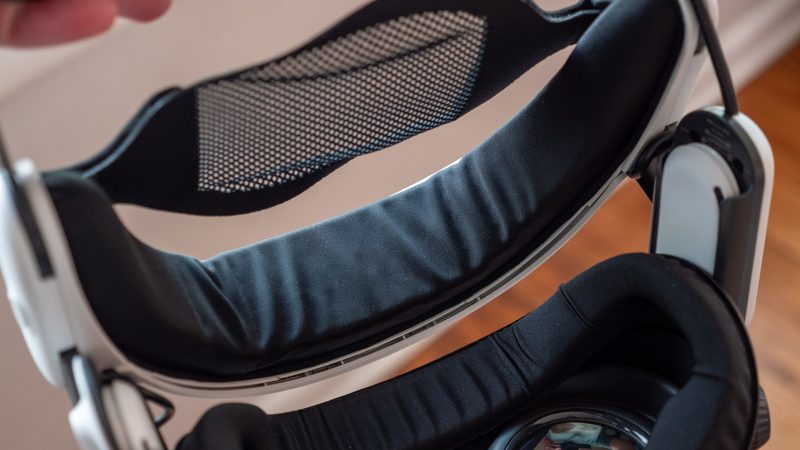
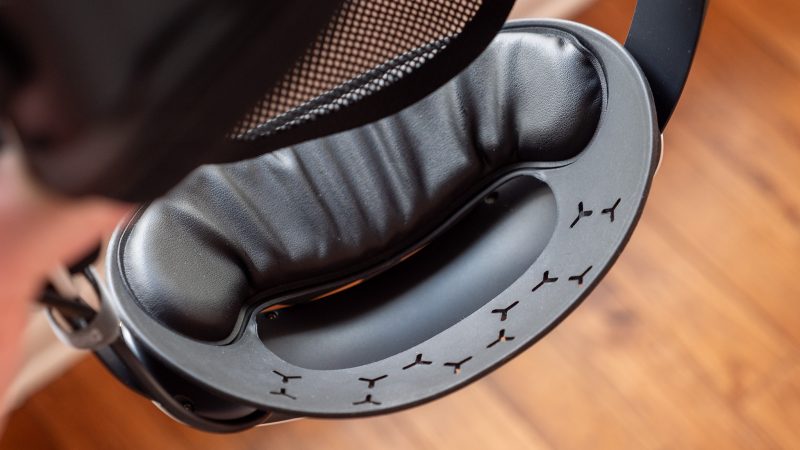
A critical analysis of the AMVR BS1 reveals meticulous attention to material science and structural engineering. The rear cranial cradle utilizes a hybrid construction combining supple memory foam padding with a grippy silicone lining. This dual-material approach serves distinct ergonomic functions: the foam conforms to the contours of the user’s skull to evenly distribute clamping force, while the silicone friction layer prevents the headset from sliding downward, thereby alleviating pressure on the sensitive cheek area.
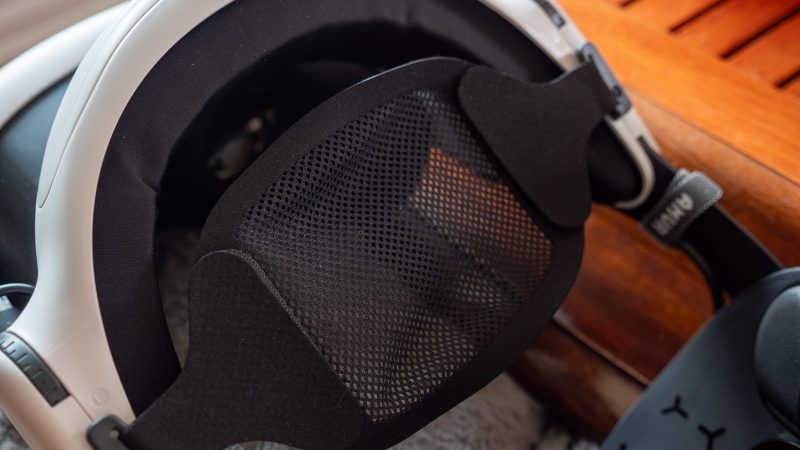
Additionally, the top support strap is constructed from a durable, highly breathable mesh material. This element accepts the vertical load of the headset, suspending the hardware securely above the user’s face rather than relying on facial compression to maintain stability. Every padding component across the BS1 framework is fully detachable, washable, and replaceable, ensuring long-term hygiene—a crucial feature for multi-user environments, enterprise deployments, or fitness enthusiasts.
Market Positioning and Competitive Analysis
Within the current accessories market, the AMVR BS1 positions itself as a premium, feature-rich offering. Competing directly against established alternatives such as the BoboVR M3 Pro+, the BS1 justifies its higher price point through its inclusion of an integrated active cooling system. While the BoboVR M3 Pro+ is frequently lauded for its exceptional halo-style comfort and retails at approximately $17 less than the BS1, its omission of a built-in fan leaves a distinct performance gap for users prone to heavy perspiration or lens fogging.
To further enhance the ecosystem, AMVR offers complementary modular accessories, such as the AMVR FC4M face pad. Designed specifically for the Meta Quest 3, this magnetically attached face interface utilizes advanced breathable materials that mirror the ergonomic philosophy of the BS1 strap, providing an additional layer of thermal management and facial comfort.
Broader Industry Implications and Market Impact
The commercial success of comprehensive upgrade solutions like the AMVR BS1 underscores a fundamental reality of consumer electronics: out-of-the-box hardware often requires third-party ecosystem support to achieve optimal ergonomic performance, particularly for niche or prolonged use cases like virtual reality.
As standalone headsets such as the Meta Quest series continue to bridge the gap between casual media consumption, social VR, high-end gaming, and professional productivity, the demand for modular, health-conscious accessories is expected to accelerate. Manufacturers are no longer judged solely on processing power and visual fidelity, but increasingly on the physical sustainability of wearing the device for hours at a time. The integration of active cooling and smart power management sets a new benchmark for accessory design, signaling to original equipment manufacturers that future hardware iterations must inherently address thermal comfort and weight distribution from the initial design phase.