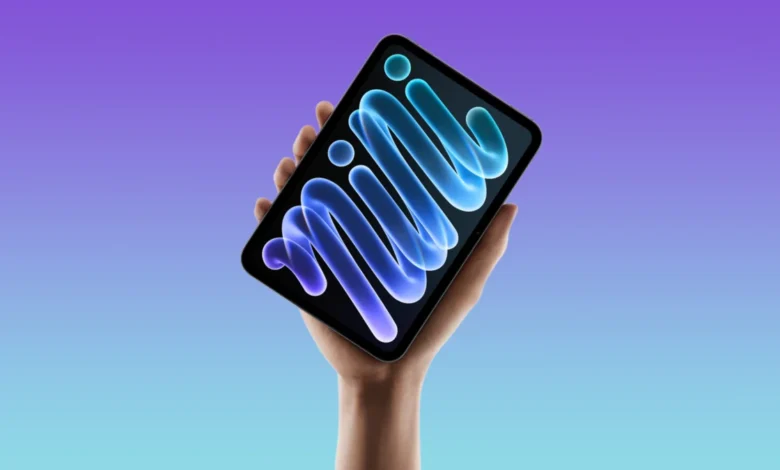
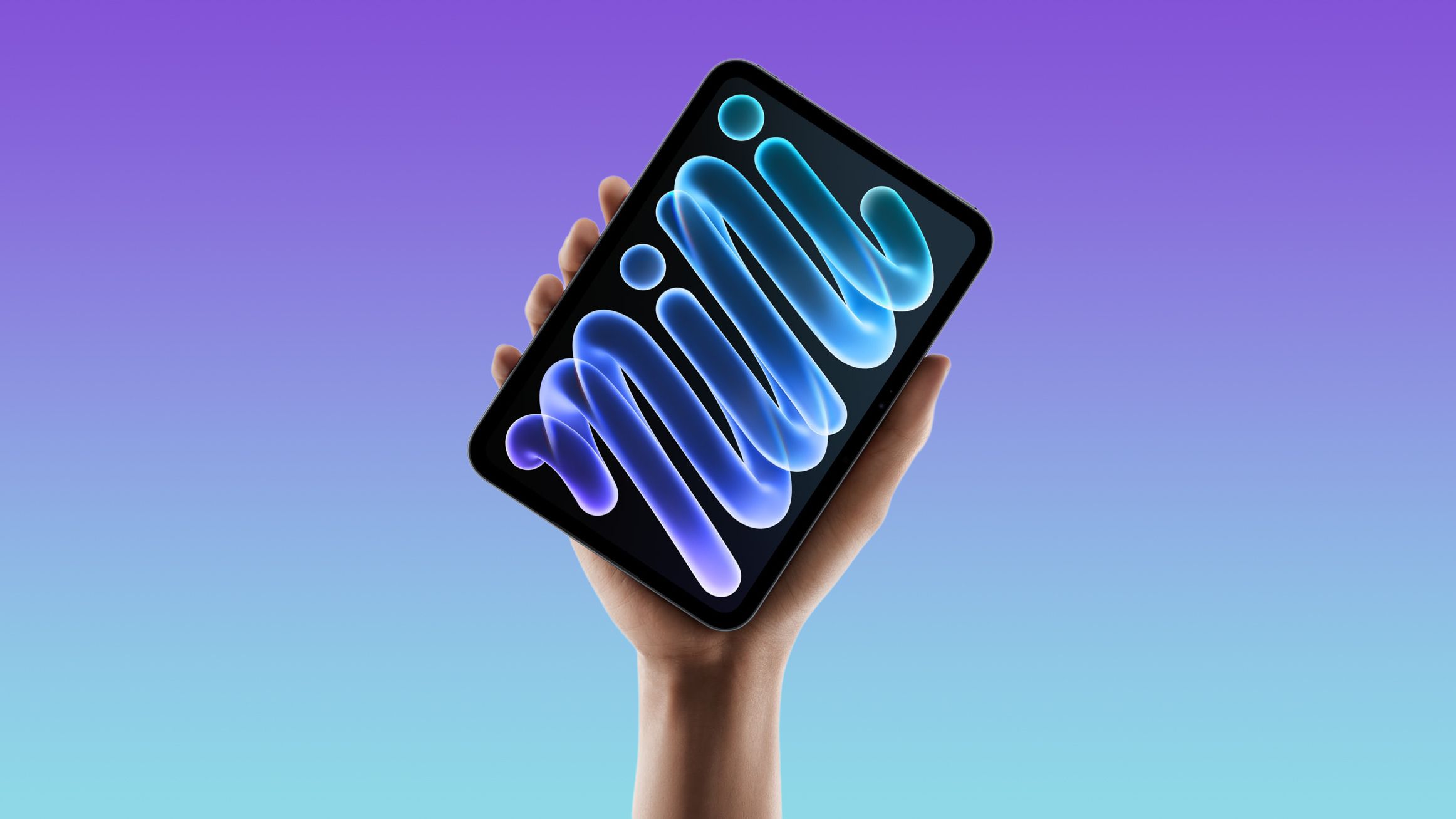
The arrival of the newly announced iPad mini has sparked significant discussion among tech enthusiasts and industry analysts alike, particularly regarding the display technology implemented in Apple’s latest compact tablet. While the transition to an OLED panel represents a major leap in visual fidelity for the product line, the absence of ProMotion—Apple’s proprietary adaptive refresh rate technology—remains a point of contention. As consumers weigh the merits of the device’s $699 starting price, Apple’s vice president of hardware design, David Pakula, has stepped forward to clarify the engineering philosophy behind this decision, emphasizing that the inherent advantages of OLED technology may outweigh the necessity of a 120Hz refresh rate for the device’s target demographic.
The Technical Evolution of the iPad Mini Display
For years, the iPad mini has relied on traditional LCD technology, which, while capable, suffered from limitations regarding contrast and pixel response times. The 2026 iteration marks a departure from this standard, introducing a sophisticated 8.5-inch OLED display. OLED technology fundamentally changes how a screen produces imagery; unlike LCDs, which require a backlight to illuminate pixels, OLED pixels are self-emissive. This allows for individual pixels to be turned off completely, resulting in "true black" levels and a theoretically infinite contrast ratio—Apple officially rates the new panel at 2,000,000:1.
Beyond mere contrast, the shift to OLED has significant implications for motion clarity. In an interview with tech commentator Christopher Lawley, David Pakula addressed the omission of the 120Hz ProMotion feature. ProMotion, which has become a hallmark of the iPad Pro series, allows a display to adjust its refresh rate dynamically between 10Hz and 120Hz to balance battery efficiency with fluid motion. Pakula argued that the display experience should be evaluated holistically rather than by a single technical specification.
"Display experience is about more than just a single spec," Pakula stated. "One of the things that’s really cool about OLED is it actually has this really fast pixel response time. It is more than an order of magnitude faster than the pixel response time for an LCD display. What that does is it makes everything really smooth. Motion blur is significantly reduced compared to LCD. When you pair that with the other things that I mentioned, the contrast, the brightness, and the color, this is just a killer display."
A Timeline of the 2026 Hardware Launch
The unveiling of the new iPad mini was part of a broader, aggressive late-year product refresh by Apple. The rollout began in early October 2026, as rumors surrounding the transition to OLED panels for both the iPad mini and the MacBook Pro intensified. On October 8, reports from Bloomberg signaled that Apple was preparing for a significant launch event scheduled for the final week of October.
This culminated in an exclusive media experience held in Los Angeles on October 28, where Apple executives showcased the new hardware to select members of the press. The announcement of the iPad mini occurred alongside the introduction of the M6-powered 14-inch MacBook Pro and a revamped lineup of smart home devices. Pre-orders for the iPad mini opened immediately following the event, with an official retail launch set for Friday, November 6, 2026. This schedule reflects Apple’s strategy to position its hardware for the upcoming holiday quarter, targeting professional users and casual consumers who have been awaiting a significant performance boost for the smaller form factor.
Comparative Analysis: Why 60Hz Persists
The decision to limit the iPad mini to 60Hz is a strategic segmentation move by Apple. By reserving ProMotion for the iPad Pro line, the company maintains a clear performance distinction between its "pro-tier" tablets and its consumer-focused models. However, the introduction of the A20 Pro chip in the new iPad mini suggests that the device is more than capable of handling high-refresh-rate tasks.
From an engineering perspective, the choice of a 60Hz panel may also be driven by power management and thermal constraints within the thinner, lighter chassis of the new mini. While the A20 Pro chip provides immense processing power, maintaining a high-refresh-rate display requires additional GPU cycles and battery resources. By focusing on the inherent benefits of OLED—namely the 600-nit standard brightness, 1,200-nit peak HDR brightness, and the elimination of the "ghosting" effect common in older LCDs—Apple is attempting to offer a premium viewing experience without the added complexity of variable refresh rate circuitry.
The technical specifications of the display remain impressive by industry standards. With a pixel density of 326 pixels per inch (PPI) and P3 wide color gamut support, the screen is calibrated for color accuracy. The 2,000,000:1 contrast ratio ensures that the device remains highly legible in varying lighting conditions, a critical feature for a tablet designed for portability and outdoor use.
Market Implications and Industry Response
The reception of the new iPad mini has been largely positive regarding its design improvements, such as the new Acoustic Display audio system that removes physical speaker holes, and its IP67-rated water and dust resistance. However, the "missing" 120Hz feature has sparked a wider conversation about whether 60Hz is becoming outdated for premium-priced mobile devices.
In 2026, the standard for mobile devices in the $600 to $800 price range is increasingly shifting toward high-refresh-rate panels. Competitors have begun integrating 90Hz and 120Hz screens into mid-range tablets, putting pressure on Apple to justify its hardware choices. Industry analysts suggest that Apple’s decision is unlikely to dampen sales significantly, given the strong brand loyalty associated with the iPad mini’s form factor, but it does highlight a divergence between the company’s internal philosophy and evolving market expectations.
Furthermore, the integration of the N1 chip for advanced Wi-Fi 7 and Bluetooth 6 connectivity demonstrates that the new iPad mini is designed for longevity. By providing a future-proofed wireless stack and a high-performance processor, Apple is positioning the device as a long-term investment, even if the display refresh rate remains a point of compromise.
Conclusion
The new iPad mini represents a significant milestone for Apple’s tablet portfolio. The transition to OLED, combined with the power of the A20 Pro chip, delivers a tablet that feels substantially more refined than its predecessors. While the absence of ProMotion will undoubtedly disappoint power users who seek the fluidity of a 120Hz refresh rate, Apple’s commitment to superior pixel response times and industry-leading contrast ratios offers a compelling alternative. As the device hits store shelves on November 6, the market will soon see if these technical trade-offs align with the demands of the modern consumer, or if the "Pro" features will eventually need to trickle down to the smaller, more portable members of the iPad family. For now, the iPad mini stands as a testament to Apple’s belief that the holistic display experience—brightness, color, and contrast—is the primary driver of user satisfaction in the current mobile landscape.