Apple AirPods 5 with Wireless Charging Review: Value, Performance, and the Apple Ecosystem

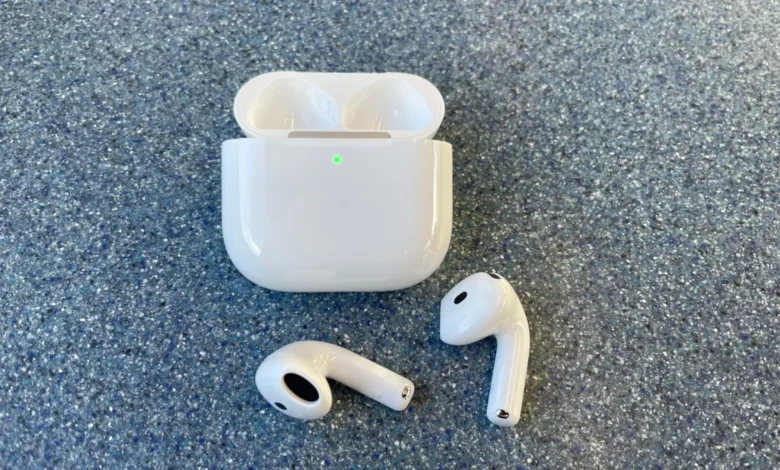
Apple’s audio hardware division has long maintained a dominant market share in the personal listening sector, yet its pricing strategies and tiered feature sets frequently invite consumer scrutiny. The introduction of the AirPods 5 series marks another evolution in the company’s entry-to-mid-tier offerings. Positioned directly above the standard AirPods 5, the Apple AirPods 5 with Wireless Charging retail at $149 / £139 / AU$249. This model introduces a handful of critical hardware and software upgrades over its baseline counterpart, most notably wireless charging compatibility, enhanced Active Noise Cancellation (ANC) performance, on-stem volume control, and an upgraded charging case equipped with integrated audio indicators for device pairing and Apple’s Find My network.
Background Context and Product Positioning
The release of the AirPods 5 generation comes at a time of intense competition within the sub-$150 true wireless earbuds market. Historically, Apple separated its product lines clearly: standard AirPods lacked Active Noise Cancellation, while the more expensive Pro models featured robust isolation, customizable silicone ear tips, and advanced health sensors.
With the AirPods 5 lineup, Apple has shifted its approach. Both the base model and the wireless charging variant incorporate Active Noise Cancellation, creating a narrower gap between the tiers. However, the $20 / £20 price difference for the wireless charging variant buys specific functional upgrades that address common user complaints from previous generations. These include a force sensor with volume-swipe capability on both stems, an upgraded acoustic case capable of emitting status pings, and an additional hour of playback stamina with ANC enabled.
Design, Ergonomics, and Build Quality
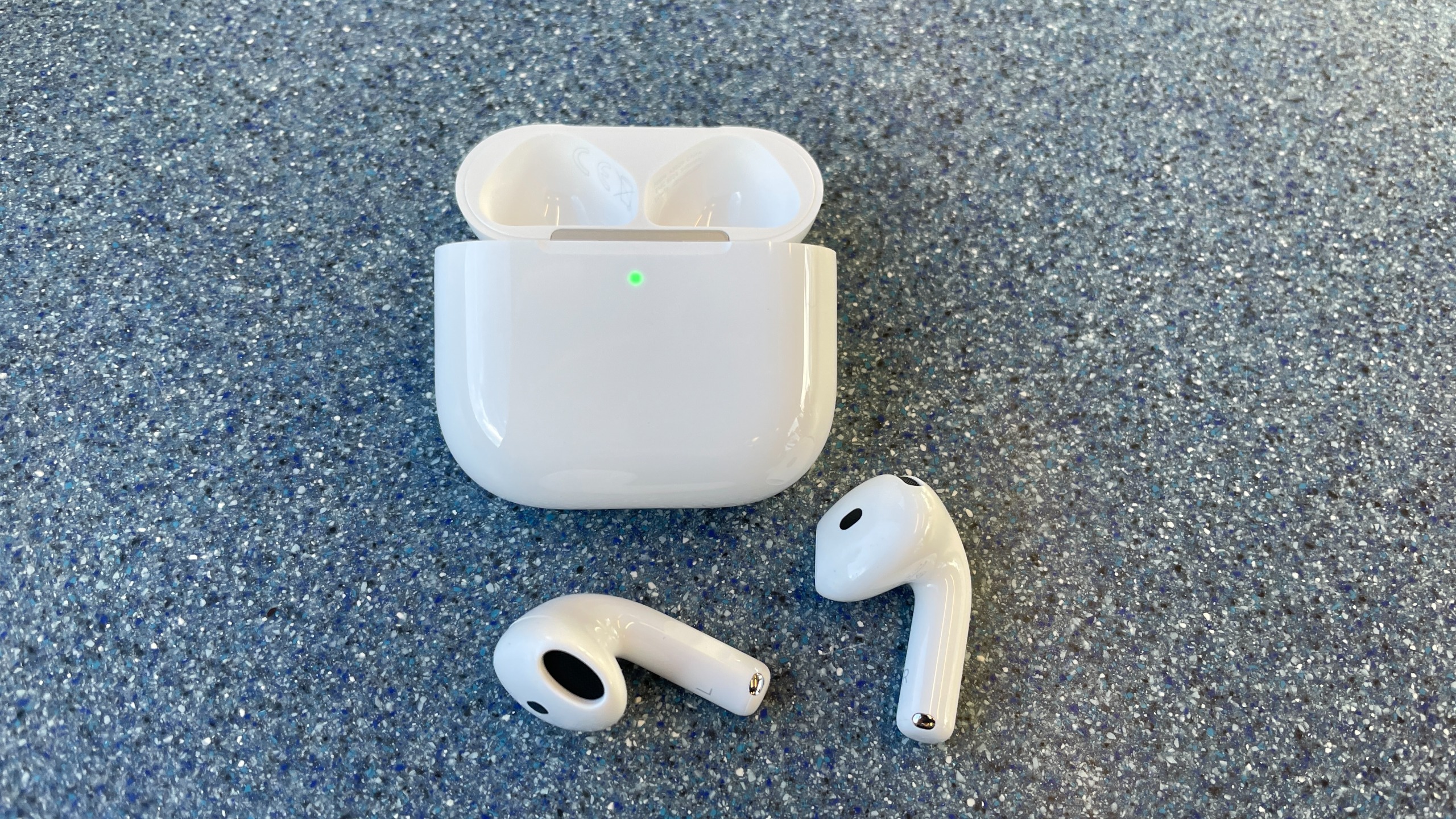
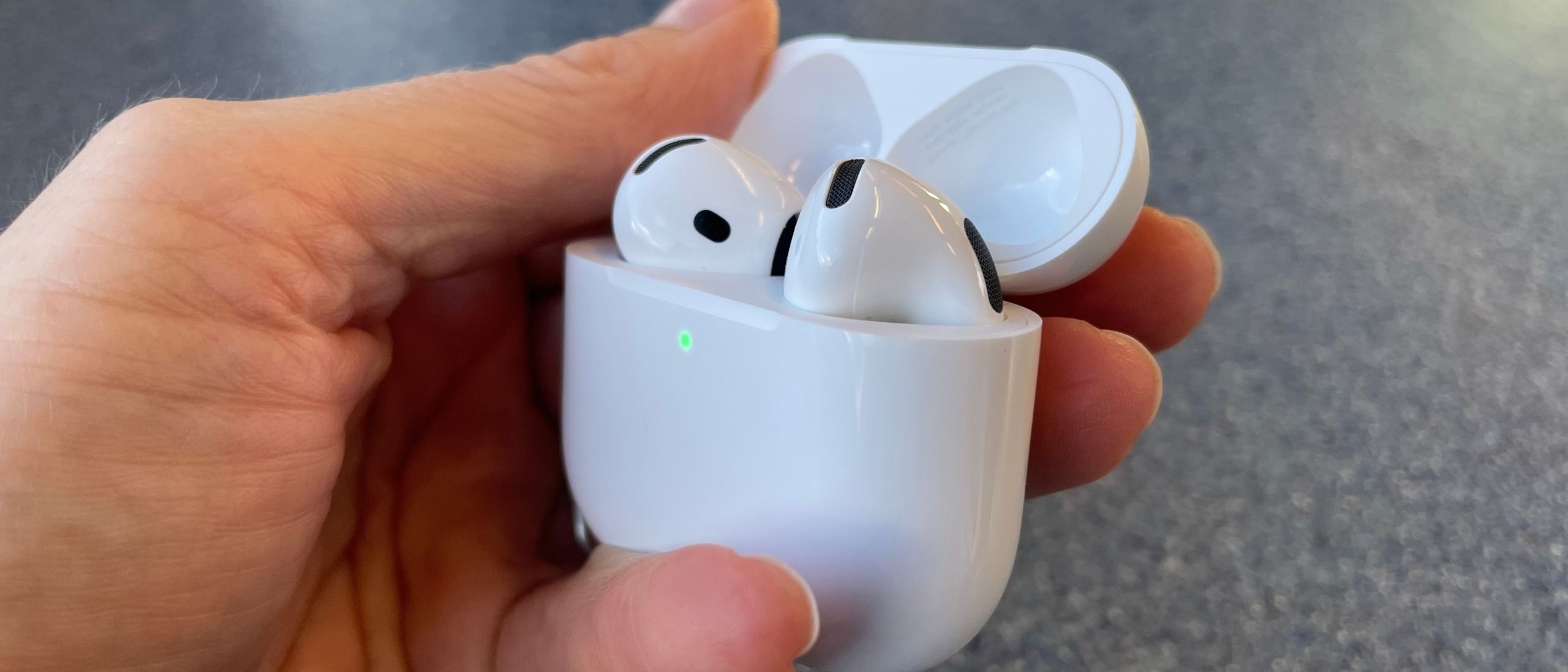
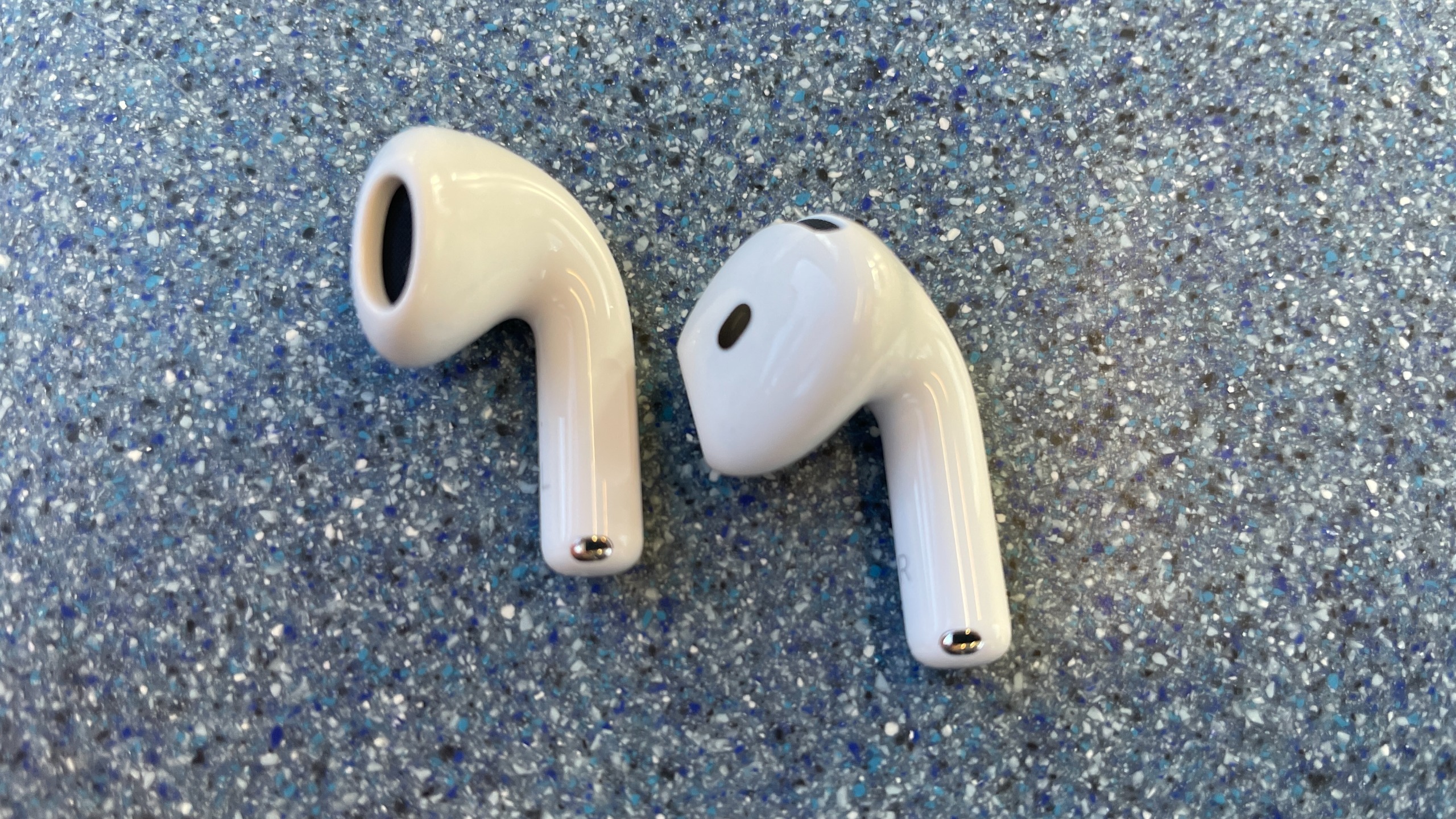
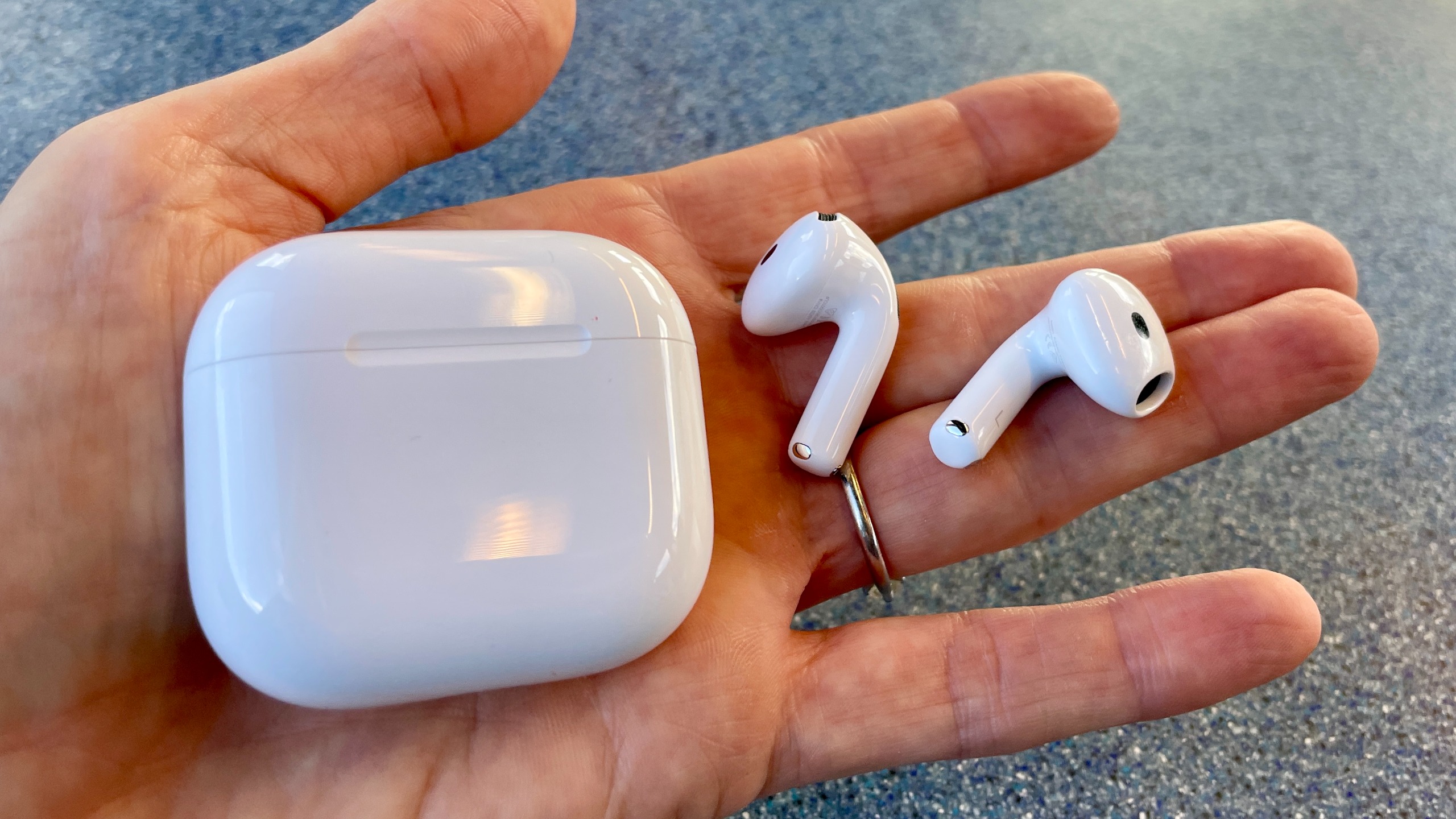
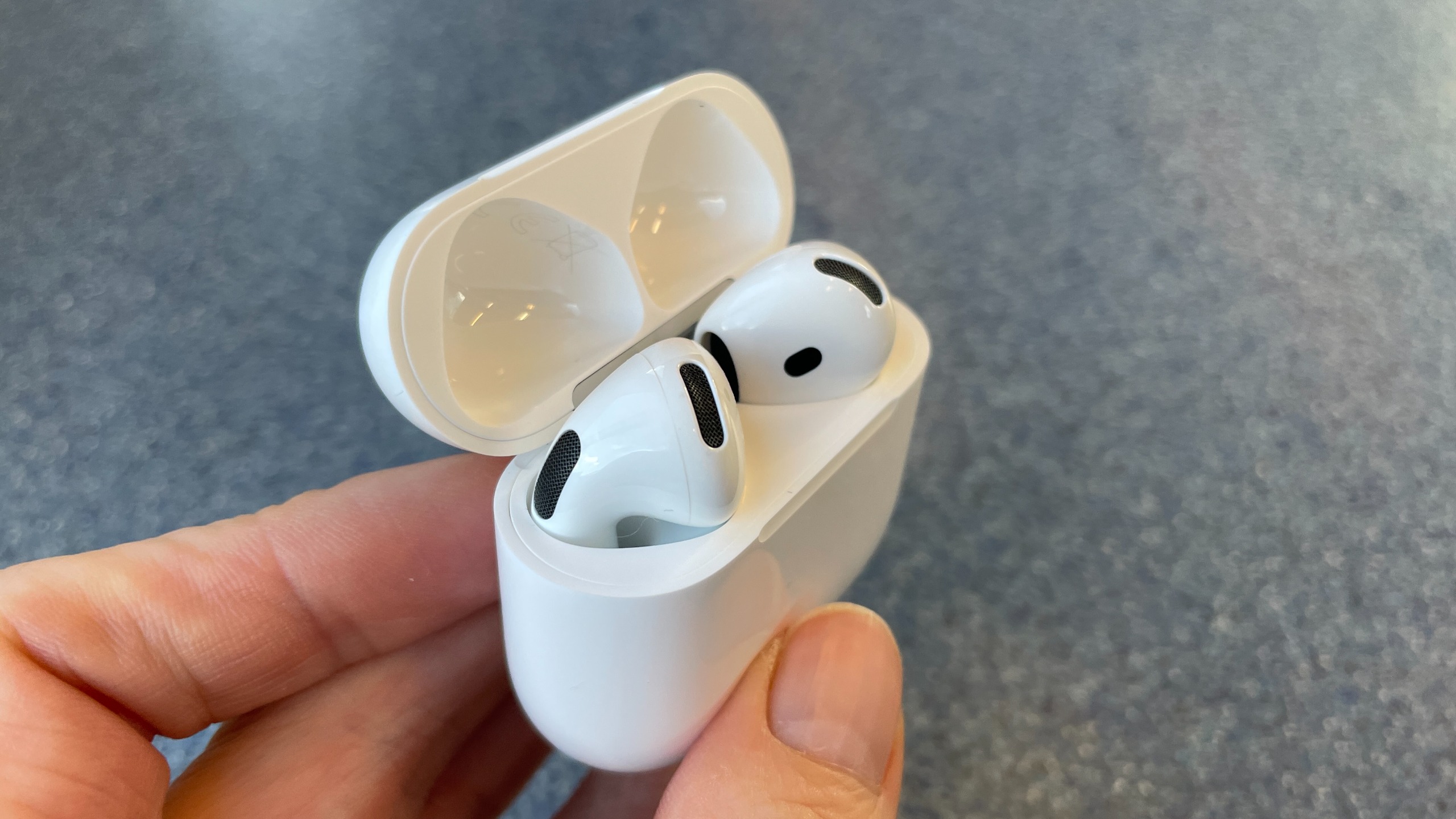
In terms of physical design, the AirPods 5 with Wireless Charging retain Apple’s signature open-fit architecture. Unlike the AirPods Pro 3, which rely on a silicone tip to create an airtight seal inside the ear canal, the AirPods 5 sit loosely in the ear, tracing a lineage back to the company’s traditional wired EarPods.
This open-fit design polarizes consumers. Fans of the style praise the lack of pressure in the ear canal and the ease of slipping them in and out without a "twist-to-lock" mechanism. Conversely, the lack of a physical seal limits passive noise isolation and makes the earbuds less suitable for high-intensity athletic activities where vigorous movement could dislodge them. Nevertheless, the earbuds carry an IP57 water and dust resistance rating, matching the durability of more expensive alternatives.
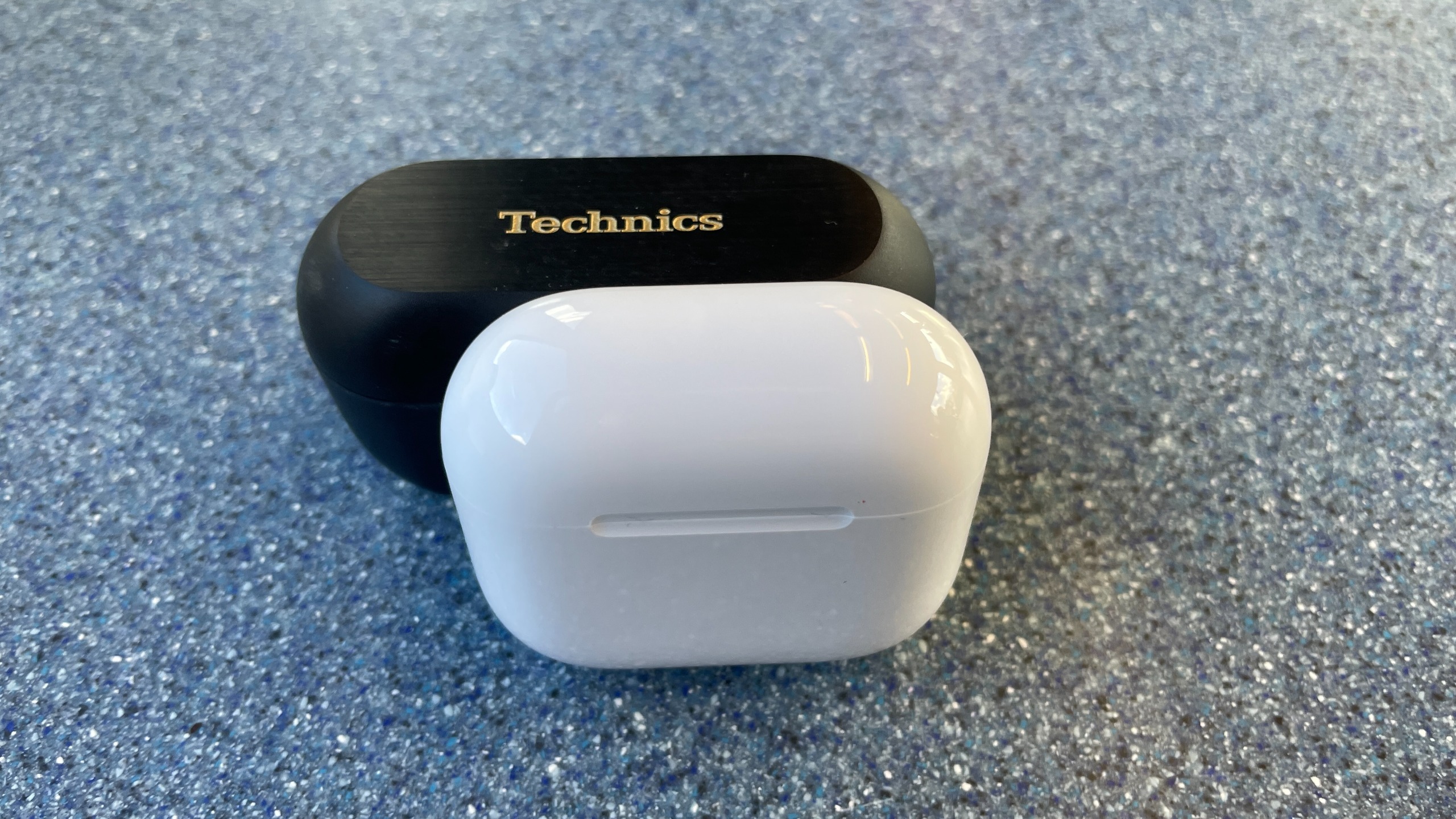
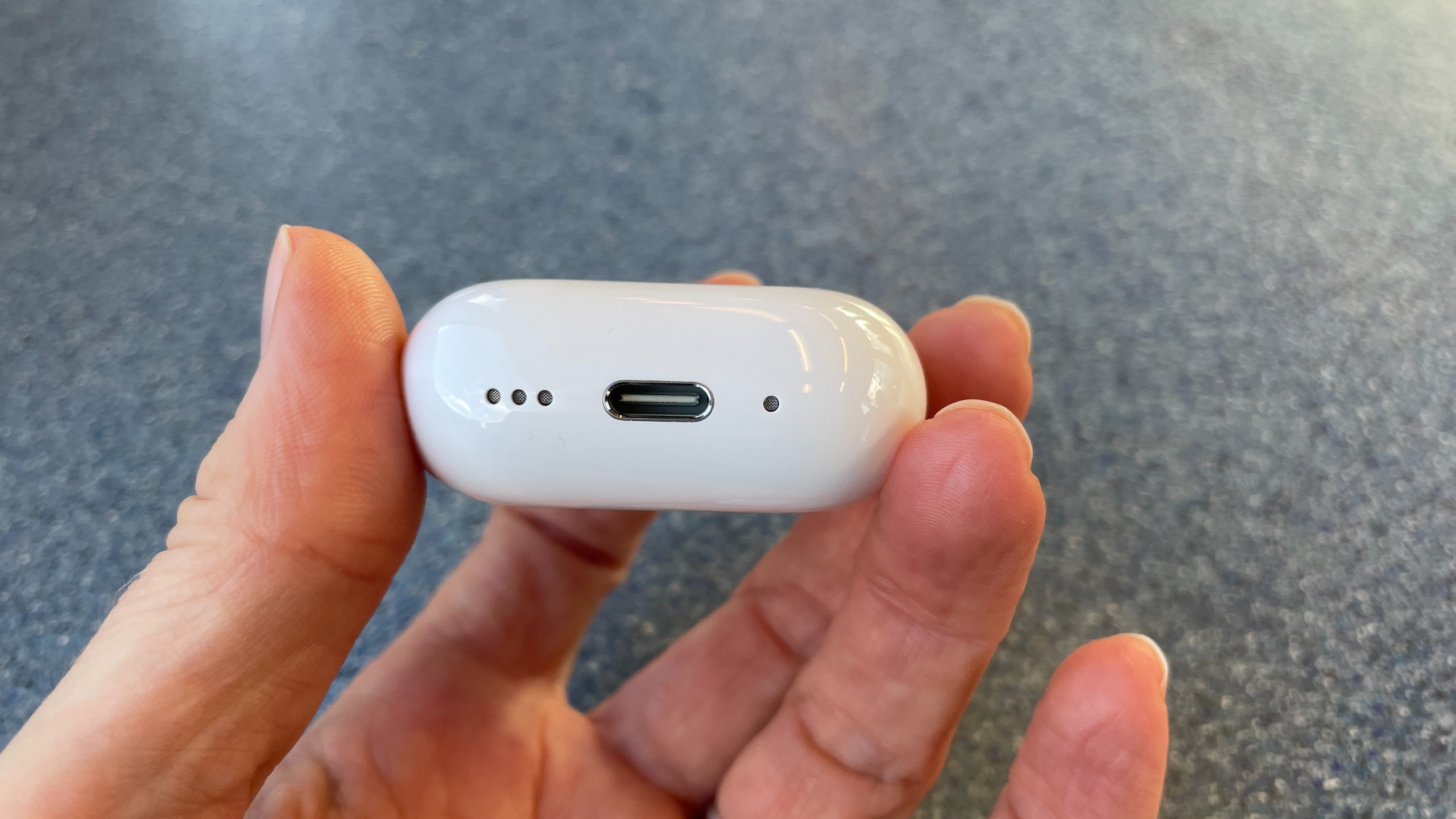
The charging case is remarkably compact, designed to slip effortlessly into a pocket without feeling structurally fragile. The integration of a built-in speaker allows the case to emit audible pairing pings and assist users via the Find My application—a practical feature absent from the base model.
Audio Performance and Core Technologies
Powered by Apple’s H2 chip, the AirPods 5 with Wireless Charging punch well above their weight class regarding sonic output and processing capabilities. While they lack support for high-resolution audio codecs like LDAC—a limitation common to Apple’s audio ecosystem—they compensate with proprietary processing.
Apple’s head-tracked Personalized Spatial Audio delivers an expansive soundstage. Testing with tracks ranging from Fontaines D.C.’s driving instrumentation to Brandon Flowers’ vocal deliveries reveals a high degree of spatial separation and instrument layering. While critical listeners seeking flat, uncolored frequency responses will likely look toward specialized hi-fi brands, the AirPods 5 deliver an engaging, energetic sound profile tailored to mainstream music consumption.
Active Noise Cancellation (ANC) represents one of the most significant generational leaps for this tier. Apple asserts that the ANC performance on the AirPods 5 is roughly 50% more effective than that of the previous AirPods 4 generation. Real-world testing confirms this claim; ambient urban sounds, household hums, and transit noise are significantly attenuated when Adaptive or Regular ANC modes are engaged.
Advanced Software Integration: Live Translation and Conversation Awareness
Deep integration into the iOS ecosystem unlocks several advanced software perks, though their utility depends heavily on hardware and software prerequisites. The Live Translation (Beta) feature, introduced for supported devices running iOS 26 or later with Apple Intelligence enabled, requires an iPhone 15 Pro or newer.
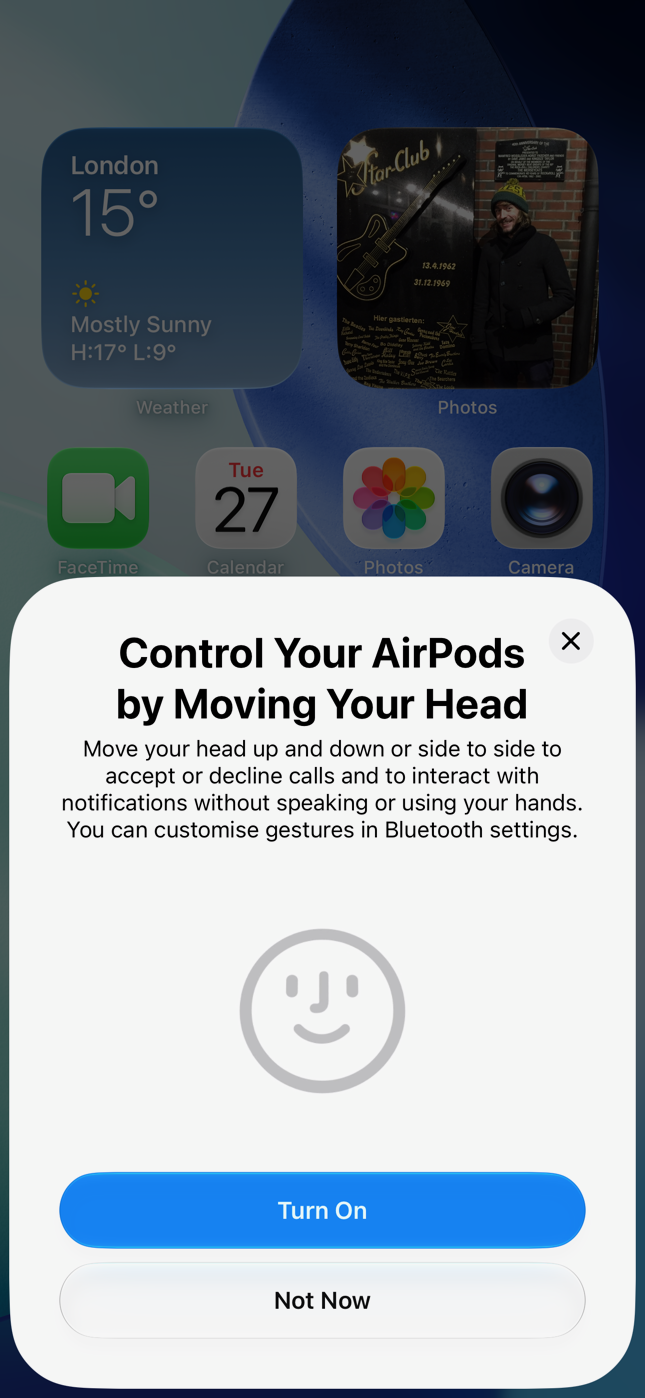
By squeezing both stems of the earbuds, users can initiate real-time translation pipelines. During testing, the feature demonstrated remarkably low latency, piping translated dialogue directly into the wearer’s ears while interfacing smoothly with external speakers. This is paired with Conversation Awareness, a feature that automatically lowers music playback volume and amplifies external voices the moment the wearer begins speaking.
Battery Life and Longevity Concerns
Despite the extensive feature set, battery life remains the most persistent point of critique for the AirPods 5 with Wireless Charging. The earbuds deliver up to five hours of continuous playback with ANC enabled (rising to seven hours with ANC turned off), and a total of approximately 22 hours when factoring in the charging case.
In 2026, a five-hour single-charge endurance falls short of several key competitors in the budget and mid-tier wireless earbud market. Furthermore, technical analysts point to the implications of lithium-ion (Li-ion) battery degradation. Because users relying heavily on a five-hour charge limit will frequently cycle the batteries to high states of charge, chemical aging is accelerated over time, potentially reducing the long-term lifespan of the hardware.
Market Competition and Ecosystem Lock-In
The $149 / £139 / AU$249 price bracket is fiercely contested. Rivals such as the Nothing Ear (a) and the Earfun Air Pro 4 Plus offer robust feature sets, often boasting superior battery longevity and broader codec support for Android users. Meanwhile, Sony’s over-ear and in-ear offerings provide alternative form factors at competitive price points.
For users firmly entrenched in the Apple ecosystem—utilizing an iPhone, iPad, and Mac—the AirPods 5 with Wireless Charging offer unmatched convenience, pairing speed, and feature integration. However, for Android users or those seeking advanced biometric tracking such as heart-rate monitoring and specialized hearing health suites, Apple’s higher-end AirPods Pro 3 remain the more appropriate, albeit more expensive, choice.
Final Verdict and Market Implications
The Apple AirPods 5 with Wireless Charging successfully bridge the gap between basic wireless listening and the advanced capabilities previously reserved for Apple’s Pro tier. By incorporating effective ANC, on-stem volume controls, spatial audio, and innovative tools like Live Translation into a sub-$150 package, Apple has created a compelling value proposition for iPhone owners.
Yet, compromises remain. The limited five-hour battery life and the inherent restrictions of an open-fit design prevent the device from achieving a flawless review score. For consumers prioritizing ecosystem synergy, everyday convenience, and strong noise cancellation over marathon battery longevity, the AirPods 5 with Wireless Charging stand as a formidable choice in the current audio landscape.