Motorola is preparing to revive the iconic Moto One smartphone series after a five-year hiatus as evidenced by new regulatory filings.

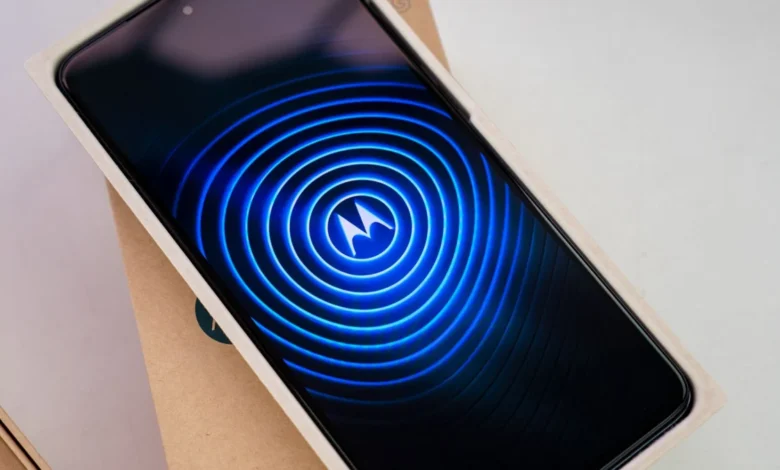
The mobile landscape is shifting rapidly, and Motorola, a subsidiary of Lenovo, appears to be digging into its own archives to revitalize its brand portfolio. Following a lengthy period of silence regarding the "Moto One" branding—a series once synonymous with Google’s ambitious Android One initiative—new evidence suggests the moniker is poised for a significant comeback. This development arrives alongside the highly anticipated Motorola Signature 27, a flagship device that industry analysts suggest will mark a pivotal moment in the company’s efforts to compete at the ultra-premium tier.
The Return of a Legacy Lineup
The Moto One series first debuted in 2018 as a strategic response to the market’s demand for software longevity and a streamlined user experience. At its core, the original Moto One devices operated on the Android One platform, which guaranteed timely security patches and OS upgrades directly from Google, stripped of heavy OEM skins. This approach was highly successful in capturing the budget-conscious consumer who prioritized performance and security over superfluous software features.
However, as Motorola’s proprietary software suite—notably the "My UX" interface—matured and gained popularity, the necessity for the Android One partnership waned. By 2020, the company had quietly phased out the branding to focus on its own software ecosystem. The discovery of a new Moto One device in the Wireless Power Consortium (WPC) database suggests that Motorola may be pivoting back to a strategy that emphasizes brand familiarity and potential software-focused value propositions.
Chronology and Regulatory Discovery
The recent appearance of the device in the Wireless Power Consortium (WPC) database serves as the most credible evidence to date of this product’s existence. The WPC, which oversees the Qi wireless charging standard, mandates that manufacturers submit devices for certification before they reach the retail market.
The filing, which includes a visual schematic of the handset, depicts a device with a modern aesthetic that aligns closely with the design language seen in the 2025 Motorola Edge series. The hardware shown in the filing features a distinctive, elegantly curved display that spills over the left and right edges, a hallmark of Motorola’s design philosophy over the last three years. The camera housing, positioned in the traditional top-left corner, mirrors the sleek, functionalist approach the brand has adopted to differentiate its hardware from the competition.
Technical Specifications and Charging Capabilities
While the WPC database is primarily concerned with power transmission, it has inadvertently revealed key details about the upcoming phone’s hardware architecture. The listing confirms that the device will support the Qi2 wireless charging standard, marking a move toward the latest industry benchmarks.
However, there is a technical nuance regarding the implementation. The documentation indicates that the device utilizes the Extended Power Profile (EPP) rather than the Magnetic Power Profile (MPP). For the average consumer, this means the device is compliant with the efficiency standards of Qi2, but it lacks the internal magnet array required for "snap-on" accessories. This decision aligns the device with other high-profile Android flagships, such as those from Samsung, which support the core benefits of Qi2 wireless charging—such as improved heat management and faster, more reliable energy transfer—without necessitating a magnetic attachment ring on the chassis.
In terms of performance, industry leaks indicate that the device is being engineered to bridge the gap between high-end mid-range and true flagship status. Reports suggest the inclusion of the Qualcomm Snapdragon 8 Gen 5 processor, a formidable chipset that promises substantial gains in AI-driven processing and power efficiency. With a projected 12GB of RAM, the device is positioned to handle intensive multitasking, signaling that the "new" Moto One may not be the budget-oriented device of the past, but rather a robust contender in the premium segment.
Broader Industry Implications
The revival of the Moto One brand carries significant weight for the smartphone market. In recent years, Motorola has seen a resurgence in its market share, particularly in North America and Latin America, by focusing on "accessible premium" devices. By bringing back the Moto One name, the company is likely attempting to tap into the brand equity established during the late 2010s while simultaneously distancing this new device from the often-congested Edge and G-series lineups.
This strategy serves two primary functions. First, it allows Motorola to target a specific consumer demographic that values software purity, potentially positioning the new Moto One as a direct competitor to Google’s own Pixel "a-series." Second, it provides the company with a fresh canvas to experiment with new software paradigms without the expectations attached to their existing flagship lines.
Analysis of the Competitive Landscape
The smartphone market currently faces a stagnation in hardware innovation, leading manufacturers to rely more heavily on brand nostalgia and long-term software support. Samsung and Google have set the bar high with seven-year update cycles. If Motorola intends to position the new Moto One as a serious player, the software experience will be the critical differentiator.

Analysts at various mobile research firms suggest that if the new Moto One can successfully integrate the performance of the Snapdragon 8 Gen 5 with a simplified, bloatware-free software experience—effectively a spiritual successor to the original Android One ethos—it could disrupt the mid-to-high-end tier. The challenge, however, remains the saturation of the market. To succeed, Motorola must ensure that the "One" branding represents a clear, distinct value proposition that differentiates it from the existing Edge series.
Looking Ahead
While Motorola has not yet released an official statement or a press release confirming the return of the series, the presence of the device in a regulatory database is a definitive indicator of a nearing launch window. Historically, devices appearing in WPC filings tend to enter mass production within one to three months.
The tech community is now watching for further certification filings, specifically from the FCC (Federal Communications Commission) or Bluetooth SIG, which would provide more granular details regarding connectivity, battery capacity, and regional availability. As the mobile industry prepares for the next cycle of hardware releases, the return of a legacy name like Moto One could be the catalyst that allows Motorola to re-establish its dominance in the competitive Android space.
For now, the technical community remains in a holding pattern, waiting to see if the internal specifications can match the premium aesthetic showcased in the recent leaks. The combination of Qi2 compliance, a high-performance Snapdragon processor, and a revived brand identity makes the Moto One one of the most anticipated wildcard releases of the upcoming product cycle. Whether this is a nostalgic rebranding exercise or a genuine attempt to reshape the middle-to-high-end market, Motorola’s next move will be closely scrutinized by consumers and competitors alike.