Hacker team Calif demonstrates persistent jailbreak on iPhone 18 Pro in Lockdown Mode

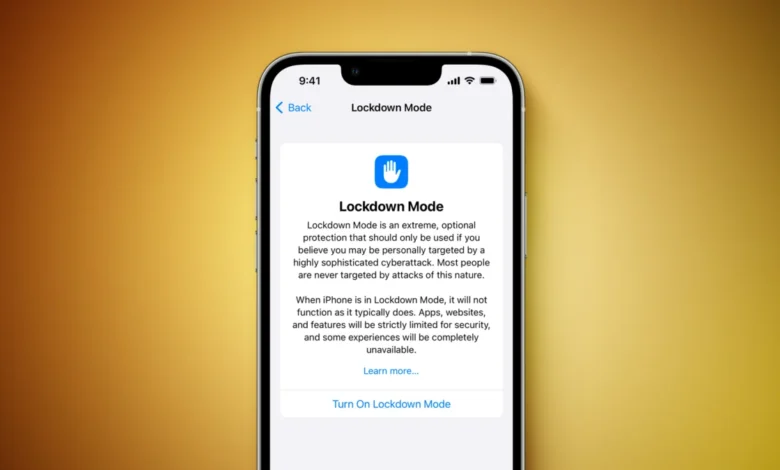
The security landscape surrounding Apple’s mobile ecosystem faced a significant challenge this week as the research group known as Calif unveiled a sophisticated exploit capable of compromising an iPhone 18 Pro while the device was running in Apple’s highly touted "Lockdown Mode." This demonstration marks a pivotal moment in the ongoing battle between device manufacturers and security researchers, particularly as it pertains to the efficacy of extreme-security software implementations. The jailbreak, which the group claims persists even after an update to iOS 27.2, raises urgent questions about the theoretical limits of hardware-level isolation and the potential for persistent, silent exploits.
The Anatomy of the Exploit
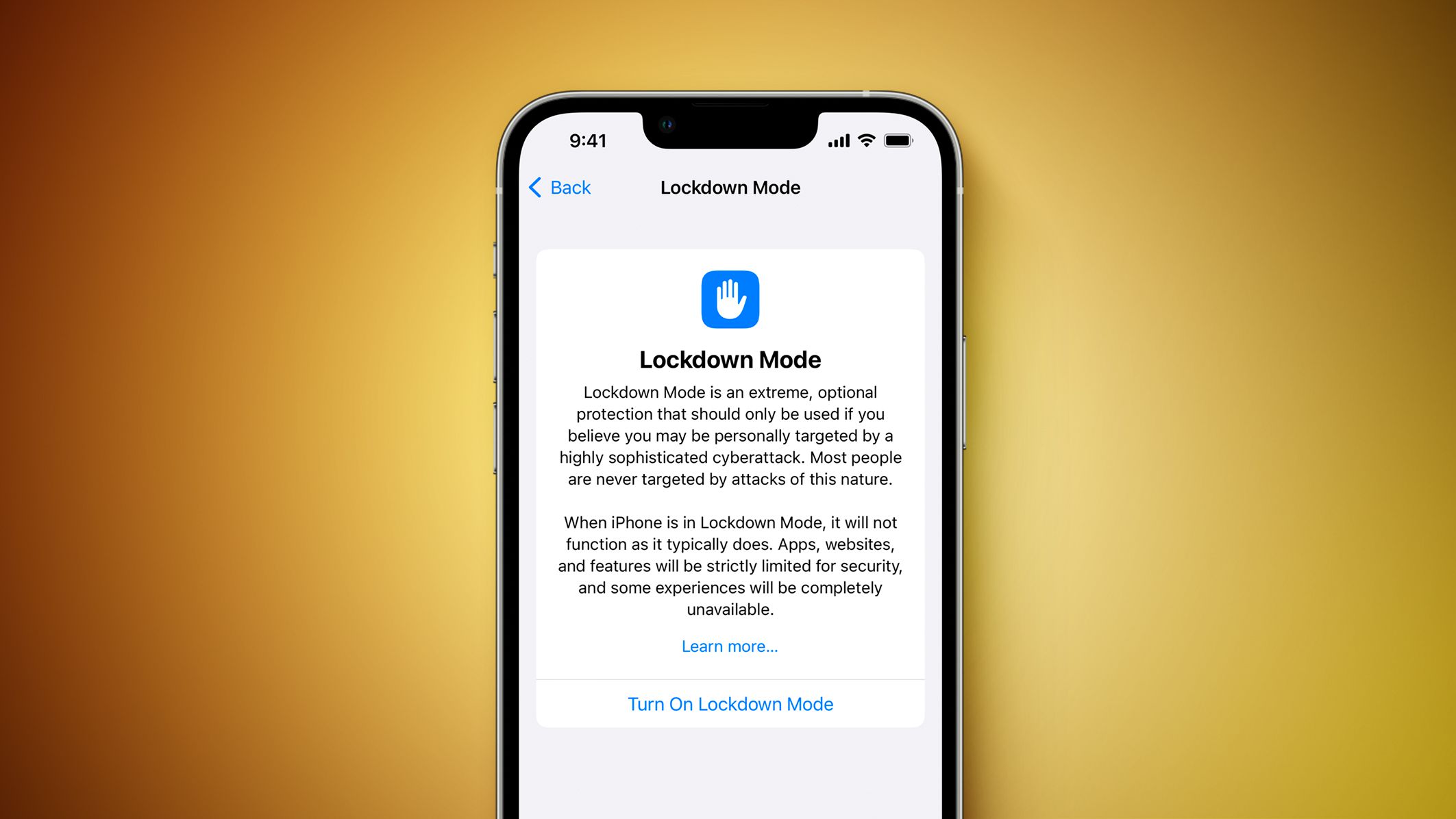
The methodology employed by the Calif team highlights a vulnerability that bypasses one of the most restrictive security protocols currently available to the public. Lockdown Mode was introduced by Apple as a direct response to the proliferation of mercenary spyware, such as the Pegasus software developed by the NSO Group. By design, the mode reduces the attack surface of the iPhone by severely limiting web technologies, blocking most incoming FaceTime requests, disabling configuration profiles, and preventing the installation of new management profiles.
According to the video documentation released by the researchers on November 3, 2026, the exploit is triggered via an AirDrop file transfer. The user is presented with a seemingly benign but malicious PDF file; once accepted and opened, the underlying vulnerability is triggered, allowing for unauthorized code execution. While the specific technical chain of the exploit—often referred to as an "exploit chain"—remains undisclosed, the visual evidence shows the device transitioning from a state of enforced security to a jailbroken state, which remains active even after the operating system is updated to the latest iteration, iOS 27.2.
Chronology of Recent Security Developments
The discovery follows a rapid succession of events that have kept the cybersecurity community on high alert. The timeline of these developments is as follows:
- October 23, 2026: The Calif team publicly demonstrates a successful jailbreak of the newly launched iPhone Duo, barely hours after the device hits retail shelves.
- November 2, 2026: Apple announces a massive product launch slate, including new MacBook Pro and iPad mini models, further shifting focus to the company’s hardware ecosystem.
- November 3, 2026: The research group posts a video demonstration of an iPhone 18 Pro running in Lockdown Mode being compromised via a malicious PDF, followed by a persistent jailbreak post-update to iOS 27.2.
- November 3, 2026: Security analysts begin debating the implications for enterprise and government users who rely on Lockdown Mode as a primary line of defense against state-sponsored actors.
The Role of Lockdown Mode in Modern Security
Apple’s decision to prioritize Lockdown Mode has been a cornerstone of its marketing regarding user privacy. For the average user, the mode is rarely necessary, but for journalists, human rights defenders, and government officials, it has been marketed as a vital safeguard. Until recently, Apple maintained a high level of confidence in the integrity of the system.
In early 2026, Apple representatives confirmed to industry outlets that there had been no recorded instances of a device in Lockdown Mode being successfully breached by mercenary spyware. This assertion provided a sense of security to high-risk individuals who rely on their devices for sensitive communication. The Calif demonstration directly challenges this track record. While the researchers have stated that they are sharing their findings with Apple’s security team under a responsible disclosure model, the existence of such an exploit implies that even the most hardened configurations are subject to the discovery of zero-day vulnerabilities.
Technical Implications and Limitations
The persistence of this jailbreak across an iOS update is particularly concerning for the security industry. Typically, Apple’s "Secure Boot" and "Signed System Volume" (SSV) mechanisms are designed to verify the integrity of the operating system during every boot cycle. If a jailbreak survives an update, it suggests that the exploit may be rooted in a lower-level firmware or bootloader vulnerability that cannot be easily patched by a simple software update.
Furthermore, the use of AirDrop as a delivery vector for a malicious payload is a significant observation. AirDrop, while a convenience feature, has historically been a target for researchers looking to exploit the way the iPhone handles incoming file packets. By forcing the device to render a malicious PDF, the researchers likely exploited a buffer overflow or a memory corruption bug within the iOS image rendering engine—a common attack vector that Apple has struggled to mitigate completely over the last decade.
Official Responses and Industry Outlook
As of this writing, Apple has not issued a formal statement regarding the specific claims made by the Calif team. Historically, the company responds to such disclosures by issuing a "Rapid Security Response" (RSR) or a point-release update that patches the underlying vulnerability. Given the public nature of the demonstration, industry analysts anticipate that a patch for the identified vulnerabilities will be prioritized in the upcoming iOS 27.2.1 or 27.3 update cycle.
The broader implications for the smartphone market are substantial. As devices become increasingly integrated into the professional and political spheres, the demand for "unhackable" hardware has surged. The failure of Lockdown Mode in this controlled environment does not necessarily mean the feature is useless, but it does emphasize that no software-defined security boundary is impenetrable.
Broader Impact on Cybersecurity Research
The disclosure strategy adopted by the Calif team—providing proof-of-concept videos without releasing the exploit code—is a standard practice in the "white hat" security community. By disclosing these vulnerabilities to Apple first, they allow the manufacturer time to develop a fix, thereby protecting the general public from malicious actors who might otherwise use the same exploit for theft, espionage, or data extraction.
However, the persistent nature of this jailbreak serves as a reminder of the "cat-and-mouse" game between Apple and the research community. As hardware becomes more complex and the operating system grows in size, the number of potential attack vectors increases exponentially. This creates an environment where, despite Apple’s multi-billion dollar investment in security, the potential for exploitation remains a constant reality.
Conclusion: The Future of Mobile Integrity
The events of the past week have cast a spotlight on the limitations of modern mobile security. While the iPhone remains one of the most secure consumer devices on the market, the ability of researchers to penetrate Lockdown Mode demonstrates that security is a process, not a final destination.
For the end user, the primary takeaway is the importance of keeping software up to date and exercising caution when accepting files from unknown sources, even when using features designed to protect privacy. As the Calif team continues to demonstrate, the most robust defenses are only as strong as the code that supports them. The industry now waits for Apple’s next move, with expectations of a rigorous security patch designed to close the gaps revealed by this latest demonstration. Whether this will fully restore confidence in the "extreme protection" of Lockdown Mode remains to be seen, but one thing is clear: the quest for digital invulnerability is far from over.