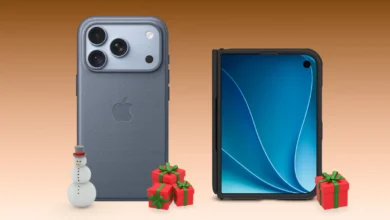
The landscape of mobile technology is defined by constant evolution, yet stark regional divides, shifting corporate strategies, and emerging hardware capabilities continue to reshape the industry in unexpected ways. In the landmark fiftieth episode of The Sideload, the flagship podcast from 9to5Google, hosts Will and Daniel welcomed guest expert Nick Sutrich to dissect the most pressing trends in the mobile ecosystem. The discussion ranged from the persistent hardware disparity between North American and global smartphone releases to the changing dynamics of the high-end marketplace following OnePlus’s strategic withdrawal from traditional retail sectors in key regions. Furthermore, the panel explored the convergence of mobile silicon and portable gaming hardware—specifically evaluating whether modern smartphones are poised to supplant dedicated handhelds like the Steam Deck—while addressing growing concerns regarding the saturation of generative artificial intelligence within the video game industry.
The Great Divide: North American Versus Global Smartphone Markets
For years, consumers and tech analysts alike have observed a distinct divergence in the availability and specifications of smartphones released in North America compared to those launched in international markets, particularly in Europe and Asia. This regional disparity is driven by a complex web of carrier dominance, regulatory hurdles, and localized band support requirements.
In North America, the telecommunications market has historically been heavily reliant on carrier subsidies and exclusive retail partnerships. Carriers such as Verizon, AT&T, and T-Mobile exert significant influence over device manufacturers, often dictating hardware specifications, software update schedules, and pre-installed applications. Consequently, manufacturers frequently tailor their North American portfolios to meet the specific demands and network configurations of these major carriers, sometimes omitting dual-SIM physical trays, specific colorways, or aggressive fast-charging technologies that are standard overseas.
Conversely, the global marketplace—led by markets in China, India, and parts of Europe—operates largely on an unlocked, open-market model. Consumers frequently purchase devices outright rather than through multi-year carrier contracts, fostering a hyper-competitive environment where original equipment manufacturers (OEMs) must innovate rapidly with aggressive pricing, cutting-edge camera systems, and ultra-fast charging capabilities to capture market share.
Industry observers note that this structural difference has created a phenomenon where flagship devices from brands such as Xiaomi, Vivo, and Oppo offer hardware capabilities that rival or exceed those of Samsung and Google in certain categories, yet remain entirely absent from North retail shelves. During the podcast, Sutrich and the hosts analyzed why companies like Samsung and Google continue to adopt conservative strategies in North America, prioritizing mainstream appeal and carrier relationships over experimental form factors and bleeding-edge charging technology.

The Shifting Marketplace: Life After OnePlus
The conversation also turned to the shifting competitive landscape following the strategic pivot of OnePlus. Once known widely as the quintessential "flagship killer" brand that disrupted the industry with high-end specifications at disruptive price points, OnePlus has undergone a profound corporate and operational transformation.
As the brand integrated more closely with its parent company, Oppo, and expanded its global footprint, its market positioning shifted. In North America, OnePlus has gradually pulled back from its aggressive carrier expansion strategies, focusing instead on targeted online sales and select regional partnerships. This retreat has left a noticeable vacuum in the mid-to-high-tier segment, a space previously occupied by brands that offered viable alternatives to the duopoly maintained by Apple and Samsung.
Market analysts evaluating the post-OnePlus landscape point out that consumers seeking affordable flagships now face fewer choices. While Google’s Pixel "a" series and Samsung’s Fan Edition (FE) devices have attempted to capture this demographic, the absence of an aggressive, price-disruptive competitor has arguably led to plateauing hardware innovation in the sub-$800 price bracket. The panel explored how this marketplace consolidation affects consumer choice and whether new entrants from emerging Chinese brands might eventually attempt to fill the void left by OnePlus’s shifting North American focus.
Mobile Silicon and the Portable Gaming Evolution
One of the most forward-looking segments of the discussion centered on the convergence of mobile computing and handheld gaming, raising the provocative question of whether next-generation smartphones could ultimately replace dedicated gaming hardware such as the Valve Steam Deck.
The argument for the smartphone as a primary gaming device rests on the staggering year-over-year performance gains seen in mobile system-on-chips (SoCs), such as Qualcomm’s Snapdragon 8 series and Apple’s M-series and A-pro processors. Modern mobile chipsets now feature advanced graphics architectures capable of hardware-accelerated ray tracing, variable rate shading, and sustained performance levels that approach the capabilities of previous-generation desktop consoles.
Furthermore, the rise of cloud gaming services—including Xbox Cloud Gaming, GeForce NOW, and PlayStation Remote Play—combined with native ports of AAA titles like Resident Evil, Death Stranding, and Genshin Impact running directly on mobile hardware, has blurred the lines between traditional consoles and smartphones. When paired with modular telescopic controllers like the Backbone One or Razer Kishi, a modern flagship smartphone transforms into a high-performance portable gaming rig.

However, the panel also weighed the persistent limitations that prevent smartphones from completely overtaking dedicated devices like the Steam Deck. Thermal management remains a critical bottleneck; unlike the Steam Deck, which features active cooling with a dedicated fan and exhaust system, smartphones rely on passive cooling and thermal throttling to manage heat during extended gaming sessions. Additionally, software fragmentation, the dominance of mobile monetization models (such as microtransactions and free-to-play structures), and the lack of an open, standardized PC operating system like SteamOS present significant hurdles for mainstream AAA gaming on mobile platforms.
The Impact of Artificial Intelligence on the Gaming Industry
Beyond hardware, the discussion addressed a growing industry-wide anxiety: the increasing integration of artificial intelligence into the video game development pipeline and its potential consequences for the creative medium.
In recent years, major publishers and independent developers alike have begun experimenting with generative AI tools for procedural content generation, preliminary concept art, texture upscaling, and rudimentary dialogue scripting. Proponents argue that these technologies streamline production pipelines, reduce soaring development costs, and alleviate crunch culture by automating repetitive tasks.
Conversely, critics and industry professionals have raised profound ethical and creative concerns. The panel discussed how the proliferation of AI-generated assets risks homogenizing the aesthetic landscape of video games, potentially choking out human artistry, nuance, and distinctive storytelling. Furthermore, issues surrounding copyright infringement, the displacement of human artists and writers, and the erosion of creative integrity have sparked fierce debates across the gaming community. Sutrich and the hosts analyzed whether this technological wave represents a temporary productivity bubble or a permanent paradigm shift in how interactive entertainment is produced.
Broader Implications for the Tech Ecosystem
The topics explored in episode 50 of The Sideload highlight a transitional phase for the consumer technology sector. As regional market segmentation deepens, hardware manufacturers face difficult strategic decisions regarding where to deploy their most innovative products. At the same time, the blurring boundaries between smartphones, dedicated gaming consoles, and personal computers suggest that the definition of a primary computing device is evolving.
As regulatory pressures mount, supply chains adapt to macroeconomic shifts, and software ecosystems grapple with the integration of artificial intelligence, consumers can expect the mobile landscape to remain volatile. Podcasts like The Sideload continue to serve as a vital forum for unpacking these complex industry dynamics, offering listeners granular analysis of the hardware and software trends defining the future of consumer technology.