Google Fitbit Edge Review: A Mid-Tier Tracker Bridging Classic Simplicity and Modern AI Health Integration

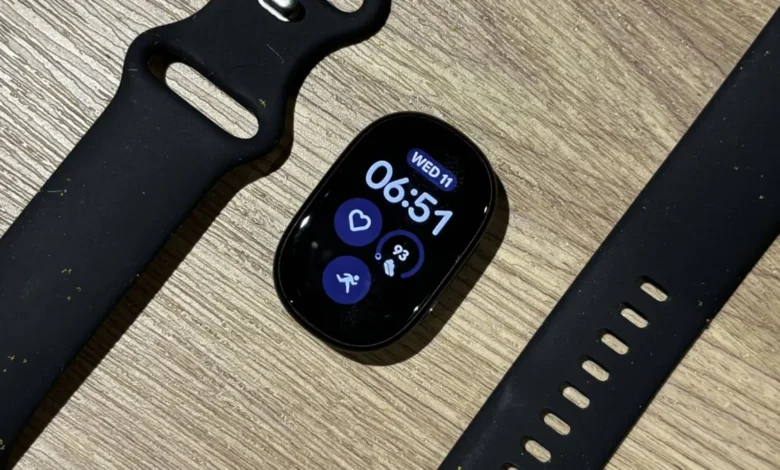
The wearable technology landscape continues to undergo rapid transformation, balancing the demands for deep biometric tracking against sleek, unobtrusive designs. Google’s latest addition to its fitness ecosystem, the Google Fitbit Edge, arrives as a mid-tier band-based tracker positioned squarely between the screenless, ultra-minimalist Fitbit Air and the feature-rich, highly interactive Google Pixel Watch 5. Priced at $179.99 (£159.99 / AU$269), the Fitbit Edge aims to resurrect the classic utility of legacy Fitbit models—specifically the beloved Charge and Luxe series—while incorporating contemporary health-monitoring capabilities. However, its market entry is accompanied by mixed performance results and an increasingly controversial software ecosystem centered around AI-driven insights.
Positioning and Design Philosophy in the Modern Wearable Market
The wearable hierarchy established by Google clearly segments consumer intent. At the baseline sits the Google Fitbit Air, a screenless fitness tracker engineered to compete directly with recovery-focused bands like Whoop, pushing all metrics silently to a smartphone application without on-wrist interaction. At the premium end is the Google Pixel Watch 5, which offers a bright, domed AMOLED display, full Wear OS integration, and high interactivity resembling a miniature smartphone on the wrist.
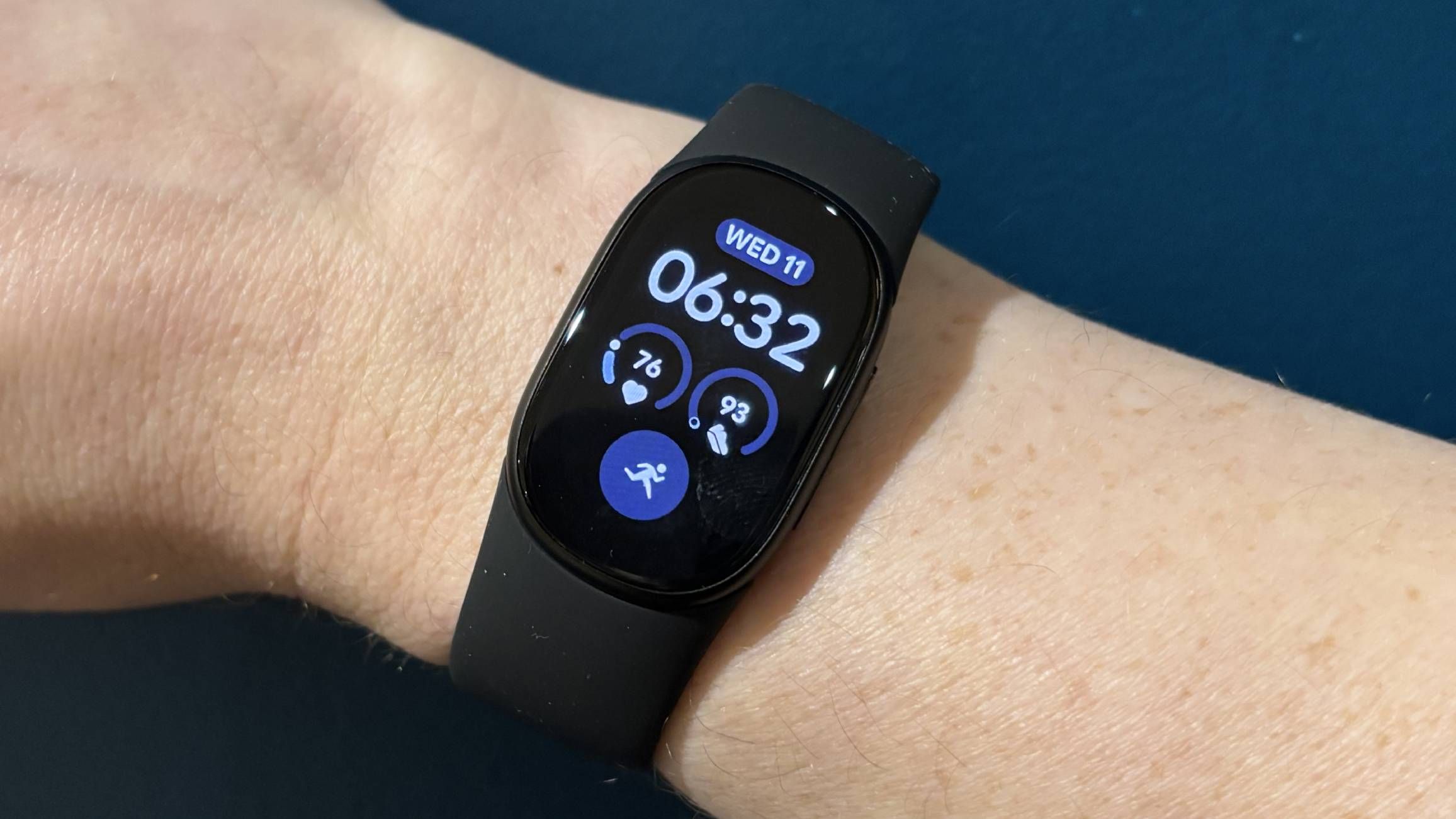
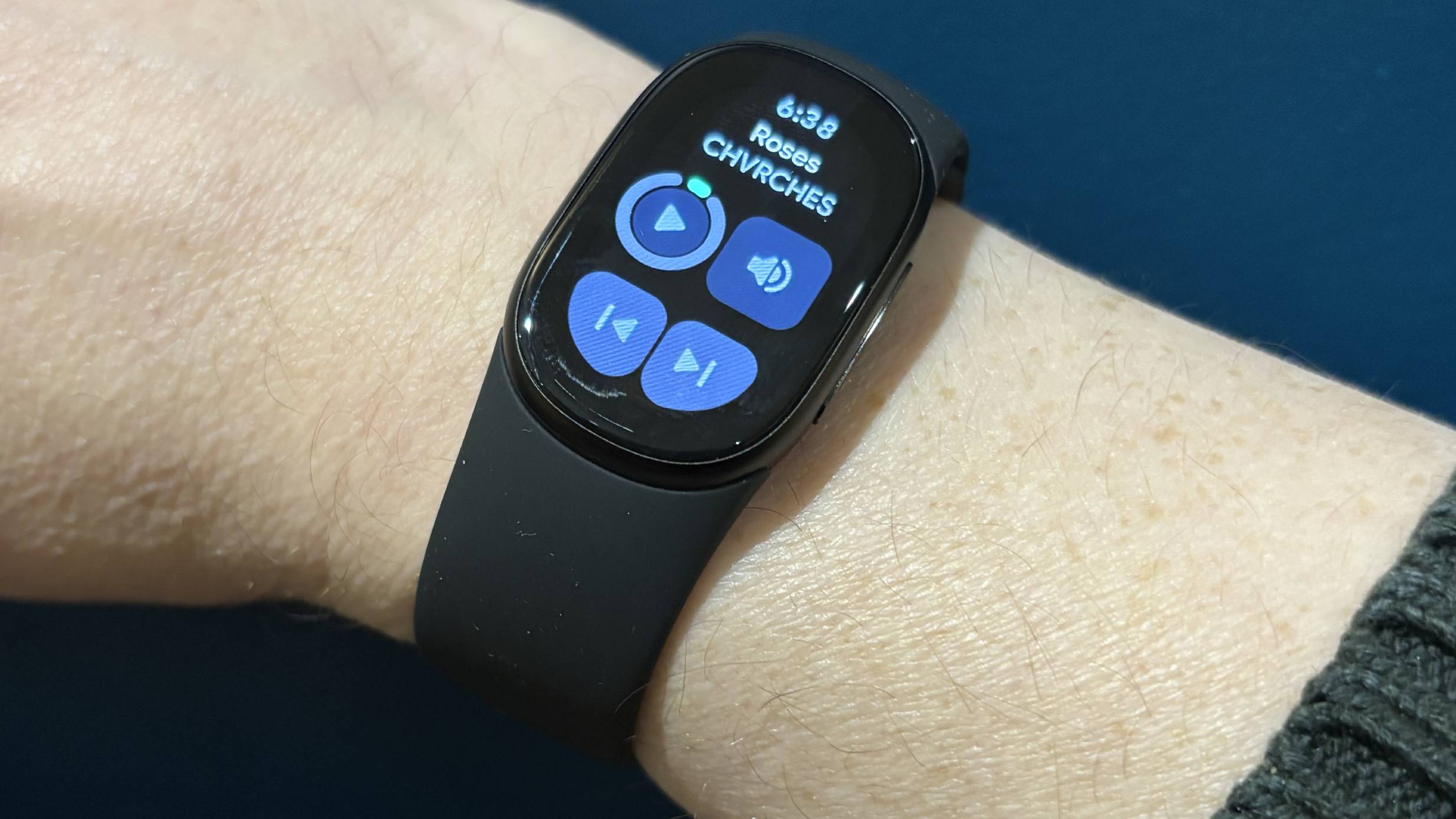
The Google Fitbit Edge occupies the middle ground. Featuring a lightweight 17.7-gram aluminum case crafted from 100% recycled materials, the Edge carries dimensions of 11.58 x 39.22 x 25.56mm. It is equipped with a 1.3-inch always-on AMOLED touchscreen and a tactile physical button designed for measured, purposeful interactions rather than distracting, smartphone-like engagement. Users can manage media playback, manually start and pause workouts, set timers, and initiate electrocardiogram (ECG) scans directly from the device. Furthermore, the tracker supports swappable bands, allowing owners to transition the aesthetic from a sporty workout band to a more jewelry-like accessory suitable for formal wear.
Comprehensive Hardware and Biometric Sensor Array
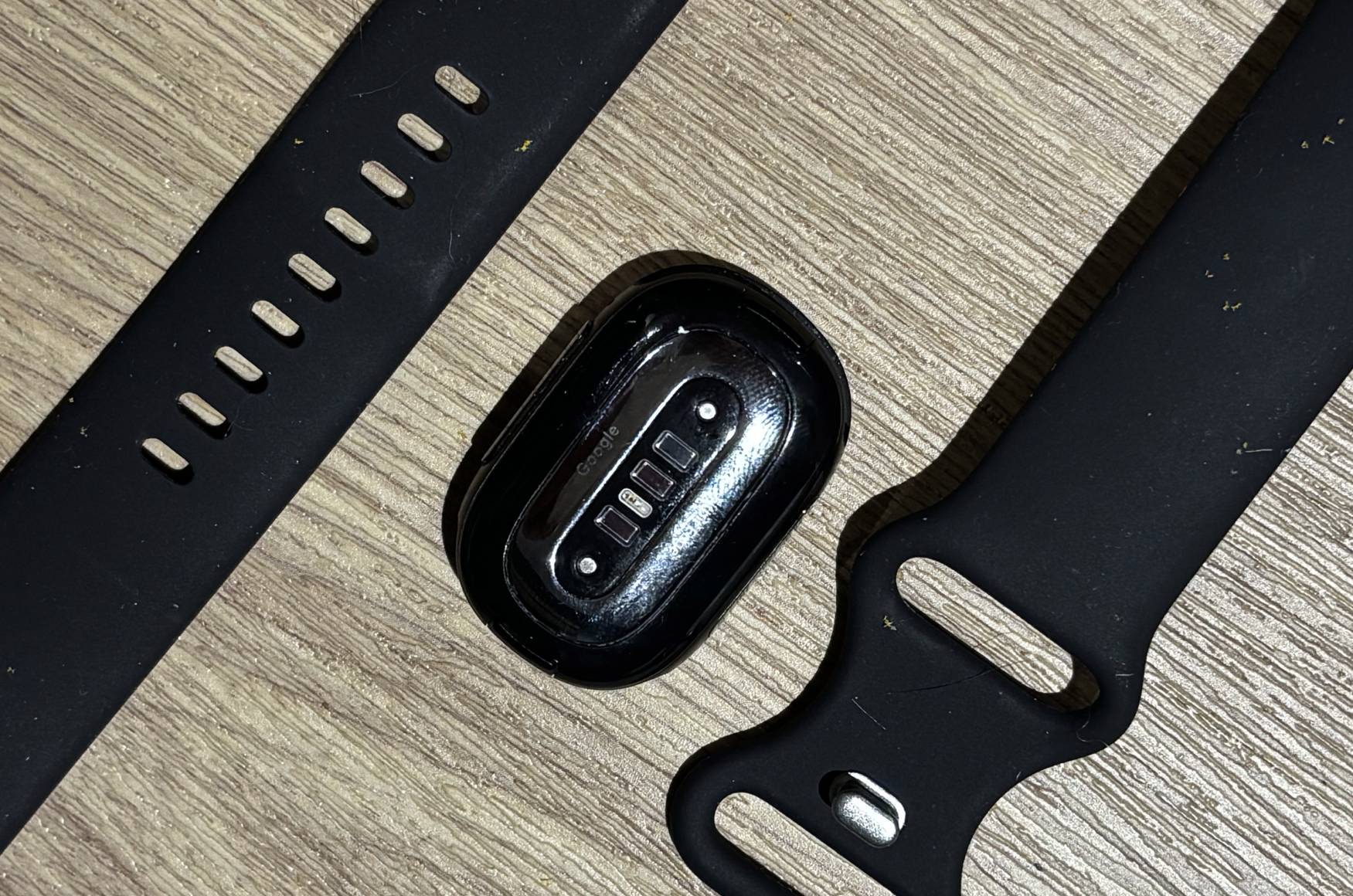
Beneath its understated exterior, the Fitbit Edge houses an Ambiq AP5 MCU processor and an expansive sensor array that distinguishes it from its cheaper sibling, the Fitbit Air. The inclusion of an ambient light sensor allows the device to automatically adjust screen brightness based on environmental lighting conditions.
Health and wellness monitoring are central to the Edge’s value proposition. The device features continuous heart-rate tracking powered by an updated sensor suite, alongside advanced health guardian features such as Blood Pressure Trends, Irregular Rhythm Notifications, and preliminary estimations for Insulin Resistance. In comparative benchmark testing against high-end endurance devices like the Garmin Fenix 9 Pro—which utilizes Garmin’s extensively tested Elevate V5 sensor—the Fitbit Edge’s heart-rate monitor performed with commendable precision. During strenuous workouts, the Edge’s heart-rate readings consistently tracked within five beats per minute (bpm) of the Garmin benchmark.
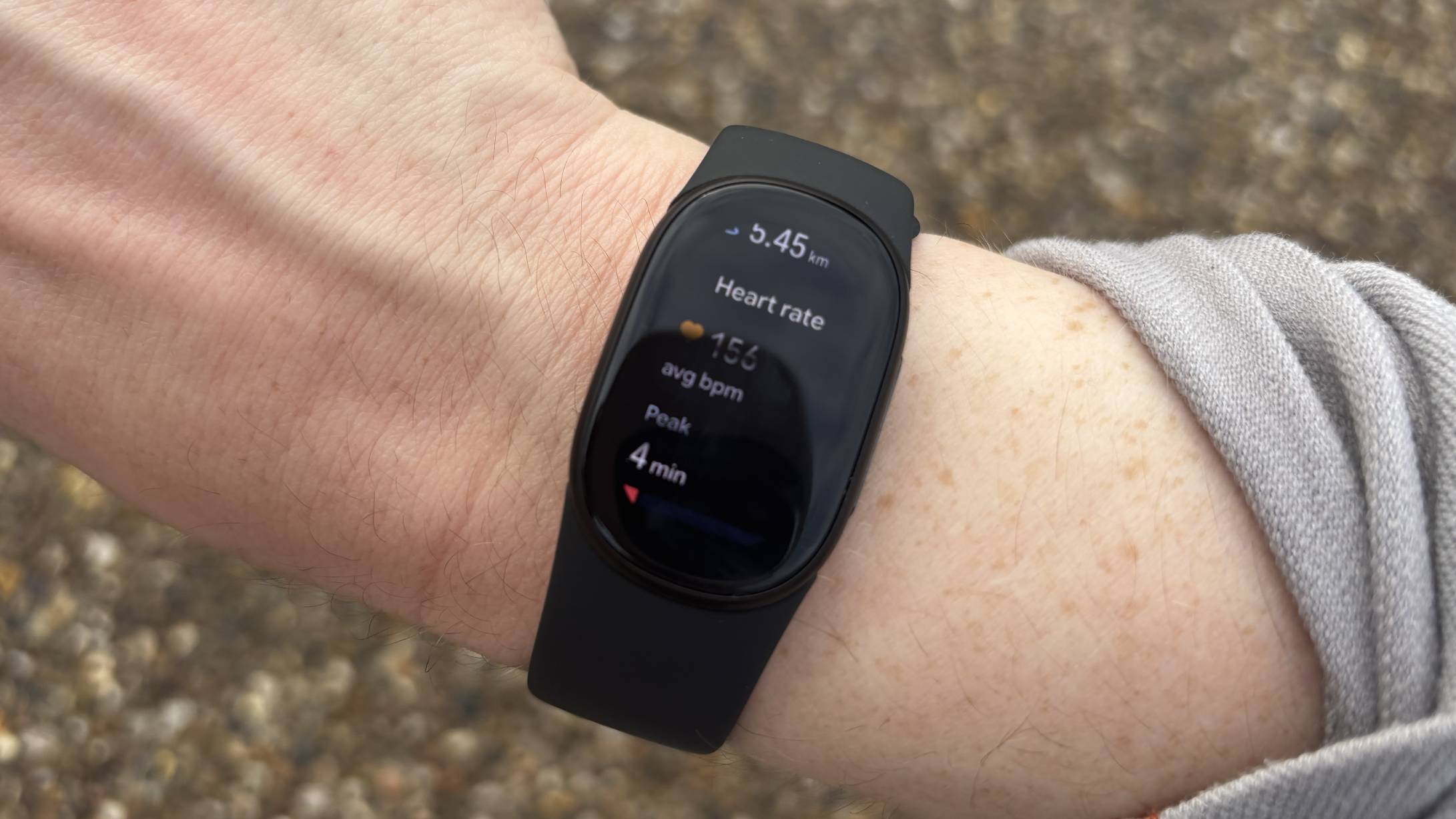
However, biometric consistency varied when evaluating nocturnal recovery metrics. Sleep score assessments occasionally aligned closely with benchmark readings, yet diverged by up to 10 points on other nights, indicating that while the device is reliable for general trend analysis, users requiring medical-grade sleep staging may find the data slightly volatile.
Performance Analysis: GPS Discrepancies and Automated Tracking
While the heart-rate sensor and automatic workout detection mechanisms received high marks during rigorous testing, the device encountered notable hurdles regarding spatial accuracy. Equipped with multi-constellation global navigation satellite system support—including GPS, Galileo, GLONASS, BeiDou, and QZSS—the Fitbit Edge aimed to provide robust outdoor tracking.
In field tests comparing the Edge directly against the Garmin Fenix 9 Pro during outdoor runs and cycling sessions, the Fitbit consistently overestimated both distance traveled and overall pace. Across multiple testing sessions, the Edge calculated distance metrics that were approximately 0.5 kilometers longer than the actual distance covered, systematically skewing pace calculations. For casual joggers and general gym-goers, this discrepancy may remain negligible; however, dedicated endurance athletes and long-distance runners seeking precise pacing data will likely find these inaccuracies frustrating.
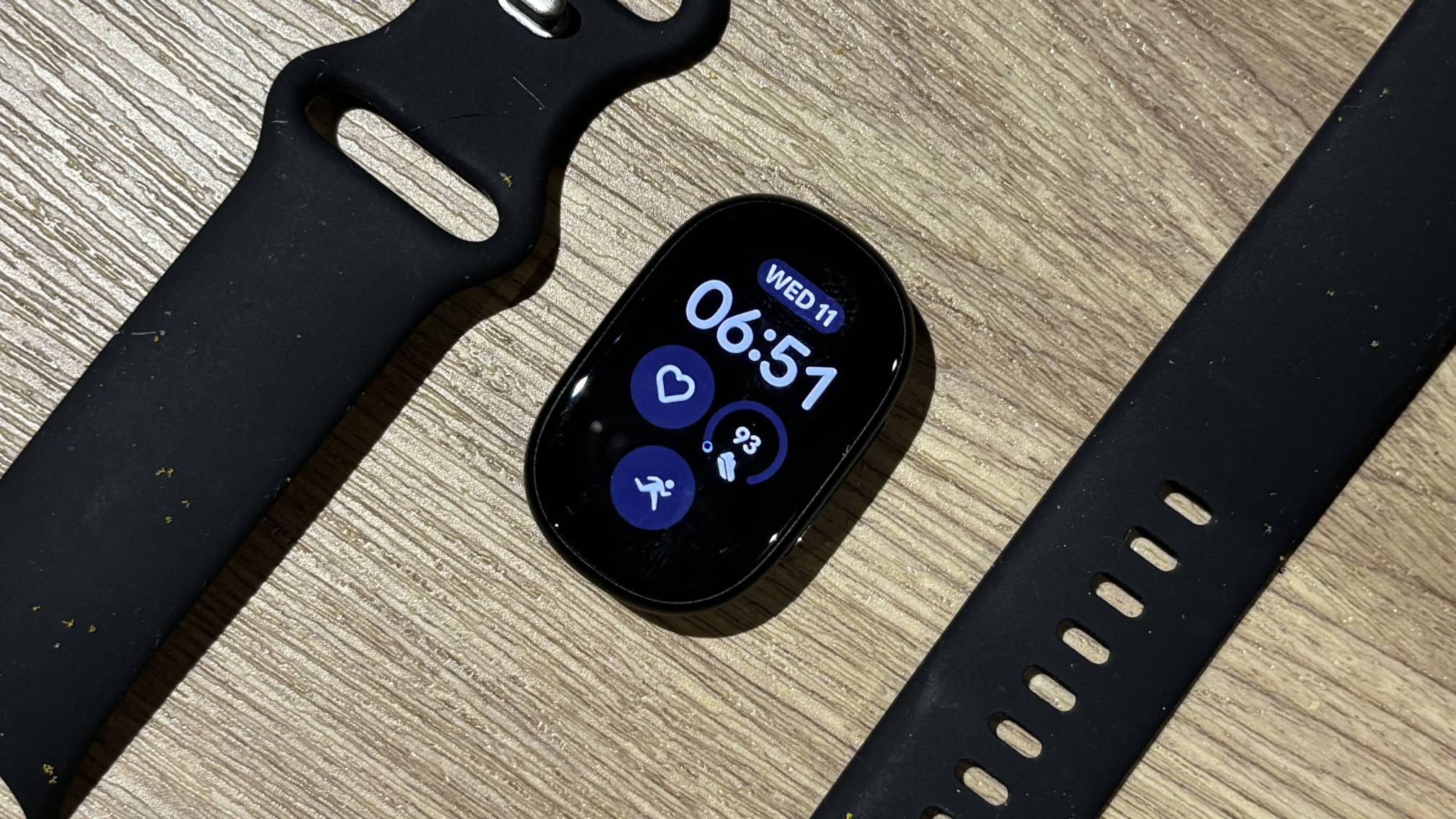
Conversely, the device’s automated activity tracking excelled. The background algorithm reliably identified and logged workouts without requiring manual initiation, syncing the detailed sessions seamlessly to the companion application once physical exertion was detected.
The Software Dilemma: The Google Health App and AI Integration
A defining aspect of the Google Fitbit Edge experience lies outside the hardware entirely: the Google Health app. As Google pivots its software ecosystem toward artificial intelligence and machine learning, the companion app has evolved into an AI-forward platform designed primarily to funnel users toward the premium Google Health Coach chatbot subscription.
While the app interface is modern and clean, free-tier users face notable functional limitations. Historic biometric data is frequently obscured behind paywalls or buried deep within the menu architecture, creating friction for users who prefer unencumbered access to their raw historical statistics. Reviewers and consumer advocates have noted that this aggressive monetization of personal health data shifts the user experience away from traditional metrics reporting toward a subscription-based wellness advisory model. This design choice has polarized consumers who appreciate the physical hardware of the Edge but find the software restrictions and chatbot-reliant interface cumbersome.
Market Competition and Pricing Strategy
Priced at $179.99 / £159.99 / AU$269, the Google Fitbit Edge enters a fiercely competitive bracket dominated by established alternatives. It goes head-to-head against the Garmin Cirqa, the Apple Watch SE 3, the Samsung Galaxy Watch9, and the Garmin Forerunner 70.
Each competitor targets distinct consumer segments:
- Apple Watch SE 3: Serves as the optimal choice for iPhone users seeking deeper ecosystem integration and smart features.
- Garmin Forerunner 70: Remains the preferred recommendation for dedicated runners and endurance athletes requiring flawless GPS and advanced training metrics.
- Garmin Cirqa: Offers a compelling alternative for users seeking a streamlined, screenless fitness tracking experience at a comparable price point.
Despite these alternatives, the Google Fitbit Edge carves out a viable niche for consumers who prioritize a physical display for quick glances at step counts and notifications, a lightweight and comfortable chassis, and a robust seven-day battery life without the daily charging burden common to full-featured smartwatches.
Scorecard Summary
Evaluating the Fitbit Edge across core consumer categories yields a nuanced profile:
- Value (4/5): Competitively priced within the historical bracket of its predecessors, offering solid hardware construction relative to current component costs.
- Design (4.5/5): Sleek, thoughtful, and comfortable, featuring high-quality materials and versatile band options.
- Features (3/5): Limited by software constraints and free-tier app restrictions, though the inclusion of GPS, ECG, and robust safety sensors bolsters its hardware appeal.
- Performance (3.5/5): Excellent heart-rate tracking and automated activity detection, tempered by recurring GPS pacing discrepancies and minor sleep-tracking variances.
Final Verdict: Should You Buy the Google Fitbit Edge?
The Google Fitbit Edge succeeds as a comfortable, reliable, and unobtrusive fitness band for everyday users interested in monitoring general health trends, tracking casual workouts, and maintaining a lightweight wrist profile. It effectively revives the core philosophy of classic Fitbit devices, offering a "set-and-forget" user experience supported by a dependable week-long battery life.
However, prospective buyers must weigh its limitations. Dedicated runners should look toward specialized running watches due to persistent GPS pacing errors, and users averse to AI-driven subscription models may find the Google Health app’s free-tier restrictions frustrating. For those seeking a straightforward, stylish activity band for the gym, daily steps, and occasional jogs, the Fitbit Edge fulfills its brief—provided users are willing to navigate its software ecosystem.