Salon transforms your Apple TV into a high-end digital art gallery to challenge the dominance of premium frame televisions

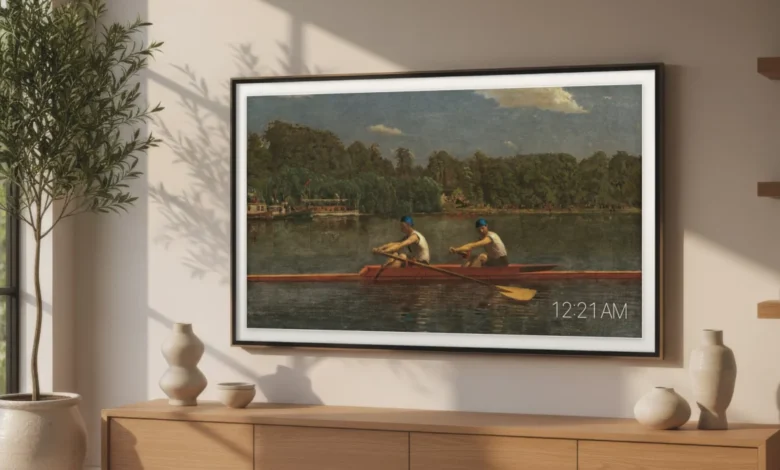
The modern living room has undergone a radical transformation over the last decade, with television sets evolving from bulky utility objects into sleek, wall-mounted centerpieces. As displays have become thinner and more aesthetically integrated into home decor, a market has emerged for devices that serve a dual purpose: high-definition entertainment and ambient home art. While manufacturers like Samsung have captured this niche with dedicated hardware such as the "Frame TV," a new independent application titled Salon is now challenging this paradigm by bringing similar functionality to the ubiquitous Apple TV ecosystem.
The Evolution of Ambient Home Displays
For many consumers, the television represents a significant aesthetic challenge. When powered off, a standard flat-screen display often appears as a "black hole" on a wall, detracting from carefully curated interior design. The industry responded to this pain point by introducing "Art Mode" technologies, which utilize matte, anti-reflective coatings and software to mimic the appearance of traditional canvases.

However, these hardware solutions often come with significant barriers to entry, including premium price tags and restrictive proprietary software ecosystems. Developers have long sought to bridge this gap through software, but until recently, the tvOS platform—the operating system powering the Apple TV—has been dominated by streaming giants and simple, low-utility utilities such as basic aquarium or fireplace loops. The emergence of Salon marks a strategic pivot toward transforming standard hardware into sophisticated, personalized art displays without the need for expensive, specialized television sets.
Development Context and the "Frame" Philosophy
The impetus for creating Salon, according to its developer, Rene, stems from a common frustration among tech enthusiasts: the intersection of restrictive software and subscription-based business models. Samsung’s Tizen operating system, while functional, has faced criticism for its interface performance and the recurring costs associated with accessing high-quality digital art libraries.
Rene’s development journey began as a personal project, born out of a desire to reclaim the idle time of a home television. By leveraging the open-source nature of museum collections, the application curates over 1,000 public-domain, high-resolution paintings, effectively democratizing access to world-class art. This move stands in stark contrast to the industry-standard approach of gating artistic content behind monthly fees. By building an application that runs natively on tvOS 17 and later, the developer has bypassed the need for hardware upgrades, providing a software-based alternative that caters to users who already own capable Apple hardware.

Features and Technical Implementation
At its core, Salon functions as a bridge between high-fidelity digital displays and traditional art curation. The application offers a variety of customization options, allowing users to move beyond the static imagery found in standard operating system screensavers. Key technical features include:
- Curated Art Access: The application provides a library of over 1,000 open-access paintings, sourced from global museums. This collection is categorized to ensure stylistic variety, ranging from classical oil paintings to modern abstract works.
- Personalized Media Integration: Beyond curated content, the application allows for the seamless import of personal photography via iCloud. This feature enables users to turn their private memories into digital gallery pieces, complete with customizable frame options.
- Dynamic UI Elements: Recognizing the utility of a home display, Salon includes optional overlays for clocks and date information, allowing the screen to serve as both a timepiece and a decorative element.
- Display Versatility: Users can opt for a traditional matted frame look or a modern, edge-to-edge display, providing flexibility depending on the specific aesthetic of the room.
Industry Impact and the Rise of Indie Development on tvOS
The success of Salon signals a broader shift in the indie developer landscape regarding the tvOS platform. Historically, tvOS has been viewed as a "secondary" platform, primarily reserved for media consumption apps like Netflix, Disney+, or YouTube. The lack of robust, creative software has left a vacuum that is now being filled by developers interested in "vibe coding"—a trend that prioritizes atmosphere, aesthetics, and user experience over traditional productivity or entertainment metrics.
Analysts suggest that this trend reflects a growing consumer desire for devices that are "calm." As the digital world becomes increasingly loud with notifications and high-intensity content, there is a measurable market demand for technologies that offer tranquility. By turning a TV into an art piece, users are essentially reclaiming their living space from the constant pull of streaming algorithms and advertisement-heavy interfaces.

Market Implications and Competitive Landscape
The entry of an indie application into the space dominated by major hardware manufacturers presents a compelling case for the efficiency of software-defined experiences. When comparing the cost of a high-end Frame TV—which can retail for thousands of dollars—to the one-time $9.99 purchase price of the Salon app paired with an existing Apple TV, the value proposition for the consumer is significant.
Furthermore, the longevity of such an application is tied to the evolution of the hardware. As Apple continues to iterate on its silicon, the ability for apps like Salon to render high-resolution imagery with perfect color accuracy improves. This symbiotic relationship between hardware performance and independent software innovation suggests that the future of home decor might lie not in new, specialized television sets, but in the sophisticated management of the hardware we already own.
The Future of Digital Curation
The trajectory of Salon suggests that as we move toward an era of ubiquitous smart home integration, the software layer will become increasingly critical. The ability to dynamically change the "look" of a room through an application update is a powerful tool for homeowners. Looking forward, we can anticipate further developments in this space, potentially including machine learning algorithms that suggest art based on room lighting, time of day, or the user’s previously viewed media.

For the developer, the mission remains focused on simplicity and accessibility. By avoiding the common trap of ad-supported models or invasive data collection, Salon positions itself as a tool for the end user rather than a vehicle for corporate surveillance. This philosophy has resonated with a community of users who are increasingly privacy-conscious and weary of subscription fatigue.
Conclusion
Salon serves as a microcosm for the potential of indie development to disrupt established hardware markets. By identifying a genuine user pain point—the unsightly nature of an inactive, black-screen television—and providing a elegant, one-time-purchase solution, the app effectively challenges the necessity of expensive, proprietary hardware ecosystems. As the television continues to serve as the focal point of the modern home, software solutions that prioritize aesthetics and user choice are likely to see continued growth.
For those interested in exploring this intersection of technology and art, the app is currently available for download on the App Store for users operating within the Apple TV ecosystem. As the "vibe coding" movement continues to gain momentum, it is likely that Salon is only the first of many applications that will redefine how we interact with our screens when they are not in use. In an era where hardware is becoming commoditized, it is the quality of the software experience that will ultimately define the value of our digital homes. By choosing to prioritize user experience and aesthetic value, independent developers are proving that you do not need to replace your hardware to fundamentally change the way you live in your space.