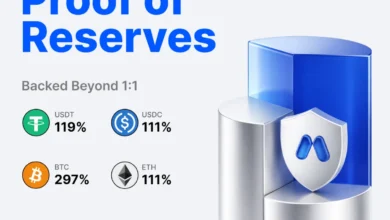
In a significant development for the cryptocurrency sector, the prominent digital asset exchange Bitget has confirmed a security breach involving its hot and warm wallet infrastructure. The incident, which has prompted immediate operational adjustments, serves as a stark reminder of the persistent threats facing centralized financial intermediaries in the blockchain space. Despite the technical compromise, the exchange has moved quickly to reassure its global user base that cold storage assets remain untouched and that client balances are fully protected by the company’s dedicated insurance reserves.
Chronology of the Security Incident
The incident unfolded with rapid escalation, forcing Bitget’s technical team to initiate emergency protocols. According to initial disclosures from the exchange, anomalies were detected within their hot and warm wallet layers, which are typically used to facilitate high-frequency trading and rapid withdrawal requests. Upon identifying the unauthorized outflows, the platform’s security engineers initiated a containment strategy, which included isolating the affected systems and flagging the destination addresses associated with the illicit transfers.
As of the latest status update, Bitget has suspended all withdrawal services. This move is a standard industry response designed to prevent further liquidity drain while forensic teams conduct a comprehensive audit of the platform’s wallet architecture. While withdrawals are currently offline, the exchange has maintained that both deposit functionality and spot/derivative trading services remain operational, ensuring that market activity does not come to a complete standstill. The exchange has engaged third-party on-chain security firms and relevant law enforcement agencies to track the movement of the stolen funds and to assist in the ongoing recovery efforts.
The Role of the User Protection Fund
A central pillar of Bitget’s response has been the mobilization of its User Protection Fund. In the volatile world of cryptocurrency, exchange-level insurance funds are designed specifically to mitigate the fallout from such systemic exploits. Bitget’s fund, which is publicly audited and reportedly holds over $464 million in assets—comprising a mix of stablecoins, Bitcoin, and other high-liquidity tokens—is now being positioned as the primary buffer against user losses.
The estimated scale of the exploit, currently placed at approximately $351.6 million, represents a substantial challenge to any institutional treasury. However, by pledging to cover the entirety of the losses from this fund, Bitget is attempting to prevent the "bank run" scenario that has historically plagued exchanges following major security breaches. By ensuring that no individual user accounts will be debited to cover the shortfall, the exchange aims to maintain the integrity of its platform’s balance sheet and restore institutional confidence.
Technical Context: Hot Wallets vs. Cold Storage
The distinction between hot and cold storage is at the heart of this investigation. Hot wallets, by definition, are connected to the internet to allow for the seamless execution of automated trades and user withdrawals. This connectivity, while necessary for operational efficiency, introduces a persistent "attack surface" that hackers continuously target. Conversely, cold wallets—or offline hardware wallets—are air-gapped from the internet, making them virtually immune to remote exploitation.
Bitget’s confirmation that its cold storage infrastructure remains intact is a critical detail for long-term investors. Furthermore, the company has explicitly stated that its self-custodial product, the Bitget Wallet, was entirely separate from the compromised infrastructure. This clarification serves to differentiate the platform’s custodial exchange services from its decentralized wallet product, which operates under a different security architecture where users retain control of their own private keys.
Broader Industry Implications and Security Analysis
The breach at Bitget is merely the latest in a series of high-profile security incidents that have defined the maturation of the cryptocurrency industry. Over the past decade, centralized exchanges have become the "honeypots" of the digital economy, attracting sophisticated state-sponsored actors and decentralized cybercriminal syndicates.
The security architecture of an exchange is often a trade-off between accessibility and safety. Implementing "warm" wallets—a middle ground between hot and cold storage—is a common practice designed to reduce the risk associated with hot wallets while maintaining faster transaction speeds than purely cold-stored assets. However, as this incident demonstrates, if a breach occurs, the vulnerability of these warm wallets can be just as damaging as a hot wallet compromise.
Industry analysts suggest that the coming 24 hours will be pivotal. Bitget has promised a comprehensive root-cause analysis, a document that will be scrutinized not just by users, but by cybersecurity experts and regulators globally. The report is expected to detail the precise vector of the attack—whether it was a compromise of private keys, a vulnerability in the exchange’s API, or an internal security failure.
The Debate on Self-Custody
The incident has naturally reignited the "not your keys, not your coins" debate. While centralized exchanges provide a necessary service for the onboarding of retail capital and the provision of advanced trading tools, they inherently introduce a counterparty risk. When a user deposits funds onto an exchange, they are essentially providing a loan to that exchange, relying on the company’s internal security controls to protect those assets.
The events surrounding this breach underscore the importance of diversification for crypto investors. Security experts frequently advise against keeping significant long-term holdings on any exchange, regardless of the size of its protection fund. Instead, the use of cold storage solutions—such as hardware wallets like Ledger or Trezor—is recommended for assets that are not actively being traded.
Looking Ahead: Transparency and Remediation
For Bitget, the immediate priority is restoring withdrawal functionality without compromising the security of the remaining funds. The process of restarting withdrawals is often incremental, with the exchange likely implementing stricter verification protocols for transactions once the platform is back online.
Furthermore, the involvement of law enforcement and on-chain analytics firms suggests a long-term effort to recover the stolen assets. In previous incidents involving other major exchanges, such as the 2022 Ronin Bridge exploit or the various hacks of decentralized finance (DeFi) protocols, the cooperation of major centralized exchanges in freezing incoming funds has been vital. By alerting the wider crypto ecosystem to the addresses involved in the current breach, Bitget is effectively attempting to "blacklist" the stolen funds, making it increasingly difficult for the attackers to offload the assets on major liquidity venues.
The impact of this incident on Bitget’s market share remains to be seen. Historically, exchanges that have managed their crises with transparency and full financial backing—such as Binance following its 2019 hack—have been able to retain their user base and recover their reputation. Conversely, platforms that have obfuscated the truth or failed to protect user assets have often faced terminal decline.
Conclusion
The current situation with Bitget serves as a sobering reminder of the inherent risks in the centralized crypto sector. While the existence of a $464 million protection fund provides a necessary safety net, the primary challenge for the exchange lies in its ability to prove that its security systems can be effectively hardened against future incursions.
As the industry awaits the detailed root-cause analysis, the focus remains on the platform’s ability to maintain liquidity and provide clear, real-time communication to its users. The recovery of the platform’s full operational capacity will be a litmus test for its internal governance and technical prowess. For now, the crypto community is watching closely, noting that while the technology behind digital assets is robust, the infrastructure that hosts them requires constant, vigilant improvement to withstand the ever-evolving threats of the digital age.
In the immediate term, users are encouraged to monitor official Bitget channels for updates regarding the restoration of withdrawal services. With the exchange having successfully isolated the breach and confirmed that its core cold-storage assets were never at risk, the focus has shifted entirely to the integrity of the platform’s recovery protocols and the long-term lessons to be learned from this significant, yet contained, security incident.
Related posts: