Drakong Challenger Review: High Performance Meets Budget-Friendly Precision for Xbox and PC Gamers

The modern gaming peripherals market has long been defined by a stark divide: consumers are routinely forced to choose between expensive, feature-laden professional controllers costing upwards of $150, or heavily compromised budget pads plagued by poor build quality and drifting analog sticks. Entering this contentious landscape is the Drakong Challenger, a wired gamepad designed for the Xbox Series X/S, Xbox One, and PC platforms. Priced aggressively at $34.99 (approximately £25 / AU$50), the Challenger aims to upend the entry-level segment by stripping away non-essential luxury features—such as wireless connectivity and companion software suites—and redirecting manufacturing costs entirely toward core tactile performance, featuring advanced Hall Effect magnetic sensors for its sticks and triggers.
Design, Build Quality, and Ergonomics
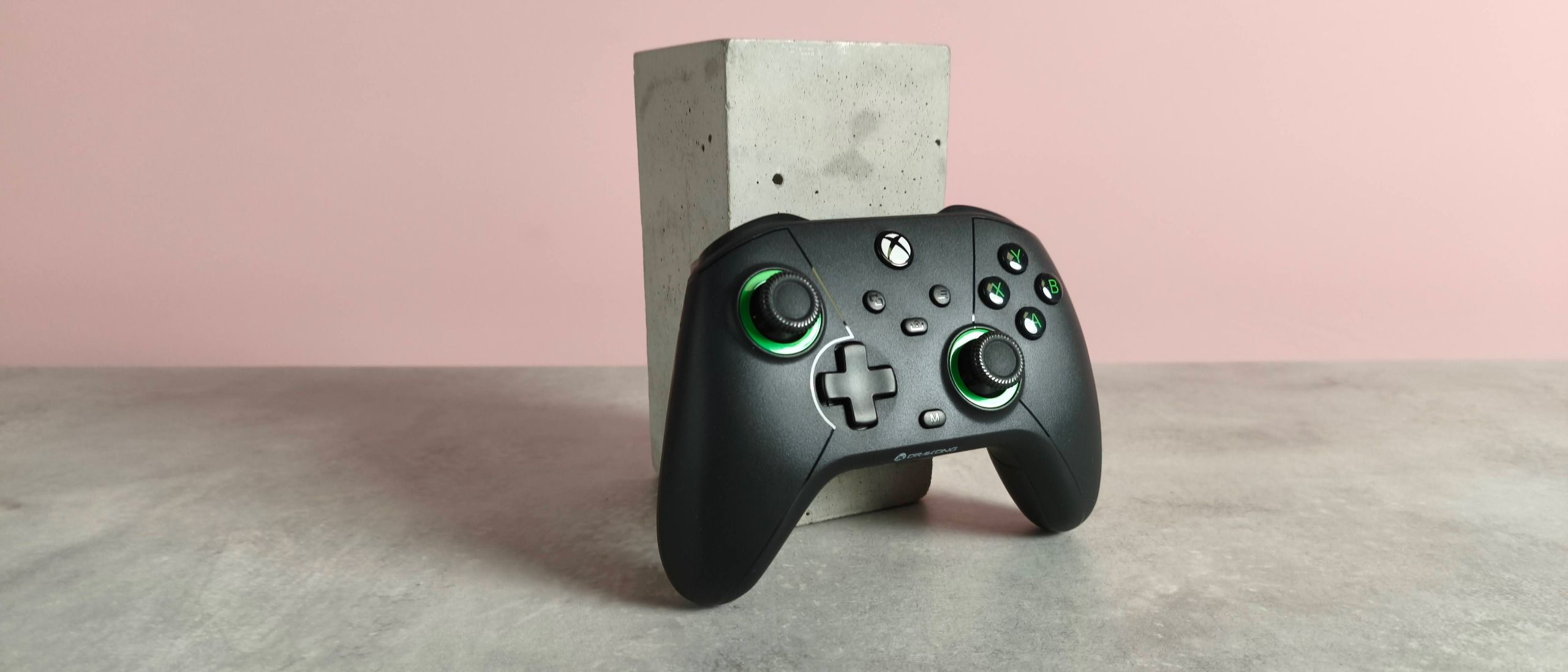
At first glance, the Drakong Challenger presents a textbook study in function over form. Eschewing the wild color schemes, aggressive angular grips, and flashy RGB illumination that frequently characterize third-party budget hardware, the Challenger closely mirrors the iconic silhouette, dimensions, and button layout of the standard official Microsoft Xbox Wireless Controller. Measuring 6.3 x 2.5 x 4.4 inches (160 x 63.5 x 111.8 mm) and weighing a remarkably light 7.23 ounces (205 grams), the pad sits comfortably in a wide variety of hand sizes, facilitating extended gaming sessions without inducing hand fatigue or wrist strain.
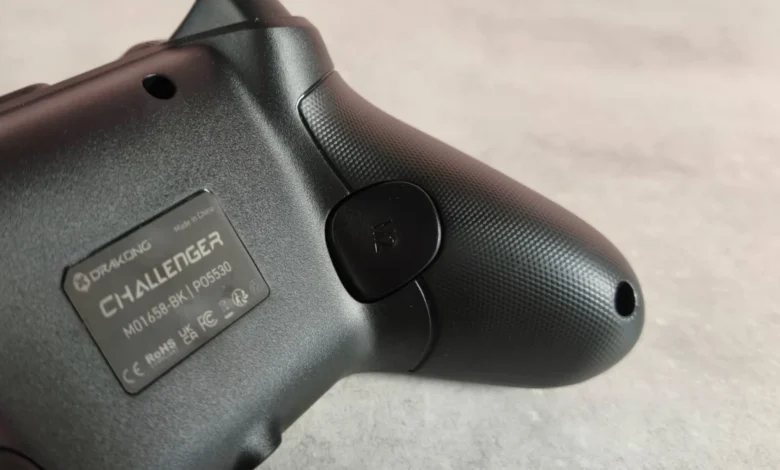
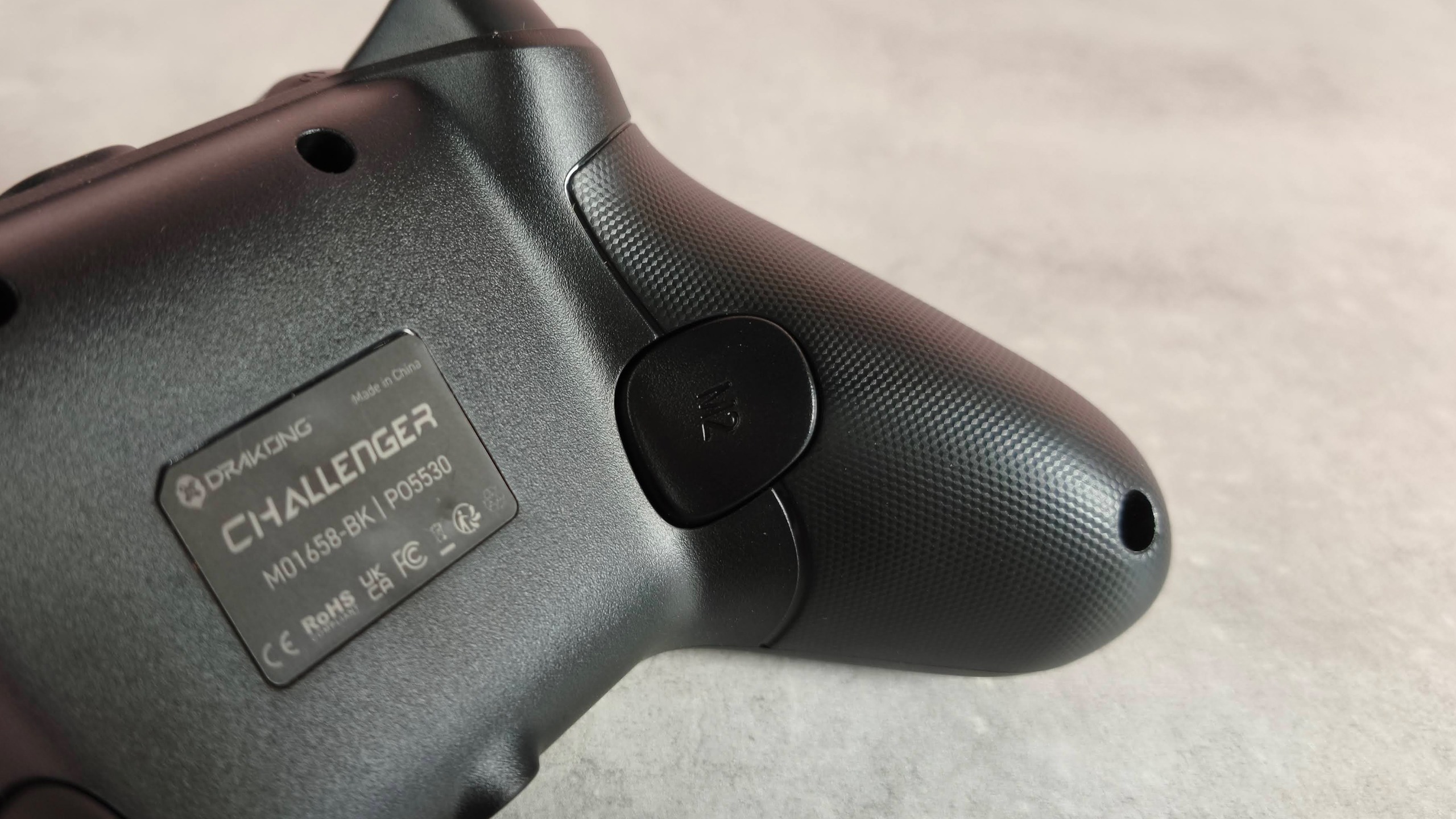
While the exterior shell is constructed from standard-grade plastics that lack the premium, soft-touch coatings found on high-end alternatives, the engineering execution is surprisingly robust. During assembly testing, reviewers noted an absence of hollow rattle or loose structural components. The face buttons and directional pad (D-pad) are securely seated within their housing, exhibiting minimal horizontal play. Furthermore, the rear of the handles features subtle texturing designed to enhance grip traction, though the physical benefit of this texturing is admittedly marginal due to its restrained depth.
Unlike many competitors in its price bracket, the Challenger includes two programmable rear macro buttons. Remapping these inputs does not require a dedicated PC or console software application; instead, users employ a straightforward on-board programming method. By holding the dedicated ‘M’ button alongside a rear paddle until the controller emits a confirmation haptic rumble, players can assign any standard face or shoulder input instantly. While intuitive, the rear buttons themselves lack the deep, satisfying travel distance of the primary inputs and can occasionally be depressed inadvertently during high-intensity gameplay sequences.
Core Performance and Hall Effect Technology
The standout engineering achievement of the Drakong Challenger lies in its implementation of Hall Effect technology for both its analog sticks and triggers. Traditional potentiometers rely on physical contact surfaces that inevitably wear down over time, resulting in the dreaded "stick drift" phenomenon. Hall Effect sensors, conversely, utilize magnetic fields to measure thumbstick and trigger displacement, eliminating physical friction entirely. This translates to exceptional longevity and precise, repeatable inputs.
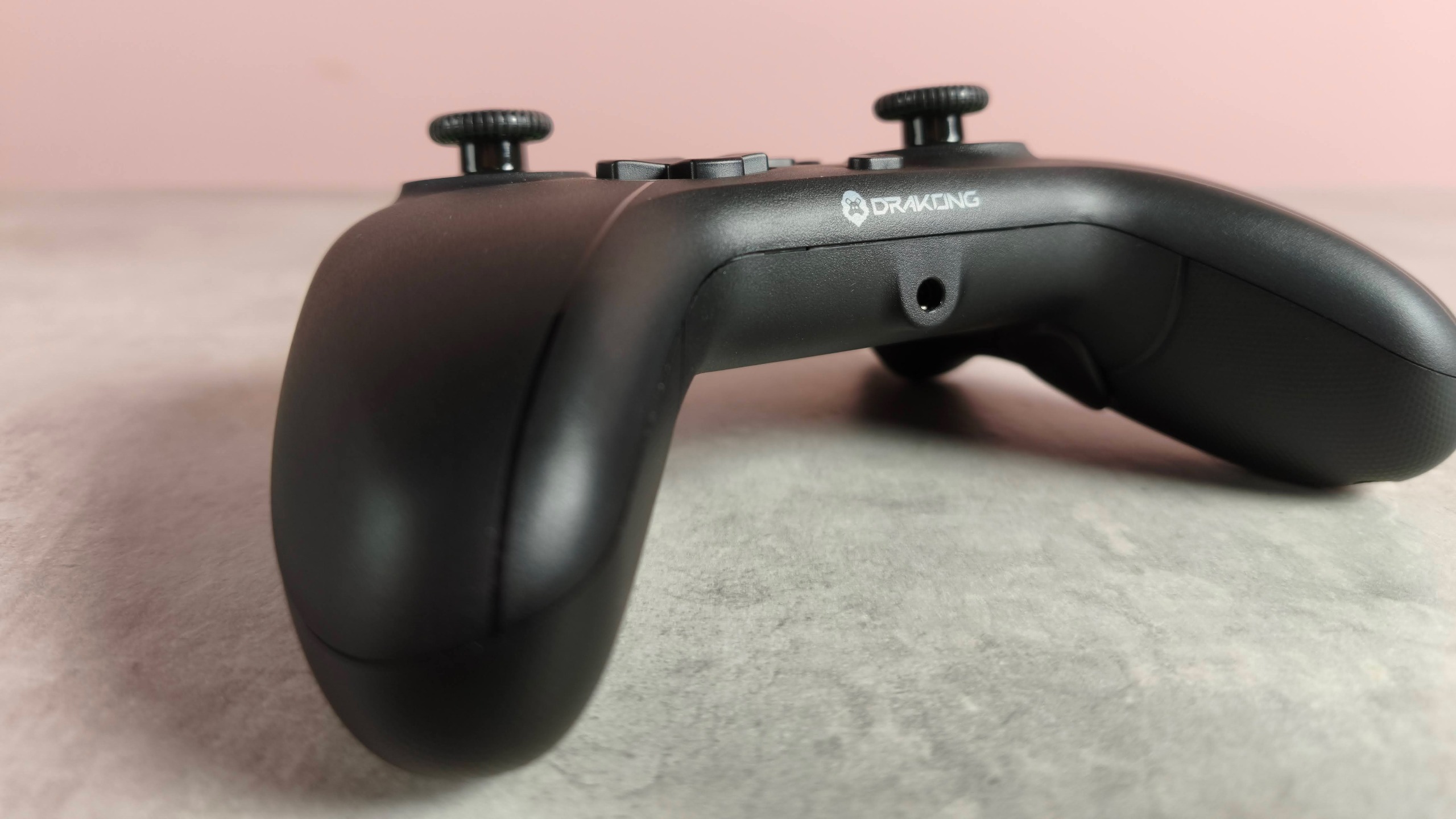
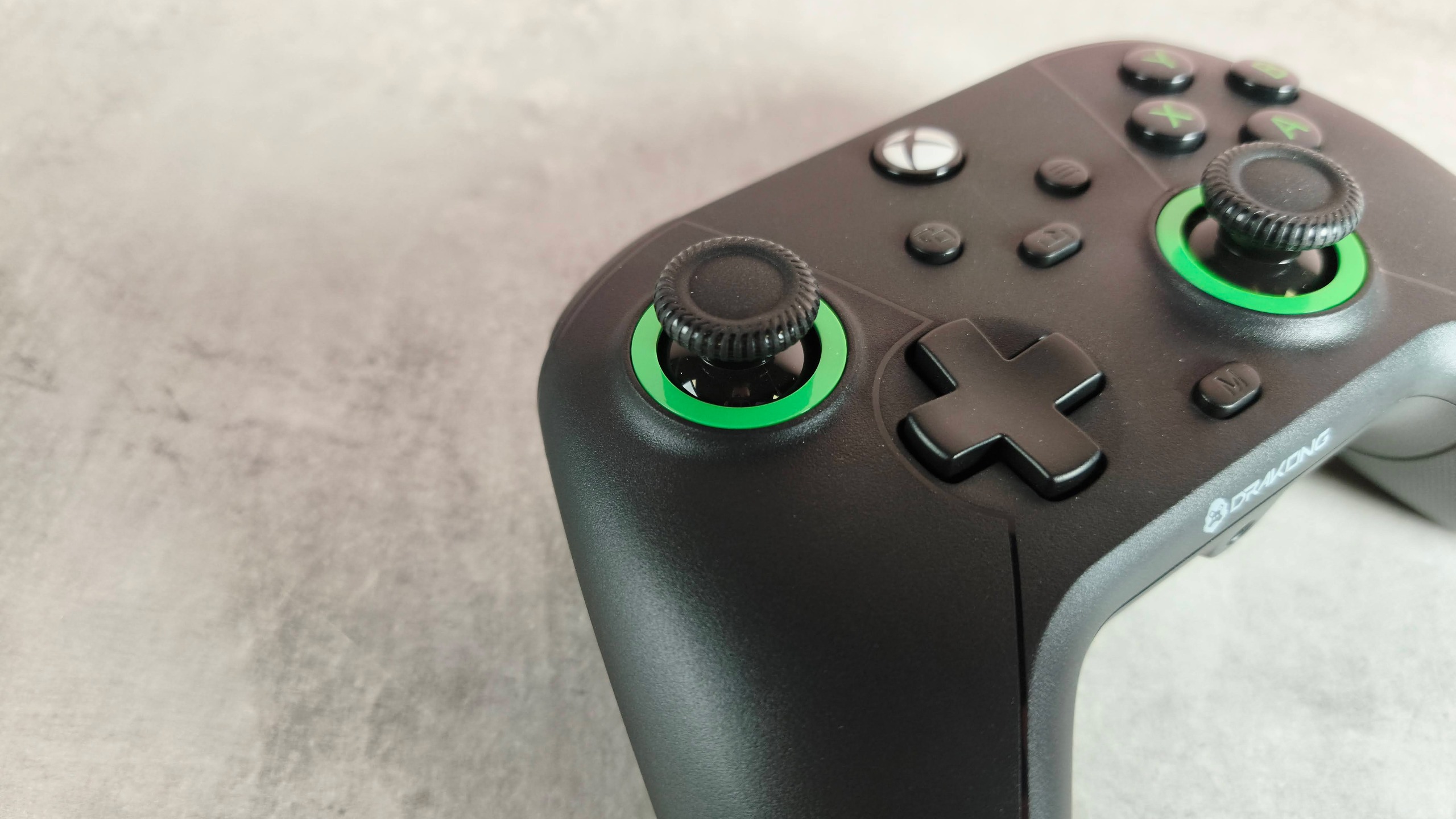
In rigorous practical testing across various genres, the Challenger punches significantly above its weight class. In high-speed racing simulations such as Assetto Corsa, the Hall Effect triggers offer a light yet remarkably progressive resistance curve, allowing for nuanced throttle control and braking modulation. Similarly, precision aiming tasks in first-person titles like S.T.A.L.K.E.R. 2: Heart of Chornobyl benefit greatly from the smooth, accurate tracking of the thumbsticks, which are capped with a soft, grippy coating and textured outer rims for enhanced tactile feedback.
Fighting games, which place notoriously harsh demands on directional pads, were tested using Tekken 8. The Challenger’s traditional four-pronged D-pad proved surprisingly resilient and comfortable under frantic thumb rotations, rebounding rapidly to allow for clean input execution. The face buttons share this responsive dampening, facilitating rapid multi-tap maneuvers without sticking or mushy feedback.
Connectivity, Audio, and Market Positioning
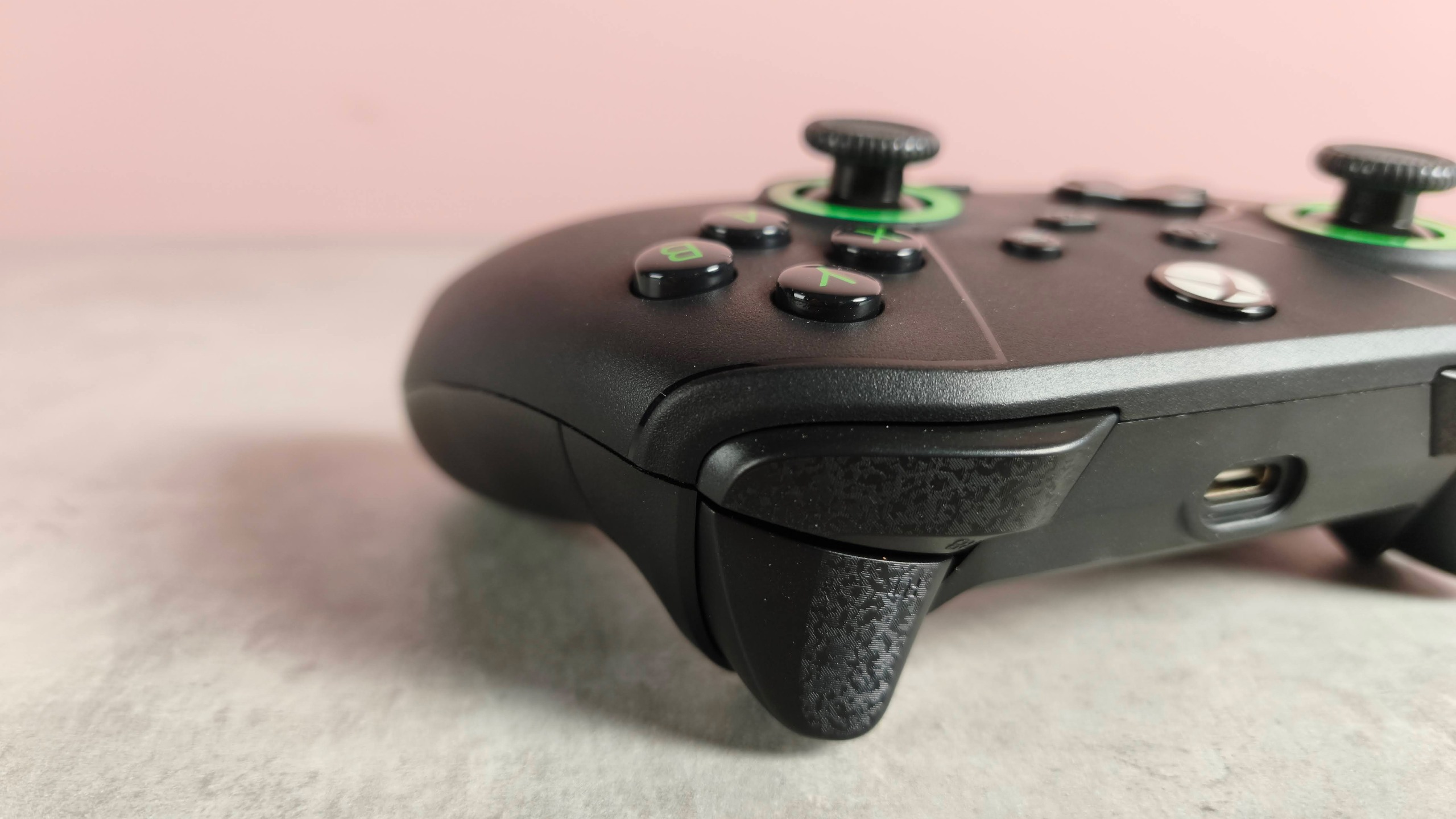
To hit its sub-$35 price point, Drakong made strategic concessions regarding connectivity. The Challenger is exclusively a wired device, shipping with a durable, non-braided USB-C cable that securely anchors into the top of the gamepad. While the absence of wireless capabilities may deter users accustomed to cord-free living rooms, the wired connection ensures zero input latency—a critical metric for competitive gaming—and removes battery degradation concerns from the equation.
Notably, the controller includes a standard 3.5mm auxiliary headset jack on its lower edge. Audio passthrough testing revealed zero discernible degradation in sound clarity or microphone fidelity when compared to direct console or PC headphone connections. Additionally, in-box value is bolstered by the inclusion of a one-month free trial code for Xbox Game Pass Ultimate, increasing its appeal for new console or PC adopters.
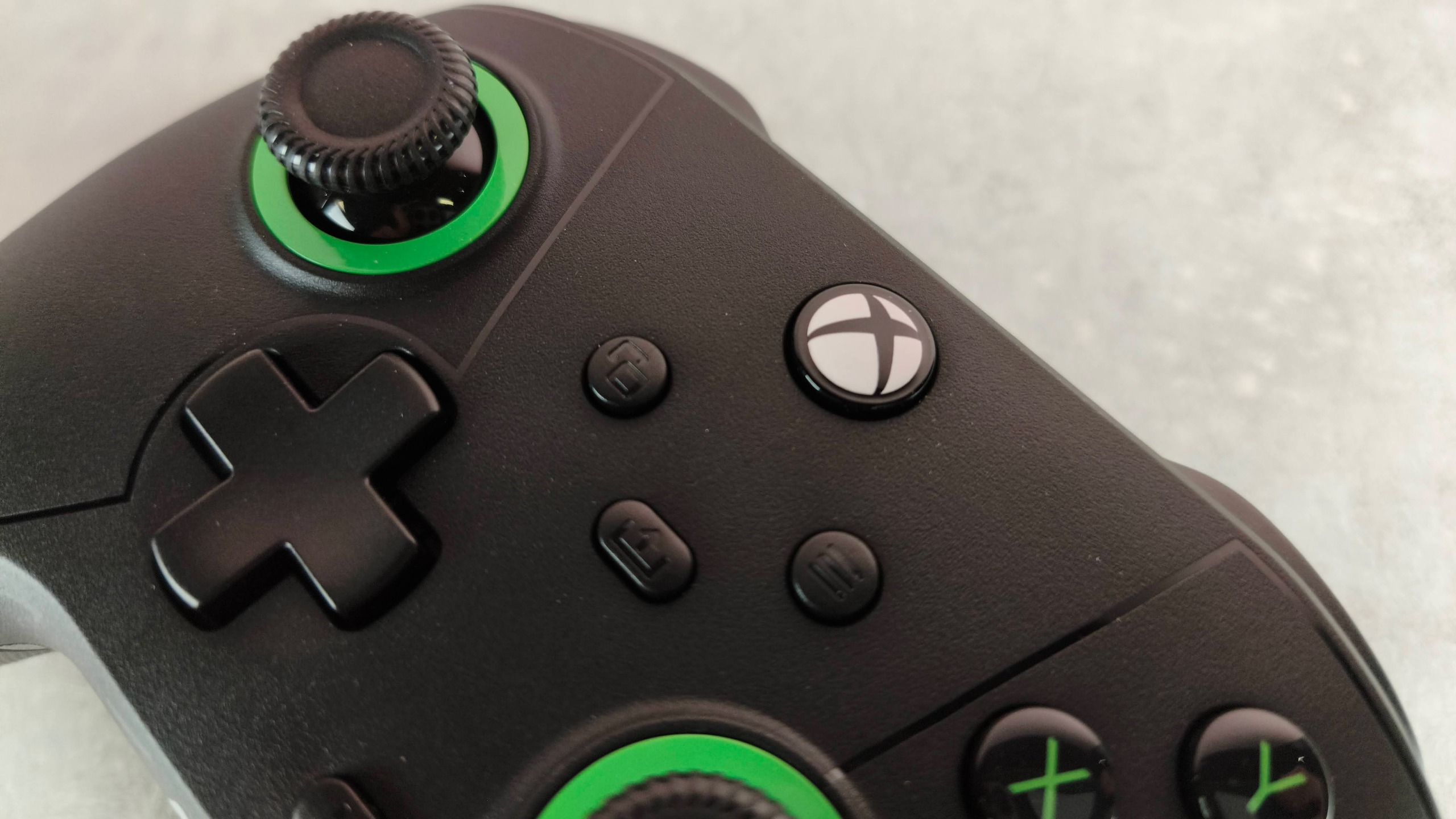
When placed in a broader market context, the Drakong Challenger occupies a unique niche. Official first-party alternatives, such as the standard Microsoft Xbox Wireless Controller, retail for nearly double the price ($59.99 / £54.99 / AU$74.99) and still require separate investments for rechargeable battery packs while lacking rear macro buttons altogether. Conversely, feature-rich third-party competitors like the Turtle Beach Pacific Skyline offer wireless connectivity and companion software customization, but demand a much steeper financial commitment of $89.99 / £79.99.
Implications and Verdict
The arrival of the Drakong Challenger underscores a growing industry trend: consumers are increasingly demanding professional-grade mechanical reliability—specifically Hall Effect sensors—without paying a premium for ecosystem bloat. By eliminating wireless hardware, companion apps, and expensive packaging, Drakong has delivered a high-performance input device that prioritizes raw tactile accuracy over cosmetic flair.
For budget-conscious gamers primarily playing at a desk or close to a console, the Challenger represents an exceptional value proposition. Those requiring wireless freedom or deep input customization via software will need to look toward higher-tier offerings; however, for pure price-to-performance efficiency, the Drakong Challenger sets a formidable new standard in the entry-level gaming peripheral market.
Related posts: