Google Home Update Brings Long-Awaited Nest Cam Fixes, Expanded Gemini Capabilities, and New App Features

Google is currently rolling out a comprehensive software update across its entire ecosystem of smart home devices, introducing critical bug fixes for legacy hardware, enhanced artificial intelligence capabilities, and new application-level controls. This latest patch addresses long-standing user complaints regarding camera connectivity while laying the groundwork for deeper integration of Google’s conversational AI assistant, Gemini, within smart displays and automated routines. As smart home infrastructure becomes increasingly complex and reliant on cloud connectivity, these updates reflect Google’s ongoing effort to stabilize older devices while aggressively pushing forward with modern AI frameworks.
Main Facts of the Release
The newly deployed Google Home update touches nearly every major category of the company’s consumer hardware lineup. For owners of older camera hardware, the patch provides a definitive resolution to persistent "Live View" errors that have plagued devices like the Nest Hello video doorbell over recent weeks. Concurrently, users enrolled in the early access program for Gemini will experience a more responsive assistant, featuring faster timer creation, expedited broadcast messaging, and a more natural, conversational voice feedback loop.
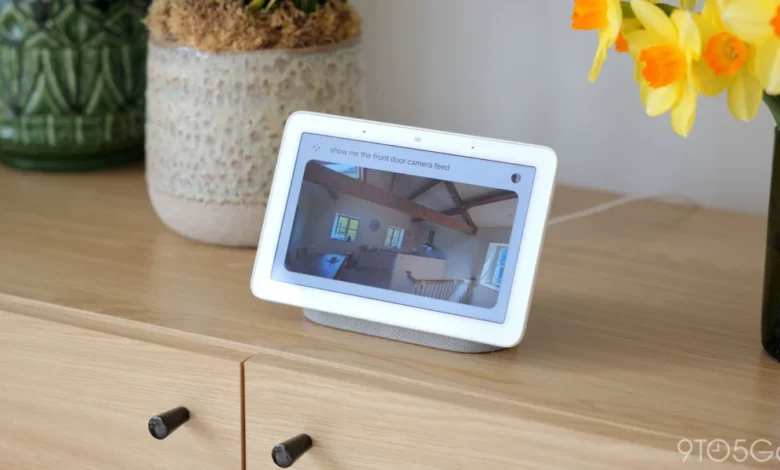
On smart displays such as the Nest Hub, Gemini is now capable of generating relevant visual aids alongside spoken responses, allowing users to process information at a glance. Within the companion Google Home application, the release introduces a dedicated "Google Home Premium" settings page, an "Eco Mode Everywhere" toggle designed to streamline energy management across homes equipped with multiple Nest Thermostats, and native support for digital Home keys stored within Google Wallet for compatible electronic locks. Furthermore, the integration of Model Context Protocol (MCP) connections empowers external AI agents to exert granular control over a wider array of household automation categories.
Chronology and Background Context
The road to this software release has been marked by iterative development and user-reported technical friction. Over the past several years, Google has been executing a complex transition from its legacy Nest ecosystem to the unified Google Home application framework. This migration, while necessary for modernizing the platform, frequently introduced fragmentation and compatibility hurdles, particularly for legacy hardware designed during the pre-acquisition Nest era.
In late 2024 and throughout 2026, a notable segment of the user base reported frustrating anomalies with the Nest Hello and other first-generation video doorbells, specifically concerning the failure of the "Live View" streaming feature. Users found themselves unable to monitor live camera feeds directly from the application or connected smart displays—a critical security failure for a product marketed primarily as a protective monitoring tool. Google acknowledged these connectivity breakdowns, culminating in the deployment of this corrective patch.
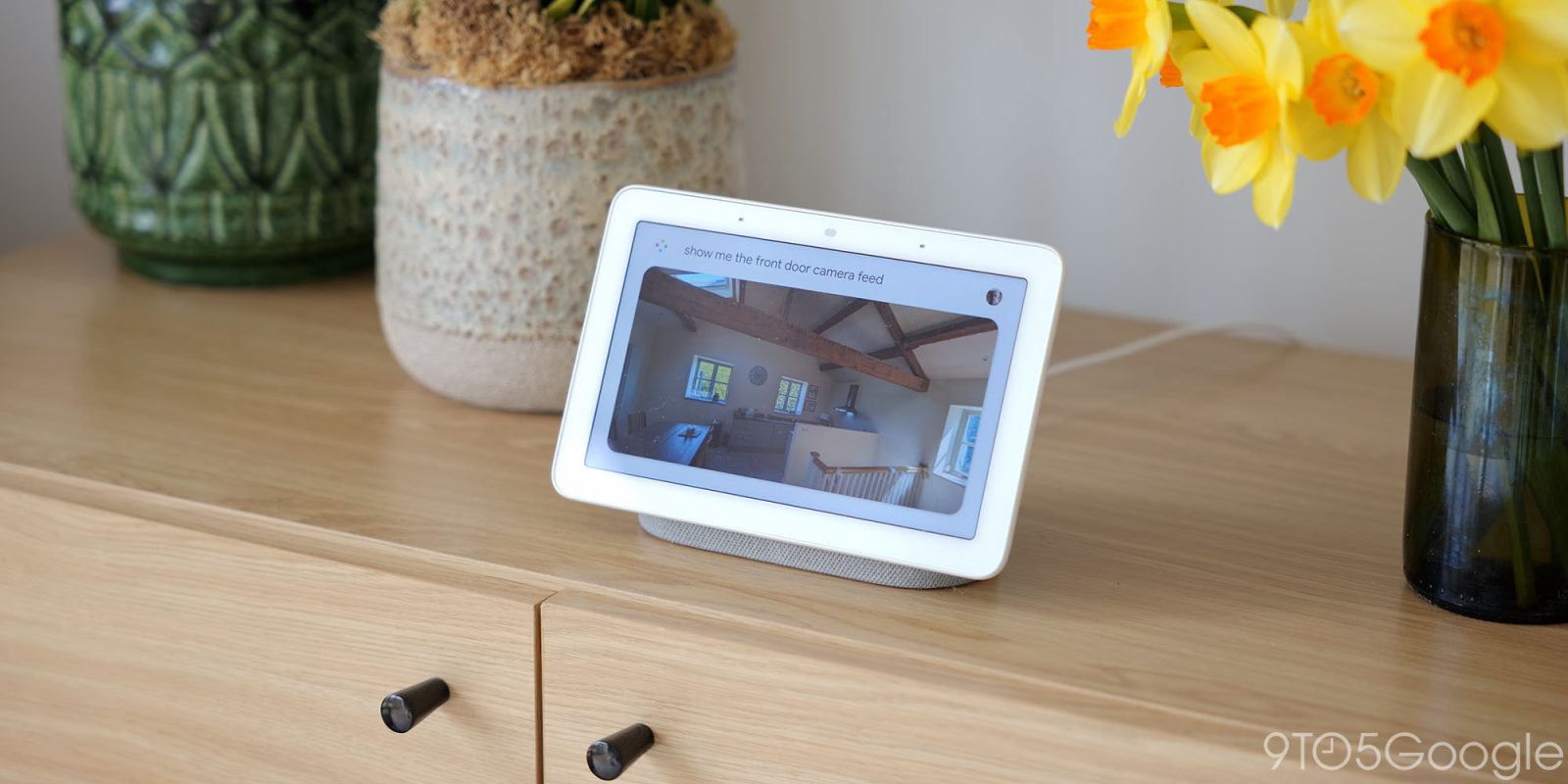
Simultaneously, Google’s broader strategy has pivoted toward generative artificial intelligence. Following the initial rollout of Gemini as a replacement for the aging Google Assistant architecture on mobile devices, the company began integrating the LLM-powered assistant into smart home environments. Early access programs launched incrementally, inviting enthusiasts to test Gemini’s capabilities on Nest speakers and displays. Today’s update represents a significant milestone in that ongoing rollout, moving the AI agent from a simple voice parser to a visually integrated, highly responsive household coordinator.
Supporting Data and Feature Breakdown
To fully understand the scope of the update, a detailed examination of its constituent components reveals how Google is addressing both hardware maintenance and software innovation:
Nest Cam and Doorbell Resolutions: The primary hardware win in this update is the correction of the "Live View" bug. For owners of devices like the Nest Hello—some of which have not yet migrated fully to the newer Home app framework—the update introduces a failsafe mechanism that allows users to cleanly remove unmigrated, offline devices from their digital dashboard without encountering persistent error codes.
Gemini Smart Display Integration: Smart displays, long utilized as passive digital photo frames and simple control hubs, are receiving functional upgrades. When users query Gemini on a Nest Hub, the display no longer relies solely on text or audio output. Instead, it dynamically surfaces relevant contextual images, bridging the gap between ambient computing and actionable data retrieval.
Application and Energy Management Additions: The Google Home mobile app has been updated to include a centralized "Google Home Premium" settings hub, suggesting preparations for tiered subscription models or advanced feature rollouts. For environmentally conscious consumers, the new "Eco Mode Everywhere" toggle allows households operating multiple Nest Thermostats to synchronize energy-saving protocols globally with a single command, eliminating the need to manually adjust individual zones. Additionally, security integration is bolstered by the official inclusion of Home keys in Google Wallet, enabling seamless unlocking experiences via compatible smart locks.
AI Agent and MCP Expansion: Through Model Context Protocol (MCP) connections, advanced AI agents can now interface directly with a broader array of smart home devices. Where previous iterations were restricted to basic lighting and security toggles, the updated architecture permits automated control and status interrogation across complex categories, including climate control systems (thermostats, fans, air purifiers), automated cleaning devices (robot vacuums), lighting effects, kitchen appliances, EV chargers, and critical safety infrastructure such as smoke and carbon monoxide alarms.
Official Responses and Industry Context

While Google has not published an exhaustive, granular changelog for every silent background patch deployed to smart speakers alongside this update, official support documentation and developer briefings outline the strategic trajectory of the platform. Representatives from the company have consistently emphasized that transitioning the smart home to a generative AI foundation requires balancing cutting-edge machine learning models with backward compatibility for legacy hardware.
Industry analysts point out that maintaining older hardware like the Nest Hello while simultaneously rewriting backend protocols for AI integration is a delicate engineering tightrope. Consumers invest heavily in smart home ecosystems under the assumption that physical infrastructure will retain utility for a decade or more. When core functionalities—such as camera streaming—break due to cloud-side API deprecations or app migrations, consumer trust is strained. By issuing a targeted fix for these legacy streaming issues alongside forward-looking AI upgrades, Google is attempting to reassure its customer base that older investments will not be arbitrarily abandoned as the company chases the AI frontier.
Broader Impact and Market Implications
The convergence of reliable hardware maintenance and advanced AI integration carries significant implications for the smart home market at large. As competition intensifies among major technology conglomerates to establish the definitive standard for connected living, the metric of success is no longer simply the number of connected lightbulbs a system can control, but rather the intelligence and contextual awareness of the underlying ecosystem.
By expanding Gemini’s capabilities to include visual aids on smart displays and granting AI agents deep control over high-energy appliances like EV chargers and HVAC systems, Google is positioning the Google Home platform as an autonomous home management system rather than a mere collection of remote-controlled gadgets. The inclusion of granular energy controls like "Eco Mode Everywhere" also aligns with growing consumer demand for automated energy efficiency in the face of rising utility costs and environmental awareness.
Ultimately, this update serves as a transitional bridge. It mends the fractures of past app migrations by restoring vital camera functions to loyal users of older hardware, while simultaneously offering a glimpse into a future where smart homes are orchestrated by responsive, context-aware artificial intelligence. As the rollout continues to reach devices globally, user feedback will determine whether these combined hardware fixes and AI enhancements successfully deliver on the promise of a truly seamless smart home experience.
Related posts: