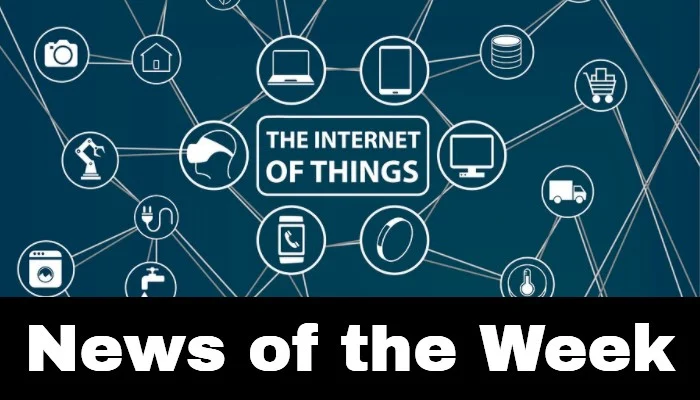
The Internet of Things (IoT) landscape is currently undergoing a period of significant recalibration, marked by a shift from hardware-centric business models to service-oriented, subscription-based ecosystems. As legacy players exit the consumer voice assistant market and industrial sectors lean heavily into artificial intelligence for predictive maintenance, the integration of smart technology into the fabric of daily life—and the subsequent privacy implications—remains a dominant theme for the second week of August.
Philips Hue Expands into Home Security
The smart lighting industry, once dominated by simple connected bulbs, is experiencing a strategic pivot. Signify, the parent company behind the Philips Hue brand, has confirmed its intention to enter the home security market. While Hue has long been the market leader in connected lighting, the company faces the reality of market saturation; high-quality, durable LED bulbs are rarely replaced, limiting the long-term growth of hardware sales.
Industry analysts suggest that this expansion is a calculated move to secure recurring subscription revenue. By integrating security cameras and contact sensors into the existing Hue app ecosystem, Signify can leverage its established user base—many of whom have been invested in the platform for over a decade. Reports indicate that the upcoming product lineup will include four distinct camera models and a suite of contact sensors. This move aligns with broader industry trends where manufacturers shift from selling products to selling "security-as-a-service" platforms, which offer continuous monitoring and cloud storage fees that provide a predictable financial baseline.
TP-Link Broadens Matter Ecosystem Compatibility
TP-Link continues to solidify its commitment to the Matter smart home standard, an industry-wide interoperability protocol designed to unify disparate devices. Following the success of its budget-conscious Tapo line, the company is now migrating its premium Kasa brand toward full Matter integration.
The launch of the Kasa KS205 Smart Wi-Fi Light Switch and the Kasa KS225 Smart Wi-Fi Light Dimmer Switch represents a significant push to lower the barrier to entry for smart home automation. Priced at $27.99 and $29.99 respectively, these devices require a neutral wire for installation, a common requirement for high-performance switches. By embracing Matter, TP-Link ensures that these products will work seamlessly with major ecosystems like Apple Home, Google Home, and Amazon Alexa, reducing consumer confusion and fragmentation.
The Sunset of Microsoft’s Cortana
Microsoft has officially signaled the end of its consumer-facing voice assistant, Cortana. Originally introduced in 2014 as a direct competitor to Apple’s Siri and Amazon’s Alexa, Cortana was integrated into the Windows operating system and mobile devices. However, the assistant struggled to gain a significant foothold in the competitive landscape of AI-driven voice interfaces.
The termination of the Cortana app in Windows 11 marks the final phase of a gradual retreat that began years ago when Microsoft removed the assistant from its consumer-focused product roadmaps. This decision reflects a broader corporate shift toward generative AI, as Microsoft pivots its resources to prioritize Copilot and other advanced large language model (LLM) integrations. For legacy users, the transition represents a broader trend in the tech sector: the abandonment of standalone voice assistants in favor of more sophisticated, context-aware artificial intelligence.
Predictive Maintenance: Tractian Secures $45 Million
The industrial IoT sector continues to attract significant venture capital, particularly in the realm of predictive maintenance. Atlanta-based startup Tractian recently announced a $45 million funding round, bringing its total capital raised to over $60 million since its inception in 2019.
Tractian provides a holistic solution for industrial machine health, combining proprietary vibration and temperature sensors with AI-driven software to detect anomalies before they result in catastrophic equipment failure. The company’s success underscores a transition in the manufacturing sector, where "anomaly detection" is being rebranded and enhanced by advanced machine learning models. With over 500 industrial clients already utilizing its hardware and software stack, Tractian’s expansion strategy aims to capture a larger share of the global industrial maintenance market, which is increasingly focused on reducing downtime and optimizing asset lifespan.
The Intersection of InsureTech and Consumer Privacy
A growing concern among privacy advocates and consumer rights groups is the use of connected technology and remote sensing by insurance companies. As climate change increases the frequency of natural disasters and the costs of property replacement continue to climb, insurance firms are facing intense pressure to mitigate risk.
In regions such as California, insurers are increasingly turning to drones to conduct remote property inspections. These devices scan roofs and yards, allowing underwriters to identify maintenance issues or potential hazards that might otherwise go unnoticed. However, this practice has raised significant ethical questions. There have been documented cases where policyholders were issued non-renewal notices based on drone footage, only to have those decisions reversed after providing evidence of recent maintenance or clarifying the purpose of certain yard features, such as drained swimming pools. The integration of high-resolution aerial imagery into underwriting processes highlights a dangerous precedent: as homes become more "connected," insurers may gain a granular view of policyholders’ lives, potentially creating a feedback loop where consumer behavior is penalized by automated monitoring systems.
Energy Harvesting and the Future of Smart Floors
Innovation in energy harvesting continues to offer a glimpse into a future where smart devices may no longer rely on traditional batteries. Researchers in Scotland have unveiled a graphene-based foam capable of generating electricity through kinetic pressure.
When subjected to foot traffic, the material generates approximately 10 watts of power—sufficient to run small-scale sensors and localized software. This technology holds potential for smart building management, enabling floor-based sensors to track occupancy, detect movement patterns, and automate climate or lighting controls without the need for periodic battery replacements. While the technology is currently in the development phase, it highlights the potential for "self-powered" IoT devices to enhance sustainability in smart home and commercial environments.
SaaviHome Pioneers Smart Home Franchising
As the complexity of the smart home increases, the demand for professional installation and integration services has surged. SaaviHome, a company established in 2004, is moving to scale its operations through a franchise model.
Ahead of the CEDIA professional installers’ trade show, SaaviHome has launched an initiative to recruit franchisees across the Mountain West, including markets in Colorado, Utah, Nevada, and Arizona. The company provides a standardized platform for smart home integration, utilizing robust systems such as Control4 to ensure interoperability. This move signals a maturing market; as smart home technology becomes more integral to modern residential construction, the need for professional, certified integrators who can manage, maintain, and service these complex networks is becoming a vital component of the real estate and home services industry.
Analysis: The Path Forward for IoT
The events of the past week demonstrate a clear trajectory for the Internet of Things. First, the industry is moving toward consolidation; standards like Matter are reducing the friction that previously hindered mass adoption. Second, the monetization of IoT is shifting from one-time hardware sales to ongoing services, whether through home security subscriptions or industrial maintenance contracts.
However, this transition is not without friction. The use of drones by insurance companies illustrates the potential for "surveillance creep," where the same sensors designed for convenience and safety can be repurposed for risk assessment in ways that may disadvantage the consumer. As these technologies become more deeply embedded in the home, the debate over data ownership, privacy, and the rights of the consumer will likely become just as critical as the hardware innovations themselves. For manufacturers and service providers, the challenge for the remainder of 2023 will be balancing the drive for efficiency and data collection with the growing demand for transparency and user-centric privacy protections.