LG Electronics USA, a global leader in home appliances and consumer electronics, has announced a significant policy shift, stating its intent to suspend applications built for its smart TVs that convert users’ televisions into "always-on" residential proxy nodes. This stringent measure comes less than a month after alarming research revealed that a substantial portion—over 42 percent—of games and other downloadable applications available on LG’s webOS store were found to incorporate software allowing unknown third parties to route their internet traffic through a user’s television. The company’s proactive stance underscores a growing awareness within the technology industry regarding the hidden risks and privacy implications associated with embedded third-party software development kits (SDKs) in consumer devices.
The revelation, which sent ripples through the cybersecurity and consumer electronics communities, originated from a detailed investigation by the security firm Spur. On July 2, Spur published its findings, extensively covered by outlets like KrebsOnSecurity, which brought to light the widespread prevalence of residential proxy SDKs within smart TV applications. The research specifically highlighted that more than 42 percent of apps on LG’s webOS platform contained these SDKs, effectively transforming millions of televisions into unwitting participants in global proxy networks. Equally concerning was the discovery that over a quarter of applications designed for Samsung’s Tizen operating system harbored similar residential proxy components, indicating a systemic issue across the smart TV ecosystem.
The Discovery: Unveiling the Proxy Problem
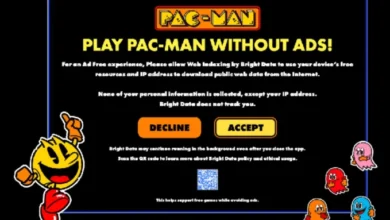
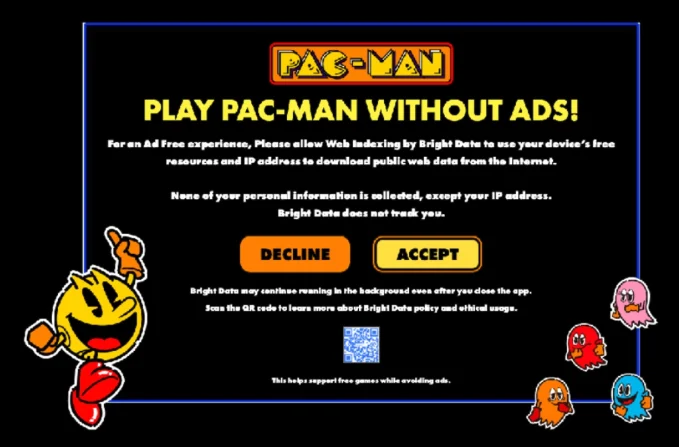
Spur’s comprehensive analysis delved into the underlying mechanisms that enable these smart TVs to function as proxy nodes. Residential proxy networks leverage legitimate residential IP addresses to mask the origin of internet traffic, often used for activities such as web scraping, market research, ad verification, and bypassing geo-restrictions. While some uses are legitimate, the opaque nature of these embedded SDKs and the potential for misuse raise significant privacy and security concerns for the device owners. The report meticulously detailed how various apps, ranging from seemingly innocuous games like Pac-Man to essential screensavers and file utilities, bundled these proxy SDKs. This integration often occurs without explicit, clear, or ongoing consent from the end-user, thereby creating a hidden drain on their internet bandwidth and potentially exposing their home network to unknown traffic.
The financial incentive for app developers to include these SDKs is clear. Residential proxy providers pay developers to integrate their software, effectively monetizing user devices by turning them into rentable proxy nodes. This business model, while lucrative for developers, shifts a significant burden and risk onto the unsuspecting consumer. The study identified Bright Data, a prominent residential proxy network, as accounting for a majority of the proxy SDKs found across both Samsung and LG smart TVs. Despite the findings, Bright Data did not issue a public response to the specific allegations raised by Spur’s report regarding its presence in smart TV apps.
Understanding Residential Proxy Networks
To fully grasp the gravity of LG’s decision, it is crucial to understand what residential proxy networks are and their operational dynamics. A residential proxy uses an IP address provided by an Internet Service Provider (ISP) to a homeowner, making the traffic appear as if it originates from a regular residential user. This differs significantly from datacenter proxies, which are easily identifiable and often blocked by websites. Residential proxies are highly sought after because they offer a higher degree of anonymity and legitimacy for various online activities.
The ecosystem typically involves several players:
- Proxy Providers: Companies like Bright Data that aggregate residential IP addresses and rent them out.
- App Developers: Those who integrate proxy SDKs into their applications.
- End-Users (Device Owners): Whose devices become proxy nodes, often without their full understanding or explicit, informed consent.
- Clients: Businesses or individuals who rent these proxy services for data collection, SEO monitoring, ad verification, brand protection, or even more clandestine activities like circumventing online security measures.
While proxy providers often claim to employ rigorous "Know Your Customer" (KYC) processes to vet their clients and prevent illicit use, the sheer scale and decentralized nature of residential proxy networks make complete oversight challenging. The risk to end-users is multifaceted: it includes potential degradation of internet performance due, to their bandwidth being utilized by third parties, increased electricity consumption, and, more critically, the possibility of their IP address being implicated in illegal activities conducted by the proxy network’s clients. Furthermore, there’s a latent concern regarding the security of the home network itself, although proxy companies typically state they incorporate countermeasures to prevent clients from interacting with other devices on the proxy user’s local network.
LG’s Response and Remedial Actions
In the wake of Spur’s findings, LG Electronics USA was quick to address the mounting concerns. John Taylor, LG Senior Vice President, confirmed the company’s commitment to eradicating residential proxy functionality from its smart TV platform. In a statement to KrebsOnSecurity, Taylor unequivocally declared, "A residential proxy network is not an intended use for LG smart TVs, and LG Electronics is working with developers to remove the residential proxy option from their apps on the webOS platform." He further outlined the company’s firm stance: "If this option is not removed, these apps will be suspended."
This ultimatum signals LG’s determination to reclaim control over its platform and ensure user trust. Taylor emphasized that LG is committed to preventing the future inclusion of residential proxy networks in its smart TV apps and that the review process for existing applications is "well underway." He added, "As part of our ongoing efforts to enhance platform quality and the user experience, LG will continue to strengthen our evaluation process for developer-submitted apps, including those that incorporate residential proxy SDKs." This commitment suggests a more robust app vetting process will be implemented, aiming to catch such integrations before they reach consumers.
The Broader Industry Landscape: Samsung and Beyond
The issue is not exclusive to LG. Spur’s research explicitly noted that more than a quarter of apps for Samsung’s Tizen operating system also contained similar residential proxy components. This indicates an industry-wide challenge, stemming from the convergence of app monetization strategies, the rapid proliferation of "smart" devices, and insufficient oversight from platform providers. Smart TVs, now central hubs in many homes, represent a significant attack surface and a lucrative target for such integrations due to their always-on nature and widespread adoption.

The smart TV market has witnessed exponential growth over the past decade. According to market research firms, global smart TV shipments routinely exceed hundreds of millions annually, making them one of the most pervasive internet-connected devices in households. This ubiquity, coupled with the relatively low technical literacy of many users regarding app permissions and background processes, creates an ideal environment for the stealthy deployment of proxy SDKs. The silence from Samsung regarding its plans to address this issue on its Tizen platform is conspicuous, placing pressure on the company to follow LG’s lead and reassure its vast user base.
Implications for Users: Privacy, Security, and Performance
The implications for users whose smart TVs have been operating as residential proxy nodes are substantial and varied:
- Privacy Erosion: The fundamental principle of privacy dictates that individuals should have control over their devices and network traffic. When a TV acts as a proxy, it essentially becomes a conduit for unknown third-party data, compromising this control.
- Network Performance Degradation: Routing external internet traffic through a user’s home network consumes bandwidth, potentially slowing down internet speeds for other devices and activities, such as streaming or online gaming. This can lead to unexpected data overages if users have capped internet plans.
- IP Reputation Damage: If the proxy network’s clients engage in malicious or illegal activities (e.g., spamming, hacking, fraud) using the user’s IP address, that IP address could be flagged, blacklisted, or associated with illicit conduct. This could lead to legitimate services being blocked for the user or even unwarranted legal scrutiny.
- Security Vulnerabilities: While proxy providers claim to isolate traffic, the presence of any third-party software introduces potential security risks. Unvetted SDKs could have vulnerabilities that could be exploited to gain deeper access to the device or the local network.
- Lack of Informed Consent: As Trevor Sutter of Spur highlighted, "A one-time consent prompt buried in a TV app is not a substitute for meaningful transparency, ongoing control, and platform oversight." This issue is compounded when minors or less tech-savvy individuals within a household are the ones accepting these permissions, inadvertently exposing the entire household’s network.
The Business Model: App Monetization and Ethical Dilemmas
The economic rationale behind embedding proxy SDKs is a testament to the ongoing challenge of app monetization in a competitive digital marketplace. Developers often struggle to generate revenue from free apps, and alternative monetization strategies, beyond traditional advertising or in-app purchases, become attractive. Partnering with residential proxy providers offers a seemingly effortless income stream, allowing developers to profit from their user base without directly charging them.
However, this model introduces significant ethical dilemmas for both developers and platform providers. For developers, it raises questions about transparency and user trust. For platform providers like LG and Samsung, it highlights their responsibility in curating a safe and trustworthy app store environment. The balance between fostering a vibrant developer ecosystem and safeguarding user interests is delicate, and LG’s recent action suggests a prioritization of the latter. This decision may compel other platform providers to reassess their app store guidelines and enforcement mechanisms.
Regulatory Scrutiny and Consumer Advocacy
The prevalence of residential proxy SDKs in smart devices could attract the attention of regulatory bodies worldwide, particularly those focused on consumer protection and data privacy. Organizations like the Federal Trade Commission (FTC) in the U.S. or data protection authorities in Europe (under GDPR) could investigate whether these practices violate consumer rights regarding deceptive practices or data processing without adequate consent. The "Internet of Things" (IoT) landscape, encompassing smart TVs, smart home devices, and wearables, is increasingly under scrutiny for its data collection practices and security vulnerabilities.
Consumer advocacy groups are also likely to intensify their calls for greater transparency from device manufacturers and app developers. They advocate for clearer consent mechanisms, easily understandable privacy policies, and robust tools that allow users to monitor and control how their devices and networks are being utilized. The incident serves as a stark reminder that consumers must remain vigilant about the software they install, even on devices they perceive as simple entertainment hubs.
Beyond Proxies: The Challenge of Bloatware and Unwanted Software
LG’s announcement, while a positive step, also brings into focus a broader issue that plagues the consumer electronics industry: the bundling of unwanted software or "bloatware." Just days before the proxy SDK revelation, LG faced criticism for another questionable partnership. The popular YouTube channel Gamers Nexus exposed that certain LG LCD monitors automatically install an application promoting paid McAfee antivirus subscriptions. Crucially, this app arrived via Windows Update without an explicit approval prompt from the user, raising concerns about software silently pushed onto devices without consent.
This McAfee incident, though distinct from the proxy issue, points to a pattern of manufacturers leveraging their control over hardware and software ecosystems to promote third-party services, often to the detriment of user experience and control. Whether it’s a hidden proxy service or an unrequested antivirus promotion, the underlying problem is a lack of transparent user control over the software installed on their devices. Both incidents underscore the urgent need for manufacturers to adopt more ethical and user-centric practices in their software distribution and partnership agreements.
Looking Ahead: Enhancing Platform Governance and User Trust
LG’s decisive action against residential proxy SDKs marks a crucial moment for the smart TV industry. It sets a precedent that platform providers have a fundamental responsibility to protect their users from hidden software that compromises privacy, security, and network performance. Moving forward, LG’s commitment to strengthening its app evaluation process will be critical in rebuilding and maintaining user trust. This likely entails:
- Stricter App Review Guidelines: Explicitly prohibiting residential proxy SDKs and other similar bandwidth-sharing technologies.
- Enhanced Technical Scrutiny: Employing more sophisticated tools and processes to detect hidden SDKs and evaluate app behavior.
- Clearer Developer Policies: Communicating unambiguous expectations to developers regarding acceptable monetization strategies and user consent.
- Improved User Transparency: Potentially implementing features that allow users to monitor their device’s network activity or review permissions more easily.
For consumers, the takeaway is a heightened need for awareness. It reinforces the importance of reading app permissions carefully, understanding the terms of service, and being cautious about installing apps from unknown developers, even on smart devices. As the line between traditional electronics and sophisticated computing devices continues to blur, the demand for robust security, transparent privacy practices, and genuine user control will only intensify, pushing the industry towards more responsible innovation. The battle for control over our "smart" devices has only just begun, and LG’s recent move is a significant step in the right direction for consumer empowerment.