Microsoft Azure Secures Top Industry Analyst Recognition as Enterprise AI Transitions to Production at Scale

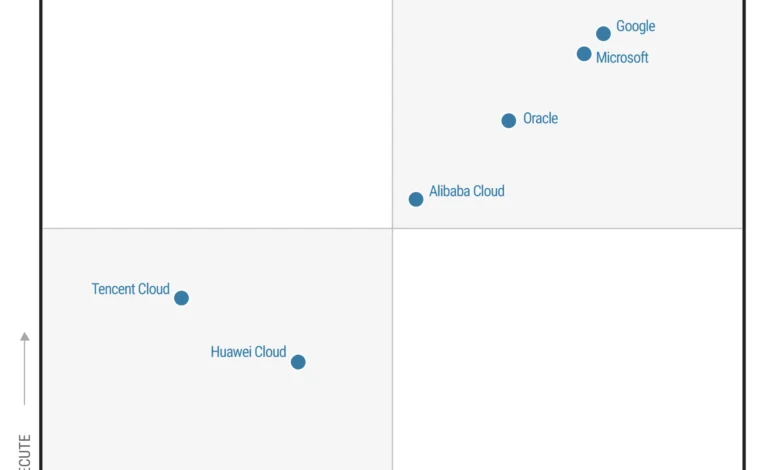
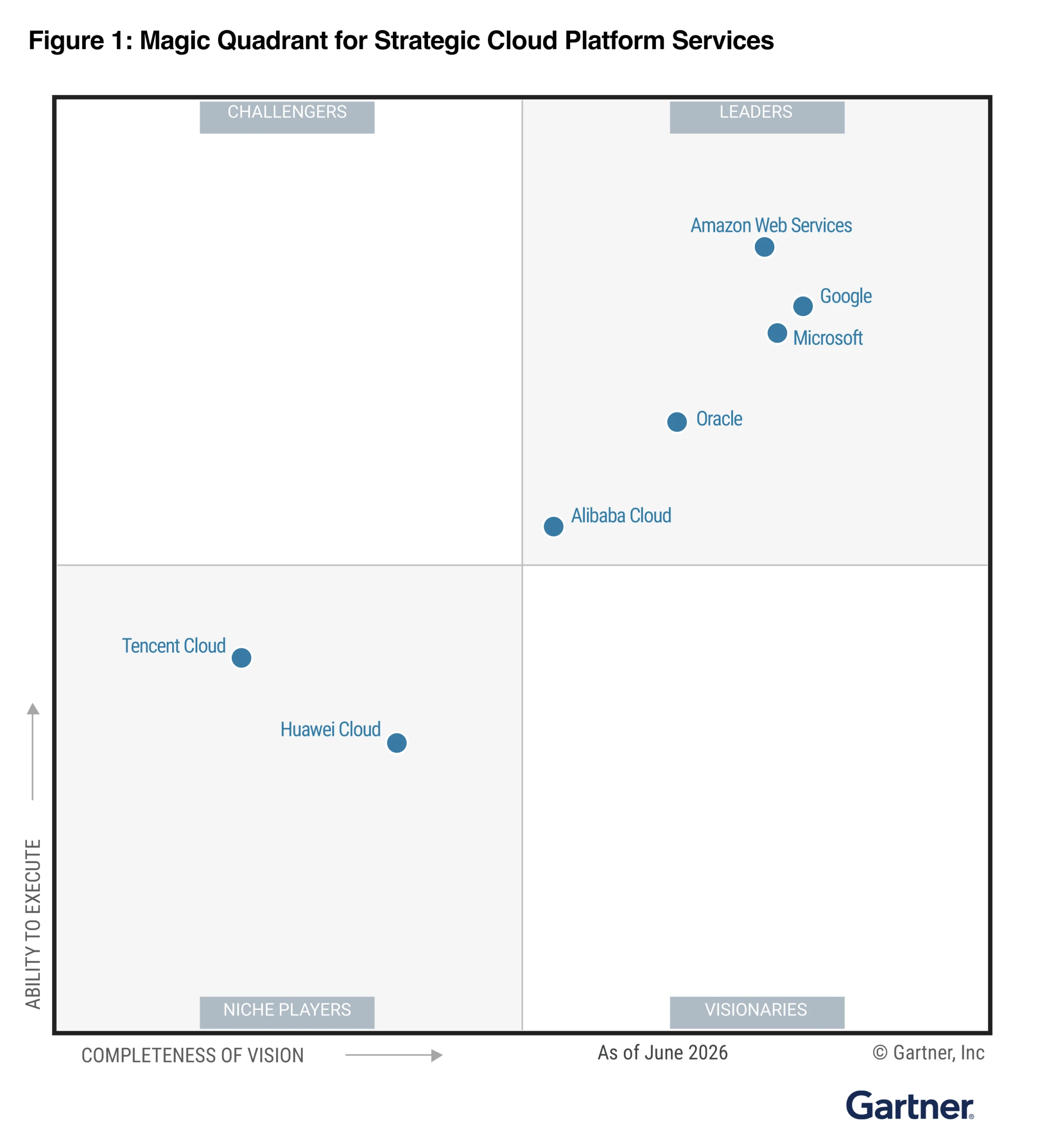
The shift of artificial intelligence from experimental pilot projects to mission-critical enterprise production has fundamentally altered the requirements for cloud infrastructure, a transition underscored by Microsoft Azure’s recent placement as a Leader in both the 2026 Gartner Magic Quadrant for Strategic Cloud Platform Services and The Forrester Wave: Public Cloud Platforms, Q3 2026. This dual recognition marks a significant milestone in a years-long evolution for the tech giant, which has maintained its leadership position in the Gartner Magic Quadrant consistently since 2023. As organizations navigate the complexities of a multi-model AI landscape, the industry has pivoted away from evaluating individual software features toward assessing the cohesive, system-level architecture that connects silicon, data, and autonomous agents.
The Evolution of Cloud Infrastructure: A Chronology of Integration
The journey toward this recognition reflects a broader industry trend where the primary challenge for enterprises has shifted from accessing AI capabilities to integrating them within existing business frameworks. Between 2023 and 2026, the market moved through three distinct phases. In 2023, the focus was largely on initial LLM experimentation and API accessibility. By 2024, the conversation moved toward RAG (Retrieval-Augmented Generation) and data grounding, as companies realized that base models required specific enterprise context to be useful.
In 2025, the focus intensified on infrastructure optimization, specifically the cost and performance of GPU clusters and fine-tuning specialized, smaller models. The current state, as of late 2026, is defined by "agentic" workflows—systems that do not just provide information, but execute complex tasks across enterprise software suites. Microsoft’s strategy during this period has been to position Azure not merely as a compute provider, but as a vertically integrated platform where developer tools, data governance, and model hosting layers operate as a unified system.
Data Gravity and the Infrastructure Mandate
A central theme in recent industry analysis is the concept of "data gravity," which posits that data is the most difficult element of the cloud stack to move, making it the anchor for all AI strategy. Forrester’s latest assessment highlights that while models are transient—constantly being replaced by newer, more efficient versions—the underlying data, security protocols, and business logic are enduring.
Microsoft’s architecture addresses this through the integration of Microsoft Fabric for unified analytics and Microsoft Purview for cross-estate governance. By connecting Azure SQL and Cosmos DB directly into the AI pipeline, the company has attempted to solve the "data silo" problem that historically prevented enterprises from scaling AI. The implication for the market is clear: organizations are no longer interested in stitching together third-party components that lack native interoperability. They are shifting toward providers that offer an integrated stack where security and compliance are baked into the data layer rather than applied as an afterthought.
Supporting Data and Strategic Performance
The market for strategic cloud platforms is currently valued in the hundreds of billions, with AI services accounting for the fastest-growing segment of capital expenditure. According to recent market reports, over 70% of Fortune 500 companies have moved at least one generative AI project into production as of Q3 2026. Microsoft’s success in this space is largely attributed to its "choice without complexity" philosophy.
By leveraging Microsoft Foundry, developers can access a diverse array of frontier models, open-weight models, and specialized small language models (SLMs) within the same environment. This flexibility is essential because, as performance data shows, no single model is optimal for every use case. A customer might deploy a frontier model for high-level creative synthesis but rely on an open-weight model for high-throughput, low-latency transaction processing. The ability to manage these disparate workloads through a single control plane—maintaining consistent identity, security, and governance—is the primary factor that has led analysts to favor the Azure ecosystem in recent reports.
Modernization as a Precursor to AI Adoption
A critical, often overlooked aspect of the 2026 analyst reports is the emphasis on application modernization. Many enterprises have struggled to adopt AI because their core business logic remains trapped in legacy systems. Microsoft has addressed this by integrating GitHub Copilot agents directly into the software development lifecycle, allowing teams to refactor, test, and migrate legacy .NET and Java applications into the cloud.
The case study of Levi Strauss & Co. serves as a primary example of this modernization-first approach. By migrating its legacy infrastructure to Azure, the company was able to build a resilient foundation that subsequently allowed for the rapid deployment of agentic AI. This underscores a vital shift in corporate strategy: the "AI project" is no longer a separate initiative but is instead the final stage of a broader digital transformation process. Analysts note that Microsoft’s pragmatic approach—prioritizing the modernization of existing, proven processes—has resonated with CIOs who are wary of the risks associated with "rip-and-replace" strategies.
Industry Implications and Future Outlook
The recognition from Gartner and Forrester serves as an independent validation of a strategy that prioritizes the "system-level" value proposition. For the broader market, the implications are profound. First, it signals that the era of the "siloed AI project" is nearing its end. Future competitiveness will be dictated by the ability to link AI to the existing operational data that lives in ERP, CRM, and bespoke internal databases.
Second, the market is signaling a preference for "vertically integrated" platforms. While open-source frameworks provide the building blocks, the integration of security, compliance, and developer operations is what defines production-grade reliability. Organizations like UNC Health have utilized these integrated foundations to navigate the stringent regulatory requirements of the healthcare sector, proving that AI can be applied safely when the underlying cloud platform provides the necessary guardrails.
As we move into the final quarter of 2026, the focus for cloud providers will likely shift from infrastructure capacity to "agentic efficacy"—the ability of these systems to act autonomously on behalf of the user while maintaining strict organizational control. The competition among major cloud providers will no longer be centered on who has the most GPU compute, but on whose platform allows for the most seamless orchestration of models, data, and human-in-the-loop oversight.
Conclusion
The alignment of Gartner’s and Forrester’s assessments confirms that the cloud platform market has reached a maturity level where the "plumbing" of AI—security, governance, data management, and developer experience—is as important as the intelligence of the models themselves. Microsoft’s sustained leadership position is a testament to the success of its long-term investment in building an end-to-end ecosystem.
As enterprises continue to refine their AI strategies, the choice of a cloud partner will become a multi-year commitment to a specific architectural vision. For those organizations aiming to bridge the gap between prototype and production, the emphasis on system-level reliability and data-centric integration will remain the defining factors of success. The upcoming quarters will likely see further acceleration in agentic workflows, placing even greater pressure on cloud providers to ensure that their platforms remain both flexible enough to adapt to new model breakthroughs and stable enough to support the world’s most demanding enterprise applications. With this latest round of analyst confirmation, Microsoft has effectively set the benchmark for what is expected of a modern, strategic cloud platform in the age of intelligent automation.
Related posts: