Netflix Acquires Ben Affleck’s AI Startup InterPositive for $587 Million, Signaling Major Industry Shift

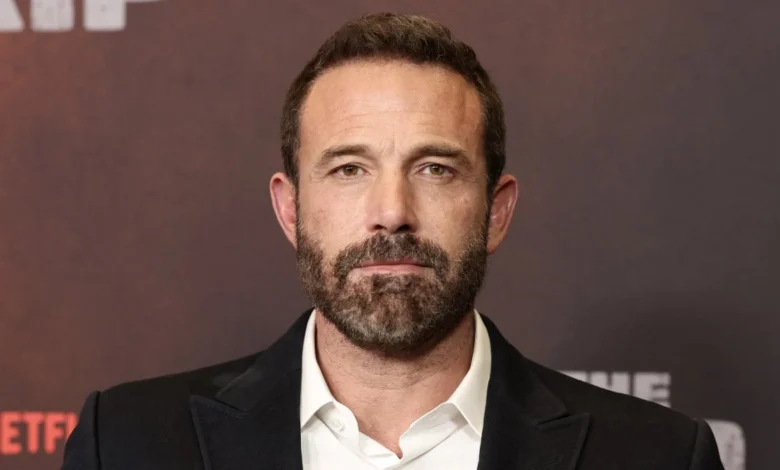
Netflix has made a significant strategic move, acquiring InterPositive, the artificial intelligence startup founded by acclaimed filmmaker Ben Affleck in 2022, for a reported sum of $587 million. The acquisition, confirmed through official financial disclosures and industry reports, underscores the streaming giant’s commitment to leveraging advanced technology to streamline content production, enhance creative workflows, and potentially achieve substantial cost efficiencies in an increasingly competitive global market.
The financial details of the landmark deal came to light through Netflix’s Form 10-Q report filed with the U.S. Securities and Exchange Commission (SEC). The report, submitted in March, disclosed a cash payment of $587 million for an unnamed acquisition made during the same month. While the specific company was not identified in the regulatory filing, industry sources, including a report by Variety, quickly linked the payment to the previously announced acquisition of InterPositive. Further reinforcing the valuation, a Bloomberg report estimated the transaction could have reached up to $600 million, highlighting the high premium Netflix placed on Affleck’s nascent AI venture.
The Genesis of InterPositive: A Filmmaker’s Vision for AI
Ben Affleck, a renowned figure in Hollywood with a distinguished career spanning acting, directing, screenwriting, and producing, founded InterPositive in 2022. His motivation stemmed from a first-hand observation of the burgeoning yet often misdirected applications of artificial intelligence within the film production landscape. Affleck recognized a critical gap: while AI was rapidly evolving, many tools were generic or focused on generative capabilities that, in his view, fell short of truly serving the nuanced needs of creative storytelling.
"In 2022, I spent a lot of time observing the early rise of AI in production," Affleck stated in a March 5 deal announcement by Netflix. "As a filmmaker, I could see how these models came up short. For artists to apply these tools towards telling the stories we dedicate our lives to, they need to be purpose-built to represent and protect all the qualities that make a great story." This philosophical underpinning guided the development of InterPositive, positioning it not as a replacement for human creativity but as an intelligent assistant designed to augment and protect the artistic process.
Affleck further elaborated on InterPositive’s core philosophy in a video released concurrently with the acquisition announcement. He emphatically stated that the startup’s technology was "not about text prompting or generating something from nothing." This distinction is crucial, as it distances InterPositive from the more generalized generative AI models that have sparked widespread debate and concern within the creative industries regarding intellectual property, artistic integrity, and potential job displacement. Instead, InterPositive’s approach is highly specialized and context-aware.
InterPositive’s Innovative Technology and Workflow Integration
At the heart of InterPositive’s innovation is its ability to build a bespoke AI model tailored specifically to the unique requirements of each individual film project. This customized model is then deployed during the critical post-production phase, assisting with complex and often time-consuming processes such as mixing and color grading. By automating or significantly streamlining these technical aspects, InterPositive aims to liberate filmmakers, allowing them to channel their focus and energy more directly into the artistic performances on set, rather than being bogged down by the intricate details of post-production adjustments.
The technology promises a paradigm shift in how films are brought to fruition. In traditional filmmaking, post-production can be a protracted and expensive endeavor, often requiring extensive re-shoots, meticulous visual effects work, and iterative adjustments to achieve the director’s vision. InterPositive’s AI, by creating a predictive and adaptive model early in the process, could potentially anticipate and address many of these challenges proactively, reducing the need for costly manual interventions later on. This "film-specific model" approach signifies a move towards predictive and assistive AI rather than purely generative AI, a nuance that aligns with Affleck’s stated goal of "keeping filmmakers at the center of the process."
Netflix’s Strategic Rationale: Efficiency, Scale, and Creative Empowerment
For Netflix, the acquisition of InterPositive represents a multi-faceted strategic investment. The streaming giant has long championed technological innovation, from its pioneering role in digital streaming to its sophisticated recommendation algorithms. Integrating InterPositive into its vast production ecosystem aligns perfectly with Netflix’s operational philosophy, which constantly seeks to optimize efficiency and leverage data-driven insights.
One of the most compelling aspects for Netflix is the potential for significant cost savings. A 2024 patent application filed by Ben Affleck for InterPositive’s technology explicitly detailed how its tools could yield "substantial" savings. The application highlighted the potential to "replace" costs associated with various elements of film production, including background artists, splinter film units (smaller crews sent to capture specific shots), and even reshoots. The patent further projected a "20% reduction in schedule and physical production" and a staggering "50% reduction in VFX cost."
These figures are particularly attractive to Netflix, which operates on an immense scale, commissioning and producing hundreds of original films and series annually across the globe. In 2023 alone, Netflix spent an estimated $13 billion on content, a figure that, while down from previous years, still represents a colossal investment. Any technology capable of delivering such substantial reductions in production timelines and visual effects expenditures could translate into billions of dollars in savings over time, significantly improving Netflix’s profit margins and allowing for reallocation of resources into even more ambitious projects.
Moreover, the acquisition reinforces Netflix’s public commitment to "investing in creator-led innovation." By acquiring a company founded by a prominent director like Affleck, Netflix can present itself as a partner to filmmakers, providing them with cutting-edge tools that enhance their creative control and efficiency, rather than merely dictating content requirements. This narrative is vital for attracting and retaining top-tier talent in Hollywood, a constant battleground for streaming platforms. The promise of InterPositive empowering filmmakers to focus on performances and storytelling, rather than technical minutiae, aligns with this strategic messaging.
Chronology of a Pivotal Acquisition
- 2022: Ben Affleck founds InterPositive, driven by his observations of early AI shortcomings in film production and the need for purpose-built tools.
- Early 2024: Affleck files a patent application detailing InterPositive’s technology and its potential for "substantial" cost savings, including reductions in production schedules and VFX costs.
- March 5, 2026: Netflix publicly announces the acquisition of InterPositive, framing it as an investment in "creator-led innovation." Ben Affleck issues a statement outlining his vision for the company and its role in protecting storytelling quality. A video explaining InterPositive’s non-generative, film-specific model approach is also released.
- March 2026 (Later): Netflix files its Form 10-Q with the SEC, disclosing a $587 million cash payment for an unnamed acquisition made in March. Industry reports subsequently confirm this payment is for InterPositive.
- April 2026: Deadline reports on the details from Affleck’s patent application, highlighting the projected savings and efficiency gains.
Broader Industry Implications and Analysis
The acquisition of InterPositive by Netflix is poised to send ripples throughout the entertainment industry, influencing everything from production methodologies to labor negotiations.
Future of Filmmaking and Production Workflows: InterPositive’s integration could accelerate the adoption of AI-powered tools in mainstream film and television production. If successful, its model-specific approach for post-production could become a benchmark, pushing other studios and production houses to explore similar technologies. This could lead to a more streamlined and potentially faster production cycle, allowing content to reach audiences more quickly. The focus on post-production processes like mixing and coloring suggests a move towards highly specialized AI applications that complement existing workflows rather than overhaul them entirely.
Impact on Creative Labor and Unions: The patent application’s explicit mention of "replacing" costs tied to background artists, splinter film units, and reshoots inevitably raises concerns within the creative labor community. Hollywood unions, including SAG-AFTRA (representing actors) and the WGA (representing writers), have been at the forefront of advocating for protections against the misuse of AI, particularly concerning job displacement and fair compensation for AI-generated content or content derived from their likenesses. While Affleck’s emphasis on "keeping filmmakers at the center" aims to reassure, the quantifiable cost savings outlined in the patent application present a complex challenge for ongoing discussions about AI’s role in the industry. The precise implementation and contractual agreements surrounding InterPositive’s use will be closely scrutinized by guilds and artists to ensure fair practices and prevent potential exploitation.
Competitive Landscape and Technology Race: Netflix’s move intensifies the technology arms race among streaming giants. Competitors like Disney, Warner Bros. Discovery, Amazon Prime Video, and Apple TV+ are all exploring AI applications to optimize their content pipelines, personalize user experiences, and manage vast content libraries. Netflix’s acquisition of a bespoke, creator-led AI firm could give it a significant edge in production efficiency and quality control, potentially enabling it to produce more high-caliber content within tighter budgets and schedules. This could prompt rivals to either invest heavily in similar in-house solutions or acquire their own specialized AI startups.
Ethical Considerations and Data Governance: As AI becomes more deeply embedded in creative processes, questions around data ownership, intellectual property, and ethical AI development will grow in prominence. InterPositive’s "film-specific model" approach suggests it trains its AI on the unique data of each project, potentially mitigating some general IP concerns associated with broad generative models. However, the long-term implications of AI-assisted creation on copyright and authorship will continue to be a subject of legal and philosophical debate within the industry.
Financial Analysts’ Perspective: From a financial standpoint, the $587 million price tag for a relatively young startup, even one founded by a high-profile figure, is substantial. However, given Netflix’s massive content expenditures and the projected savings, financial analysts are likely to view this as a strategic, long-term investment aimed at future proofing and increasing profitability. The valuation likely reflects not just the current technological capabilities of InterPositive but also its potential to scale across Netflix’s global production network and its strategic fit within the company’s broader technological vision.
In conclusion, Netflix’s acquisition of Ben Affleck’s InterPositive marks a pivotal moment in the ongoing integration of artificial intelligence into the entertainment industry. It signals a clear direction for the streaming behemoth: an aggressive pursuit of efficiency, a commitment to empowering creators through advanced tools, and a proactive stance in leveraging technology to maintain its competitive edge. While promising significant operational advantages and cost savings, the move also brings into sharper focus the ongoing dialogue about AI’s evolving role in creative labor and the future of filmmaking itself. The industry will be watching closely to see how InterPositive’s innovative approach reshapes the landscape of content production in the years to come.