Samsung Takes Aim at Apple With Global Marketing Campaign Mocking iPhone Duo Crackgate

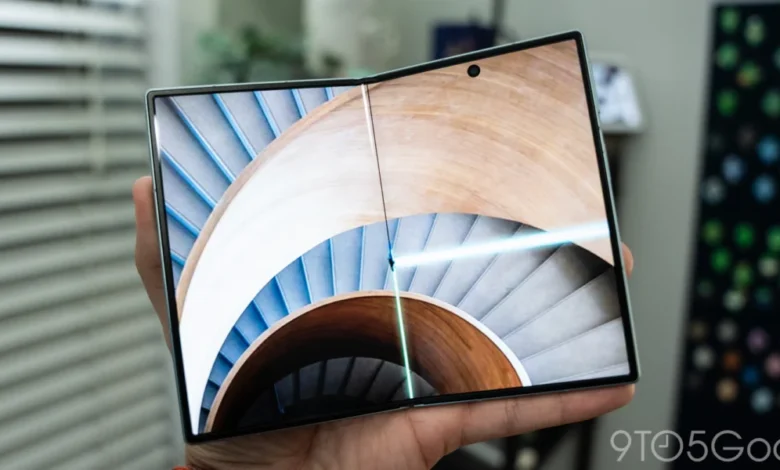
Samsung has launched an aggressive, multi-region marketing campaign targeting Apple following widespread reports of hardware failures affecting the newly released iPhone Duo. As Apple works to address early manufacturing and design flaws associated with its first foldable smartphone, rival manufacturer Samsung has capitalized on the misstep, utilizing localized social media channels to promote its own eighth-generation foldable device, the Galaxy Z Fold 8.
The controversy, colloquially dubbed "crackgate" by technology commentators and consumers alike, highlights the ongoing engineering challenges inherent in the foldable device market. While Apple has initiated a replacement program for affected consumers, the high-profile hardware failures have provided a significant opening for competitors well-established in the foldable sector.

The Genesis of iPhone Duo Crackgate
The release of Apple’s inaugural foldable device, the iPhone Duo, was heralded by the Cupertino-based company as a major milestone in mobile engineering. However, shortly after units reached consumers globally, an alarming trend began to surface across social media platforms and technical support forums.
Early adopters reported a distinct and uniform failure pattern: the inner flexible display panel was experiencing catastrophic cracking directly down the center along the vertical fold axis. In many cases, the display panel failed entirely, rendering the primary screen unusable. Technical analysts examining the damaged units suggested that the root cause lies within Apple’s proprietary hinge mechanism, which may be placing excessive localized stress on the ultra-thin glass (UTG) and underlying organic light-emitting diode (OLED) layers when the device is opened and closed.
Although Apple has moved quickly to manage the crisis by offering device replacements under warranty, the structural issue has cast a shadow over the company’s debut in the foldable market. Industry observers note that while first-generation hardware vulnerabilities are historically common—as seen during the early iterations of foldable technology from various Android manufacturers years prior—the sheer visibility of Apple’s ecosystem makes even isolated manufacturing defects a focal point of global tech scrutiny.

Samsung Global Marketing Offensive
Sensing an opportunity to solidify its market dominance in the foldable category, Samsung deployed a coordinated advertising offensive through its regional subsidiaries in Canada, Malaysia, Australia, and Saudi Arabia. Eschewing subtlety, the campaigns directly reference the iPhone Duo’s durability issues while highlighting Samsung’s maturity in the foldable smartphone space.
In an advertisement published on Instagram by Samsung Canada, the company stated, "Folding is nothing new to us," adding the clever punchline, "We know a thing or eight." The ad concludes with a direct call to action encouraging consumers to switch to the Galaxy Z Fold 8, accompanied by imagery explicitly mimicking the vertical center-screen fracture reported by iPhone Duo users.
Similarly, Samsung Malaysia took a more satirical approach, posting a reel that read, "Feeling a little FOMO seeing all this talk about durability… oops, we’ve just been busy folding and getting on with our day." Meanwhile, Samsung Australia released promotional material focusing on acoustic elements, questioning "how life sounds when your screen doesn’t break when opening your phone."

In one of the more inventive executions, Samsung Saudi Arabia published a digital advertisement featuring the iconic iPhone Duo center-screen crack superimposed onto the display of a Galaxy Z Fold 8, only to reveal moments later that the crack was merely a digital wallpaper, underscoring the flawless integrity of the Samsung hardware.
The Evolution of Foldable Technology: A Timeline
To understand the context of Samsung’s current marketing strategy, it is necessary to examine the timeline of foldable smartphone development over the past decade.
- 2019: Samsung launches the original Galaxy Fold, which suffered its own high-profile durability and hinge issues, leading to a delayed commercial release and a complete hardware redesign. This early misstep forced Samsung to invest heavily in research and development to improve hinge durability, screen protection layers, and stress distribution.
- 2020–2025: Through successive generations—culminating in the Galaxy Z Fold 7 and Galaxy Z Fold 8—Samsung refined its proprietary Flex Hinge mechanism, introduced robust water resistance ratings, and optimized ultra-thin glass durability. Over seven years, Samsung effectively established a virtual monopoly on commercial foldable hardware innovations.
- Late 2026: Apple enters the foldable market with the launch of the iPhone Duo. Market analysts anticipated that Apple’s entry would validate the foldable category for mainstream consumers. However, the subsequent emergence of "crackgate" proved that mastering flexible display physics remains a formidable engineering hurdle, even for industry giants with massive supply chain leverage.
Industry Implications and Competitive Landscape
The public relations battle between Apple and Samsung reflects the fiercely competitive nature of the high-end smartphone market. While Apple has historically relied on a reputation for premium build quality and seamless user experiences, incidents like the iPhone Duo screen failures challenge that perception, providing an opening for rivals to chip away at Apple’s loyal consumer base.

For Samsung, the aggressive marketing campaign serves a dual purpose. First, it defends its market share against a formidable new competitor entering its home turf. Second, it attempts to reframe public perception of Samsung’s own historical growing pains from the early days of the Galaxy Fold line, framing them as a period of necessary innovation that has now resulted in a mature, reliable product.
Market analysts suggest that while Apple’s brand loyalty remains exceptionally strong, the logistical burden of processing widespread hardware replacements could impact consumer confidence in the short term. Furthermore, the incident may prompt other manufacturers developing their own foldable devices—such as Google and various Chinese original equipment manufacturers (OEMs)—to re-evaluate the stress tolerances of their respective hinge designs.
As Apple works behind the scenes to diagnose the root cause of the iPhone Duo display failures and potentially iterate on a revised hinge design for future production runs, Samsung continues to reap the marketing benefits of its multi-year head start in foldable engineering. Whether this public relations sparring will translate into a measurable surge in Galaxy Z Fold 8 sales remains to be seen, but the conflict underscores the high-stakes reality of next-generation mobile hardware development.