Motorola Signature 27 Hands-On Video Surfaces Ahead of Launch, Revealing Tandem OLED Display and 12,000-Nits Peak Brightness

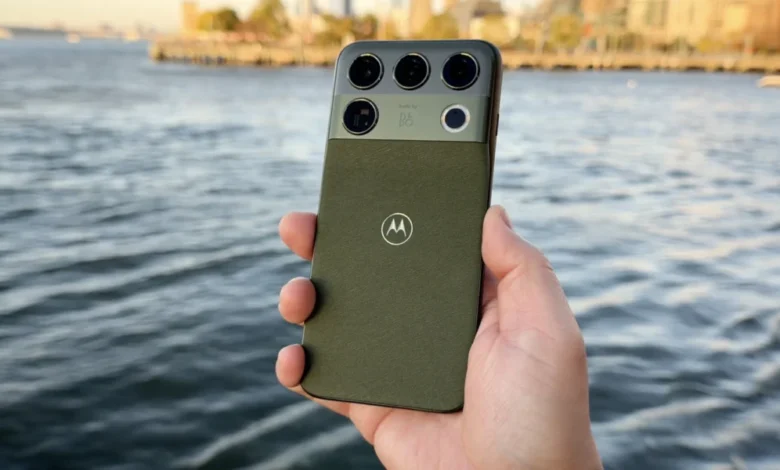
Ahead of its highly anticipated official product launch scheduled for next week, additional hardware details and visual confirmations regarding the Motorola Signature 27 have emerged through an exclusive hands-on video published on YouTube by tech reviewer Danny Winget. The upcoming flagship device, which has steadily generated industry buzz over the past several weeks, showcases an ambitious hardware configuration designed to compete directly at the absolute top tier of the global smartphone market. With a formal introduction slated for November 5, the new leaks provide consumers and technology analysts alike with a comprehensive preview of what Motorola’s engineering teams have prioritized for their next-generation mobile ecosystem.
The newly surfaced video offers an intimate look at the physical architecture, exterior design choices, and advanced internal specifications of the Signature 27. Among the most notable hardware revelations highlighted in the hands-on footage is the device’s cutting-edge display technology, which Motorola has formally branded as the “Extreme AMOLED Duo.”

Revolutionary Display Technology: Tandem OLED and 12,000-Nits Peak Brightness
The centerpiece of the Motorola Signature 27 is undoubtedly its screen technology. Rather than relying on standard single-layer organic light-emitting diode panels traditionally found in modern mobile hardware, the Signature 27 implements Tandem OLED technology. Tandem OLED architecture is not an entirely novel concept within the broader consumer electronics landscape; the technique involves stacking multiple distinct layers of emissive diodes on top of one another. This multi-stack approach fundamentally alters panel performance by distributing the electrical current load across multiple layers, which dramatically enhances longevity, vastly improves contrast ratios, and significantly boosts overall luminance capabilities without accelerating panel degradation or burn-in risks.
While Tandem OLED has previously made selective appearances in high-end computing and specialized mobile hardware—such as Apple’s PROLED technology integrated into select MacBook Pro configurations and the Honor Magic 6 RSR Ultimate introduced in 2024—its adoption in a mainstream flagship smartphone like the Motorola Signature 27 marks a significant milestone for mobile display engineering.
Perhaps the most astonishing metric revealed in the hands-on video is the display’s peak brightness rating, which reaches an unprecedented 12,000 nits. While peak brightness figures in modern smartphones are often measured across extremely small APL (Average Picture Level) windows during HDR playback, a 12,000-nit threshold represents a massive leap forward in outdoor visibility and dynamic range rendering. This extreme luminance capability ensures that content remains exceptionally vibrant and legible even under direct, harsh sunlight, establishing a new benchmark for mobile display brightness standards across the global industry.

Industrial Design and Exterior Hardware Enhancements
Beyond the technical marvel of its display panel, the video footage provides clear visual documentation of the Signature 27’s exterior build quality and ergonomic design language. The device will be offered in at least two distinct color variants, each featuring a specialized textured rear finish. This design choice departs from the slippery, high-gloss glass panels that have dominated the flagship sector for years, offering users improved tactile grip, fingerprint resistance, and a more sophisticated hand-feel.
Encasing the expansive display is a meticulously engineered frame featuring subtly curved glass along the edges. This curved glass implementation transitions smoothly into the metal chassis, maintaining a balance between immersive edge-to-edge visual presentation and comfortable ergonomics. The physical button placement, speaker grille configuration, and camera module housing are also showcased in the hands-on material, pointing toward a refined, premium aesthetic language that aligns with Motorola’s broader strategy to capture market share in the ultra-premium segment.
Internal Cooling and Thermal Management Improvements
Maintaining peak performance in a flagship smartphone equipped with extreme display capabilities and high-performance processing hardware requires advanced thermal dissipation systems. While the exact battery capacity of the Motorola Signature 27 was not numerically quantified in the video, reviewer Danny Winget characterized the power cell as “sizable,” indicating that users can expect robust day-to-day endurance despite the intensive hardware demands of the Tandem OLED panel.

To manage sustained workloads—such as high-framerate gaming, 4K or 8K video recording, and intensive multitasking—the Signature 27 incorporates a substantially upgraded thermal architecture. The video highlights a vapor chamber cooling system described as being “40% larger” than previous iterations within Motorola’s portfolio. Although a direct generational baseline comparison was not explicitly provided by the manufacturer in the leaked material, a significantly expanded vapor chamber surface area indicates a concerted effort by Motorola engineers to mitigate thermal throttling, ensure sustained chip performance under heavy loads, and maintain comfortable surface temperatures during prolonged operational use.
Chronology of Leaks and the Road to the November 5 Launch
The emergence of Danny Winget’s hands-on video is the latest milestone in a carefully orchestrated or organically leaked pre-launch timeline that has kept technology enthusiasts engaged throughout the autumn season.
- Early October 2026: Initial regulatory filings and supply chain rumors begin circulating, hinting at a radical new display technology being developed under Motorola’s flagship pipeline.
- Late October 2026: Motorola officially confirms the existence of the Signature 27 and officially sets the global launch date for November 5, generating widespread speculation regarding its marquee features.
- Days Prior to Launch: Independent tech reviewers and media creators begin publishing hands-on preview content, validating earlier rumors about the Tandem OLED panel and revealing the extraordinary 12,000-nit peak brightness specification.
- November 5, 2026 (Upcoming): The official global launch event, where complete pricing, regional availability, memory configurations, and official camera sensor details are set to be fully disclosed to the public.
Strategic Implications and Market Outlook
The introduction of the Motorola Signature 27 arrives at a crucial juncture for the global smartphone market. As hardware commoditization makes it increasingly difficult for manufacturers to differentiate their products through traditional incremental upgrades—such as minor processor clock speed increases or marginal camera megapixel bumps—brands are being forced to innovate in fundamental component categories.

By pioneering the use of Tandem OLED technology paired with an astonishing 12,000-nit peak brightness rating, Motorola is signaling a aggressive re-entry into the ultra-premium flagship tier. If the real-world performance of the "Extreme AMOLED Duo" display matches the figures touted in pre-release documentation, competitors in the Android ecosystem—including Samsung, Google, and various domestic Chinese manufacturers—may find themselves under immediate pressure to adopt multi-layer OLED architectures in their own upcoming generations of hardware.
Furthermore, the emphasis on a heavily upscaled thermal vapor chamber and a refined tactile exterior suggests that Motorola is addressing long-standing consumer criticisms regarding sustained performance and ergonomic comfort in ultra-thin flagship designs. As the official launch date of November 5 rapidly approaches, attention now turns to Motorola’s pricing strategy and regional distribution plans. Whether the Signature 27 can successfully challenge entrenched market leaders will ultimately depend on its retail cost and how effectively its advanced hardware translates into everyday user experience. For now, the technical specifications alone ensure that the device will remain one of the most closely watched consumer technology releases of the fourth quarter.
Related posts: