New Leaked Images of Asus Googlebook Reveal Expansive Trackpad, Dedicated G Key, and Comprehensive Port Selection Ahead of Pre-orders

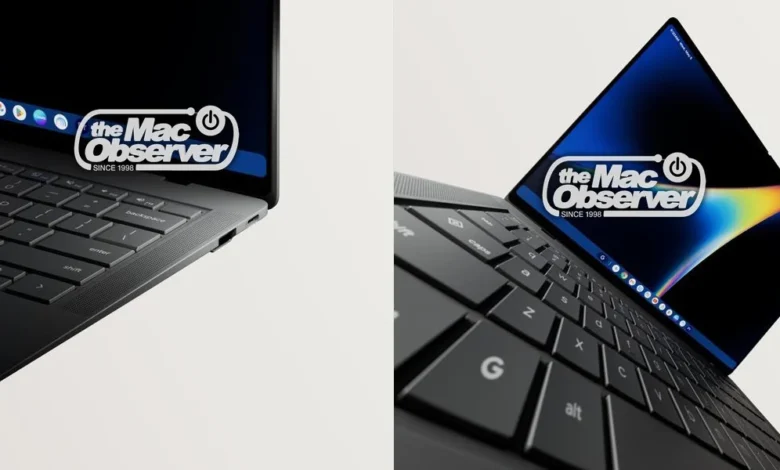
Following the initial glimpses that surfaced last month, a fresh wave of leaked promotional and product images detailing the upcoming Asus Googlebook has emerged. Obtained and published by The Mac Observer, these new angles offer a comprehensive look at the hardware design, ergonomic layout, and input features of what is shaping up to be one of the most anticipated computing devices of the year. With official pre-orders scheduled to open next week, the hardware community is finally getting a clearer picture of Asus’s manufacturing execution and Google’s broader ecosystem vision for the Googlebook lineup.
Hardware Design, Input Layout, and Connectivity Features
![Asus Googlebook shows off a big trackpad and plenty of ports in leaked images [Gallery]](https://9to5google.com/wp-content/uploads/sites/4/2026/09/asus-googlebook-leak-6.jpg?quality=82&strip=all&w=1200)
The newly revealed images provide an exhaustive tour of the laptop’s exterior and interior architecture. Side-profile views confirm a robust and versatile port selection that defies the industry trend toward extreme minimalism. The chassis houses at least two modern USB-C ports, a pair of legacy USB-A ports, and a standard 3.5mm headphone jack. This array of connectivity options suggests that Asus is targeting productivity-focused users who prefer not to rely on external dongles and hubs for everyday peripherals.
Upon opening the device, the keyboard layout immediately draws attention. Unlike the ultra-shallow butterfly-style or constrained travel keys found on many modern thin-and-light laptops, the Asus Googlebook appears to feature a substantial keyboard with deep, tactile key travel. Integrated neatly into the typing deck is a biometric fingerprint sensor, indicating support for secure, passwordless authentication and fast profile switching.
Perhaps most striking is the sheer physical footprint of the trackpad. Spanning a generous surface area centered beneath the spacebar, the massive glass trackpad echoes the ergonomic philosophies seen in premium creative workstations, promising expansive gesture control surfaces. Surrounding the keyboard is a modern display assembly featuring impressively slim bezels, allowing the screen real estate to extend closely to each corner of the chassis.
![Asus Googlebook shows off a big trackpad and plenty of ports in leaked images [Gallery]](https://9to5google.com/wp-content/uploads/sites/4/2026/09/asus-googlebook-leak-3.jpg?quality=82&strip=all)
Furthermore, a closer inspection of the keyboard reveals a dedicated "G" key positioned precisely where users would typically find a Windows Start key on a PC or a Command key on an Apple MacBook. This deliberate hardware integration underscores deep software-level synergies with Google’s operating systems. On the exterior front, the device sports a distinctive lightbar integrated into the glowing lid, adding a modern aesthetic touch. Additionally, internal thermal management is confirmed by the presence of an active cooling fan visible in this particular hardware configuration, suggesting the machine is designed to sustain heavier computational workloads than fanless alternatives.
The Chronology of the Googlebook Initiative
The path toward the Asus Googlebook has been marked by a steady trickle of leaks and strategic announcements, reflecting the high-stakes nature of the hardware partnership between Google and its manufacturing collaborators.
![Asus Googlebook shows off a big trackpad and plenty of ports in leaked images [Gallery]](https://9to5google.com/wp-content/uploads/sites/4/2026/09/asus-googlebook-leak-4.jpg?quality=82&strip=all)
The first public sighting of the Asus-manufactured Googlebook occurred in August, when early leaks gave enthusiasts a rudimentary look at the chassis design and hinted at the device’s positioning within the market. Prior to that initial leak, speculation had been mounting regarding Google’s plans to expand its branded hardware footprint through strategic original design manufacturer (ODM) partnerships.
Now, just weeks after those initial whispers, a comprehensive batch of images has surfaced from The Mac Observer, detailing exact port configurations, structural elements, and unique functional keys. This accelerated timeline of leaks culminates in Google’s official confirmation that consumer pre-orders for the Googlebook will commence next week. This swift transition from early rumors to commercial availability indicates that supply chains are locked in and the devices are already moving through distribution channels.
Contextualizing the Ecosystem and Industry Implications
![Asus Googlebook shows off a big trackpad and plenty of ports in leaked images [Gallery]](https://9to5google.com/wp-content/uploads/sites/4/2026/09/asus-googlebook-leak-5.jpg?quality=82&strip=all)
The introduction of an Asus-built Googlebook carries significant strategic implications for the personal computer and operating system markets. For years, the hardware ecosystem surrounding Google’s platforms—particularly ChromeOS and Android-adjacent desktop environments—has relied heavily on traditional form factors built primarily for education and budget-conscious enterprise deployment.
By partnering with a top-tier enthusiast and gaming hardware brand like Asus, Google is signaling a concerted push into the premium laptop segment. The inclusion of high-end design elements such as an expansive trackpad, a deep-travel keyboard, an active cooling system, and a dedicated G-key points toward a device engineered for power users, creative professionals, and consumers who demand premium build quality without compromising ecosystem integration.
Furthermore, the physical port diversity—retaining USB-A alongside USB-C and a headphone jack—demonstrates a pragmatic approach to user adoption. By avoiding the friction of forced transitions to all-digital ports, Asus and Google are lowering the barrier to entry for prospective buyers migrating from traditional Windows laptops or older desktop systems.
![Asus Googlebook shows off a big trackpad and plenty of ports in leaked images [Gallery]](https://9to5google.com/wp-content/uploads/sites/4/2026/09/asus-googlebook-leak-2.jpg?quality=82&strip=all)
Official Responses and Market Anticipation
While Google and Asus have maintained tight-lipped confidentiality regarding complete internal technical specifications—such as exact processor tiers, RAM configurations, display panel technologies, and battery capacity ratings—the confirmation of next week’s pre-order window has electrified the tech sector.
Industry analysts note that the success of the Googlebook will heavily depend on competitive pricing strategies and software optimization. As remote work, cloud-based computing, and cross-device workflows continue to dominate consumer demand, hardware that bridges the gap between mobile operating efficiency and desktop productivity holds immense market potential.
![Asus Googlebook shows off a big trackpad and plenty of ports in leaked images [Gallery]](https://9to5google.com/wp-content/uploads/sites/4/2026/09/asus-googlebook-leak-1.jpg?quality=82&strip=all)
With pre-orders opening in a matter of days, consumers and enterprise buyers alike will soon have access to official spec sheets, pricing tiers, and launch dates. Until then, these leaked images serve as a tantalizing preview of what Asus and Google have engineered for the next chapter of personal computing.