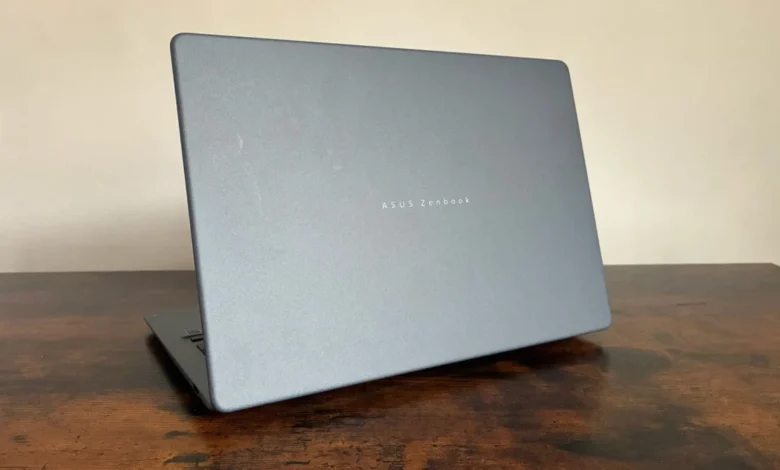
Asus has officially expanded its portfolio of Copilot+ PCs with the introduction of the new Zenbook 14, a device that marks a strategic shift toward more accessible, high-performance mobile computing. While the tech industry has been dominated by premium, high-cost laptops throughout the first half of 2024, this latest iteration enters the market at a compelling £799.99 price point. By leveraging the Snapdragon X chipset architecture while omitting some of the more expensive features found in the flagship Zenbook A14 launched earlier this spring, Asus is positioning this model as a robust, professional-grade tool designed for the mainstream office environment.
Strategic Market Positioning and Context
The emergence of the Zenbook 14 comes at a pivotal time for the personal computer industry. Following the industry-wide push for AI-integrated hardware—spearheaded by Microsoft’s Copilot initiative—manufacturers have struggled to balance cutting-edge Neural Processing Unit (NPU) capabilities with consumer affordability. The Zenbook A14, released in the spring, set a high standard for portability and performance but occupied a premium segment that excluded many enterprise procurement departments and individual professionals.
By stripping back specific hardware configurations—namely moving from the X2 Elite chipset to the standard Snapdragon X, reducing memory to 16GB, and streamlining storage options—Asus has effectively targeted the "value-premium" bracket. This move reflects a broader trend in the semiconductor landscape: as ARM-based Windows laptops gain traction, the necessity for a mid-tier offering has become apparent. This device effectively fills the gap between entry-level budget notebooks and high-end creative workstations.
Chronology of the Zenbook Evolution
The trajectory of the Zenbook line over the past twelve months illustrates the rapid adoption of Qualcomm’s silicon.
- January 2024: Industry anticipation grows regarding the "Snapdragon X Elite" promise of battery efficiency and NPU-driven AI performance.
- March 2024: Asus announces the Zenbook A14, showcasing the premium capabilities of the new architecture, including 32GB of RAM and high-capacity storage.
- May 2024: Market saturation begins to favor devices that maintain the "Copilot+ PC" status while lowering the barrier to entry.
- Late 2024: The introduction of the £799.99 Zenbook 14, focusing on a standardized, efficient hardware configuration that prioritizes core business productivity over maximum-spec overhead.
Design Philosophy and Structural Engineering
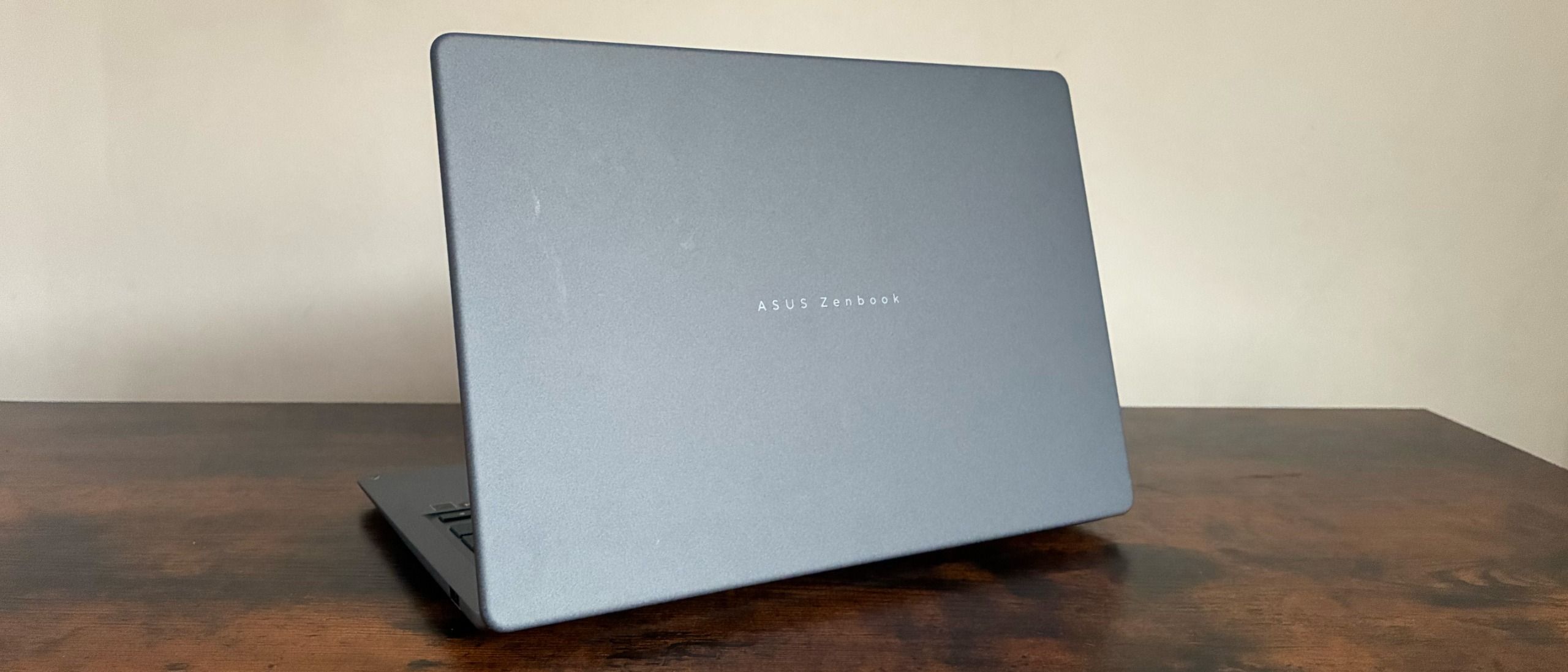
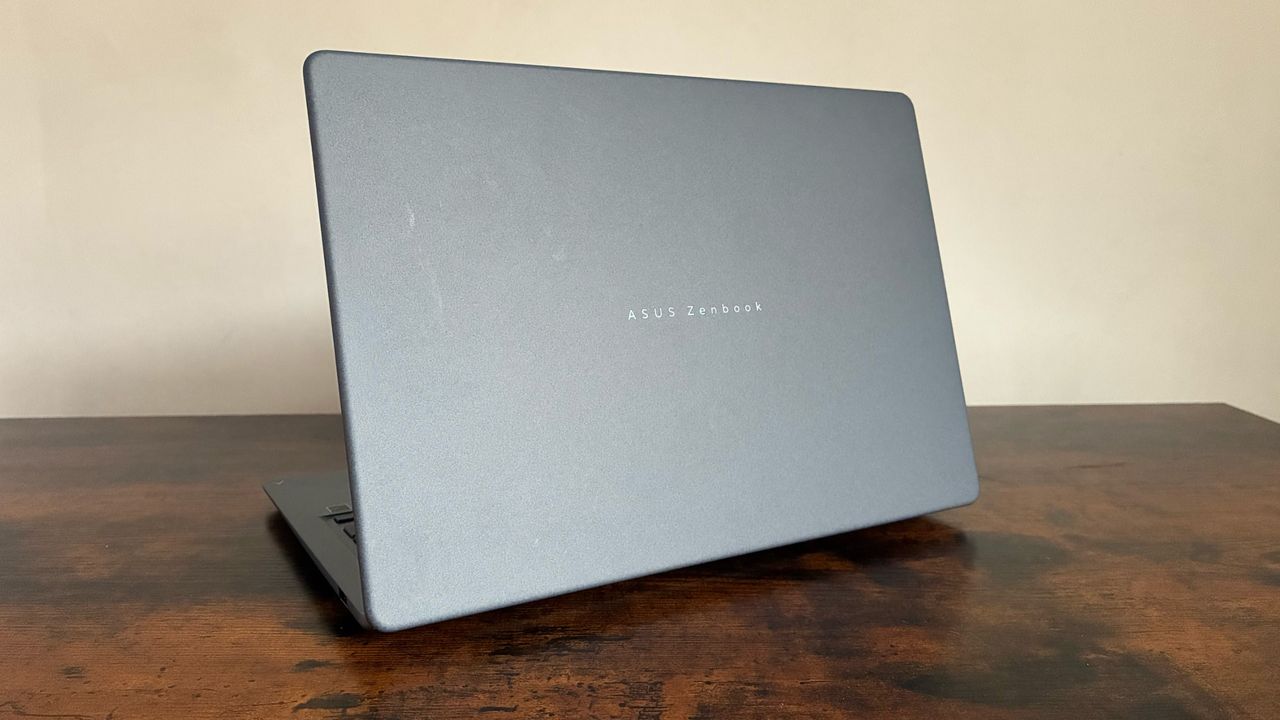
The Zenbook 14 continues the aesthetic evolution of the brand. The chassis utilizes "Ceramic Ceraluminium," a material science innovation that marries the lightweight properties of aluminium with the scratch-resistant, smudge-resistant finish of ceramic. This design choice is particularly relevant for the professional user, as the device is intended to maintain a pristine aesthetic throughout its operational lifespan.
Weighing in at a highly portable 1.10kg and measuring 0.55 inches in thickness, the device is engineered for the hybrid work model. The integration of a new hinge mechanism—designed to provide optimal torque—allows for single-handed opening, a minor but significant improvement in user experience for those frequently transitioning between mobile and office environments. The color palette, ranging from a professional blue-gray to more distinctive "Zabriskie Beige" and "Coral," suggests an attempt to cater to both corporate IT standards and individual professional preference.
Display and Visual Performance Metrics
The visual centerpiece of the Zenbook 14 is its 14-inch WUXGA OLED display with a resolution of 1920 x 1200. While OLED technology is often reserved for high-end creative displays, its inclusion here provides a distinct competitive advantage over the LCD panels commonly found in the sub-£800 category.
Technical testing reveals high performance across critical metrics:
- Peak Brightness: 302.96 cd/m2, which provides sufficient clarity for well-lit office environments.
- Color Accuracy: 100% sRGB color coverage and a 169.4% volume, exceeding the benchmarks of many higher-priced competitors, including the recent Acer Swift Air.
- Adobe RGB Coverage: 92.6%, ensuring that the display is capable of professional-grade photo editing, a rare feature for a laptop at this price point.
Computing Power: The Snapdragon X Architecture
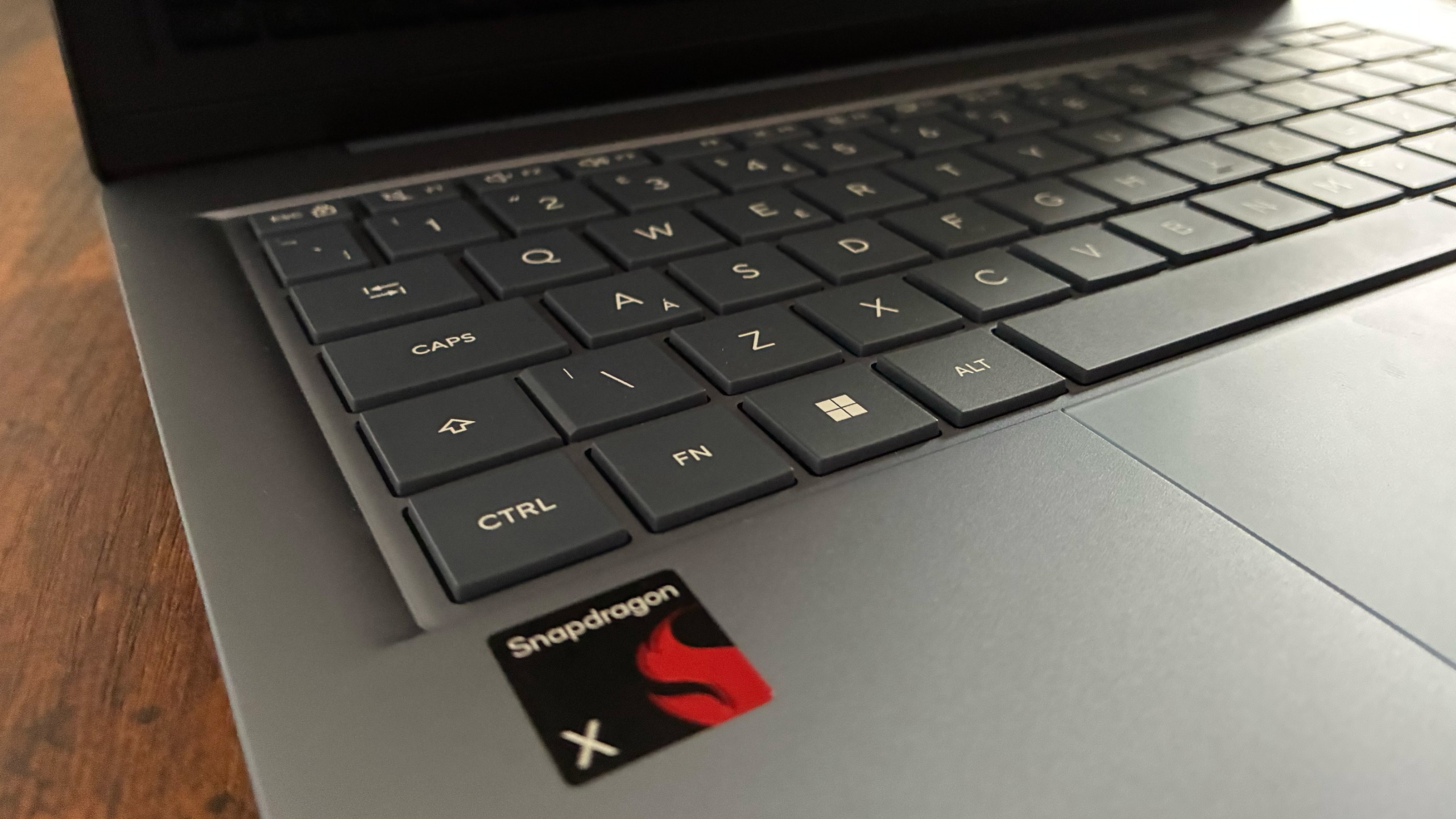
At the heart of the machine is the Snapdragon X X1 26 100 processor. While it lacks the raw clock speed of the X2 Elite variant, it includes the Qualcomm Hexagon NPU, capable of 45 TOPS (trillion operations per second). This is the engine behind the device’s "Copilot+" capabilities, allowing for local AI processing of tasks such as real-time background blurring, noise reduction, and advanced multitasking.
Performance benchmarking, however, highlights the trade-off inherent in the price reduction. In Geekbench 7 testing, the device returned a single-core score of 1,324, while the multi-threaded performance reached 10,547. While these scores are competitive for an office machine, they indicate that this device is better suited to administrative, document-based, and communication workflows rather than heavy video rendering or complex data compilation.
Battery Life and Operational Efficiency
One of the most critical aspects of any mobile professional machine is battery longevity. Asus claims up to 18 hours of web browsing, though real-world testing tells a more nuanced story. In a looped video test, the device achieved a runtime of 10 hours and 13 minutes. While this falls short of the manufacturer’s maximum claim, it is functionally sufficient for a full standard work day. The efficiency of the Snapdragon chipset is evident here, as the device manages to maintain a consistent power draw that avoids the sharp battery degradation often seen in x86-based processors under load.
Connectivity and Software Integration
In an era where many manufacturers are stripping away ports in favor of "dongle-heavy" designs, the Zenbook 14 offers a balanced approach. It includes:
- Two USB 3.2 Gen 2 Type-C ports (DisplayPort and Power Delivery support).
- One USB 3.2 Gen 1 Type-A port (for legacy peripherals).
- An HDMI 2.1 port for external display connectivity.
- A 3.5mm audio jack.
The absence of an integrated SD card reader is a notable omission, particularly for content creators, though this likely falls in line with the manufacturer’s target market of business professionals. The security suite is bolstered by the integration of Microsoft Pluton, which provides hardware-level protection for passkeys and identity credentials, a vital feature for IT-managed environments.
Furthermore, the inclusion of the "MyASUS" software ecosystem—featuring controls for fan speeds, microphone noise filtering, and display calibration—adds significant value. The ability to filter out background noise at the driver level via the NPU is a tangible benefit for remote conferencing, effectively turning the laptop into a dedicated communication workstation.
Implications for the Enterprise and Consumer Market
The release of this device signals that the "Copilot+ PC" revolution is moving into its second phase: mainstream adoption. By offering the benefits of ARM-based efficiency and NPU integration at a sub-£800 price point, Asus is directly challenging the dominance of traditional Intel and AMD laptops in the corporate procurement sector.
The implications are clear: the barrier to entry for AI-capable hardware has been lowered. For businesses, this means that providing "AI-ready" hardware to employees no longer requires a significant capital expenditure. For the consumer, it provides a premium-feeling, highly mobile device that addresses the core requirements of modern work—battery life, display quality, and seamless connectivity—without the premium price tag.
Conclusion
The Asus Zenbook 14 is a calculated compromise. It sacrifices the raw, top-tier processing power of its siblings to achieve a price point that makes it accessible to a wider demographic. It is not designed to replace high-end workstations, but it succeeds in its primary mandate: providing a sophisticated, capable, and highly portable tool for the modern professional.
With its superior OLED display, robust build quality, and efficient Snapdragon architecture, the Zenbook 14 stands as a testament to the current direction of laptop design. It proves that the future of computing is not just about raw power, but about the intelligent integration of hardware and software to serve the specific, evolving needs of the workforce. As the market continues to shift toward ARM-based computing, the Zenbook 14 will likely serve as a benchmark for how manufacturers can balance innovation with market-driven pricing. For the office worker, the student, or the mobile professional, this device offers a reliable, future-proof experience that is difficult to ignore.