Amazon Unveils Comprehensive 2026 Smart Home Portfolio Featuring Next-Generation Echo Devices and AI-Integrated Hardware

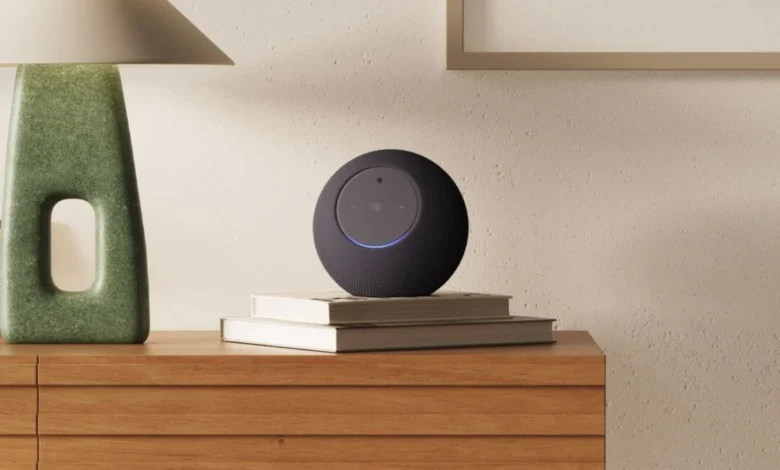
Amazon has officially expanded its consumer electronics ecosystem with the launch of a new suite of smart home devices, marking a significant evolution in its "Techtober" product roadmap. The announcement, delivered on October 29, 2026, introduces a refreshed lineup of Echo hardware—including the 2026 Echo Dot, Echo Studio, and Echo Time—alongside the premium Echo Show 16 and a specialized Alexa Photo Frame. These devices represent a strategic pivot for the Seattle-based tech giant, emphasizing localized AI processing, enhanced smart home interoperability, and deeper integration of ambient computing into the domestic environment.
The current product cycle reflects Amazon’s broader commitment to maintaining its dominant position in the smart speaker market. By integrating advanced silicon accelerators and proprietary sensor technology, the company aims to reduce latency in voice commands and improve the accuracy of automated home management systems. This release arrives as the smart home industry shifts toward unified standards and more robust, privacy-conscious local processing, moving away from the purely cloud-dependent models that characterized the early adoption phase of smart speakers.
The 2026 Echo Dot: A New Baseline for Smart Home Hubs
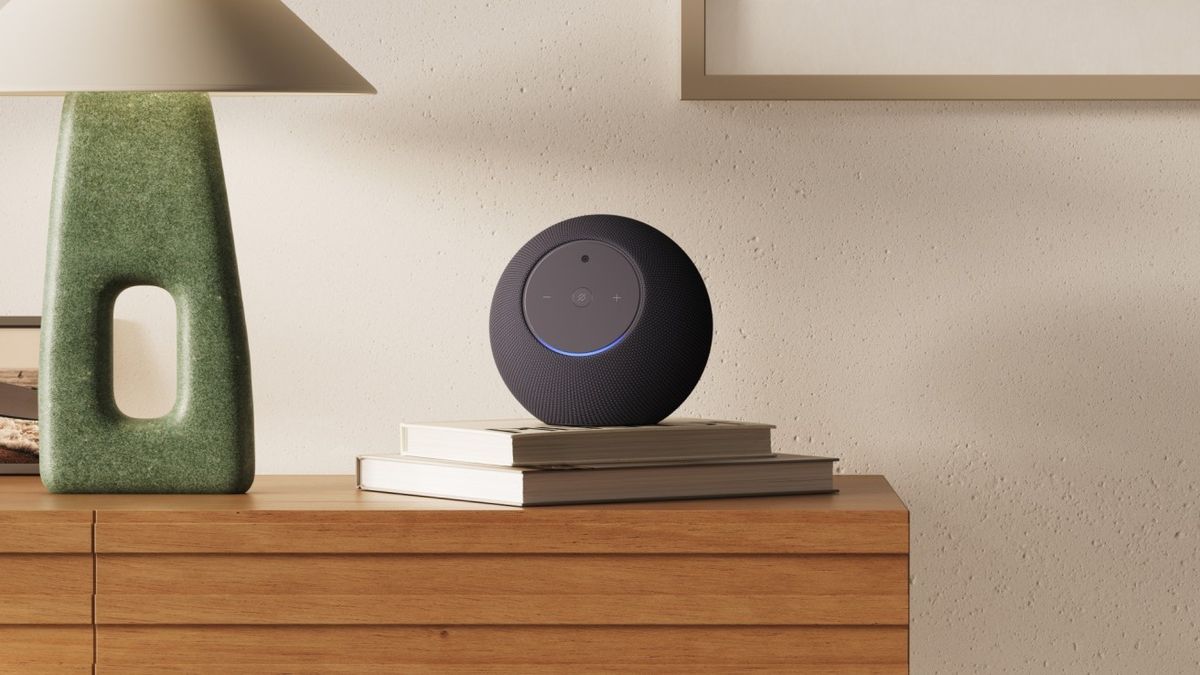
The flagship of the entry-level lineup, the 2026 Echo Dot, introduces a paradigm shift in functionality by incorporating a native smart home hub. Historically, smart home hubs were reserved for premium devices like the Echo Show 10 or dedicated hubs. By bringing this capability to the Dot, Amazon is effectively lowering the barrier to entry for users looking to manage complex ecosystems of Zigbee, Matter, and Thread-enabled devices.
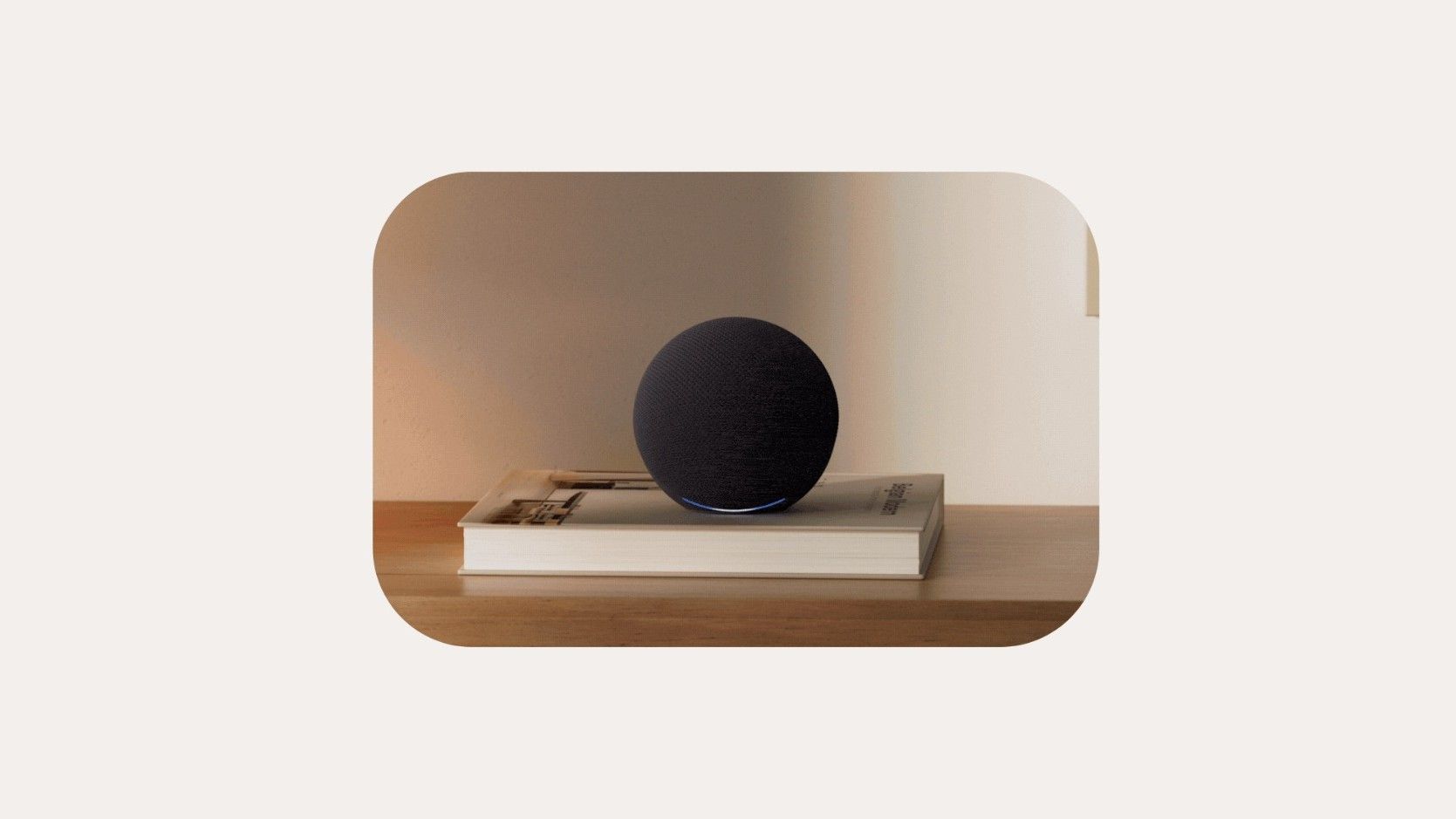
Technically, the new Echo Dot is powered by an upgraded "AI Accelerator," a custom-designed silicon chip intended to handle voice processing tasks locally. This hardware advancement serves two primary purposes: increasing the speed of Alexa’s response times and reducing the bandwidth strain on the user’s home network. In terms of audio performance, the hardware revision includes a redesigned driver assembly that delivers a 50% increase in low-frequency response and improved vocal clarity. Priced at $99, the device aims to solidify its position as the go-to smart speaker for households seeking a compact yet powerful command center. The introduction of a dedicated Kids Edition, priced at $109 and inclusive of a one-year Amazon Kids+ subscription, demonstrates the company’s continued focus on capturing the family-oriented market segment.
Evolution of Audio: The Echo Studio and House Camera
The updated Echo Studio retains the aesthetic profile of its 2025 predecessor, maintaining the high-fidelity acoustic architecture that established it as a competitor in the audiophile-adjacent smart speaker market. However, the 2026 iteration introduces the "House Camera"—an integrated optical sensor designed to enhance contextual awareness.
This camera is not merely for video conferencing; it is engineered to serve as a passive security and automation monitor. By leveraging computer vision, the Echo Studio can now detect occupancy, distinguish between different users, and automate lighting or thermostat adjustments based on movement in the room. With its support for Dolby Atmos and advanced room adaptation software, the speaker remains a premium offering for consumers who prioritize high-end sound quality. The inclusion of a high-excursion woofer ensures that despite the addition of imaging hardware, the device remains a potent audio performer. While the initial release focuses on monitoring capabilities, Amazon has confirmed that a future software update will unlock comprehensive video calling features, enabling the device to integrate more fully with Fire TV systems for a unified media and communication experience.
Sleep Science and the Echo Time
The Echo Time, which features the proprietary "Omnisense" sleep-sensing technology, highlights Amazon’s ongoing foray into health-tech. Omnisense uses non-contact radar or acoustic sensing to monitor sleep cycles, allowing the device to determine optimal wake-up times within a user-defined window of 10 to 60 minutes.
This functionality places the Echo Time in direct competition with dedicated sleep trackers, albeit with the convenience of a traditional bedside interface. The device’s clock face has been redesigned with high-resolution digital displays that support both analog and contemporary minimalist aesthetics. By positioning this as an essential bedroom accessory, Amazon is attempting to weave its AI infrastructure into the most intimate aspects of the user’s daily routine. Starting at $199, the Echo Time is positioned as a mid-tier lifestyle product, with a Kids variant priced at $209 to account for bundled parental control services.
The Echo Show 16: The New Centerpiece of the Home
The most substantial hardware announcement is the Echo Show 16, described by Amazon as the most powerful device in the Show series to date. With a 16-inch high-definition display, the device is roughly 40% thinner than previous iterations, reflecting advancements in screen manufacturing and thermal management. A key innovation is the "Nanomatte" display option, designed to eliminate glare—a common complaint for users who place smart displays in kitchens or rooms with significant natural light.
The software experience on the Show 16 has been reimagined around "Screen Styles," a modular UI that allows users to toggle between a family command center, a digital meal planner, or a photo frame. The integration of the "Alexa Home Map" provides a visual, floor-plan-based interface for controlling smart home devices, moving beyond the list-based menus of the past. The camera, which features a wide-field-of-view lens, now includes auto-framing capabilities, ensuring that users remain centered during video calls. Pre-ordered at $499.99 for the standard version and $599 for the Nanomatte finish, the Echo Show 16 acts as a bridge between a traditional tablet and a wall-mounted smart controller.
Framing Memories: The Alexa Photo Frame
Rounding out the event was the introduction of the 10-inch Alexa Photo Frame. This product aims to disrupt the digital photo frame market by integrating deep AI-driven curation. By syncing directly with Amazon Photos, the device automatically filters out low-quality images, screenshots, and duplicates, surfacing only high-quality photos of family and friends. The device’s ability to "understand" the content of images—identifying smiling faces or meaningful events—marks a shift toward proactive, rather than passive, digital memory management. The frame is available in a standard black finish at $199.99, with premium Birch and Walnut wood finishes retailing for $229.00.
Broader Implications and Industry Context
The 2026 product launch underscores a fundamental change in the smart home landscape. Amazon is moving toward a strategy of "ambient intelligence," where devices operate with less friction and higher autonomy. By embedding AI accelerators in devices as small as the Echo Dot, Amazon is preparing for a future where smart home control is decentralized, occurring on the edge rather than solely in the cloud.
The introduction of the House Camera on the Echo Studio and the enhanced visual interface of the Echo Show 16 also signal a broader push into home security and monitoring. By turning speakers and displays into active sensors, Amazon is positioning its hardware as the central nervous system of the modern home.
Industry analysts observe that this strategy is not without challenges. As Amazon gathers more granular data regarding the layout and usage of a user’s home, the company will face increased scrutiny regarding data privacy and the security of its local processing chips. Nevertheless, the move is consistent with the company’s long-term goal of becoming an indispensable utility in the domestic sphere. The 2026 lineup is not merely an incremental upgrade of existing hardware; it is a strategic assertion that Amazon’s ecosystem will remain the primary gateway through which consumers interact with their living spaces for years to come.