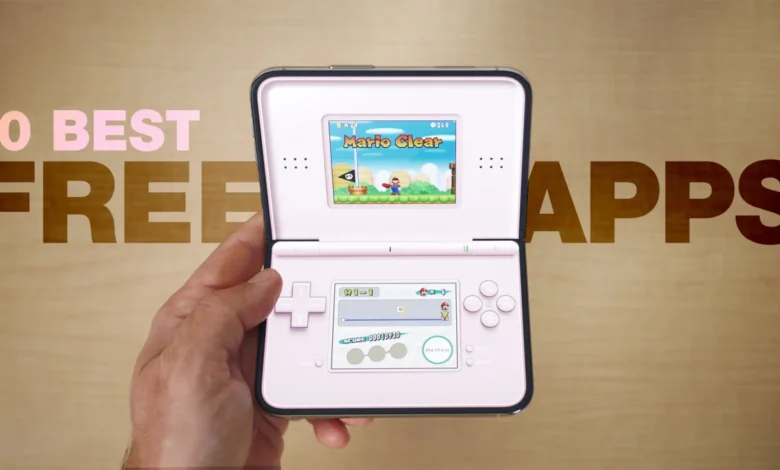
The launch of the iPhone Duo in late October 2026 marked a significant inflection point in Apple’s hardware trajectory, signaling the company’s definitive entry into the foldable and dual-screen smartphone market. As users acclimate to the device’s unique form factor—characterized by its central hinge and expanded, contiguous display surface—the software ecosystem has become the primary battleground for determining the device’s long-term utility. MacRumors videographer Dan Barbera has curated a third installment of recommended applications optimized for the iPhone Duo, focusing specifically on free or freemium tools that leverage the expanded screen real estate to provide enhanced productivity, entertainment, and utility.
The Evolution of the iPhone Duo Ecosystem
When the iPhone Duo was first unveiled, the primary consumer concern centered on software continuity. Developers were tasked with redesigning interfaces to account for the hinge, ensuring that text, navigation, and media did not fracture across the center crease. The current wave of recommended apps—including the Delta Game Emulator, the note-taking application Bear, the calendar powerhouse Fantastical, and the aesthetic-focused MD Vinyl—represents the maturation of these design efforts.
These applications demonstrate a shift from simple screen-stretching to intelligent dual-screen utilization. For instance, productivity suites like Fantastical now utilize the left screen for an expansive monthly view while dedicating the right screen to daily task lists, effectively replacing the need for a secondary tablet. Similarly, the Delta Game Emulator has been lauded for its ability to map touch controls to the bottom half of the device while rendering gameplay on the top half, a configuration that mimics the ergonomics of classic handheld gaming consoles.
Chronology of the iPhone Duo Launch
The path to the current app landscape was paved by a series of high-stakes events that defined the user experience during the device’s critical first month on the market.
- October 17, 2026: Apple retail staff receive internal directives to manage expectations regarding supply. Employees were instructed to discourage walk-in customers from attempting to purchase the device without a pre-order, citing severe inventory shortages at major flagship stores.
- October 20, 2026: Apple updates the App Store with optimized screenshots of its native software. This move provided the public with their first concrete look at how iOS 20 adapts to the dual-screen interface, showcasing landscape modes that prioritize multitasking.
- October 23, 2026: The official launch date. Despite the excitement, reports began to surface almost immediately regarding "Crackgate." Users on social media and the MacRumors forums reported display failures centered along the hinge, with one Australian user reporting a fatal screen fracture after fewer than 20 cycles of opening and closing the device.
- November 6, 2026: A second wave of third-party app suggestions is published, focusing on early-adopter favorites that took advantage of the screen’s unique aspect ratio.
- November 10, 2026: The current overview of free, high-utility apps is released, aimed at helping new users maximize their device’s potential without incurring additional subscription or purchase costs.
Technical Implications and Design Challenges
The engineering of the iPhone Duo introduced unprecedented challenges for app developers. Unlike standard smartphones, the Duo requires apps to be "hinge-aware." This means that the software must detect the orientation and the angle of the fold to prevent critical UI elements—such as buttons or navigation bars—from disappearing into the seam.
The "Crackgate" incidents have added a layer of complexity to these design requirements. Analysis of the hardware suggests that the internal hinge mechanism creates localized pressure points. If a third-party application forces the screen to maintain a specific brightness or color profile that generates excessive heat near the hinge, it may exacerbate the material fatigue that some early users have reported. While Apple has yet to issue a formal recall or a public statement acknowledging a systemic hardware defect, the prevalence of these reports has led to increased scrutiny of how software-driven thermal management interacts with the physical hinge.
Analyzing the Productivity Shift
The transition to dual-screen hardware is not merely a novelty; it is a fundamental shift in mobile workflow. By utilizing free tools like Bear, users can now engage in side-by-side editing, where research materials occupy one screen while drafting occurs on the other. This capability has historically been reserved for laptop or tablet users. The fact that many of these tools remain free or offer robust free tiers indicates that developers are prioritizing user acquisition on the new platform, betting that the iPhone Duo will become the primary device for "power users."
Furthermore, the integration of aesthetic tools such as MD Vinyl—which offers a highly stylized, interactive representation of music playback—highlights how the dual-screen form factor encourages "lean-back" consumption. The ability to display high-resolution album art on one screen while maintaining playback controls on the other creates a tactile, immersive experience that standard monolithic screens cannot replicate.
Official Responses and Retail Impact
Apple’s retail strategy during the launch period suggests a company managing a delicate balance between supply chain constraints and the high demand for a revolutionary product. By restricting walk-in purchases, Apple successfully avoided the chaotic scenes typical of past iPhone launches, though this also limited the number of hands-on interactions potential buyers could have with the device before purchasing.
Regarding the reports of screen fractures, the consensus among hardware analysts is that the industry is in a "probationary period" for foldable technology. While companies like Samsung and Google have navigated similar issues in the past, Apple’s reputation for hardware longevity places the iPhone Duo under a microscope. Customers experiencing hinge issues are currently being directed through standard AppleCare support channels, though internal leaks suggest that Apple is closely monitoring these cases to determine if a hardware revision or a service program will be necessary in the first quarter of 2027.
Future Outlook for the iPhone Duo Ecosystem
As we look toward the end of 2026 and into 2027, the focus for the iPhone Duo will remain on software optimization. The current list of free apps is just the beginning. The next frontier for developers is likely to involve more complex, cross-screen interactions, such as drag-and-drop functionality between the two displays and advanced haptic feedback that differentiates between the two sides of the hinge.
For now, users are advised to be selective with their app installations. As the ecosystem is still in its infancy, some applications may not yet be fully optimized for the hinge, which could result in erratic behavior or sub-optimal screen real estate usage. The recommendations provided by developers and long-time tech observers like Dan Barbera serve as a roadmap for users looking to safely explore the capabilities of their new hardware without investing in premium software before the platform fully stabilizes.
Ultimately, the iPhone Duo represents a bold experiment by Apple. Whether it becomes the new standard for mobile computing or remains a niche device for enthusiasts will depend heavily on the next six months of software development and hardware reliability. Users who have already adopted the device are encouraged to share their own app findings, as the community-driven aspect of discovery has proven to be the most effective way to identify which developers are truly pushing the boundaries of what this dual-screen configuration can achieve. As more developers update their applications, the utility of the iPhone Duo is expected to increase, potentially validating the premium price point and the risks associated with early-generation foldable technology.