Apple Prototyping Massive 7-Inch Display for 20th Anniversary iPhone 20 Pro Max

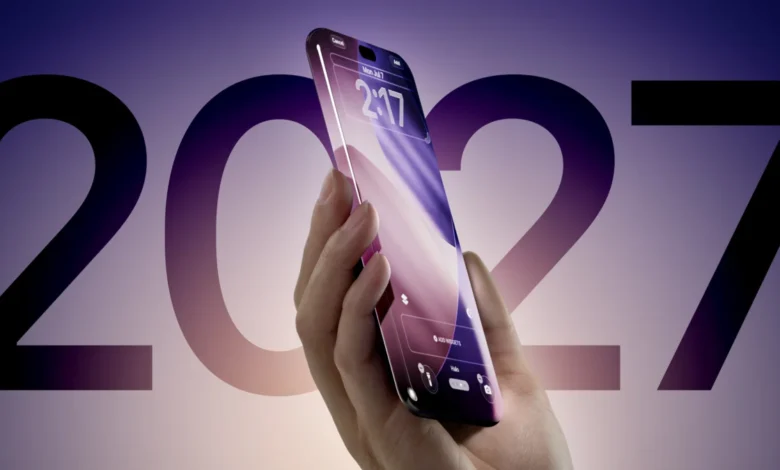
Apple is reportedly in the early stages of testing a significantly larger display for its 2027 flagship smartphone, a device currently referred to within the supply chain as the 20th-anniversary iPhone. According to internal reports and leaks from the Asian supply chain, the tech giant is prototyping a panel measuring approximately 6.96 inches. If this design reaches the mass-production phase, industry analysts expect Apple to market the device as having a "7-inch display," marking a historic milestone for the iPhone lineup and further blurring the lines between the smartphone and the compact tablet categories.
The information originates from the prominent Chinese leaker known as Digital Chat Station, who has a documented history of providing accurate details regarding Apple’s display procurement and hardware roadmaps. The leak suggests that while the screen size is expanding, Apple intends to maintain the same aspect ratio found in the current iPhone 17 Pro Max. This indicates that the device will likely become taller and slightly wider, rather than adopting a more squared-off form factor. While the 6.96-inch prototype is currently under internal evaluation, it remains unconfirmed whether this specific panel will be finalized for the iPhone 20 Pro Max or if it represents one of several design paths Apple is exploring for its 2027 commemorative launch.
The Significance of the 20th Anniversary Milestone
The year 2027 marks two decades since Steve Jobs introduced the original iPhone in 2007, an event that fundamentally altered the course of modern technology. Apple historically uses these decennial milestones to introduce radical shifts in design language and hardware capabilities. In 2017, the 10th-anniversary iPhone X abandoned the iconic Home button and introduced Face ID, OLED technology, and the "notch," setting the standard for the industry for the following seven years.
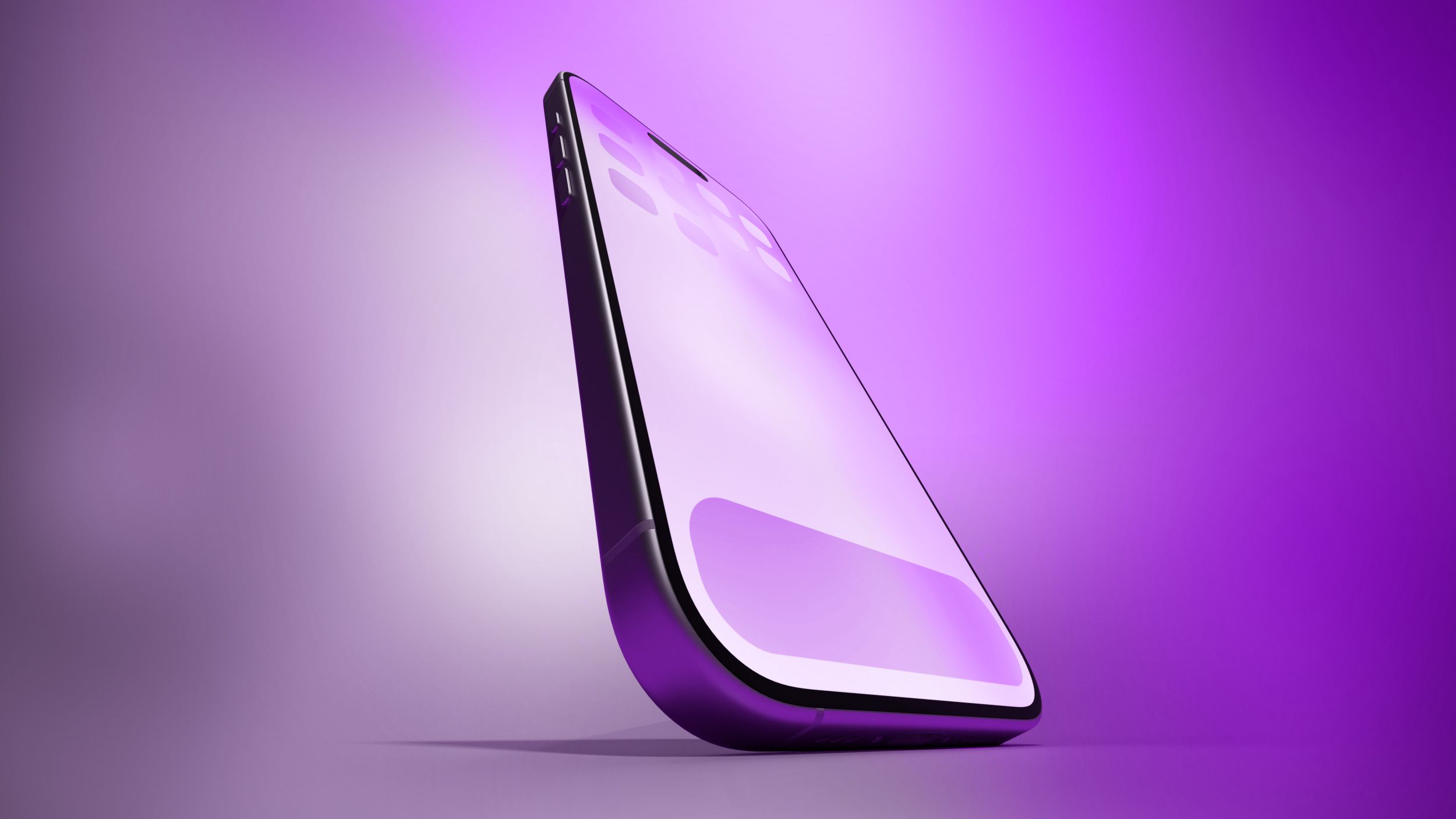
For the 20th anniversary, rumors suggest Apple is aiming for an even more ambitious "all-glass" aesthetic. Reports from Bloomberg and various supply chain analysts indicate that Apple has accelerated development on a design featuring an edge-to-edge display with micro-curved glass on all four sides. This "liquid glass" approach is intended to create a nearly borderless visual effect, where the display appears to wrap slightly around the edges of the chassis, eliminating the traditional tactile transition between the screen and the metal frame.
A Chronology of iPhone Display Evolution
To understand the magnitude of a 7-inch iPhone, it is essential to look at the trajectory of Apple’s display sizes over the last twenty years. Apple was famously resistant to large screens in the early years of the smartphone era, but consumer demand for media consumption eventually forced a shift in strategy.
- 2007–2011 (The 3.5-inch Era): From the original iPhone to the iPhone 4s, Apple maintained a 3.5-inch screen, which Steve Jobs famously argued was the perfect size for one-handed use.
- 2012 (The 4-inch Shift): The iPhone 5 increased the height of the screen to 4 inches, maintaining the width to preserve ergonomics.
- 2014 (The "Plus" Revolution): With the iPhone 6 and 6 Plus, Apple introduced 4.7-inch and 5.5-inch displays, acknowledging the growing "phablet" market.
- 2017 (The Bezel-less Transition): The iPhone X introduced the 5.8-inch edge-to-edge OLED display.
- 2018–2023 (The Max Growth): The introduction of the XS Max saw screens hit 6.5 inches, eventually growing to 6.7 inches with the iPhone 12 Pro Max.
- 2024 (The Current Standard): The iPhone 16 Pro series saw the most recent jump, with the Pro model moving to 6.3 inches and the Pro Max reaching 6.9 inches.
If the 2027 rumors hold true, the move to 6.96 inches (7 inches) would represent the largest single-panel display ever featured on an Apple smartphone. This growth has been made possible primarily through the reduction of bezels—the black borders surrounding the screen. Using Border Reduction Structure (BRS) technology, Apple has successfully increased screen real estate without making the physical footprint of the phone exponentially larger.
Technical Innovations: Micro-Curved OLED and Borderless Visuals
The 7-inch prototype is reportedly utilizing a next-generation micro-curved OLED panel. Unlike the "waterfall" displays seen on some Android devices in previous years—which were often criticized for accidental touch inputs and color distortion—Apple’s micro-curved approach is rumored to be more subtle. The glass is expected to curve at the very edges on all four sides, including the top and bottom, to achieve a "pebble-like" feel in the hand.
This design serves a dual purpose. Aesthetically, it creates the illusion of a device that is entirely screen. Functionally, it allows Apple to hide the remaining millimeters of the display driver circuitry under the curve, potentially achieving a true 100% screen-to-body ratio. This fits into the long-rumored "iPhone Ultra" vision of a seamless slab of glass.
However, moving to a 7-inch display presents significant engineering hurdles. Larger glass surfaces are more susceptible to cracking upon impact, and the manufacturing yield for micro-curved panels is significantly lower than for flat panels. Apple is reportedly working with suppliers like Samsung Display and LG Display to refine the structural integrity of these "liquid glass" panels before they can be cleared for mass production.
Market Positioning and Potential Pricing Shifts
The 20th-anniversary iPhone is expected to sit at the absolute pinnacle of Apple’s product hierarchy. While the standard iPhone 18 and 19 models are expected to maintain the current sizing conventions (6.1 to 6.7 inches), the Pro Max or "Ultra" variants are where Apple is concentrating its display innovations.
There are also indications that this increase in size and technology will come with a corresponding increase in price. Recent leaks from the Weibo account "Fixed Focus Digital" suggest that Apple is preparing the market for price hikes across its premium tiers. The iPhone 18 Pro, scheduled for late 2026, is rumored to see the first significant price adjustment in several years, partly due to the rising costs of advanced 2nm chipsets and sophisticated camera optics. By the time the 20th-anniversary model arrives in 2027, the entry price for a 7-inch Pro Max could exceed the current $1,199 threshold, potentially pushing toward $1,299 or $1,399.
The Broader Impact on the Apple Ecosystem
A 7-inch iPhone creates an interesting overlap within Apple’s own hardware ecosystem. The iPad mini currently features an 8.3-inch display. A 7-inch iPhone would bring the smartphone within 1.3 inches of the smallest tablet. This suggests that Apple may be repositioning the iPhone as a primary computing and media consumption device for a segment of users who no longer feel the need for a separate tablet.
Furthermore, the development of a 7-inch rigid-screen iPhone is happening alongside Apple’s reported work on foldable technology. Recent reports indicate that an "iPhone Ultra 2" project—a second-generation foldable—has been given the green light for development. This suggests a two-pronged strategy for the future of the iPhone:
- The Ultra-Premium Rigid Phone: A 7-inch, borderless, "single sheet of glass" device (the 20th-anniversary model).
- The Foldable Hybrid: A device that offers a compact form factor but unfolds into a much larger workspace.
Industry Reactions and Analyst Forecasts
Industry analysts are divided on the consumer appetite for even larger displays. While the "Max" models consistently rank among Apple’s best-selling devices, there is a physical limit to what can comfortably fit in a pocket or be used with one hand.
"Apple is betting on the fact that bezels have reached their physical limit," says one supply chain analyst. "The only way to give the consumer more screen without making the phone a brick is to innovate with the glass itself. A 7-inch display that feels like a 6.7-inch phone in the hand is the ‘holy grail’ for their design team."
From a competitive standpoint, a 7-inch iPhone would put Apple ahead of Samsung’s Galaxy S Ultra series, which has hovered around the 6.8 to 6.9-inch mark for several generations. It signals Apple’s intent to dominate the "super-premium" segment, catering to power users who prioritize screen real estate for gaming, professional mobile photography, and multitasking.
Conclusion and Future Outlook
While the 20th-anniversary iPhone is still over two years away, the prototyping of a 7-inch display confirms that Apple is not slowing down its pursuit of larger, more immersive hardware. The transition from the 3.5-inch screen of 2007 to the 7-inch "liquid glass" display of 2027 represents a doubling of screen size over two decades, mirroring the exponential growth of mobile processing power and the iPhone’s evolution from a simple phone to a primary computer.
As 2026 approaches, more concrete details regarding the iPhone 18 Pro lineup will likely emerge, serving as a bridge to the 2027 milestone. For now, the 6.96-inch prototype stands as a testament to Apple’s long-term vision: a device where the hardware disappears, leaving the user with nothing but their content. Whether the 7-inch panel becomes a reality or remains an internal experiment, it clearly defines the next frontier of smartphone design.