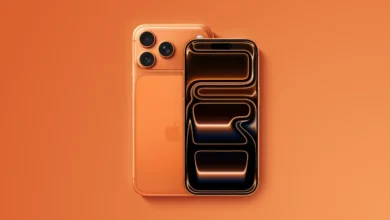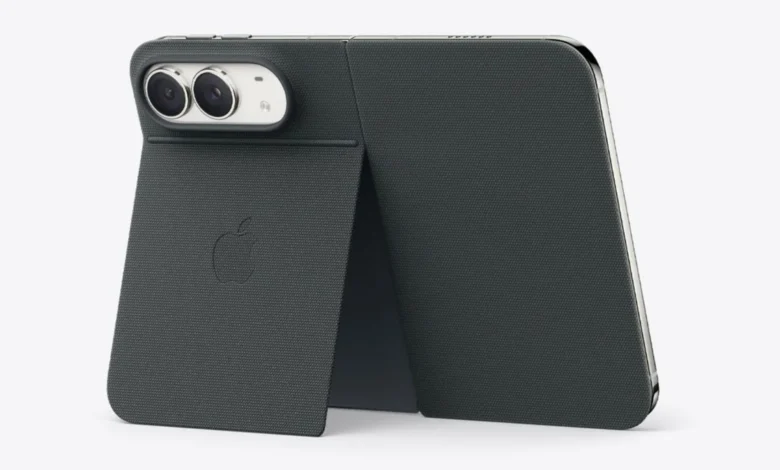
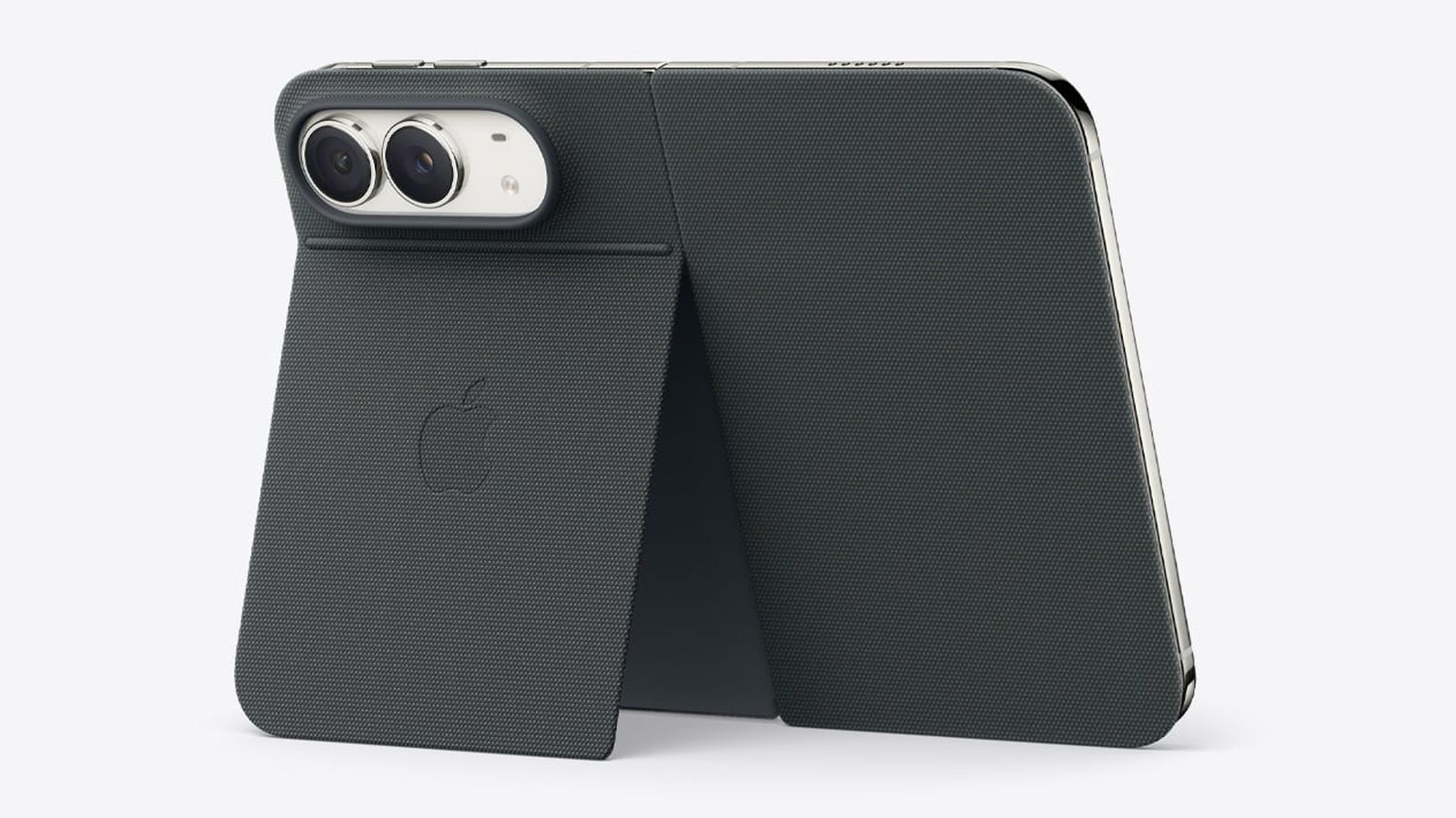
The newly unveiled iPhone Duo, the centerpiece of Apple’s September 9, 2026, “Surprise and Shine” event, has officially departed from a key design trend established over the last two years. According to the device’s official technical specifications page, the hardware configuration notably excludes the Action Button, a feature that has become standard across the iPhone Pro lineup since its debut on the iPhone 15 Pro in 2023. This omission marks a significant shift in Apple’s design philosophy for its latest mobile hardware, signaling a move toward a more streamlined, button-minimized aesthetic for its newest form factor.
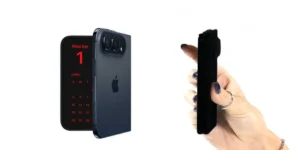
The technical documentation for the iPhone Duo, released shortly after the Cupertino event, features a detailed structural diagram illustrating the device’s physical interface. The layout indicates volume up and volume down controls positioned at the top of the chassis, a dedicated Camera Control button on the right side, and the primary side button—which also serves as the biometric authentication point via Touch ID. The base of the device houses a standard USB-C port, flanked by integrated microphone and speaker grilles. The conspicuous absence of the Action Button, which typically occupies the space above the volume controls on current-generation Pro devices, leaves the left side of the iPhone Duo entirely flush.
A Departure from Recent Design Language
The Action Button, introduced as a successor to the long-standing physical mute toggle found on every iPhone since the original 2007 model, was designed to provide users with a customizable interface. It allowed for the quick activation of Silent mode, the toggling of the flashlight, the initiation of voice memos, the triggering of Visual Intelligence features, or the execution of complex iOS Shortcuts. Its integration was widely viewed as a major quality-of-life upgrade for power users.
By removing the physical switch, Apple has effectively re-centralized the management of system states, such as the Ringer and Silent modes, entirely within the software-based Control Center. For long-term Apple users, this represents a return to a more minimalist hardware profile, though it challenges the ergonomic muscle memory developed over the past three years. The decision to forgo the Action Button on the iPhone Duo suggests that Apple’s engineering team prioritized space management or a cleaner industrial design over the redundant physical input.
Biometric Evolution and Hardware Constraints
A critical aspect of the iPhone Duo’s design is the return of Touch ID, integrated directly into the side button. Unlike the iPhone 18 Pro models, which continue to utilize the Face ID sensor array, the iPhone Duo does not support facial recognition. This hardware limitation necessitates the side-mounted fingerprint sensor, which has historically been a reliable, if less "futuristic," alternative to Apple’s 3D depth-sensing camera technology.
Industry analysts suggest that the exclusion of both Face ID and the Action Button may be related to the internal space constraints of the iPhone Duo’s unique chassis. Designing for a new, likely thinner or more compact form factor requires significant trade-offs in component placement. The prioritization of a dedicated Camera Control button—a feature that has gained significant traction for photography enthusiasts—indicates that Apple views the Duo as a device optimized for media creation rather than general-purpose utility.
Chronology of the Action Button and Hardware Shifts
To understand the magnitude of this change, one must look at the recent history of iPhone hardware iterations:
- September 2023: Apple launches the iPhone 15 Pro, replacing the traditional mechanical mute switch with the customizable Action Button.
- September 2024: The Action Button is rolled out to the standard iPhone 16 lineup, cementing it as the new industry standard for Apple mobile devices.
- September 2025: The iPhone 17 series maintains the Action Button, with minor software enhancements allowing for deeper integration with AI-driven tasks and system settings.
- September 2026: Apple hosts the "Surprise and Shine" event. The iPhone Duo is introduced without the Action Button, marking the first time a flagship-tier device has launched without the feature since its inception.
This timeline demonstrates that Apple’s hardware design is rarely static. The removal of the Action Button on the Duo is not necessarily an indication that the feature will be removed from future "Pro" models, but rather a segmentation of the product line.
Market Context and Economic Factors
The unveiling of the iPhone Duo occurs in a volatile economic climate for consumer electronics. As reported by research firm TrendForce just days before the event, the cost of manufacturing components for high-end smartphones has risen significantly. The iPhone 18 Pro, for instance, has seen a starting price estimate jump to approximately $1,249, compared to the $1,099 starting price of the previous generation.
By stripping back certain physical controls on the iPhone Duo, Apple may be attempting to balance the rising bill-of-materials (BOM) cost of the device’s internal display and processing technology. While a button may seem like a small component, the mechanical assembly, the internal ribbon cables, and the waterproofing seals required for each button add up in both cost and assembly time. Simplifying the chassis is a proven method for maintaining profit margins in an era of tightening consumer spending and increased supply chain complexity.
Industry Implications and User Reception
The reception to the lack of an Action Button has been mixed among early tech reviewers. Some argue that the reliance on the Control Center for muting the device is a step backward in terms of accessibility and speed. In high-pressure environments—such as meetings, classrooms, or theaters—the ability to physically toggle a switch without looking at the screen has been a hallmark of the iPhone’s usability for nearly two decades.
Conversely, proponents of the design change argue that a "cleaner" device, free of excessive buttons, is more aesthetically pleasing and less prone to accidental inputs. The inclusion of the dedicated Camera Control button highlights where Apple believes the modern user’s focus lies: in the rapid capture and sharing of visual media. By dedicating physical real estate to the camera rather than a utility button, Apple is clearly positioning the iPhone Duo as a specialized tool for the creator economy.
Broader Strategic Shifts
The decision to exclude the Action Button on the iPhone Duo is part of a larger trend of "feature bifurcation" within Apple’s product lineup. For several years, Apple maintained a relatively unified hardware experience across its premium models. However, the introduction of devices like the iPhone Duo, which deviates from the standard Pro/non-Pro dichotomy, suggests that Apple is segmenting its offerings to target specific user behaviors.
If the iPhone Duo proves successful, it is possible that future entry-level or secondary flagship devices will follow this "minimalist" hardware path, reserving the full suite of physical buttons—including the Action Button—for the higher-end "Pro" and "Ultra" models. This strategy allows Apple to maintain lower manufacturing costs for the entry-tier flagships while preserving a premium, feature-rich experience for those willing to pay a higher price.
Conclusion
The iPhone Duo serves as a case study in modern product design, where the removal of a feature is just as calculated as its addition. While the absence of the Action Button may alienate some users who have grown accustomed to the physical shortcut, it represents a conscious choice by Apple to prioritize specific hardware functionalities and, perhaps, to streamline production. As the market digests the new device, the true test will be how users adapt to the software-heavy interface and whether the convenience of the dedicated Camera Control button outweighs the loss of the customizable physical switch. As of now, the iPhone Duo stands as a testament to a changing landscape in mobile technology, where the hardware interface is as much about design intent as it is about functional utility.