Apple Unveils the iPhone 18 Pro Series and the Highly Anticipated iPhone Duo Foldable Smartphone

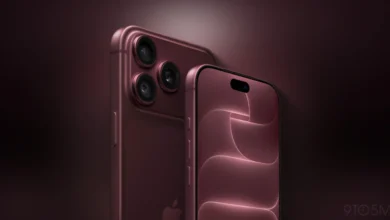
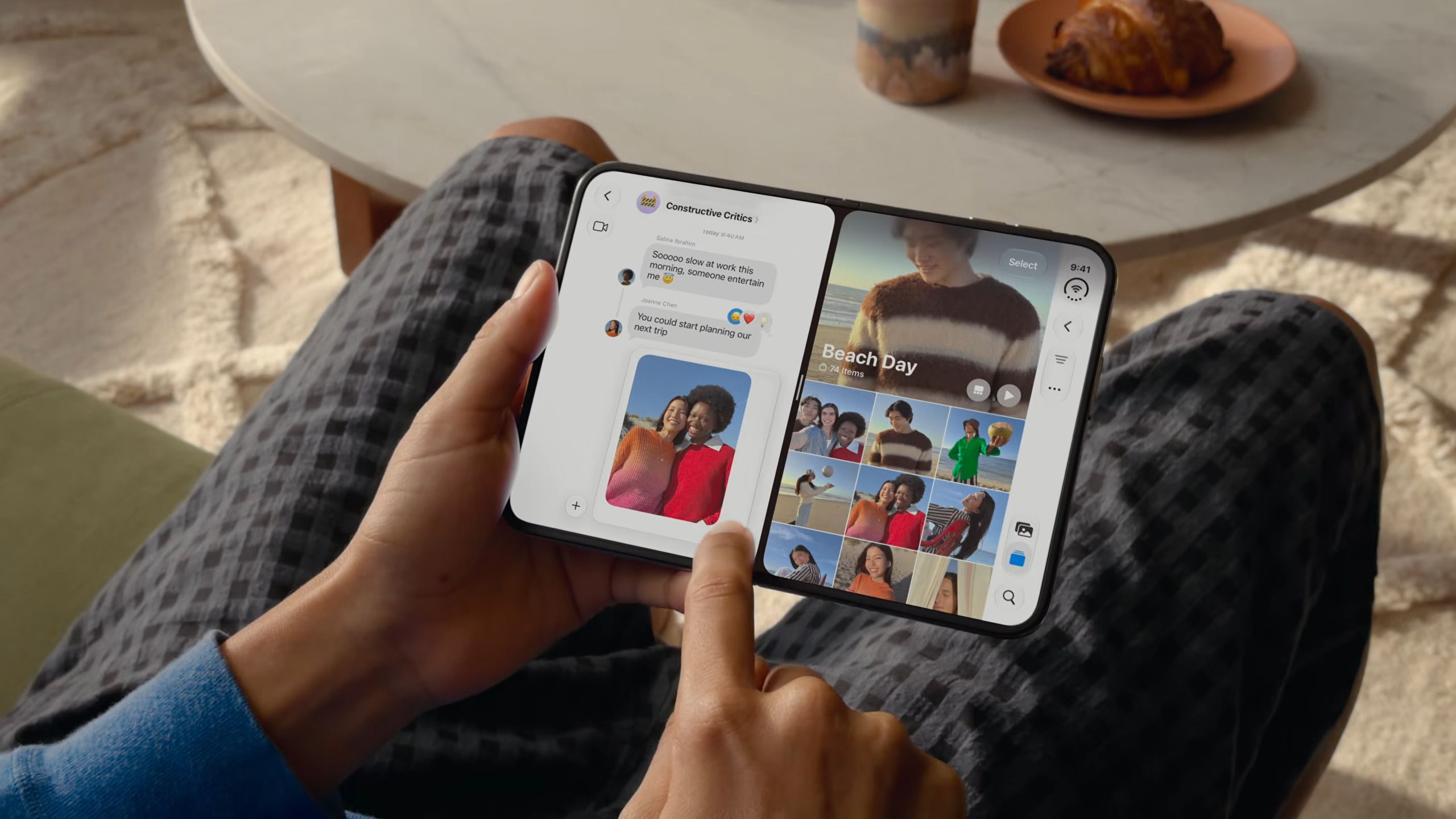
The landscape of mobile computing shifted significantly on September 9, 2026, as Apple officially unveiled its latest hardware lineup at the Steve Jobs Theater in Cupertino. The event, which followed months of intense speculation and industry leaks, was headlined by the introduction of the iPhone 18 Pro and Pro Max, alongside the company’s first entry into the foldable smartphone market: the iPhone Duo. While Apple’s entry into the foldable space is being heralded as a milestone for the category, it also underscores a convergence in design and functionality between Apple’s iOS ecosystem and the decade-long innovation cycle seen in the Android market.
The launch event served as a definitive moment for Apple, as it seeks to capture a new segment of power users. By introducing the iPhone Duo, Apple is responding to a growing demand for larger, more versatile screen real estate that can collapse into a pocketable form factor. However, the hardware and software choices showcased by Apple reveal that the company is refining existing concepts rather than reinventing the fundamental principles of foldable engineering.
A History of Foldable Innovation and Market Entry
To understand the significance of the iPhone Duo, one must look back at the development of the foldable market. The journey toward mainstream foldables began in earnest around 2017, with early prototypes surfacing from various manufacturers. Samsung, often credited as the primary pioneer, launched its first Galaxy Fold in 2019. Since then, the industry has seen rapid iteration, moving from fragile early designs to the robust, IP-rated, multi-hinged devices available today.
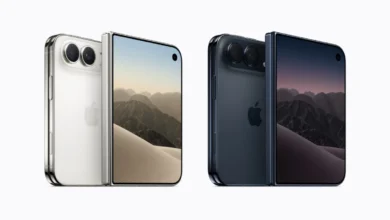
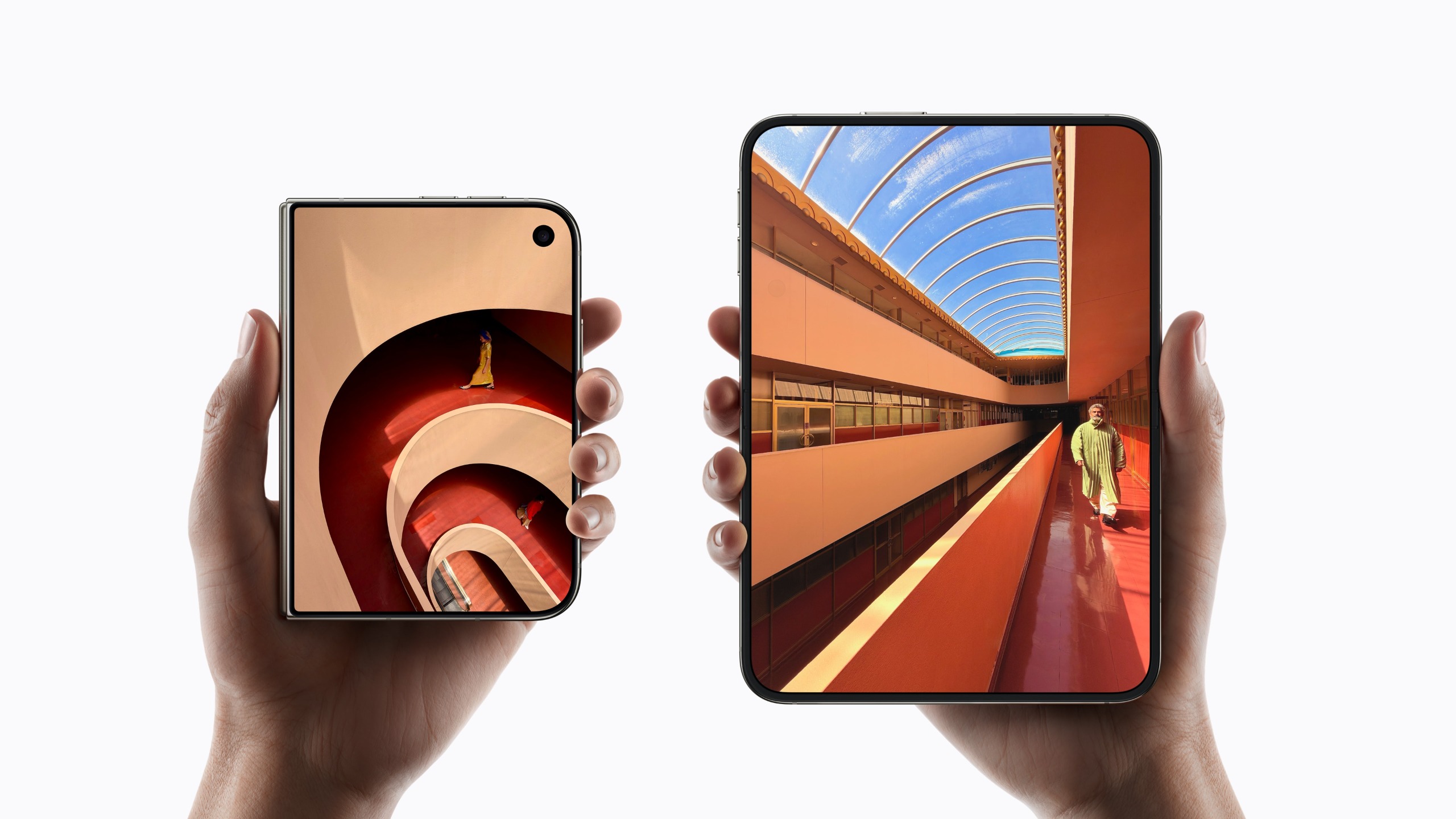
Google’s entry into the space with the Pixel Fold established the "passport-style" design language—a wide, short cover display that expands into a near-square tablet interior. This form factor has become the industry gold standard, favored for its ergonomics and natural multitasking capabilities. When the iPhone Duo was revealed, industry observers noted the striking similarity between Apple’s hardware dimensions and those championed by Google and Samsung’s recent Galaxy Z Fold 8. This is not necessarily a negative; rather, it indicates that the industry has reached a consensus on the most effective physical footprint for a foldable device.
Hardware Specifications and Design Choices
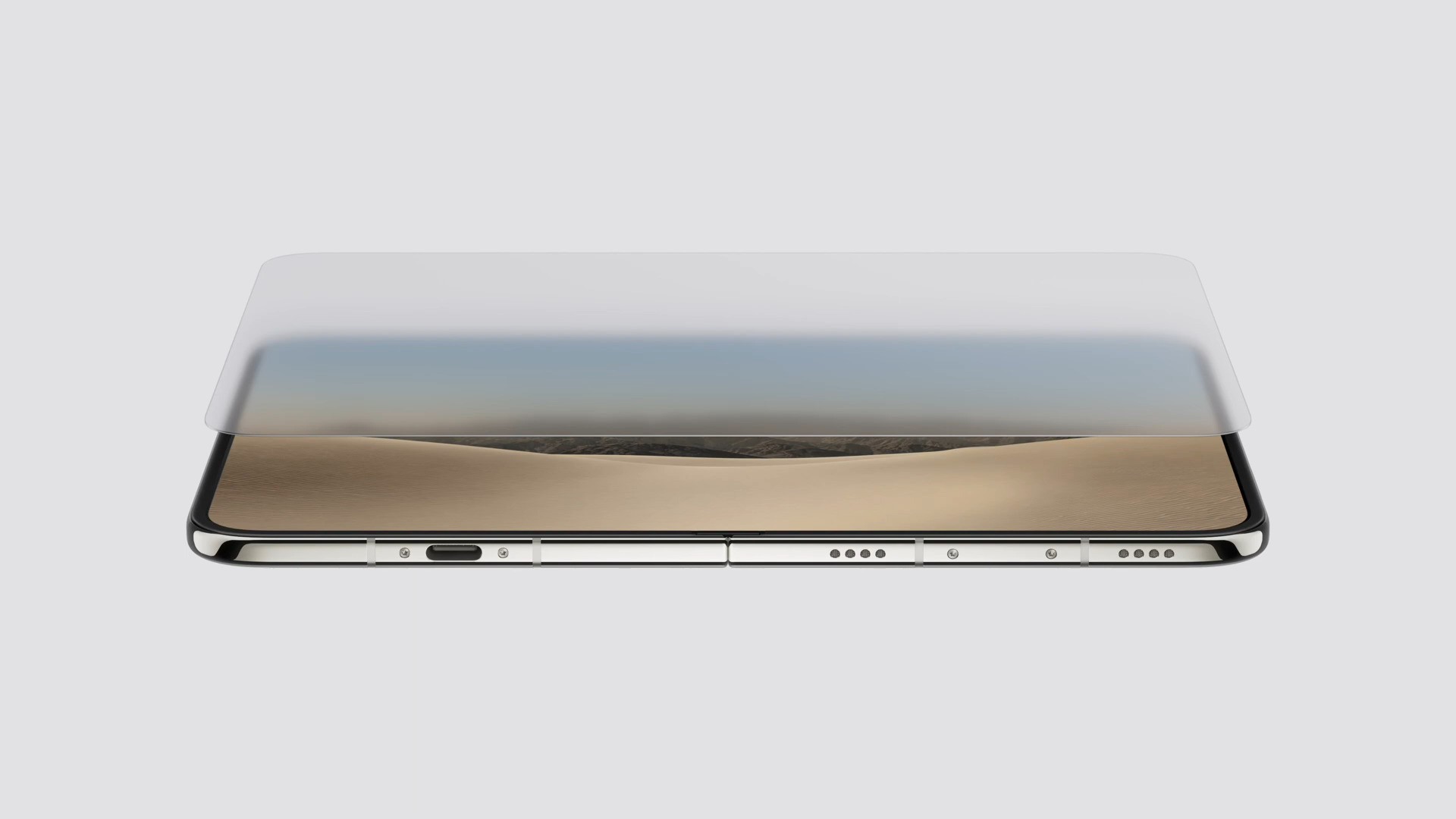
The iPhone Duo features a 7.6-inch LTPO OLED inner display, utilizing a new matte nano-texture finish. This coating is specifically designed to mitigate the glare that has long plagued foldable inner screens. While this feature is a significant improvement for the iPhone user experience, it is a direct iteration of the anti-reflective technologies already present in the Galaxy Z Fold 8 Ultra, which received critical acclaim for its visibility in direct sunlight.
The hinge mechanism on the iPhone Duo offers a "free-stop" capability, allowing the device to remain open at various angles. This is Apple’s interpretation of what is commonly referred to in the industry as "Flex Mode." This capability enables users to set the phone down for hands-free video calls, long-exposure photography, or content consumption. This design philosophy mirrors the utility provided by Samsung for the better part of the last five years, suggesting that Apple has carefully studied the durability and friction requirements of these hinges before bringing the product to market.
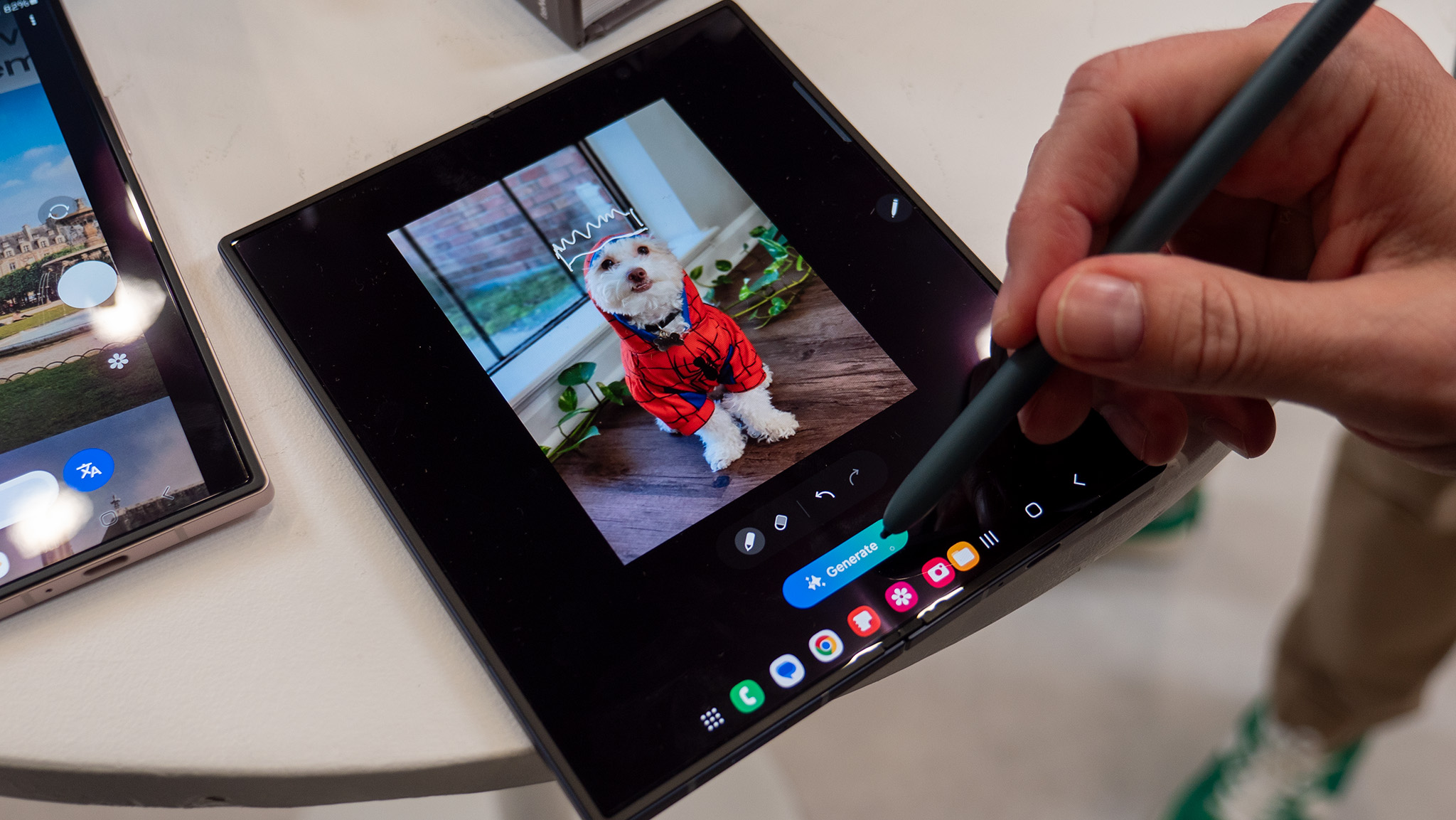
Furthermore, the integration of Apple Pencil support across both the cover and inner displays represents a strategic move to unify the iPad and iPhone experiences. Stylus integration has been a cornerstone of the "Ultra" or "Fold" tier of Android devices for years, and its inclusion in the iPhone Duo aims to attract creative professionals who require precise input on the go.
Software Integration and Multitasking Capabilities
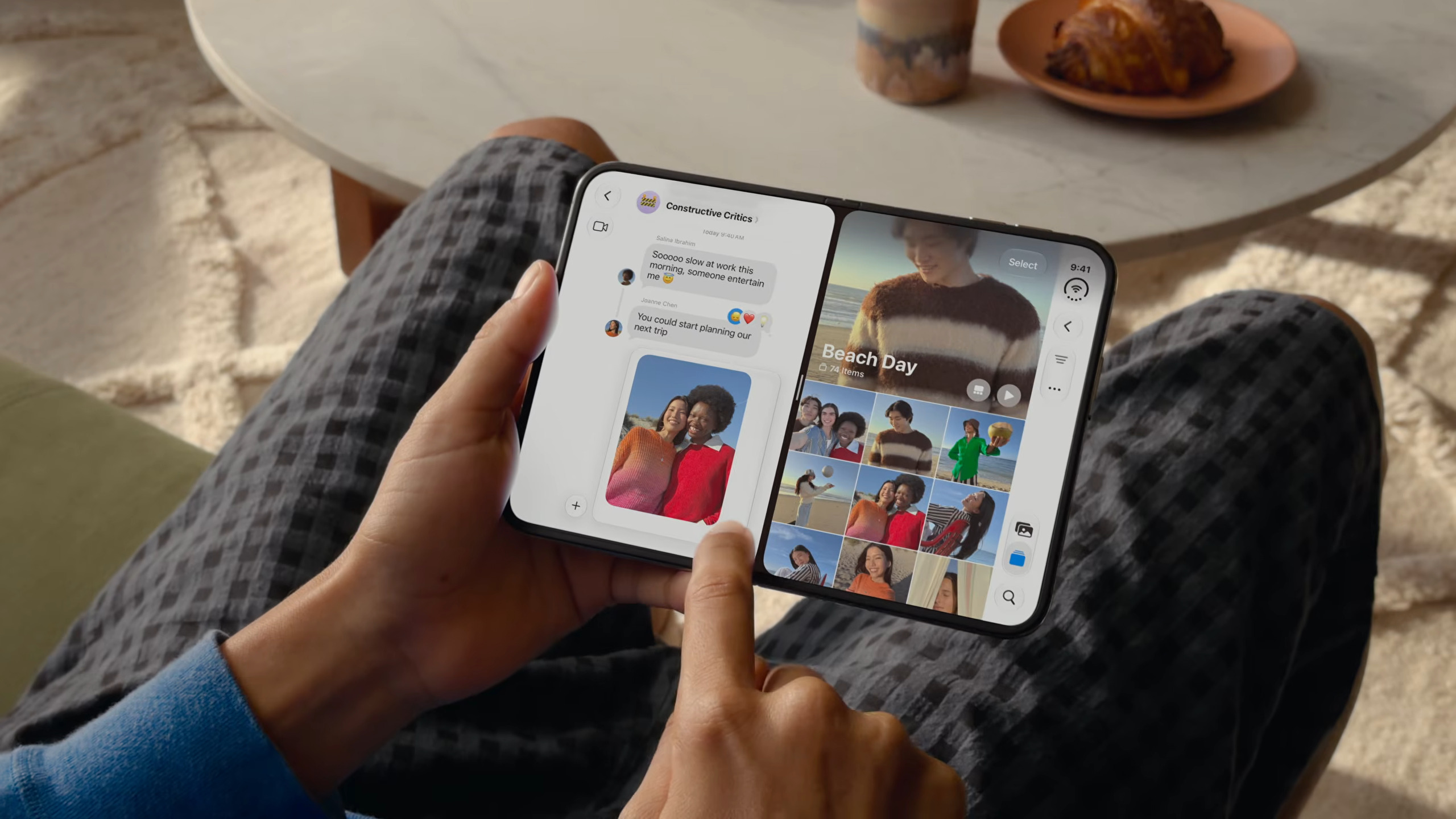
The most profound changes accompanying the iPhone Duo lie within iOS 20. The operating system has been overhauled to handle split-screen multitasking and "App Pairs," allowing users to save specific combinations of applications that launch simultaneously in a tiled view. This feature set, while new to the iPhone, has been a bedrock of Android’s "Multi-Active Window" feature for nearly a decade.
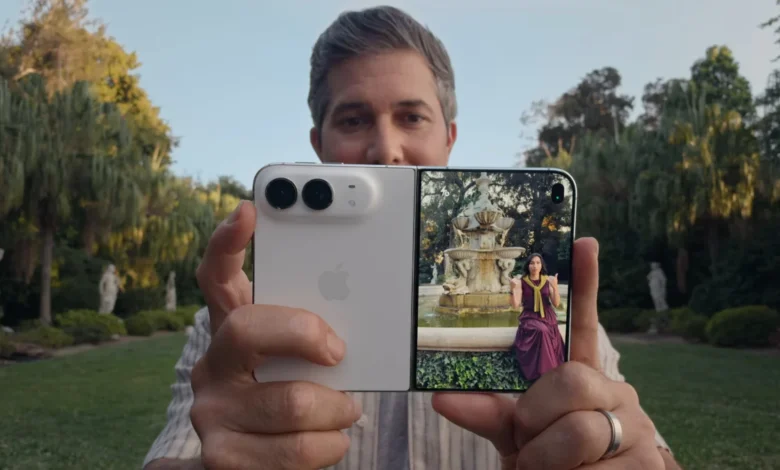
Additionally, the inclusion of "Dual View" functionality—where the exterior screen acts as a viewfinder for the subject being photographed—is a direct response to the "Cover Screen Preview" feature pioneered by Android manufacturers. Apple’s implementation, however, is deeply integrated into the native Camera app, leveraging the superior image processing pipeline of the new A20 Bionic chip.
The iPhone 18 Pro: Professional Control
While the iPhone Duo captured the headlines, the iPhone 18 Pro series introduced "Pro Controls," a long-awaited set of manual camera settings. For years, Apple’s photography strategy relied on computational photography—the idea that the phone should make the best decisions for the user automatically. By allowing manual control over shutter speed, ISO, aperture, and white balance, Apple is finally conceding that its professional user base requires granular control.
This move effectively closes the gap between the iPhone and high-end Android flagships, which have offered "Pro" camera modes since the early 2010s. The implications here are significant; by providing these tools, Apple is looking to cement the iPhone 18 Pro as the primary tool for mobile cinematography and photography, moving away from the "point-and-shoot" stigma that some enthusiasts attached to previous models.
Market Implications and Future Outlook
The entry of the iPhone into the foldable market is expected to act as a catalyst for broader adoption. Historically, when Apple enters a category, consumer interest tends to surge, and supply chain investment accelerates. Analysts from major financial institutions suggest that the iPhone Duo could account for up to 15% of iPhone sales within the first 18 months, provided that the supply chain can keep pace with the complex manufacturing requirements of foldable screens.
Competitors have responded to the announcement with cautious optimism. A spokesperson for a leading Android manufacturer noted that "Apple’s entry confirms the maturity of the foldable category." This sentiment reflects a broader industry view that competition at the high end will drive down the cost of components like ultra-thin glass and specialized hinge materials, which could eventually make foldables more accessible to the average consumer.
A Convergence of Technologies
The 2026 launch event was a study in convergence. By adopting features such as split-screen multitasking, manual camera controls, and the passport-style foldable design, Apple is signaling a shift toward a more utilitarian and flexible mobile experience. While critics might point out that these features existed elsewhere, the "Apple effect"—the company’s ability to polish, optimize, and market these technologies to a massive, loyal user base—is expected to elevate the entire mobile industry.
As the iPhone Duo moves into mass production and reaches the hands of consumers, the real test will be in the software ecosystem. The success of a foldable device is largely dependent on third-party developers optimizing their applications for larger, non-standard aspect ratios. Apple’s developer ecosystem is arguably the most capable in the world, and if they can successfully encourage developers to build for the Duo’s inner display, it could set a new benchmark for how tablets and phones interact.
In conclusion, the launch of the iPhone Duo and the iPhone 18 Pro represents a pragmatic evolution of the smartphone. It acknowledges that the industry has collectively arrived at a set of best practices for mobile hardware. For the end user, this means that the choice between iOS and Android is becoming less about which device has the "latest" experimental feature and more about which ecosystem provides the most seamless and reliable implementation of established, high-utility technologies. As of September 2026, the playing field has been leveled, and the competition for the foldable market is officially entering its most intense phase yet.