Apple’s iPhone Duo launch reveals a stark divide in its approach to mobile and tablet multitasking software

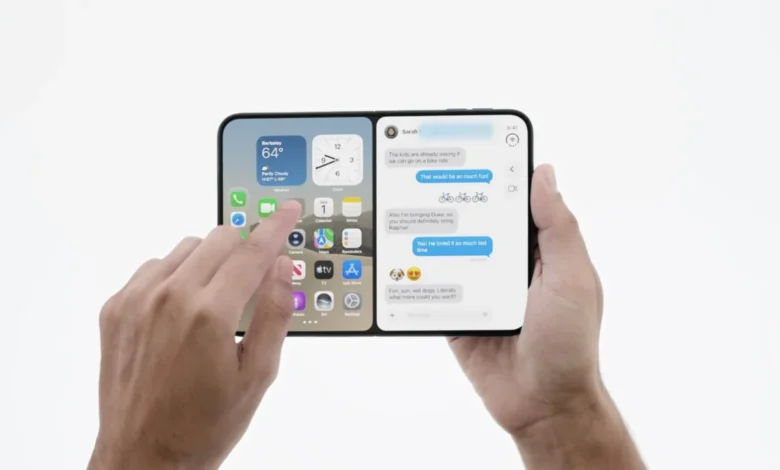
The unveiling of the iPhone Duo this week marks a significant pivot in Apple’s hardware strategy, introducing the company’s first foldable device to the global market. While the technical execution of the Duo’s hinge mechanism and display integration has garnered praise, the event has inadvertently highlighted a growing divergence between the multitasking capabilities of Apple’s newest foldable smartphone and its long-standing iPad lineup. This disparity in software design philosophy—specifically regarding how users manage multiple applications—has sparked debate among industry analysts and power users regarding the future of iPadOS.
The iPhone Duo: A New Paradigm in Portability
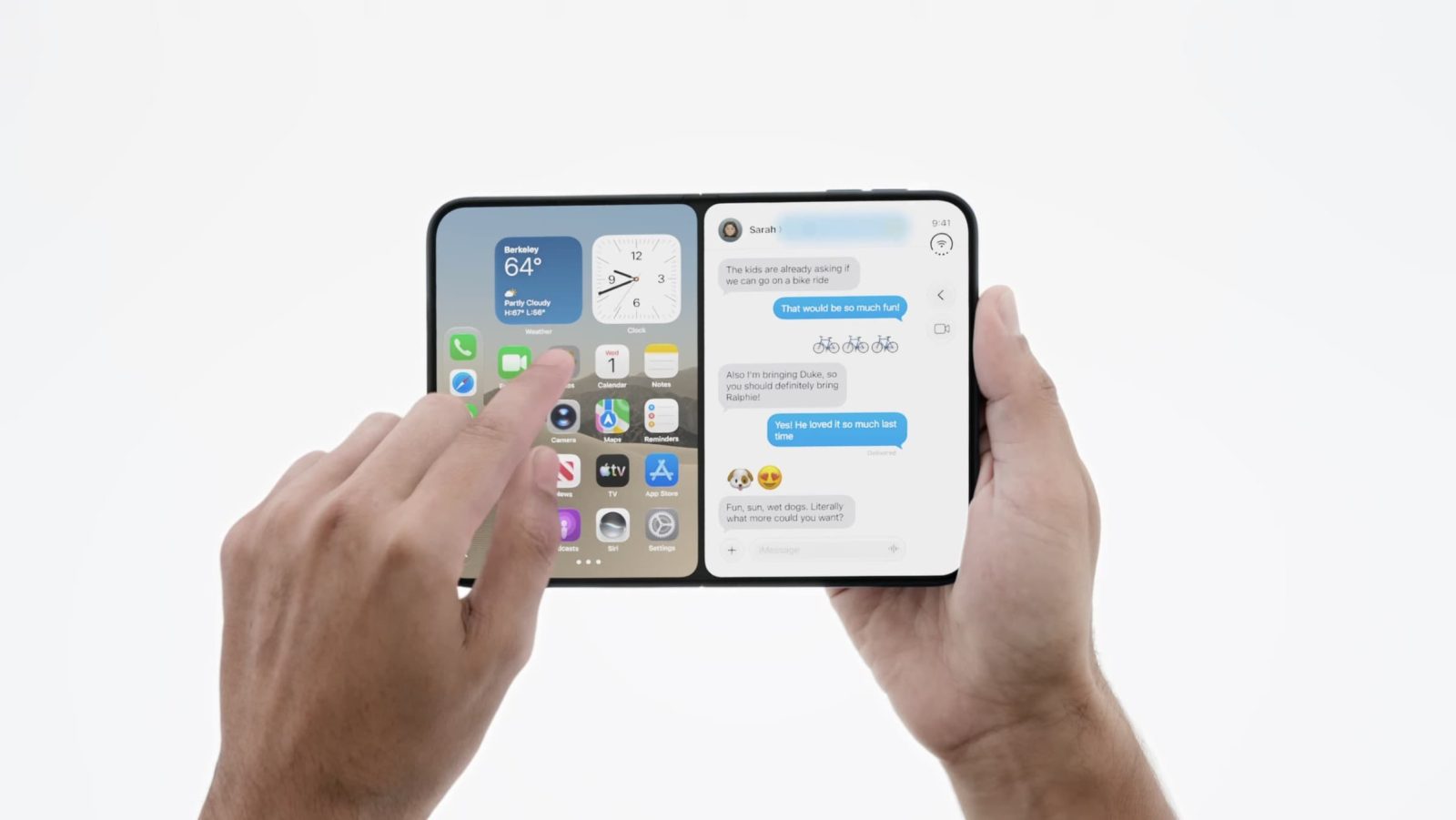
The iPhone Duo, announced during Apple’s September 2026 product showcase, features a dual-screen design that enables a "fluid multitasking" environment. Unlike the traditional iOS interface, the Duo utilizes a specialized software layer that allows for dynamic split-screen management. Users can run two applications simultaneously while maintaining a persistent view of the home screen, facilitating a drag-and-drop workflow that feels more intuitive than previous iterations of mobile multitasking.
A standout feature of the Duo is its native support for video-app side-by-side execution. By isolating the video playback process from the primary application interface, the device allows for high-efficiency media consumption without forcing the user into a rigid windowed environment. This implementation reflects a shift toward modularity, where the software adapts to the hardware’s physical state rather than imposing a static UI.
Chronology of iPadOS Multitasking Evolution
To understand the current frustration among iPad users, one must examine the progression of iPadOS over the last several years. The trajectory of multitasking on Apple tablets has been marked by significant shifts in design language:
- Pre-2025 Era: iPadOS relied heavily on simple Slide Over and Split View gestures, which prioritized screen real estate without requiring complex window management.
- iPadOS 26 (Late 2025): Apple introduced a comprehensive windowing system. While this was designed to bring desktop-like functionality to the iPad, it fundamentally changed the user experience, forcing a shift toward an "all-or-nothing" approach. Apps either functioned in a full-screen mode or as part of a complex, layered windowing interface.
- Mid-2026 Updates: Following user feedback, Apple attempted to reintroduce legacy Split View features. However, these were integrated into the existing windowing architecture, meaning users still had to navigate the overhead of the new system to achieve simple multitasking.
- September 2026: The release of iPadOS 27 confirmed that Apple is continuing to refine its windowing-first approach, leaving little room for the streamlined, minimalist multitasking seen on the iPhone Duo.
Comparative Analysis: The iPad Mini vs. iPhone Duo
The hardware similarities between the iPad mini and the iPhone Duo make the disparity in their software capabilities particularly notable. Both devices occupy a similar footprint, yet the user experience is vastly different. On the iPad mini, the current windowing system is often criticized for being "convoluted," as the screen real estate is insufficient to accommodate the complex layering that works on larger, 13-inch displays.
In contrast, the iPhone Duo employs a "pair-saving" feature, allowing users to save specific app combinations for later recall. This functionality, while seemingly straightforward, is absent from the iPad mini. If Apple has already engineered this efficient, simplified system for the Duo, the technical barrier to porting these features to the iPad mini appears to be minimal. The core architecture of both systems remains rooted in the iOS/iPadOS framework, suggesting that the divide is a matter of design strategy rather than hardware limitation.
Technical Implications and Design Philosophy
The primary point of contention is the "hostility" of the current interface toward users who do not rely on a Magic Keyboard or external peripherals. For a tablet intended for portability, the reliance on complex, gesture-heavy, or hardware-dependent windowing creates a friction-heavy user experience.

Industry analysts suggest that Apple’s decision to maintain these distinct paths reflects a broader strategy to differentiate product categories. By keeping "pro" multitasking locked to the windowing system, Apple preserves the iPad’s identity as a productivity device. However, this comes at the cost of usability for the casual user who simply wants to watch a video while browsing the web—a task that is now easier to perform on the foldable iPhone Duo than on an iPad mini.
Official Stance and Market Reaction
While Apple has not provided a formal comment regarding the potential cross-pollination of these features, spokespeople at the September event emphasized that each device platform is "tailored to its specific use case." The official narrative suggests that the windowing system on iPadOS is designed for long-term scalability, particularly as tablets continue to replace traditional laptops in professional workflows.
Despite this, independent developer communities have noted that the "split-screen" code in the iPhone Duo software appears highly optimized. Critics argue that forcing a desktop-style windowing paradigm onto tablets under 10 inches is counter-intuitive. They point to the "app pairing" feature of the Duo as a potential solution that could improve the iPad’s workflow without requiring a total overhaul of the existing system.
Broader Impact on the Tablet Market
The implications of this divide extend beyond simple software preferences. As the foldable market matures, the line between "phone" and "tablet" continues to blur. If the iPhone Duo becomes a default model for power users, Apple may find itself in a position where its most expensive phone is more capable of handling multitasking than its entry-level tablets.

This creates a paradox: the hardware that is arguably more portable (the iPad mini) is being held back by software that is arguably less efficient, while the hardware that is more "novel" (the Duo) has received the most refined multitasking interface in the current Apple ecosystem. For consumers, the choice is no longer just about screen size or processing power; it is increasingly about which "version" of multitasking they prefer to use.
Looking Ahead: The Path for iPadOS 28
As speculation turns toward the next iteration of iPadOS, the demand for a more modular multitasking interface is growing. Observers suggest three potential paths forward for Apple:
- System Parity: Integrating the Duo’s "simple" multitasking as an accessibility or "Basic Mode" option in iPadOS 28.
- Adaptive UI: Implementing a system that detects screen size and automatically switches between windowing and the Duo-style split-screen interface.
- Status Quo: Maintaining the current trajectory, which prioritizes the professional, windowed workflow at the expense of simplicity on smaller devices.
The successful launch of the iPhone Duo demonstrates that Apple is capable of designing elegant, user-friendly multitasking for smaller screens. The challenge now lies in whether the company is willing to apply those same lessons to the iPad, or if it intends to keep the tablet and foldable phone experiences firmly separated by design. As the market for foldables grows, the pressure on Apple to unify these experiences will likely intensify, forcing a re-evaluation of what a "tablet" experience should look like in a world where a phone can now perform the same tasks with greater ease.