Samsung Gallery Prepares to Replace OneDrive Integration with Direct Google Photos Support

The ecosystem of Android cloud backup and photo management is undergoing a significant transition as Samsung prepares to roll out native Google Photos integration within its proprietary Samsung Gallery application. This strategic pivot follows the phased deprecation of Samsung’s long-standing partnership with Microsoft OneDrive, which previously served as the default cloud storage and synchronization backend for millions of Galaxy device users worldwide.
As the September 30 deadline approaches for the complete cessation of OneDrive-to-Gallery syncing, recent updates to internal system components such as "Gallery Cloud Sync" and "Samsung Cloud" have provided the clearest indication yet of how Samsung intends to bridge the upcoming functionality gap. Rather than leaving users without a native cloud backup solution or forcing them to rely entirely on standalone third-party applications, Samsung is aligning its hardware ecosystem more closely with Android’s core infrastructure by integrating directly with Google Photos.
The Shift from Microsoft OneDrive to Google Cloud Infrastructure
For years, Samsung and Microsoft maintained a deeply integrated software alliance that positioned OneDrive as the premier backup solution for Galaxy smartphones and tablets. This partnership allowed users to seamlessly sync their Samsung Gallery memories directly to Microsoft’s cloud storage, bridging the gap between mobile devices and Windows PCs. However, earlier this year, Samsung initiated a gradual decoupling by stripping native OneDrive integration out of the Samsung Gallery app, leaving users without a built-in cloud backup mechanism unless they manually installed and configured alternative cloud services.
The vacuum left by the OneDrive extraction created uncertainty regarding Samsung’s long-term cloud strategy. That uncertainty began to dissipate with a recent update pushed to the "Gallery Cloud Sync" application package available through the official Samsung app store. Release notes associated with the update explicitly outline a transition toward Google’s cloud architecture, promising users a secure method to back up their media libraries and access them seamlessly across smartphones and tablets.
Although the initial application release notes somewhat ambiguously refer to "Google Cloud," early software previews and developer discoveries confirm that the underlying functionality is a direct, deeply embedded integration with Google Photos.
Early Previews and Technical Implementation Details
While the feature has not yet rolled out universally to public builds of the software, early previews shared by industry analysts and tech community members—including contributions from independent researchers and publication writers—have provided a comprehensive look at how "Sync with Google" will operate within the Samsung ecosystem.
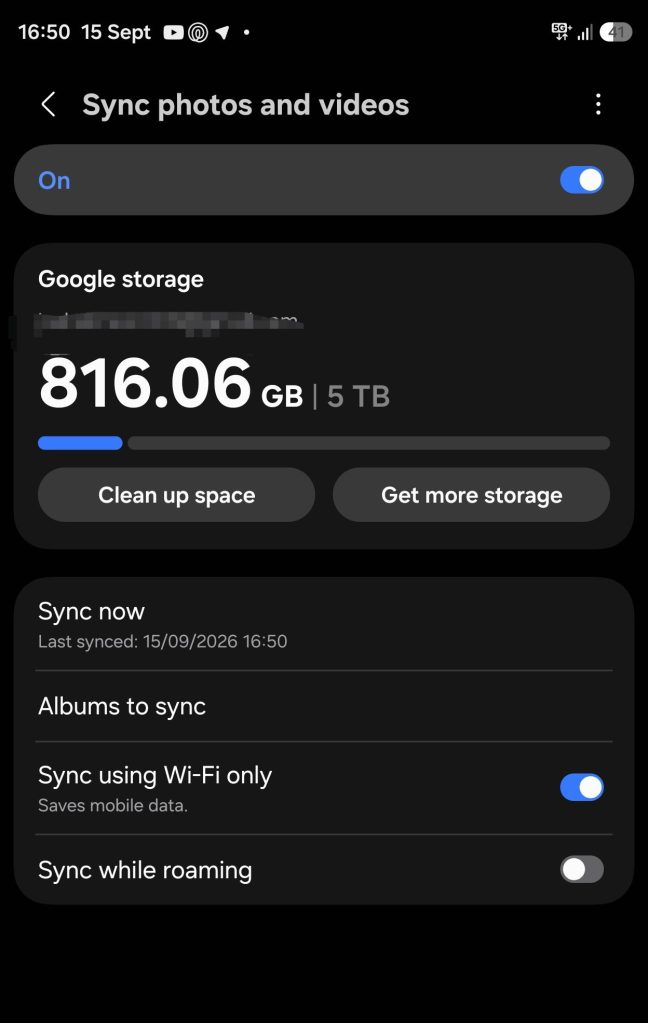
Based on these early software teardowns and preview builds, the upcoming integration will offer granular control over media synchronization. Users will not merely experience a blanket upload utility; instead, the Samsung Gallery app will natively display available Google account storage metrics directly within its interface. Furthermore, the integration will allow users to selectively choose specific albums for synchronization and define precise network and data conditions—such as restricting backups to unmetered Wi-Fi connections—to manage cellular data consumption efficiently.
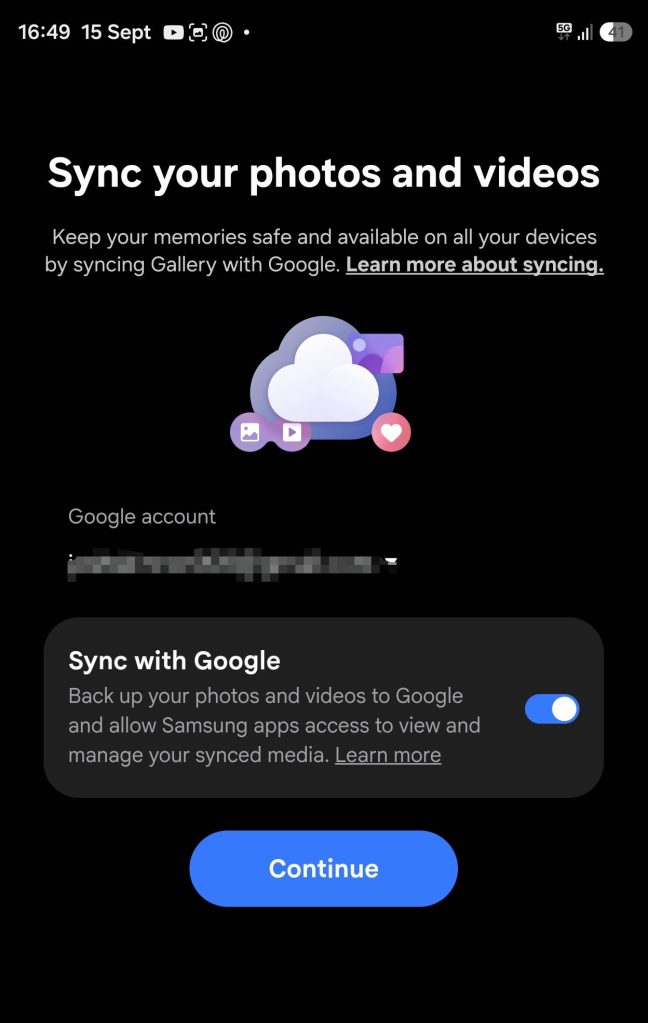
Enabling this functionality requires updates to multiple interdependent system packages, including "Gallery Cloud Sync" and "Samsung Cloud." Industry observers anticipate that a subsequent, wider-ranging update to either the Samsung Gallery application itself or a broader One UI system update will be necessary to activate the user-facing toggles and backend synchronization pipelines.
Industry Context and Precedents in the Android Ecosystem
Samsung’s adoption of native Google Photos integration within its proprietary gallery application is not an isolated industry phenomenon. Over the past few years, several major Android original equipment manufacturers (OEMs) have shifted away from proprietary or exclusive third-party cloud storage solutions in favor of standardized Google Photos integration.
In 2024, OnePlus integrated native Google Photos support directly into its stock Gallery application, a move mirrored by Xiaomi and other prominent device manufacturers operating within the global Android ecosystem. By standardizing around Google Photos, these manufacturers reduce the engineering overhead required to maintain bespoke cloud infrastructure while offering consumers a universally recognized, cross-platform media management service that many Android users already utilize.
Despite these industry trends, Google’s official support documentation for Google Photos third-party gallery integrations has been slow to update, with official pages not yet reflecting Samsung’s impending rollout. This lag highlights the cautious, phased approach both corporations are taking as they finalize the technical handshakes and user interface adjustments required for a seamless deployment across hundreds of millions of active Galaxy devices.
Chronology of the Transition
The path toward this new integration has been defined by a measured, multi-month timeline designed to give users adequate time to adapt:
- Early 2026: Samsung announces and subsequently initiates the removal of native OneDrive integration from the Samsung Gallery application, effectively terminating direct cloud synchronization features.
- May 2026: Samsung officially confirms that existing OneDrive users will be granted a grace period, allowing them to continue syncing their photos through September 30, 2026.
- July 2026: Traces of the incoming replacement begin appearing in software codebases, signaling an impending shift toward alternative cloud providers.
- September 2026: Updates to the "Gallery Cloud Sync" application emerge on the Samsung app store, explicitly mentioning data migration to Google infrastructure and paving the way for the "Sync with Google" feature set.
- September 30, 2026: The official cutoff date for OneDrive synchronization within the Samsung Gallery app.
Implications for Galaxy Users and the Market
The integration of Google Photos into Samsung Gallery carries significant implications for the consumer experience. For millions of Galaxy users, the elimination of OneDrive backup without an immediate native alternative caused considerable apprehension regarding data preservation and cross-device media accessibility. The introduction of "Sync with Google" largely resolves these concerns by restoring a streamlined, manufacturer-supported backup pathway.
From a strategic standpoint, aligning Samsung Gallery with Google Photos reinforces the symbiotic relationship between Samsung hardware and the broader Android operating system. While Samsung continues to maintain its own distinct software identity through One UI and proprietary services like Samsung Cloud, leaning on Google’s robust cloud infrastructure for heavy media storage makes pragmatic sense. Google Photos offers advanced machine learning capabilities, robust facial and object recognition, and massive scalability that few individual hardware manufacturers can match independently.

However, the transition also introduces considerations regarding cloud storage capacities. Users who previously relied on bundled Microsoft OneDrive promotions or subscriptions integrated with Microsoft 365 will need to audit their digital storage footprints. Those exceeding Google’s complimentary 15-gigabyte storage tier—which is shared across Google Drive, Gmail, and Google Photos—will likely need to subscribe to Google One storage plans to maintain continuous, uninterrupted backup coverage for high-resolution photo and video libraries.
As the September 30 sunset date for OneDrive integration arrives, all eyes remain on Samsung to officially trigger the nationwide and global rollout of the Google Photos gallery sync. With backend applications already being updated across regional app repositories, a formal system-wide deployment appears imminent, promising a modernized and unified cloud backup experience for the global Galaxy user base.