Google Pixel September Feature Drop brings comprehensive upgrades to security home screen connectivity and wearable accessibility

Google has officially rolled out its September Pixel Feature Drop, a comprehensive software update designed to enhance the functionality, security, and user experience across its expansive ecosystem of Pixel devices. This latest release, which spans smartphones, tablets, and smartwatches, underscores the company’s commitment to its "Pixel-first" strategy, where software optimizations are used to extend the utility of hardware long after the point of sale. The update introduces a significant overhaul to contact management, bolsters AI-driven fraud protection, and refines gesture controls for the Pixel Watch lineup, while also offering a touch of thematic personalization for fans of the Wizarding World.
The Evolution of the Pixel Feature Drop
The concept of the "Feature Drop" was introduced by Google in December 2019, marking a shift in how the company approaches mobile updates. Rather than waiting for major annual Android OS releases to introduce new capabilities, Google adopted a quarterly cadence to provide "surprise and delight" updates. This strategy serves two primary purposes: it helps maintain device value for existing owners and allows Google to iterate rapidly on machine learning-powered features that define the Pixel experience, such as Call Screen, astrophotography, and advanced computational photography.
Historically, these drops have ranged from minor UI tweaks to major system overhauls. The September 2024 update arrives at a critical juncture for Google as it seeks to maintain its competitive edge in a smartphone market increasingly dominated by generative AI integrations. By bundling security enhancements with usability improvements, Google is positioning its software stack as a primary differentiator against hardware-focused competitors.
Streamlined Communication: The New VIP Experience
Central to this update is the optimization of the "VIP contact" system. While the concept of prioritizing specific contacts has been a staple of Android’s notification management for years, the new iteration provides a more integrated home-screen experience. By allowing users to designate specific contacts as "VIPs," the interface now enables direct, single-tap access for calling or messaging.
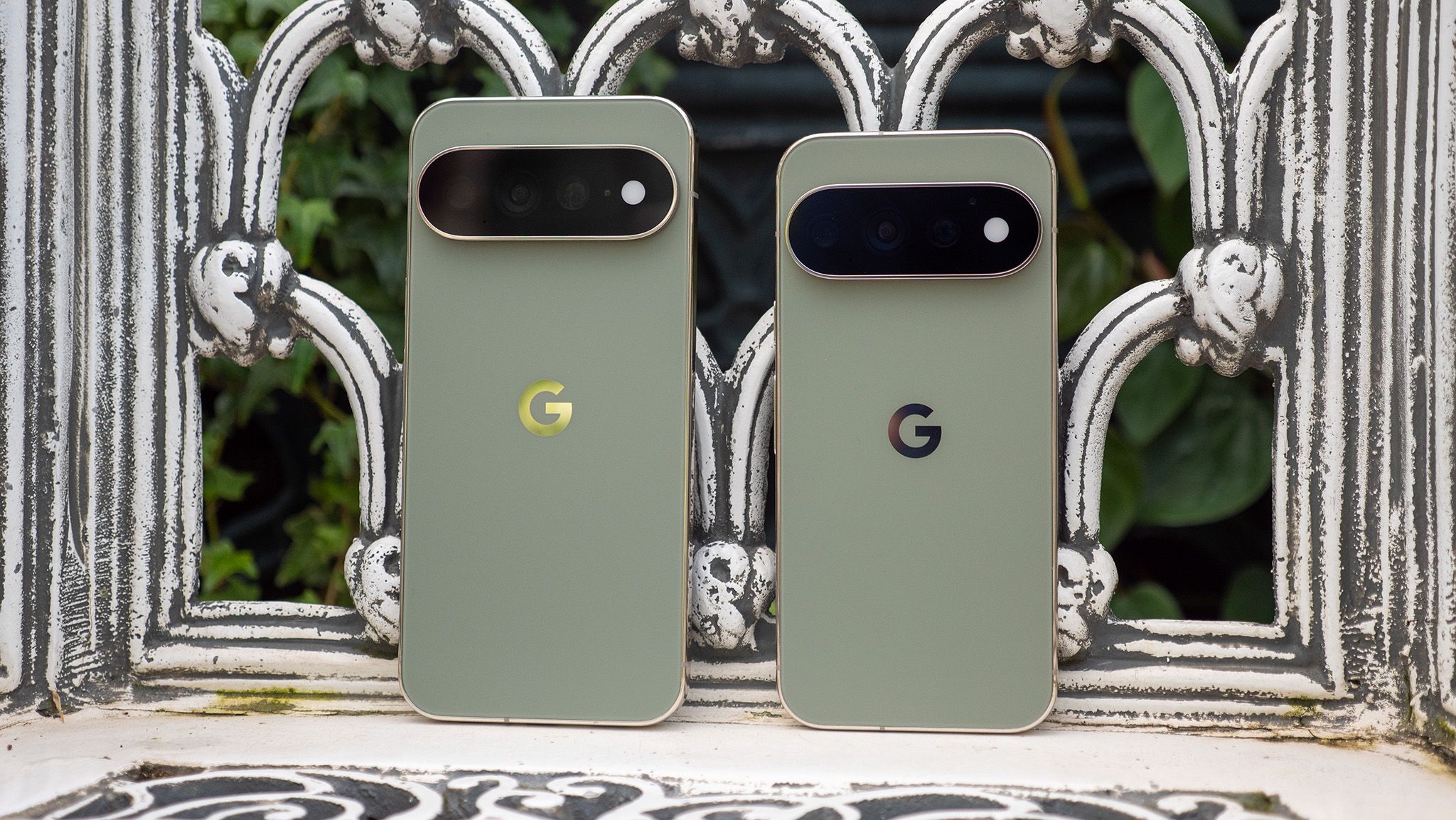
Beyond mere shortcuts, the update introduces intelligent notification badging. These badges are designed to distinguish between standard communications and high-priority messages, reducing the cognitive load on users who receive dozens of notifications daily. The addition of a floating navigation bar further simplifies the user experience, allowing for seamless switching between different VIP profiles without the need to navigate through complex sub-menus. This functionality is rolling out to Pixel 6 and newer models, provided users have the latest iterations of the Contacts and Pixel VIPs applications installed.
Strengthening Digital Defenses Against Fraud
Perhaps the most critical aspect of the September update is the expansion of Google’s Scam Detection initiative. With global losses from mobile-based fraud reaching record highs in 2023 and 2024, Google has prioritized the integration of real-time threat detection directly into the OS.
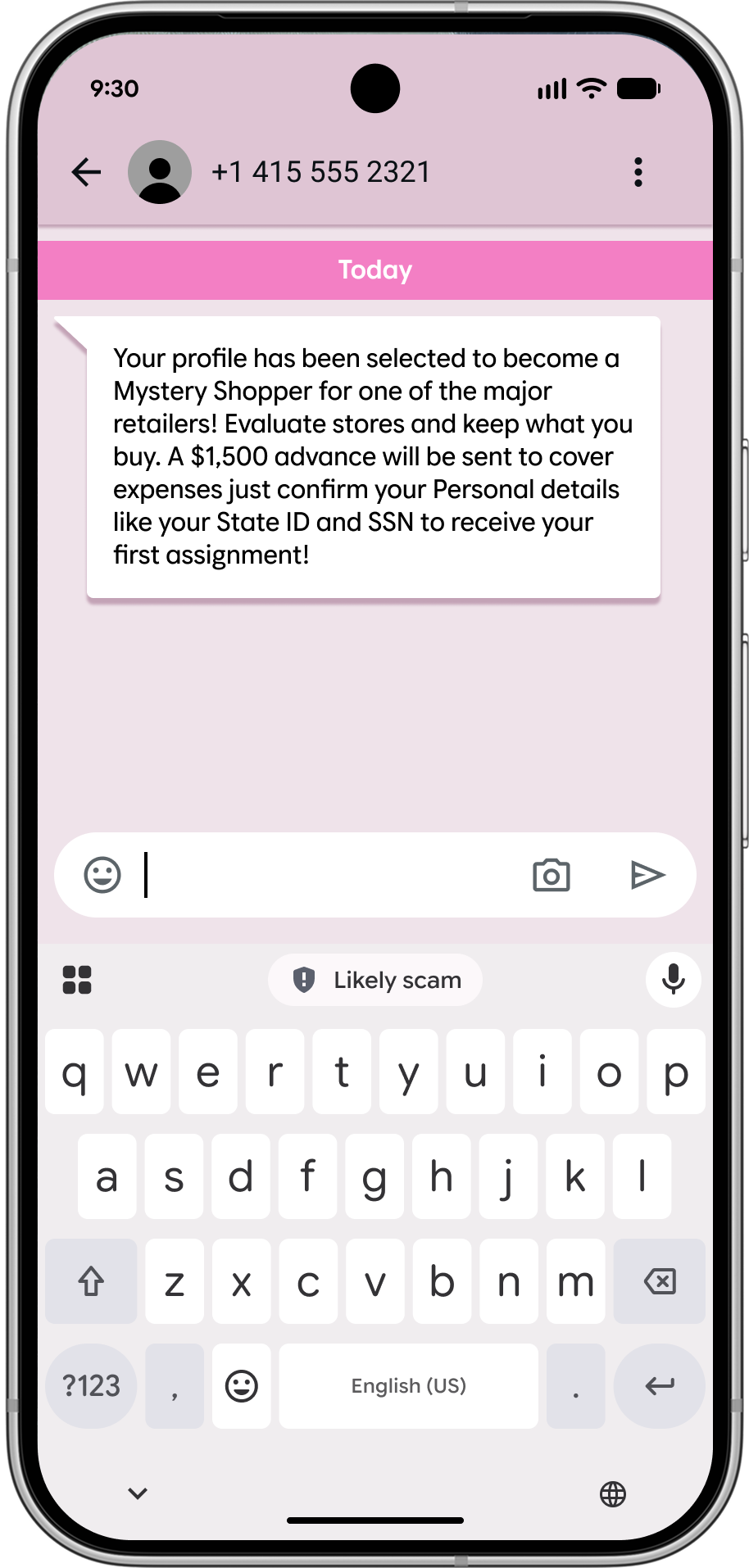
The updated Scam Detection suite now provides more robust notifications for suspicious chat interactions. Notably, Gboard—Google’s proprietary keyboard—now features built-in intelligence that can flag potentially fraudulent links or messages in real-time as a user types. By shifting this security layer from the application level to the keyboard and system notification level, Google is effectively creating a "safety net" that functions before a user interacts with a malicious sender.
Data from cybersecurity analysts suggests that proactive, on-device detection is significantly more effective than traditional cloud-based filtering, as it accounts for the nuances of encrypted messaging apps where server-side scanning may be limited. This rollout is currently tiered, with availability contingent on regional regulatory standards and language support, reflecting the complexity of implementing localized anti-fraud measures across diverse global markets.
Wearable Advancements and Gesture Controls
The Pixel Watch series also sees notable improvements, particularly regarding accessibility and efficiency. The "Raise to Talk" feature, a staple for hands-free interaction with Google Assistant, has received refined calibration on the Pixel Watch 4 and newer models, resulting in faster activation and better recognition in noisy environments.

Furthermore, the introduction of a new one-handed "pinch" gesture for the Pixel Watch 3 and newer devices marks a significant leap in wearable UX. This gesture allows users to navigate the notification tray without needing to touch the screen with their second hand. Such advancements are essential for users who may have limited mobility or who are simply engaged in activities—such as exercise or commuting—where tactile precision is difficult. By leveraging the watch’s onboard sensors to interpret these complex movements, Google is continuing to refine the symbiotic relationship between hardware sensors and software logic.
Thematic Personalization and Entertainment
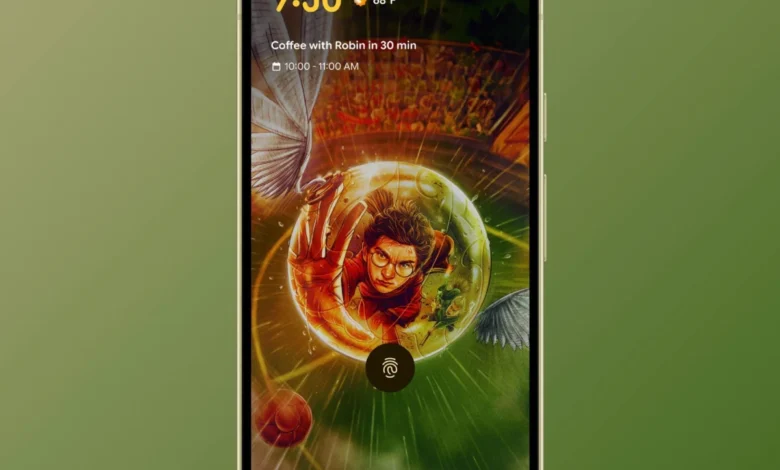
While security and productivity dominate the update, Google has also included a more lighthearted component: the Harry Potter Audiobook Packs. This feature is part of a broader marketing effort to drive engagement with the Google Play ecosystem. Eligible users are being granted a two-month trial of Audible, accompanied by a suite of digital assets including custom wallpapers, system icons, and notification sounds themed after the franchise.
While ostensibly a promotional tool, this inclusion highlights Google’s ongoing effort to make the Pixel interface more modular and customizable. By allowing users to apply "packs" that alter the visual and auditory landscape of their device, Google is tapping into a market segment that values high levels of aesthetic personalization, similar to the functionality offered by third-party Android launchers but baked into the core system.
Market Implications and Future Outlook
The release of this Feature Drop occurs as the broader tech industry grapples with the integration of AI into everyday devices. For Google, the goal is clear: to ensure that the Pixel remains the premier showcase for "ambient computing"—where technology is helpful, proactive, and unobtrusive.
Industry analysts observe that Google’s strategy is heavily reliant on the "ecosystem effect." By synchronizing updates across phones, tablets, and watches, the company is attempting to create a "sticky" user experience. A user who finds the new notification gestures on their Pixel Watch useful is statistically more likely to remain within the Google ecosystem when it comes time to upgrade their smartphone.
However, the tiered rollout of features—particularly the Scam Detection capabilities—points to the ongoing challenges of global software distribution. Regulatory hurdles, varying data privacy laws, and linguistic complexities mean that the full power of a Pixel Feature Drop is not experienced uniformly by all users worldwide. As Google moves into the next fiscal quarter, the success of these features will be measured not just by user adoption, but by the tangible reduction in successful phishing attempts and the overall improvement in daily device interaction time.
Conclusion: A Strategic Pivot
The September Pixel Feature Drop is a testament to the maturation of Google’s mobile software strategy. By focusing on practical utility—communication efficiency, security, and accessibility—Google is reinforcing the value proposition of the Pixel line in an increasingly crowded market. While the Harry Potter collaboration provides a temporary aesthetic update, the real weight of the release lies in the under-the-hood improvements to fraud detection and gesture navigation. As these features propagate to the wider user base, they set a benchmark for how smartphone manufacturers can provide sustained, high-impact value to their customers through consistent software innovation rather than relying solely on biennial hardware refreshes. For current Pixel owners, the update represents a significant, no-cost enhancement that keeps their devices feeling fresh, secure, and increasingly capable.