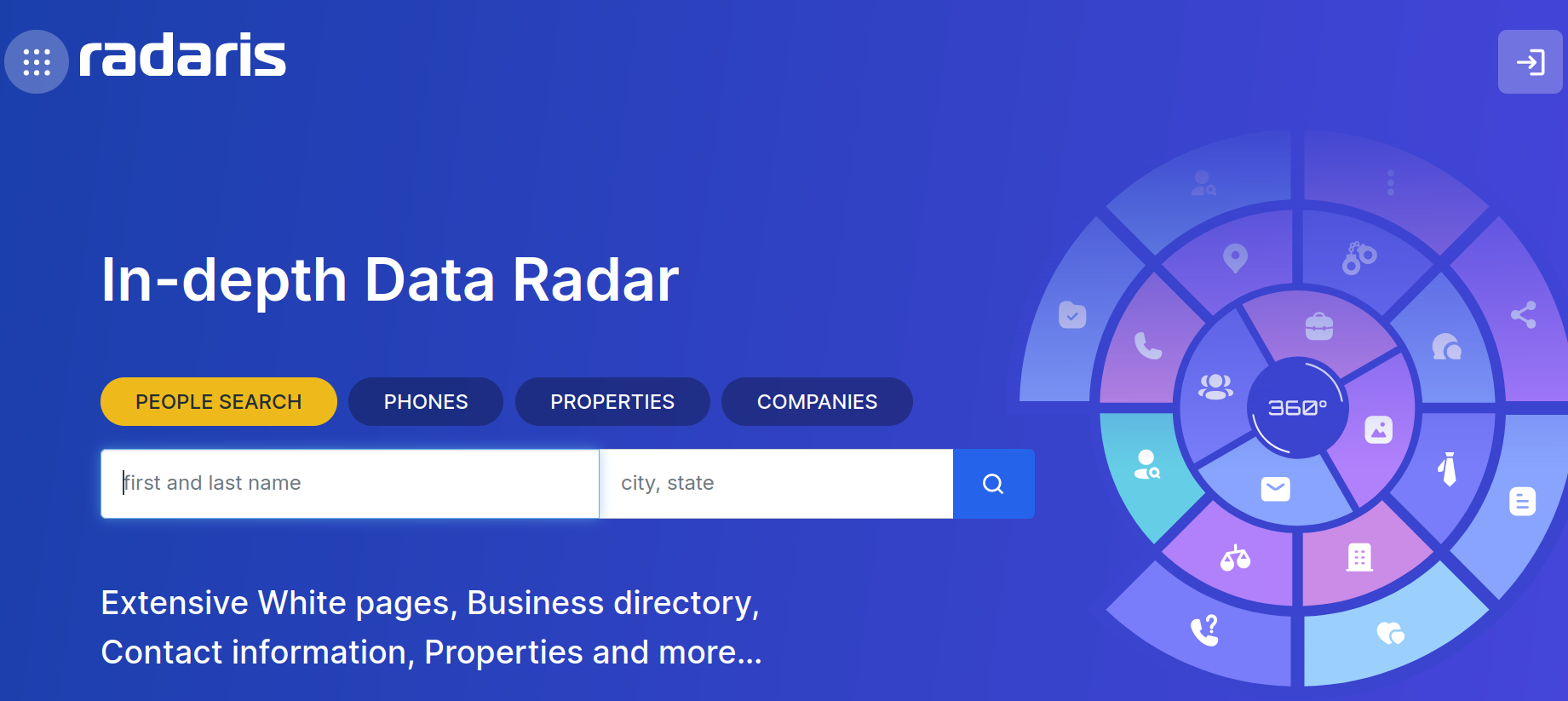
Radaris.com Domain Seizure Marks a Major Legal Turning Point for Consumer Data Brokers and Daniel’s Law


The digital infrastructure of the consumer data brokerage industry has faced a historic disruption following a New Jersey court’s order to transfer the Radaris.com domain name and over a dozen associated properties to Atlas Data Privacy Corp. This move, which effectively shuttered the public-facing operations of one of the internet’s most persistent people-search engines, serves as the most significant judicial intervention to date against a sector notorious for ignoring privacy removal requests. The ruling marks a culmination of a protracted legal battle involving complex corporate shell games, fictitious executive identities, and the aggressive enforcement of Daniel’s Law, a New Jersey statute designed to protect the personal information of law enforcement officials, judges, and their families.
A Chronology of Concealment and Litigation
The legal friction between Atlas Data Privacy Corp and the Radaris ecosystem traces back to early 2024, when Atlas initiated litigation alleging that the data broker had repeatedly violated the provisions of Daniel’s Law. This statute, enacted in response to the tragic murder of the son of a federal judge, mandates that commercial data brokers remove the home addresses and personal contact information of public servants upon request. Non-compliance carries a penalty of $1,000 per violation.
Radaris, operated by Russian-born brothers Igor and Dmitry Lubarsky, had long maintained a reputation for ignoring these removal requests. When faced with legal pressure, the company’s defense strategy mirrored the tactics often used by offshore data aggregators: jurisdictional evasion. As the legal discovery process unfolded, the defendants consistently attempted to delay proceedings by pointing to an ever-shifting landscape of corporate entities based in jurisdictions such as the Marshall Islands, the British Virgin Islands, and the Seychelles.
By June 2025, the case against Radaris had expanded significantly. Atlas, led by CEO Matt Adkisson, filed an amended complaint that incorporated a wider net of the Lubarsky brothers’ holdings. Throughout this period, defense counsel—most notably Val Gurvits of the Boston Law Group—attempted to shield the company from default judgments by arguing that the court lacked jurisdiction over the true, often foreign-domiciled, owners of the domains. Despite these efforts, the New Jersey court eventually determined that the defendants had been afforded ample opportunity to mount a substantive defense and had failed to do so, leading to the court-ordered domain transfer.
The Anatomy of a Shell Game
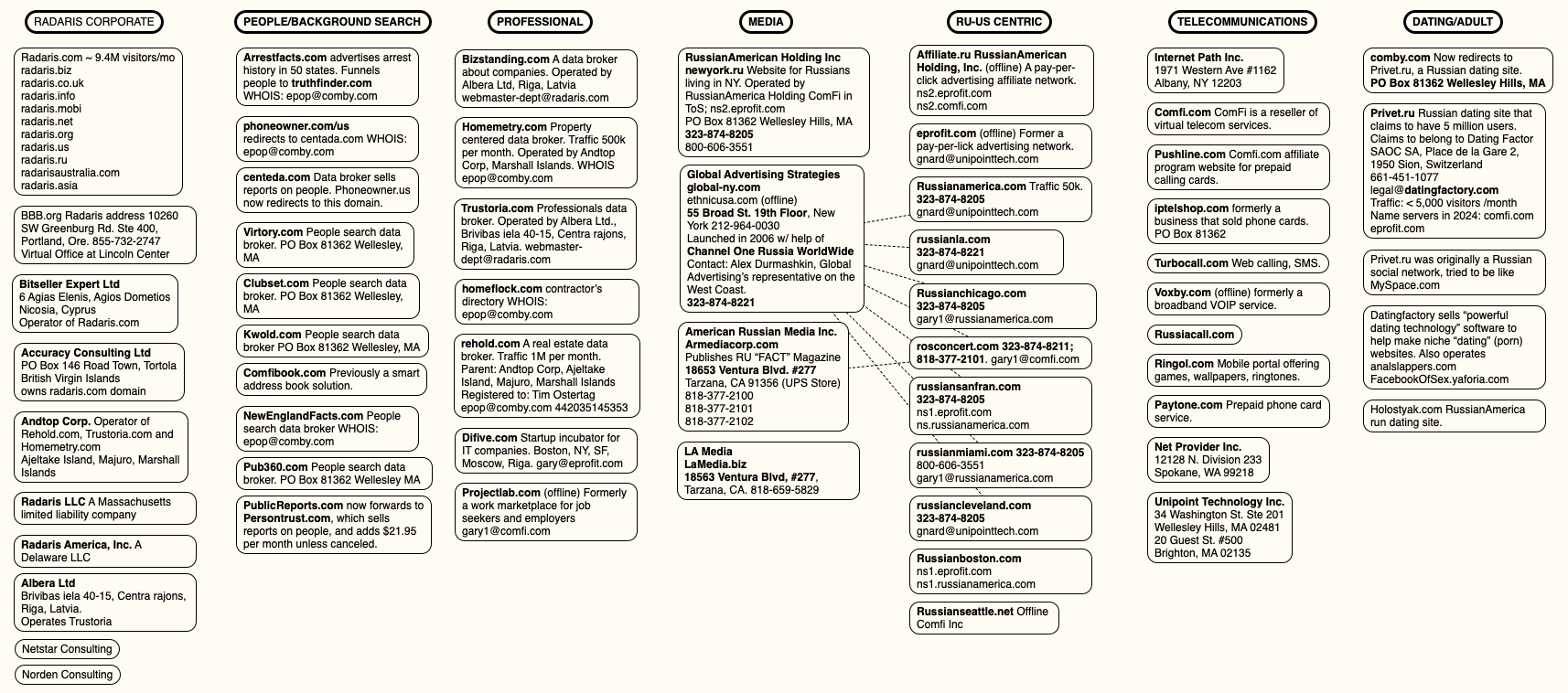
The investigation conducted by Atlas throughout the litigation uncovered a sophisticated, albeit fragile, architecture of deception. Evidence obtained through thousands of recovered internal emails and financial records revealed that while Radaris claimed to be managed by diverse international entities—such as the Cyprus-based Bitseller Expert Limited or the Marshall Islands-based Andtop Company—the operational reality was far more centralized.
The documents confirmed that at least 25 separate people-search websites were managed by a small, Boston-area group. These sites utilized shared banking infrastructure, payment processors, and administrative mail domains to mask the true ownership. Perhaps most egregiously, the company employed a fictitious CEO named "Gary Norden" to conduct press relations and secure investment, a ruse that defense attorneys eventually admitted to in court. This facade of professional corporate management was shattered by the discovery that the entities supposedly managing the domains were often shell companies with no genuine operational capacity, a tactic described by legal experts as "island-hopping" to avoid accountability.
Financial Implications and Industry Partnerships
The financial scale of the operation underscores why the data broker industry has fought so hard to maintain its current business model. According to data provided by Atlas, Radaris.com alone generated approximately $42,000 in monthly revenue, while its sister site, Veripages.com, brought in roughly $45,000 per month. These figures were bolstered by partnerships with large-scale marketing firms and even other data privacy service providers.
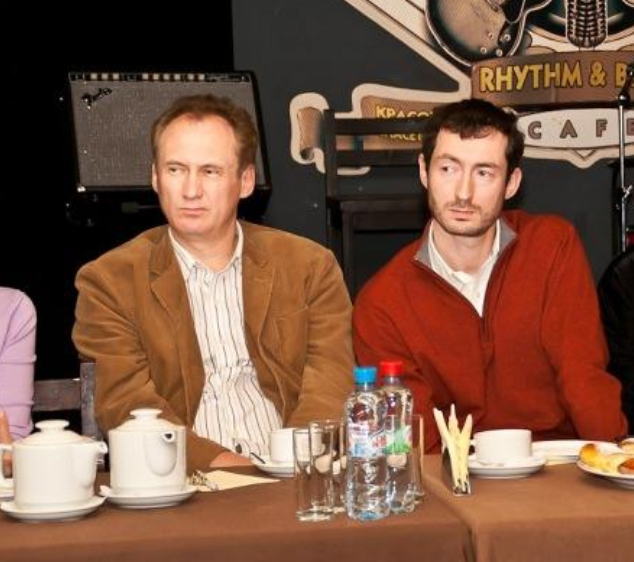
One of the more contentious revelations was the relationship between the Radaris family of sites and Onerep, a service that claims to help individuals remove their data from broker sites. Investigations revealed that the founder of Onerep had historically operated multiple people-search sites, creating a circular ecosystem where the same actors profited from both the exposure and the subsequent "removal" of private data. This intersection of "selling the disease and the cure" has become a focal point for regulators concerned about the ethics of the data brokerage industry.
The Constitutional Challenge to Daniel’s Law
While the Radaris domain seizure is a victory for the plaintiffs in New Jersey, the broader viability of Daniel’s Law remains in a state of legal flux. The data broker industry has mobilized against the law, filing dozens of lawsuits to have the statute declared unconstitutional. Their primary argument rests on the First Amendment, claiming that the law imposes an overly broad restriction on the dissemination of "public" information.
As of late 2025, the U.S. Court of Appeals for the Third Circuit is weighing these challenges. The outcome is expected to eventually reach the U.S. Supreme Court, as lower courts have provided conflicting rulings. Notably, in August 2025, a federal district court in West Virginia ruled that a version of Daniel’s Law in that state was facially unconstitutional. This creates a precarious landscape where privacy advocates fear that the gains made in New Jersey could be rolled back by a high-court ruling favoring the data broker industry’s interpretation of free speech.
Broader Implications for Digital Privacy
The Radaris case highlights the systemic failure of the current U.S. approach to data privacy. Privacy experts, including Justin Sherman, author of The Middlemen, argue that the persistence of these data brokers is a symptom of a legislative vacuum. While state-level laws like Daniel’s Law provide specific protections for public officials, the vast majority of personal data—including motor vehicle records, professional licenses, and property filings—remains fair game for aggregators due to "public record" exemptions.
The lack of a comprehensive federal privacy law has left individuals vulnerable to identity theft and harassment. The recent breach at IDScan.net, which exposed the driver’s license information of 153 million Americans, illustrates the danger of a system where sensitive identification data is handled with minimal oversight. Without federal mandates that govern how companies can scan, store, and trade personal information, the "wake-up calls" provided by data breaches and successful lawsuits like the Radaris seizure may fail to produce lasting change.
Conclusion: The Road Ahead
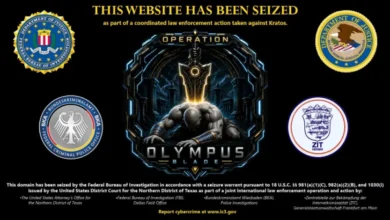
For now, the Radaris.com domain serves as a digital warning sign, redirecting users to the reality of the court-ordered transfer. While the Lubarsky brothers continue to pursue appeals through their legal representatives, the case has set a significant precedent: the "shell game" defense may no longer be a guaranteed shield against judicial action.
The future of personal privacy in the United States likely hinges on the upcoming appellate decisions regarding Daniel’s Law. If the law is upheld, it could provide a template for more robust protections for all citizens, not just government officials. If struck down, the industry will likely continue to thrive, operating in the shadows of the internet, harvesting and selling the digital footprints of millions of Americans with relative impunity. Until federal lawmakers bridge the gap between 20th-century definitions of "public records" and 21st-century digital realities, the struggle between privacy advocates and data brokers will continue to be fought in the courts, one domain seizure at a time.