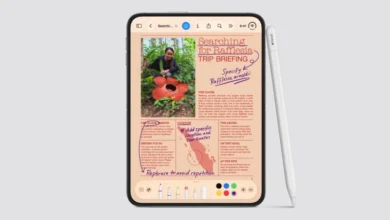
OLED MacBook Pro screens on-track amid talk of delayed launch and the highly anticipated shift to touchscreen technology

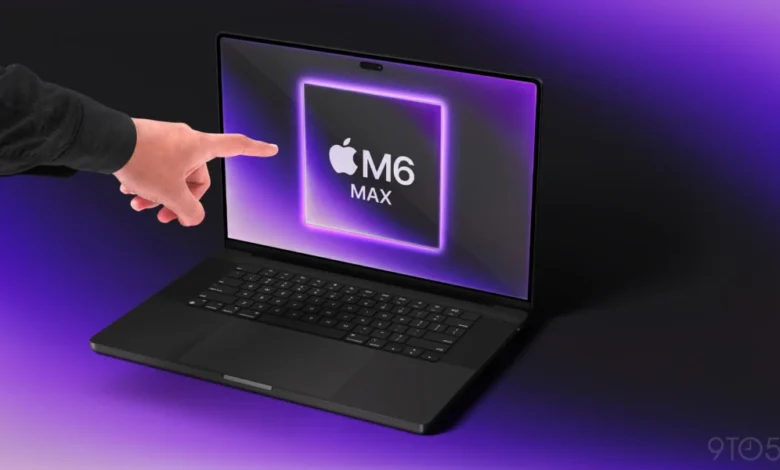
As Apple prepares for its "Pro and Tell" special event scheduled for October 28, 2026, anticipation has reached a fever pitch regarding the company’s most significant hardware pivot in over a decade. According to reporting from Bloomberg’s Mark Gurman, Apple is poised to unveil the first-ever iteration of the MacBook Pro featuring an OLED touchscreen interface. This development marks a definitive shift in strategy for the Cupertino-based tech giant, which has historically resisted merging its mobile touch-centric iPad OS philosophy with the professional-grade macOS experience.
The upcoming reveal represents the culmination of a four-year development cycle, characterized by internal debates, technical hurdles, and shifting market demands. While the new hardware promises to push the boundaries of laptop performance and display fidelity, it also introduces a controversial pricing strategy that positions these devices as ultra-premium luxury assets rather than standard professional tools.
The Financial Landscape and Pricing Strategy
The reported pricing structure for the new MacBook Pro lineup suggests a departure from traditional entry-level professional tiers. Gurman’s sources indicate that the 14-inch model, equipped with the M5 Pro chip, will carry a starting price of $2,899. If historical pricing trends hold—where the 16-inch variant typically commands at least a $400 premium—the larger model will begin at a staggering $3,399.
This pricing strategy is particularly noteworthy when viewed against the backdrop of Apple’s recent fiscal adjustments. Following price hikes implemented in June 2026, the current non-touch M5 Pro 14-inch model retails for $2,199, while the 16-inch version sits at $2,699. The transition to the OLED touchscreen model, therefore, represents a $700 increase for the consumer in a timeframe of just four months.
This move places Apple in direct competition with the most expensive high-end Windows laptops, such as those from Dell’s XPS and Alienware lines, which have long integrated OLED and touch technologies. By positioning these new models as a separate tier rather than a replacement for existing hardware, Apple appears to be testing the "luxury ceiling" of the professional laptop market. Industry analysts suggest that by maintaining the current non-touch M5 Pro lineup in retail channels, Apple is providing a safety net for users who are either resistant to the touch-interface paradigm or priced out of the new flagship models.
A Chronology of the Touchscreen Project
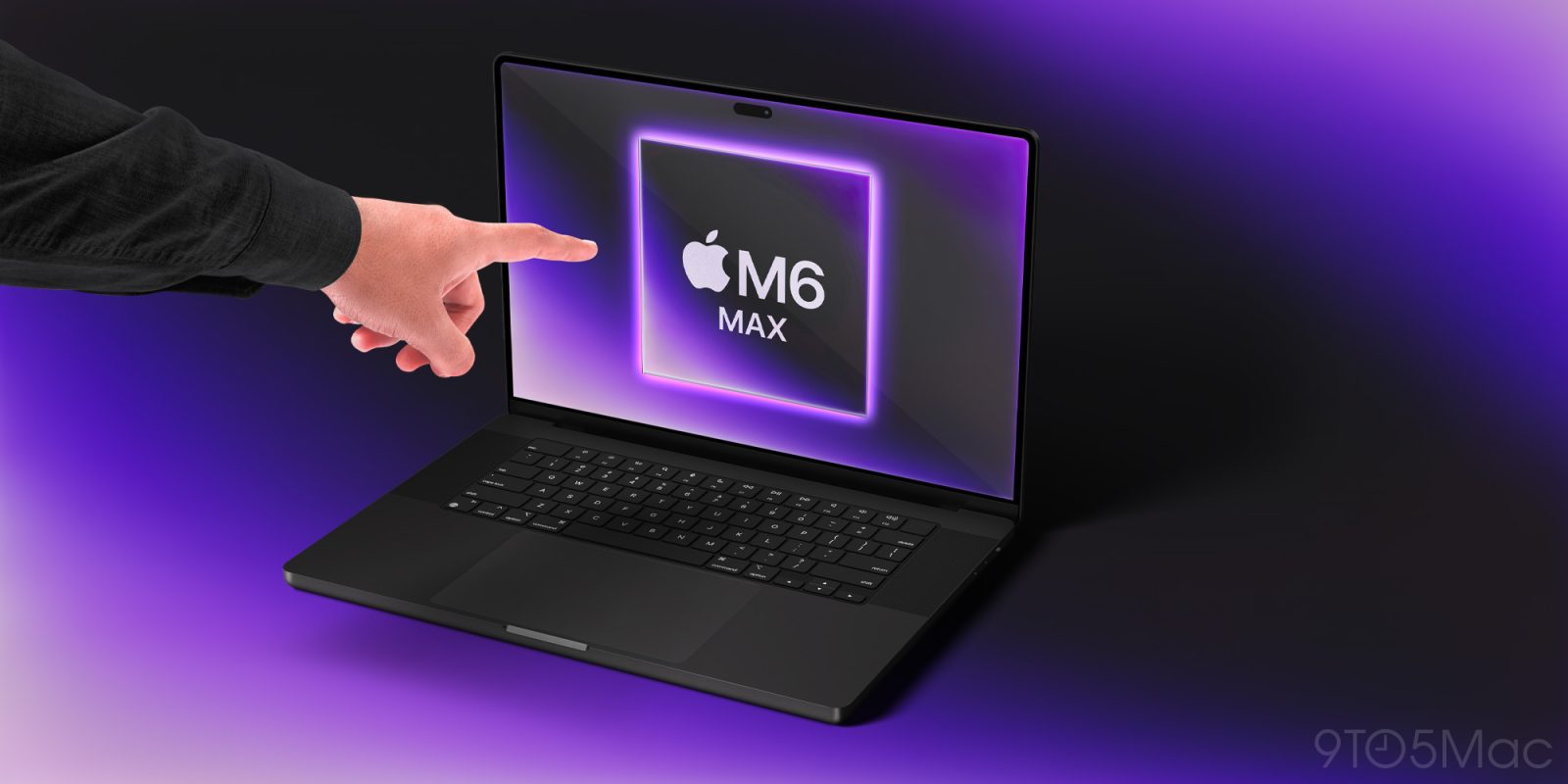
The decision to move forward with a touchscreen Mac was not an impulsive one. According to reports, the project was officially greenlit by CEO Tim Cook approximately four years ago. The rationale behind this decision was multifaceted, driven largely by persistent feedback from Apple’s enterprise and creative user bases, who increasingly viewed touch input as a "table stakes" feature for modern high-end computing.
Internal development was spearheaded by John Ternus, Apple’s head of hardware engineering. Sources familiar with the project noted that Ternus played a critical role in convincing the executive team that the Mac had fallen behind its competitors in terms of input versatility. The internal sentiment was that while the Mac has long been the gold standard for creative workflows, the absence of touch input was beginning to hinder the platform’s relevance in a landscape dominated by multi-modal computing.
The transition from concept to production involved several technical milestones:
- 2022-2023: Initial feasibility studies regarding screen durability and the potential impact of touchscreen integration on macOS UI ergonomics.
- 2024: Development of specialized hinge technology to provide the stability required for a device that is meant to be physically interacted with by touch, preventing the "wobble" common in consumer-grade touch laptops.
- 2025: Optimization of thermal systems. Because the new displays are thinner and the chassis is redesigned to be lighter, Apple had to completely rework the internal airflow. The new hinge system reportedly doubles as a conduit for heat dissipation, allowing for higher performance despite the thinner physical profile.
- 2026: Finalization of the OLED panel supply chain, ensuring that the high-resolution, high-refresh-rate displays meet the rigid color accuracy standards required by professional editors and designers.
Technical Innovations: Beyond the Screen
The move to OLED is perhaps as significant as the inclusion of the touch interface. OLED technology offers superior contrast ratios, deeper blacks, and higher power efficiency compared to the Liquid Retina XDR displays currently found in the M5 series. By integrating the "Dynamic Island"—a UI element popularized on the iPhone—into the MacBook Pro, Apple is attempting to bridge the gap between its mobile and desktop software experiences.
The design team has also focused heavily on the physical ergonomics of the device. The new chassis is noticeably thinner, with reduced bezels that maximize the active screen real estate. To achieve this while maintaining structural integrity, Apple has moved toward a more rigid, aerospace-grade aluminum alloy, which contributes to the device’s lighter weight without compromising the premium feel users expect from the "Pro" branding.
Perhaps most importantly for long-term users, the redesigned hinge is a critical piece of engineering. In many touch-enabled laptops, the screen flexes under pressure. Apple’s engineers have reportedly developed a "locking-tension" mechanism that keeps the screen stationary during interaction, ensuring that the display remains rock-solid even when the user is tapping, swiping, or using a stylus.

Broader Market Implications
The decision to introduce these models in late 2026 serves as a bellwether for the future of the personal computer. Historically, Apple has maintained a strict separation between the iPad (a touch-first device) and the Mac (a keyboard-and-mouse-first device). This divergence was famously defended by Apple executives in the past, who argued that touch interfaces on a vertical screen lead to "gorilla arm"—the physical fatigue associated with holding one’s arm in the air to interact with a screen.
By finally adopting the technology, Apple is acknowledging that the modern professional workflow has changed. With the convergence of desktop and mobile applications—partially fueled by the common architecture of the M-series chips—the barrier between platforms has eroded.
Furthermore, the introduction of these models may signal a shift in how the industry views "Pro" hardware. If Apple successfully markets a $3,000+ laptop with touch capabilities, it may embolden other manufacturers to raise their own price floors for flagship devices. Conversely, if sales of the non-touch legacy models continue to outpace the new units, it could suggest that a significant portion of the professional user base remains unconvinced of the utility of touch in a macOS environment.
Official Responses and Future Outlook
While Apple has maintained its traditional silence ahead of the "Pro and Tell" event, the ecosystem is already preparing for the transition. Retail channels have been reported to be fully stocked with the current non-touch MacBook Pro models, a strategic move to ensure that inventory remains available for those who prefer the traditional interface.
Industry analysts remain divided on the outcome. Some suggest that the touchscreen MacBook Pro will be the most transformative product in Apple’s recent history, effectively rendering the iPad/Mac split irrelevant for a large swath of users. Others caution that the price premium and the learning curve associated with a touch-enabled macOS could alienate traditionalists.
The event tomorrow, October 28, will likely provide the definitive answer to these questions. With pre-orders expected to go live almost immediately and potential availability as early as November 6, the window for adoption will be tight. As the tech industry watches closely, the success of this launch will likely dictate the design language of Apple’s professional laptop lineup for the next half-decade. Whether the "Pro" user is ready to touch their screen remains the final, and most significant, variable in Apple’s ambitious new hardware strategy.